

-37%

Accufine
Price range: $ 69,00 through $ 323,00
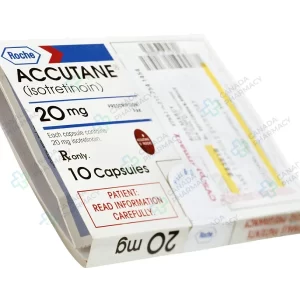
Accutane
Price range: $ 40,00 through $ 650,00
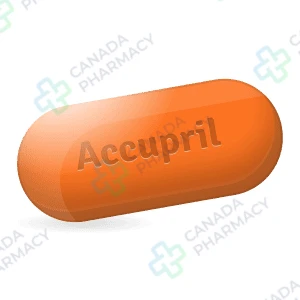
Accupril
Price range: $ 68,00 through $ 256,00
Accupril is a highly effective ACE inhibitor primarily used to manage hypertension by lowering high blood pressure. This medication is also indicated for the treatment of heart failure as an adjunctive therapy alongside other standard treatments. The active ingredient, quinapril, works by relaxing and widening the blood vessels to improve overall blood flow. By reducing the workload on the heart, it helps the organ pump blood more efficiently throughout the body. Regular use of Accupril plays a vital role in decreasing the risk of serious cardiovascular complications like strokes and heart attacks.
Active substance: Hypertension
Delivery: 5–21 days (depending on the shipping method)
Extra 10% discount with coupon: IT4K6SVM
Each dosage option has its own packaging choices.
Description
Accupril belongs to a class of cardiovascular medications known as angiotensin-converting enzyme (ACE) inhibitors. It is prescribed by healthcare providers to manage high blood pressure and as an adjunctive therapy in managing heart failure. In the United States, Accupril is a prescription-only (Rx) medication that requires professional medical evaluation, proper diagnosis, and ongoing clinical monitoring.
Proper control of elevated blood pressure using antihypertensive agents reduces the overall risk of fatal and nonfatal cardiovascular events, primarily strokes and myocardial infarctions. Accupril is formulated as oral tablets containing quinapril hydrochloride as its active pharmaceutical ingredient.
| Parameter | Details |
|---|---|
| Active ingredient | Quinapril hydrochloride |
| Therapeutic class | Angiotensin-Converting Enzyme (ACE) Inhibitor |
| Route of administration | Oral |
| Primary indication | Hypertension, Heart failure (adjunctive) |
| Prescription status | Prescription only (Rx) |
| Storage requirements | Controlled room temperature (15°C to 30°C / 59°F to 86°F) |
Clinical Overview
How the Drug Works
Accupril contains quinapril hydrochloride, a prodrug that undergoes enzymatic cleavage in the liver to form quinaprilat, its primary active metabolite. Quinaprilat inhibits angiotensin-converting enzyme (ACE), an enzyme responsible for converting angiotensin I into angiotensin II. Angiotensin II is a potent endogenous vasoconstrictor that also stimulates aldosterone secretion by the adrenal cortex. By inhibiting ACE, quinaprilat decreases systemic vascular resistance, lowers arterial blood pressure, and reduces cardiac workload without causing a reflex increase in heart rate in uncomplicated hypertensive patients.
Main Uses
Accupril is indicated for the treatment of hypertension to lower systemic blood pressure. Effective blood pressure control decreases the risk of fatal and nonfatal cardiovascular complications, including stroke and myocardial infarction. It may be administered alone as monotherapy or in combination with thiazide diuretics. Additionally, Accupril is indicated as an adjunctive therapy in the management of heart failure when added to conventional therapy, such as digitalis and diuretics. Any off-label administration for unapproved indications must be determined exclusively by a qualified healthcare provider based on individual patient evaluation.
What Happens in the Body
Following oral administration, peak plasma concentrations of quinapril occur within approximately one hour. Quinapril is rapidly metabolized into quinaprilat, which reaches peak concentration in plasma approximately two hours after dosing. The rate of absorption may be moderately decreased when taken with high-fat meals, although overall systemic bioavailability is not significantly altered. Quinaprilat is primarily excreted via the renal system, exhibiting an effective elimination half-life of approximately three hours. Renal clearance correlates directly with creatinine clearance, necessitating dose adjustments in patients with impaired renal function.
Dosing Schedule
Accupril tablets are administered orally. Dosage must be individualized by the prescribing clinician based on clinical response, renal function, and concurrent medications. For hypertension, the recommended initial dose in adults not receiving diuretics is determined by baseline blood pressure targets and kidney function assessment. When initiating therapy in patients already receiving diuretics, reduced starting doses are necessary to prevent symptomatic hypotension. In heart failure management, therapy begins at lower dosages under close clinical supervision. Tablets should be taken consistently, either with or without food, as directed by the prescribing provider.
Safety Profile and Precautions
Adverse Reactions
Like all prescription medications, Accupril can cause adverse reactions, though not all patients experience them. Common side effects include dizziness, headache, fatigue, coughing, and nausea. A persistent, non-productive dry cough is a characteristic class effect of ACE inhibitors that resolves only after discontinuing the medication. Less common but significant adverse events include hyperkalemia (elevated serum potassium levels), orthostatic hypotension, and elevated serum creatinine. Rarely, serious allergic reactions such as angioedema (swelling of the face, lips, tongue, mucous membranes, or extremities) may occur. Angioedema involving the larynx or upper airway can be life-threatening and demands immediate emergency medical intervention.
Important Precautions
Accupril carries a boxed warning regarding fetal toxicity. Drugs that act directly on the renin-angiotensin system can cause injury and death to the developing fetus when administered during the second and third trimesters of pregnancy. When pregnancy is detected, Accupril must be discontinued as soon as possible. Patients with a history of angioedema related to previous ACE inhibitor treatment must not take Accupril. Regular monitoring of serum potassium, kidney function (creatinine), and blood pressure is recommended, especially in patients with impaired renal function, heart failure, or severe salt depletion.
What Not to Combine
Accupril interacts with several drug classes. Co-administration with potassium supplements, potassium-sparing diuretics (such as spironolactone or triamterene), or salt substitutes containing potassium increases the risk of severe hyperkalemia. Nonsteroidal anti-inflammatory drugs (NSAIDs), including ibuprofen and naproxen, may attenuate the antihypertensive effect of Accupril and elevate the risk of renal function deterioration. Concomitant administration with lithium can lead to increased serum lithium levels and lithium toxicity. Dual blockade of the renin-angiotensin system with ARBs or aliskiren increases risks of hypotension, hyperkalemia, and renal impairment.
What to Avoid While Taking It
While Accupril may be taken with or without food, consumption of high-fat meals immediately prior to administration may slightly reduce the absorption rate of quinapril. Patients should avoid high-potassium foods or potassium-containing dietary supplements unless specifically advised by their doctor. Alcohol consumption should be limited or avoided, as alcohol can enhance the blood pressure-lowering effect of Accupril, leading to exaggerated orthostatic hypotension, dizziness, or lightheadedness upon standing.
Red Flags: Emergency Situations
Immediate emergency medical evaluation is required if signs of a severe hypersensitivity reaction occur. These include swelling of the face, lips, tongue, throat, or extremities; difficulty breathing or swallowing; or severe hoarseness. Patients who experience severe dizziness, lightheadedness, syncope (fainting), chest pain, or symptoms indicative of severe hyperkalemia (such as muscle weakness or slow, irregular heart rhythms) should seek immediate emergency medical attention.
If You Skip a Dose
If a dose of Accupril is missed, it should be taken as soon as remembered on that day. However, if it is almost time for the next scheduled dose, the missed dose should be skipped and the regular dosing schedule resumed. Patients must never double the dose or take extra medication to make up for a missed tablet, as this increases the risk of excessive blood pressure reduction.
Pregnancy, Breastfeeding, and Special Groups
Accupril is contraindicated during pregnancy due to the risk of fetal morbidity and mortality. Limited data are available regarding the secretion of quinapril into human breast milk; cautious evaluation by a healthcare provider is required before use during lactation. In pediatric populations, safety and effectiveness have not been established. Elderly patients often display preserved clinical response, but reduced renal function associated with aging may require lower initial starting doses and careful titration.
Common Questions
What should I do if I develop a persistent dry cough while taking Accupril?
A persistent, non-productive dry cough is a known side effect of ACE inhibitors like Accupril. It typically does not respond to OTC cough remedies and only resolves after stopping the medication under medical advice. Patients should contact their prescriber to evaluate whether alternative blood pressure therapy is required.
Can I operate machinery or drive while taking Accupril?
Accupril may cause dizziness, lightheadedness, or fatigue, especially during the first few days of treatment or after a dose increase. Patients should determine how they react to the medication before driving, operating heavy machinery, or engaging in tasks requiring mental alertness.
How long does it take for Accupril to show its blood pressure-lowering effect?
Initial reductions in blood pressure may occur within one to two hours after administration, with peak blood pressure reduction occurring around two to four hours post-dose. Achieving maximal therapeutic effect for blood pressure control typically requires two to four weeks of consistent daily therapy.
What happens if Accupril is stopped abruptly?
Abruptly discontinuing Accupril may cause blood pressure to return to pre-treatment levels. Patients should not discontinue therapy without consulting their prescribing clinician, who can safely adjust the dosage or transition to an alternative medication.
How does kidney function affect Accupril dosing?
Because quinaprilat is cleared predominantly by the kidneys, reduced renal clearance prolongs the elimination half-life of the active drug. Prescribers adjust initial doses and titration intervals based on estimated creatinine clearance to avoid drug accumulation and adverse effects.
In accordance with FDA requirements.
This text is for informational purposes only and does not constitute individual medical advice.
Additional information
| Dosage |
10mg |
|---|---|
| Package |
60 pills ,90 pills ,120 pills ,180 pills ,270 pills ,360 pills |
| Ενεργός Ουσία |
Related products

Betapace
Price range: $ 9,00 through $ 260,00
Active substance: Sotalol
More Details
This product has multiple variants. The options may be chosen on the product page
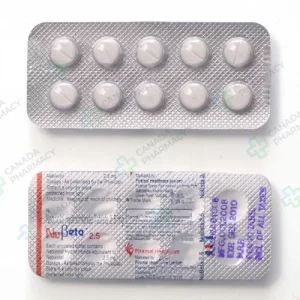
Bystolic
Price range: $ 38,00 through $ 275,00
Active substance: Nebivolol
More Details
This product has multiple variants. The options may be chosen on the product page
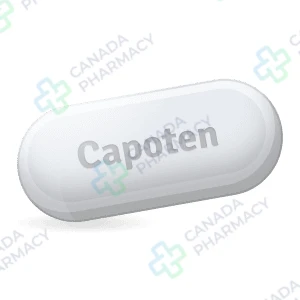
Capoten
Price range: $ 42,00 through $ 323,00
Active substance: Captopril
More Details
This product has multiple variants. The options may be chosen on the product page
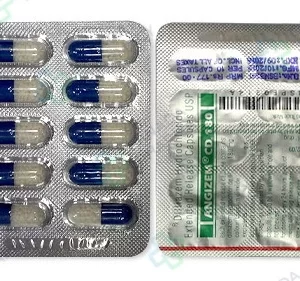
Cardizem
Price range: $ 24,00 through $ 389,00
Active substance: Diltiazem
More Details
This product has multiple variants. The options may be chosen on the product page
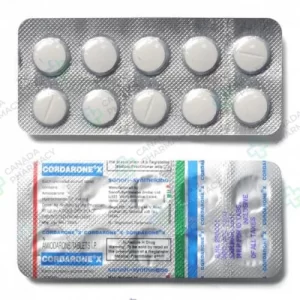
Cordarone
Price range: $ 40,00 through $ 720,00
Active substance: Amiodarone
More Details
This product has multiple variants. The options may be chosen on the product page
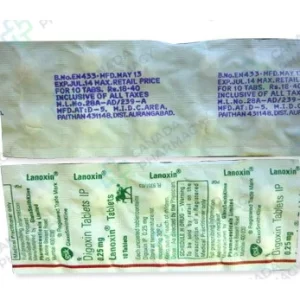
Digoxin
Price range: $ 48,00 through $ 152,00
Active substance: digoxin
More Details
This product has multiple variants. The options may be chosen on the product page
Diltiazem HCL
Price range: $ 52,00 through $ 393,00
Active substance: Diltiazem
More Details
This product has multiple variants. The options may be chosen on the product page
Duricef
Price range: $ 45,00 through $ 205,00
Active substance: cefadroxil
More Details
This product has multiple variants. The options may be chosen on the product page