

-66%
Carbocisteine
Price range: $ 45,00 through $ 65,00
Cardura
Price range: $ 40,00 through $ 313,00
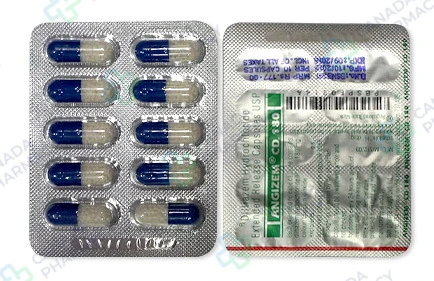
Cardizem
Price range: $ 24,00 through $ 389,00
Cardizem is a highly effective calcium channel blocker designed to manage various cardiovascular conditions. It is primarily utilized to treat hypertension, helping to lower high blood pressure and reduce the risk of associated complications. This medication is also widely indicated for the management of chronic stable angina, providing relief from chest pain by improving blood flow to the heart. By relaxing the muscles of the heart and blood vessels, Cardizem effectively decreases the heart’s workload and stabilizes the cardiac rhythm. Consistent use of this treatment supports long-term cardiovascular health and enhances overall physical endurance for patients with heart-related concerns.
Active substance: Diltiazem
Delivery: 5–21 days (depending on the shipping method)
Extra 10% discount with coupon: IT4K6SVM
Each dosage option has its own packaging choices.
Description
Cardizem belongs to a group of therapeutic agents known as non-dihydropyridine calcium channel blockers. It is a prescription medication indicated primarily for the management of chronic stable angina pectoris and angina resulting from coronary artery spasm. The active active pharmaceutical ingredient, diltiazem hydrochloride, acts directly on cardiac and vascular smooth muscle tissue to improve myocardial oxygenation and reduce peripheral vascular resistance.
Cardizem is dispensed strictly in accordance with federal and state regulations upon presentation of a valid prescription from a licensed healthcare provider. Clinical dosage regimens are individualized based on patient response, underlying cardiovascular status, and renal or hepatic performance.
| Parameter | Specification |
|---|---|
| Active ingredient (INN) | Diltiazem hydrochloride |
| Therapeutic class | Calcium channel blocker (non-dihydropyridine) |
| Dosage form | Oral tablet |
| Route of administration | Oral |
| Prescription status | Prescription only (Rx) |
| Storage conditions | Controlled room temperature 20°C to 25°C (68°F to 77°F) |
General Overview and Pharmacological Profile
How the drug works
The mechanism of action of Cardizem (diltiazem hydrochloride) involves the selective inhibition of extracellular calcium ion influx across the cell membranes of myocardial cells and vascular smooth muscle cells during membrane depolarization. By blocking voltage-dependent L-type calcium channels, diltiazem decreases intracellular calcium concentrations. This results in the relaxation of coronary vascular smooth muscle and dilation of epicardial and endocardial coronary arteries. Consequently, myocardial oxygen supply is enhanced while systemic vascular resistance and blood pressure are reduced, decreasing total cardiac workload. Furthermore, diltiazem exerts negative dromotropic effects by slowing sinoatrial (SA) and atrioventricular (AV) nodal conduction.
Main uses and dosing schedule
Main uses: Cardizem is FDA-approved for the management of chronic stable angina pectoris (effort-associated angina) and vasospastic angina (Prinzmetal’s or variant angina). In clinical practice, diltiazem formulations may also be prescribed off-label by licensed healthcare providers for ventricular rate control in atrial fibrillation or atrial flutter, as well as for Raynaud’s phenomenon, under medical monitoring.
Dosing schedule: Dosing must be titrated according to individual patient requirements. Initial therapy typically starts at 30 mg four times daily, administered before meals and at bedtime. Dosage is gradually escalated at 1- to 2-day intervals until optimum clinical response is achieved. Average therapeutic doses range from 180 mg to 360 mg daily, divided into multiple doses. The exact regimen must be established solely by a qualified clinician.
How it’s absorbed and eliminated
Diltiazem hydrochloride is rapidly and almost completely absorbed from the gastrointestinal tract following oral administration, with organic absorption exceeding 80%. However, due to extensive first-pass hepatic metabolism, the absolute bioavailability of immediate-release Cardizem is approximately 40%. Peak plasma concentrations occur within 2 to 4 hours post-ingestion. Diltiazem is 70% to 80% bound to plasma proteins, predominantly alpha-1-acid glycoprotein and albumin. The drug undergoes extensive biotransformation in the liver via the cytochrome P450 enzyme system, mainly CYP3A4, producing active metabolites such as desacetyl-diltiazem. The plasma elimination half-life ranges from 3.5 to 6 hours. Elimination occurs primarily through hepatic metabolism, with 2% to 4% excreted unchanged in urine and the remainder eliminated via biliary and renal metabolite pathways.
Safety Information and Clinical Guidance
Important precautions and side effects
Important precautions: Cardizem should be administered with caution to patients with hepatic impairment, renal dysfunction, or mild underlying conduction abnormalities. Heart rate and blood pressure must be evaluated prior to initiating therapy and monitored regularly thereafter. Cardizem is contraindicated in patients with sick sinus syndrome (except in the presence of a functioning ventricular pacemaker), second- or third-degree AV block, severe hypotension (systolic blood pressure under 90 mmHg), acute myocardial infarction, and pulmonary congestion confirmed by X-ray. Patients with underlying heart failure require careful evaluation, as diltiazem exerts negative inotropic effects that can aggravate heart muscle dysfunction.
What side effects may occur: Treatment with Cardizem may produce adverse reactions of varying frequency. Common side effects include peripheral edema (swelling of lower extremities), headache, dizziness, fatigue, nausea, bradycardia (abnormally slow heart rate), and first-degree AV block. Less frequent reactions include flushing, dyspepsia, constipation, rash, elevation of hepatic enzymes (AST, ALT, LDH), and symptomatic hypotension. Severe cutaneous reactions, including erythema multiforme and Stevens-Johnson syndrome, have been reported rarely. Patients experiencing persistent or severe reactions should notify their prescriber immediately.
Compatibility with other medicines
Diltiazem is both a substrate and a moderate inhibitor of the CYP3A4 enzyme system. Coadministration with potent CYP3A4 inhibitors (e.g., ketoconazole, clarithromycin) or inducers (e.g., rifampin) can significantly alter diltiazem serum levels. Combining Cardizem with beta-adrenergic blockers or digitalis glycosides (such as digoxin) may produce additive conduction prolongations, resulting in severe bradycardia or heart block. Diltiazem can increase plasma concentrations of HMG-CoA reductase inhibitors (statins) metabolized by CYP3A4 (such as simvastatin and lovastatin), elevating the risk of myopathy and rhabdomyolysis. Concomitant administration with cyclosporine, carbamazepine, or buspirone may increase systemic exposure to these agents, necessitating dose modifications.
What to avoid while taking it
Patients taking Cardizem should avoid consuming grapefruit or grapefruit juice, as grapefruit inhibits intestinal CYP3A4 enzymes and significantly increases diltiazem bioavailability and plasma concentrations. This interaction increases the risk of adverse effects such as severe hypotension and conduction delays. Alcohol consumption should be limited, as alcohol may potentiate the vasodilatory effects of diltiazem, causing pronounced reductions in blood pressure, dizziness, orthostatic hypotension, or lightheadedness.
Red flags
Emergency medical attention must be sought immediately if a patient experiences signs of severe toxicity or hypersensitivity. Critical warning signs include:
- Swelling of the face, lips, tongue, or throat causing difficulty breathing or swallowing.
- Severe bradycardia (unusually slow pulse) accompanied by dizziness, syncope, or loss of consciousness.
- Acute chest pain, severe palpitations, or newly developed irregular cardiac rhythms.
- Severe cutaneous eruption, hives, skin peeling, or mucosal blistering.
- Rapid, unexplained weight gain accompanied by severe swelling of the legs, ankles, or abdomen.
- Signs of hepatic dysfunction, such as jaundice (yellowing of skin or eyes), dark urine, or severe right upper quadrant abdominal pain.
If you skip a dose
If a dose of Cardizem is missed, it should be taken as soon as remembered on that day. However, if it is nearly time for the next scheduled dose, the missed dose should be skipped and the regular schedule resumed. Patients must not double the dose or take additional medication to compensate for a missed dose, as this increases the risk of severe hypotension and heart rate depression.
How to store it
Cardizem tablets should be stored at controlled room temperature between 20°C and 25°C (68°F to 77°F), with excursions permitted between 15°C and 30°C (59°F to 86°F). The container must be kept tightly closed and protected from moisture, excessive heat, and direct light exposure. Keep out of reach of children and domestic animals. Expired medication should be disposed of according to federal and state pharmaceutical disposal recommendations.
Common questions
What should patients do if their pulse or blood pressure is low prior to a dose?
If a patient records a resting heart rate below 50 to 60 beats per minute or a systolic blood pressure below 90 mmHg, the scheduled dose of Cardizem should be withheld and the prescribing physician contacted. Because diltiazem slows AV conduction and dilates blood vessels, administration under low baseline parameters may lead to symptomatic hypotension or severe bradycardia.
Can Cardizem treatment be stopped abruptly?
Abrupt cessation of Cardizem therapy should be avoided, particularly in patients treated for angina pectoris. Sudden withdrawal of calcium channel blockers can trigger rebound angina, myocardial ischemia, or acute elevations in blood pressure. Dose reductions should be conducted gradually under direct medical oversight.
How does Cardizem affect physical activity and exercise performance?
Cardizem generally improves exercise tolerance in patients with angina by increasing myocardial oxygen supply and preventing coronary vasospasm. However, because diltiazem blunts maximal exercise-induced heart rate increases, patients should consult their healthcare provider to determine safe physical activity parameters.
Are over-the-counter pain medications safe to combine with Cardizem?
Nonsteroidal anti-inflammatory drugs (NSAIDs), such as ibuprofen or naproxen, may decrease the blood pressure-lowering effect of diltiazem by promoting sodium retention and renal vascular resistance. Occasional acetaminophen use is generally preferred, but any concurrent medication should be reviewed with a pharmacist or physician.
Is peripheral swelling in the legs expected during Cardizem therapy?
Peripheral edema is a recognized pharmacological effect of calcium channel blockers resulting from precapillary vasodilation. Mild lower extremity swelling may occur. However, rapid or severe swelling accompanied by shortness of breath may indicate heart failure or fluid overload and warrants prompt medical assessment.
Source: Clinical pharmacology data and prescribing guidelines derived from U.S. Food and Drug Administration (FDA) approved drug labeling and DailyMed reference materials.
This content is informational and does not replace a consultation with your doctor or pharmacist. In accordance with FDA requirements.
Additional information
| Dosage |
30 mg ,60mg ,90 mg ,120mg ,180mg |
|---|---|
| Package |
30 pills ,60 pills ,90 pills ,120 pills ,180 pills ,270 pills ,360 pills |
| Ενεργός Ουσία |
Related products
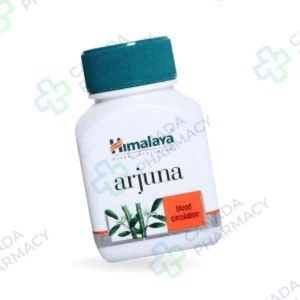
Arjuna
Price range: $ 63,00 through $ 72,00
Active substance: Arjuna (Terminalia arjuna) bark extract
More Details
This product has multiple variants. The options may be chosen on the product page
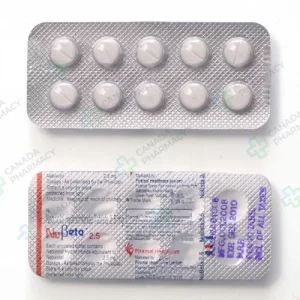
Bystolic
Price range: $ 38,00 through $ 275,00
Active substance: Nebivolol
More Details
This product has multiple variants. The options may be chosen on the product page
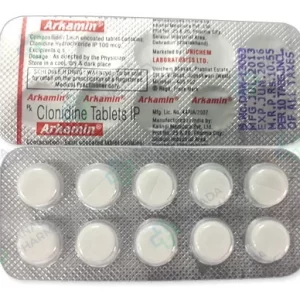
Combipres
Price range: $ 50,00 through $ 202,00
Active substance: chlorthalidone, clonidine hydrochloride
More Details
This product has multiple variants. The options may be chosen on the product page
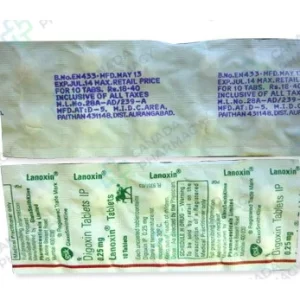
Digoxin
Price range: $ 48,00 through $ 152,00
Active substance: digoxin
More Details
This product has multiple variants. The options may be chosen on the product page
Diltiazem
Price range: $ 49,00 through $ 590,00
Active substance: Diltiazem
More Details
This product has multiple variants. The options may be chosen on the product page
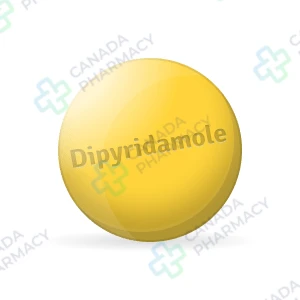
Dipyridamole
Price range: $ 43,00 through $ 257,00
Active substance: Dipyridamole
More Details
This product has multiple variants. The options may be chosen on the product page
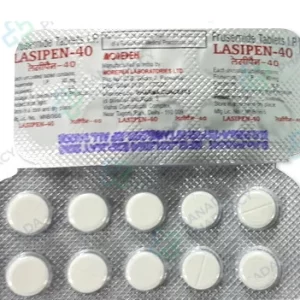
Furosemide
Price range: $ 46,00 through $ 193,00
Active substance: furosemide
More Details
This product has multiple variants. The options may be chosen on the product page
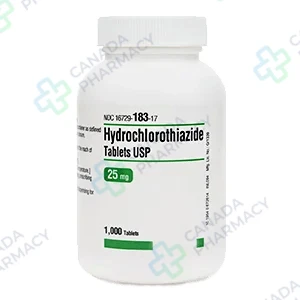
Hydrochlorothiazide
Price range: $ 24,00 through $ 139,00
Active substance: hydrochlorothiazide
More Details
This product has multiple variants. The options may be chosen on the product page