

-21%
Diflucan
Price range: $ 51,00 through $ 854,00
Dilantin
Price range: $ 43,00 through $ 171,00
Digoxin
Price range: $ 48,00 through $ 152,00
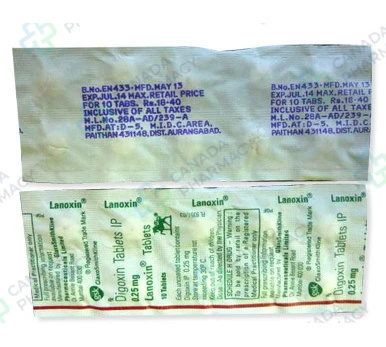
Digoxin is a widely used cardiac glycoside designed to support cardiovascular health by improving heart function. It is primarily indicated for the treatment of congestive heart failure, helping the heart muscle pump blood more efficiently. This medication also helps manage certain types of irregular heartbeats, such as chronic atrial fibrillation, by regulating the heart rate. By strengthening the force of each heartbeat, Digoxin assists in maintaining a steady and healthy circulation throughout the body. Patients often experience a reduction in symptoms like fatigue and shortness of breath, leading to an improved quality of daily life.
Active substance: digoxin
Delivery: 5–21 days (depending on the shipping method)
Extra 10% discount with coupon: IT4K6SVM
Each dosage option has its own packaging choices.
Description
Digoxin belongs to a class of cardiac glycosides derived from the digitalis plant. In the United States, it is a prescription-only medication approved by the Food and Drug Administration (FDA) for managing heart failure and controlling ventricular rate in patients with chronic atrial fibrillation.
Because digoxin possesses a narrow therapeutic index, accurate dosing and blood concentration monitoring are necessary to achieve therapeutic efficacy while avoiding clinical toxicity. The medication is available in oral tablet, oral solution, and injectable dosage forms dispensed in strict accordance with federal and state regulations.
| Parameter | Details |
|---|---|
| Active ingredient | Digoxin |
| Therapeutic class | Cardiac glycosides (AHFS Classification) |
| Dosage form | Oral tablet, oral solution, solution for injection |
| Route of administration | Oral, Intravenous |
| Prescription status | Prescription (Rx only) |
| Primary purpose | Management of heart failure and ventricular rate control in atrial fibrillation |
Clinical Overview and Usage
Main uses
Digoxin is indicated for the treatment of mild-to-moderate heart failure in adults, where it improves systemic hemodynamics, increases left ventricular ejection fraction, and alleviates symptoms such as dyspnea and fatigue. It is also FDA-approved to control the ventricular response rate in adult patients with chronic atrial fibrillation or atrial flutter. In pediatric populations, digoxin is prescribed for heart failure secondary to congenital heart disease or fluid overload. Clinical usage in non-approved conditions, such as off-label management of fetal supraventricular tachycardia during pregnancy, requires specialized maternal-fetal expert supervision. The drug is typically integrated into a comprehensive therapeutic regimen alongside diuretics and angiotensin-converting enzyme (ACE) inhibitors.
How the drug works
The primary pharmacological mechanism of action of digoxin involves the reversible inhibition of the sodium-potassium adenosine triphosphatase (Na+/K+ ATPase) enzyme complex in cardiac myocytes. By inhibiting this pump, digoxin increases intracellular sodium concentrations, which subsequently reduces sodium-calcium exchange. This results in an increased influx and intracellular accumulation of calcium ions within the sarcoplasmic reticulum, leading to enhanced cardiac myofibrillar contractility, known as a positive inotropic effect. Concurrently, digoxin exerts a vagotonic effect on the autonomic nervous system. It increases vagal tone and delays conduction velocity through the atrioventricular (AV) node, producing a negative chronotropic effect that effectively slows the ventricular rate during supraventricular tachycardias.
Dosing schedule
Dosing of digoxin must be individualized based on the patient’s lean body mass, age, renal function, serum electrolyte levels, and concomitant medications. Oral tablets are commonly administered once daily in doses ranging from 0.125 mg to 0.25 mg for adult maintenance therapy, though lower starting doses (such as 0.0625 mg) are frequently selected for elderly patients or individuals with impaired renal clearance. Rapid digitalizing regimens involving split loading doses may be utilized in controlled clinical settings. Administration should occur consistently with respect to timing each day. Dosing adjustments rely heavily on therapeutic drug monitoring, targeting serum digoxin trough concentrations typically between 0.5 ng/mL and 0.9 ng/mL for heart failure patients.
What happens in the body
Following oral administration of digoxin tablets, peak serum concentrations occur within 1 to 3 hours, with systemic bioavailability ranging from 60% to 80%. Digoxin is extensively distributed into tissue reservoirs, particularly skeletal muscle and the myocardium, resulting in a large volume of distribution (approximately 6 to 7 L/kg). The drug undergoes minimal hepatic metabolism (approximately 16%) and is primarily excreted unchanged by the kidneys via glomerular filtration and active tubular secretion. In patients with normal renal function, the elimination half-life of digoxin ranges from 36 to 48 hours. However, in individuals with severe renal impairment or anuria, the half-life can be prolonged significantly to 3.5 to 5 days, markedly increasing the risk of drug accumulation.
Food and alcohol interactions
High-fiber meals can decrease the rate and extent of oral digoxin absorption; therefore, patients should avoid consuming large quantities of dietary fiber simultaneously with their medication dose. Alcohol consumption does not directly alter digoxin pharmacokinetics, but chronic alcohol use can impair cardiac function, exacerbate arrhythmias, and cause electrolyte imbalances such as hypomagnesemia. Maintaining steady dietary intake of potassium is important, as potassium depletion enhances digoxin binding to cardiac tissues and heightens toxicity risks. Patients taking dietary supplements or herbal products, such as St. John’s wort, should consult their provider, as these substances can alter drug levels.
Compatibility with other medicines
Digoxin interacts with numerous pharmaceutical agents due to its reliance on P-glycoprotein transporters and renal clearance pathways. Co-administration of antiarrhythmic agents like amiodarone, quinidine, or propafenone can double serum digoxin concentrations, necessitating a dose reduction of digoxin by 30% to 50%. Calcium channel blockers, particularly verapamil, and macrolide antibiotics such as clarithromycin also elevate digoxin blood levels significantly. Non-potassium-sparing loop and thiazide diuretics increase the risk of hypokalemia and hypomagnesemia, which sensitizes the myocardium to digoxin-induced arrhythmias. Conversely, antacids, bile acid sequestrants (like cholestyramine), and metoclopramide can decrease oral absorption when taken concurrently.
Practical tips for day-to-day use
Establishing a consistent daily routine is essential for safe digoxin therapy. Patients should take their dose at the same time each day to maintain stable plasma levels. It is advisable to learn how to check a pulse rate prior to taking the medication; prescribers often provide guidelines regarding pulse thresholds (such as holding a dose if the resting heart rate drops below 60 beats per minute). Keeping a dedicated tracking log for blood pressure, pulse, and laboratory monitoring appointments helps ensure treatment safety. Using a standardized pill organizer helps prevent accidental double-dosing or missed doses.
Safety, Interactions, and Practical Care
Special populations
Geriatric patients require careful monitoring and reduced dosages due to age-related declines in glomerular filtration rate and reduced lean muscle mass. Pediatric dosing is strictly weight-based and calculated by pediatric cardiologists. During pregnancy, digoxin crosses the placenta; while designated as a category for use when clinical benefits outweigh potential fetal risks, altered plasma volume and renal clearance during pregnancy may necessitate frequent serum concentration monitoring. Digoxin is excreted into breast milk in low concentrations, and decisions regarding nursing should be made in consultation with a physician, assessing potential infant exposure and overall maternal therapy necessity.
Important precautions
Digoxin possesses a narrow margin of safety, meaning the therapeutic dose is close to the toxic dose. Prescribers must evaluate baseline renal function, serum electrolytes (potassium, magnesium, calcium), and thyroid status before initiating therapy. Hypokalemia, hypomagnesemia, hypercalcemia, hypoxia, and severe renal insufficiency significantly increase susceptibility to digitalis toxicity. Digoxin is contraindicated in patients with ventricular fibrillation or known hypersensitivity to digitalis preparations. Patients with sinus node dysfunction, incomplete AV block, or acute myocardial infarction require extreme caution, as digoxin can exacerbate sinus bradycardia, conduction delays, or ischemic myocardial instability.
Adverse reactions
Common adverse reactions associated with digoxin include gastrointestinal disturbances such as anorexia, nausea, vomiting, abdominal pain, and diarrhea. Central nervous system effects may present as headaches, fatigue, generalized muscle weakness, dizziness, apathy, and mental confusion. Visual disturbances are characteristic of elevated drug levels and include blurred vision, yellow-green color halos (xanthopsia), or photophobia. The most critical adverse effects involve cardiac dysrhythmias, including ventricular premature contractions, unifocal or multifocal ventricular tachycardia, atrioventricular block, and sinus bradycardia. Gastrointestinal or neurological symptoms often serve as early indicators of impending digitalis toxicity.
Red flags requiring immediate medical attention
Immediate medical evaluation is necessary if signs of acute digoxin toxicity develop. Patients or caregivers must seek emergency care if any of the following occurrences take place:
- Severe nausea, persistent vomiting, or complete loss of appetite.
- Visual changes, such as seeing yellow-green tints, halos around lights, or blurred vision.
- Symptomatic slow heartbeat (bradycardia), chest pain, or irregular, fluttering heartbeats.
- Severe dizziness, fainting spells (syncope), or sudden onset of confusion.
- Unusual weakness or extreme lethargy that impairs daily functioning.
Common questions
What should be done if a scheduled dose of digoxin is missed?
If a dose is missed, it should be taken as soon as remembered, provided it is within 12 hours of the scheduled time. If more than 12 hours have elapsed, the missed dose should be skipped entirely, and the normal dosing schedule resumed. Patients must never double a dose to make up for a missed tablet, as this significantly increases the risk of toxicity.
Why is periodic blood testing required while taking digoxin?
Blood tests are performed to monitor serum digoxin levels, renal function (serum creatinine and blood urea nitrogen), and electrolyte concentrations (potassium, magnesium, calcium). Therapeutic drug monitoring ensures that blood concentrations stay within the narrow therapeutic range (typically 0.5 to 0.9 ng/mL for heart failure), thereby maximizing clinical efficacy and minimizing the risk of adverse cardiotoxic events.
Can digoxin be discontinued abruptly without consulting a physician?
Digoxin therapy should not be stopped suddenly unless advised by a prescribing healthcare professional. Abrupt cessation can lead to a rapid worsening of heart failure symptoms, such as severe shortness of breath or fluid retention, or a loss of ventricular rate control in patients with atrial fibrillation.
How do electrolyte levels affect digoxin safety in the body?
Electrolytes, particularly potassium and magnesium, play a pivotal role in regulating digoxin binding to myocardial cells. Low levels of potassium (hypokalemia) or magnesium (hypomagnesemia) enhance digoxin’s binding affinity to cardiac Na+/K+ ATPase, which dramatically elevates the risk of toxic cardiac arrhythmias even when digoxin blood levels appear within the normal reference range.
This text is for informational purposes only and does not constitute individual medical advice. In accordance with FDA requirements.
Additional information
| Dosage |
0.25mg |
|---|---|
| Package |
90 pills ,120 pills ,180 pills ,270 pills ,360 pills |
| Ενεργός Ουσία |
Related products
Aceon
Price range: $ 51,00 through $ 491,00
Active substance: erbumine, perindopril
More Details
This product has multiple variants. The options may be chosen on the product page
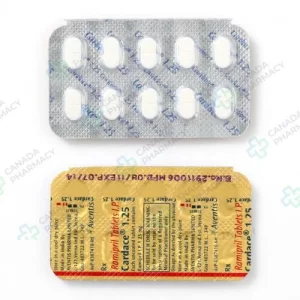
Altace
Price range: $ 40,00 through $ 322,00
Active substance: Ramipril
More Details
This product has multiple variants. The options may be chosen on the product page

Betapace
Price range: $ 9,00 through $ 260,00
Active substance: Sotalol
More Details
This product has multiple variants. The options may be chosen on the product page

Capoten
Price range: $ 42,00 through $ 323,00
Active substance: Captopril
More Details
This product has multiple variants. The options may be chosen on the product page
Diltiazem
Price range: $ 49,00 through $ 590,00
Active substance: Diltiazem
More Details
This product has multiple variants. The options may be chosen on the product page
Doxazosin
Price range: $ 42,00 through $ 332,00
Active substance: Doxazosin
More Details
This product has multiple variants. The options may be chosen on the product page

Ecosprin
Price range: $ 19,00 through $ 57,00
Active substance: aspirin
More Details
This product has multiple variants. The options may be chosen on the product page
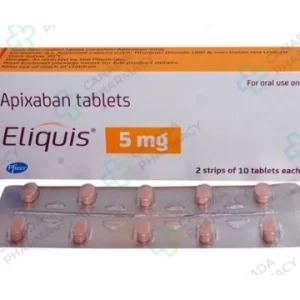
Eliquis
Price range: $ 60,00 through $ 320,00
Active substance: Apixaban
More Details
This product has multiple variants. The options may be chosen on the product page