

-33%
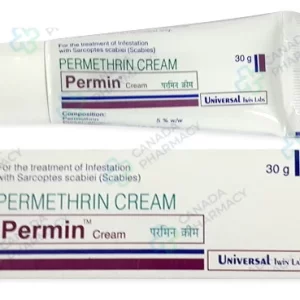
Elimite
Price range: $ 44,00 through $ 92,00
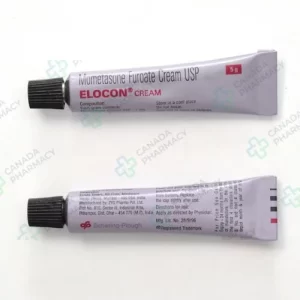
Elocon
Price range: $ 40,00 through $ 190,00
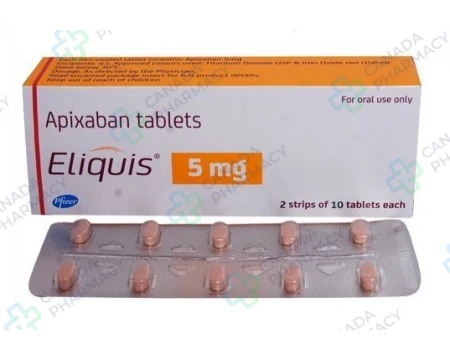
Eliquis
Price range: $ 60,00 through $ 320,00
Eliquis is a widely used anticoagulant medication designed to reduce the risk of stroke and blood clots in individuals with non-valvular atrial fibrillation. It is also an effective treatment option for patients diagnosed with deep vein thrombosis (DVT) or pulmonary embolism (PE). Additionally, this medication is indicated to help prevent the recurrence of blood clots following initial therapy for DVT and PE. Patients recovering from hip or knee replacement surgery often use Eliquis to lower the risk of developing post-surgical blood clots in the legs and lungs. By targeting specific clotting factors in the blood, Eliquis provides a reliable way to manage cardiovascular health and maintain healthy circulation.
Active substance: Apixaban
Delivery: 5–21 days (depending on the shipping method)
Extra 10% discount with coupon: IT4K6SVM
Each dosage option has its own packaging choices.
Description
Eliquis belongs to a class of cardiovascular medications known as direct oral anticoagulants (DOACs), specifically acting as a selective factor Xa inhibitor. It is a prescription-only oral medication indicated to reduce the risk of arterial and venous thromboembolic events in adult patients. Administration of this agent requires direct clinical supervision and ongoing evaluation of individual patient risk factors by a qualified healthcare provider.
Eliquis is dispensed strictly in accordance with applicable US federal and state regulations. Patients prescribed this medication must follow precise dosing schedules to balance anticoagulation efficacy against potential hemorrhagic risks.
| Drug Name | Eliquis |
| Active Ingredient | Apixaban |
| Therapeutic Class | Direct-acting oral anticoagulant (Factor Xa inhibitor) |
| Dosage Form | Oral tablet (2.5 mg, 5 mg) |
| Route of Administration | Oral |
| Prescription Status | Prescription only (Rx) |
Pharmacological Profile and Clinical Applications
Mechanism of Action
Apixaban, the active ingredient in Eliquis, is an orally active, highly selective, direct, and reversible inhibitor of free and clot-bound factor Xa, as well as prothrombinase activity. Factor Xa is the primary point of convergence in both the intrinsic and extrinsic coagulation cascades, playing an essential role in the enzymatic conversion of prothrombin (Factor II) into thrombin (Factor IIa). Thrombin subsequently facilitates the conversion of soluble fibrinogen into insoluble fibrin polymers, leading to physiological blood clot formation. By directly blocking factor Xa without requiring an antithrombin III cofactor, Eliquis decreases thrombin generation and suppresses downstream fibrin clot development. While it does not directly alter platelet aggregation, it indirectly inhibits thrombin-induced platelet recruitment.
How It is Absorbed and Eliminated (Pharmacokinetics)
The absolute oral bioavailability of apixaban is approximately 50% for dose strengths up to 10 mg. Peak plasma concentrations (Cmax) are typically attained within 3 to 4 hours following oral administration. Apixaban exhibits linear pharmacokinetics with dose-proportional increases in systemic exposure up to single doses of 10 mg. The mean elimination half-life in healthy subjects is approximately 12 hours (typically ranging between 8 and 15 hours, depending on renal function and age). Metabolism occurs primarily via hepatic CYP3A4/5 pathways, with minor contributions from CYP1A2, CYP2C8, CYP2C9, CYP2C19, and CYP2J2. Clearance occurs through multiple pathways: renal excretion accounts for roughly 27% of total clearance, while biliary and direct intestinal excretion handle the remainder. Apixaban functions as a substrate for transport proteins P-glycoprotein (P-gp) and Breast Cancer Resistance Protein (BCRP).
Main Uses and Indications
Eliquis is FDA-approved for specific cardiovascular and hematological conditions in adult populations:
- Nonvalvular Atrial Fibrillation (NVAF): Reduction of the risk of stroke and systemic embolism.
- Post-Surgical DVT/PE Prophylaxis: Prophylaxis of deep vein thrombosis (DVT), which may lead to pulmonary embolism (PE), in patients who have undergone elective hip or knee replacement surgery.
- DVT and PE Treatment: Treatment of acute deep vein thrombosis and pulmonary embolism.
- Reduction of Recurrent DVT and PE: Long-term reduction in the risk of recurrent DVT and PE following initial anticoagulant therapy.
Any use of Eliquis outside of these FDA-approved indications–such as anticoagulation in patients with mechanical prosthetic heart valves or triple-positive antiphospholipid syndrome–is considered off-label, is not recommended, and lacks established therapeutic safety profiles.
Dosing, Interactions, and Safety Guidelines
Dosing Schedule and Administration
The standard dosage of Eliquis depends directly upon the target indication and individual clinical parameters. For NVAF, the standard dosage is 5 mg administered orally twice daily. A reduced dosage of 2.5 mg twice daily is indicated for patients presenting with at least two of the following clinical characteristics: age 80 years or older, body weight 60 kg or less, or serum creatinine 1.5 mg/dL or greater. For acute DVT and PE treatment, the standard dosing regimen begins with 10 mg twice daily for the first 7 days, followed by 5 mg twice daily thereafter. Patients must adhere strictly to the dosing schedule determined by their prescriber and should not adjust or discontinue therapy without medical guidance.
If You Skip a Dose
If a dose of Eliquis is missed, the patient should take the tablet immediately upon remembering on the same calendar day. Following administration of the missed dose, the regular twice-daily schedule should be resumed as previously planned. Double doses should never be taken at the same time to compensate for a missed tablet, as doing so significantly elevates the concentration of active drug in the circulatory system and increases bleeding risks.
Safety Profile, Warnings, and Adverse Reactions
Important Precautions and Boxed Warnings
Eliquis carries boxed warnings regarding premature discontinuation and spinal/epidural hematoma risk. Discontinuing Eliquis prematurely without transitioning to an alternative anticoagulant increases the risk of thrombotic events, such as ischemic stroke. When neuraxial anesthesia (spinal/epidural anesthesia) or spinal puncture is performed, patients receiving factor Xa inhibitors are at risk of developing an epidural or spinal hematoma, which can lead to long-term or permanent paralysis. Prescribers must evaluate timing and renal clearance before performing invasive spinal interventions.
Adverse Reactions
The primary adverse effect associated with Eliquis is bleeding. Minor bleeding incidents include epistaxis (nosebleeds), gingival bleeding, easy bruising, and prolonged oozing from superficial cuts. Severe adverse reactions include gastrointestinal hemorrhage, intracranial hemorrhage, gross hematuria, and retroperitoneal bleeding. Systemic hypersensitivity reactions, including cutaneous rash, anaphylaxis, and facial edema, have been reported in post-marketing surveillance.
Compatibility with Other Medicines (Drug Interactions)
Co-administration of Eliquis with strong dual inhibitors of CYP3A4 and P-gp (such as ketoconazole, itraconazole, or ritonavir) increases apixaban exposure, requiring dose reduction or avoidance depending on base dosage. Concomitant use with strong dual inducers of CYP3A4 and P-gp (such as rifampin, carbamazepine, phenytoin, or St. John’s Wort) significantly decreases plasma concentrations, increasing thrombotic risk. Simultaneous administration of other anticoagulants, antiplatelet agents (e.g., aspirin, clopidogrel), nonsteroidal anti-inflammatory drugs (NSAIDs), or selective serotonin reuptake inhibitors (SSRIs) markedly increases the risk of serious bleeding events.
What to Avoid While Taking It (Food and Alcohol)
Eliquis may be taken with or without food, as food intake does not produce clinically significant alterations in total drug absorption or peak concentration. However, concomitant alcohol consumption should be strictly minimized or avoided under medical supervision. Alcohol can cause gastrointestinal mucosal irritation and alter baseline hepatic clearance, increasing the likelihood of upper gastrointestinal bleeding when combined with systemic anticoagulation.
Special Populations
In patients with severe renal impairment (creatinine clearance under 15 mL/min) or end-stage renal disease receiving hemodialysis, clinical data are limited, requiring careful risk-benefit estimation. Eliquis is not recommended in patients with severe hepatic impairment (Child-Pugh Class C) due to baseline coagulopathy risks. Safety and effectiveness have not been established in pediatric patients under 18 years of age. Pregnant or nursing women should use Eliquis only if the potential therapeutic benefit clearly outweighs potential fetal or infant risk.
Storage and Expiration
Eliquis tablets should be stored at room temperature between 20°C and 25°C (68°F to 77°F), with permitted excursions between 15°C and 30°C (59°F to 86°F) per USP Controlled Room Temperature guidelines. Store tablets in their original packaging, away from excessive moisture, heat, and direct sunlight. Discard any unused medication that has exceeded its labeled expiration date, and store strictly out of reach of children and pets.
Common Questions
Does Eliquis require routine laboratory monitoring of blood coagulation levels?
Unlike traditional vitamin K antagonists such as warfarin, Eliquis does not require routine laboratory monitoring of the International Normalized Ratio (INR) or prothrombin time (PT). Its predictable pharmacokinetics and stable dose-response profile permit fixed dosing regimens without routine therapeutic drug monitoring under standard clinical circumstances.
Can Eliquis tablets be crushed if a patient has difficulty swallowing?
For patients who cannot swallow whole tablets, Eliquis tablets may be crushed and suspended in water, 5% dextrose in water (D5W), or apple juice, or mixed into applesauce, and administered orally immediately after preparation. Crushed tablets remain stable in these liquids or foods for immediate ingestion.
What should be done prior to undergoing elective surgical or dental procedures?
Eliquis should be temporarily discontinued prior to elective surgery or invasive dental procedures to minimize bleeding complications. The precise duration of treatment interruption depends on the surgical bleeding risk and individual renal clearance, typically ranging from 24 to 48 hours prior to the procedure as determined by the prescribing provider.
Are there dietary restrictions, such as avoiding vitamin K-rich foods, while taking Eliquis?
No, Eliquis does not interact with dietary vitamin K. Patients taking Eliquis do not need to restrict or adjust their dietary intake of green leafy vegetables or other vitamin K-dense foods, unlike individuals undergoing therapy with warfarin.
What signs of severe bleeding require immediate emergency medical care?
Immediate emergency evaluation is necessary if patients experience unusual or unmanageable bleeding, blood in the urine (pink, red, or brown), red or black tarry stools, coughing up blood, vomiting material resembling coffee grounds, unexplained severe dizziness, or sudden numbness and weakness.
Always consult your healthcare provider before starting or changing any treatment. In accordance with FDA requirements.
Additional information
| Dosage |
2.5mg ,5mg |
|---|---|
| Package |
10 pills ,20 pills ,30 pills ,60 pills |
| Ενεργός Ουσία |
Related products
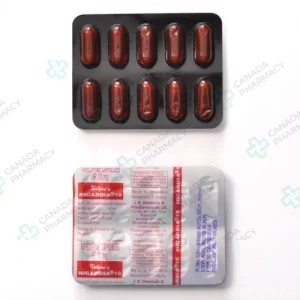
Adalat
Price range: $ 41,00 through $ 267,00
Active substance: Nifedipine
More Details
This product has multiple variants. The options may be chosen on the product page
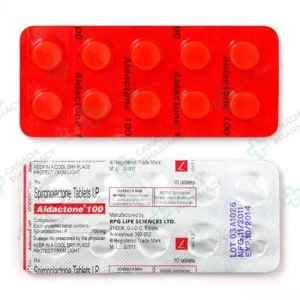
Aldactone
Price range: $ 33,00 through $ 345,00
Active substance: Spironolactone
More Details
This product has multiple variants. The options may be chosen on the product page
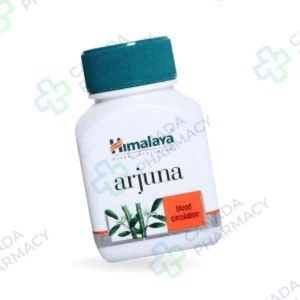
Arjuna
Price range: $ 63,00 through $ 72,00
Active substance: Arjuna (Terminalia arjuna) bark extract
More Details
This product has multiple variants. The options may be chosen on the product page
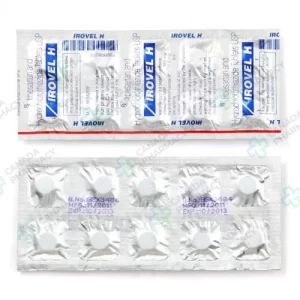
Avalide
Price range: $ 66,00 through $ 333,00
Active substance: Irbesartan
More Details
This product has multiple variants. The options may be chosen on the product page
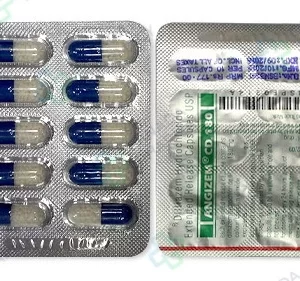
Cardizem
Price range: $ 24,00 through $ 389,00
Active substance: Diltiazem
More Details
This product has multiple variants. The options may be chosen on the product page
Coreg
Price range: $ 41,00 through $ 651,00
Active substance: Carvedilol
More Details
This product has multiple variants. The options may be chosen on the product page
Doxazosin
Price range: $ 42,00 through $ 332,00
Active substance: Doxazosin
More Details
This product has multiple variants. The options may be chosen on the product page
Frumil
Price range: $ 43,00 through $ 202,00
Active substance: Amiloride, furosemide
More Details
This product has multiple variants. The options may be chosen on the product page