

-61%

Fosfomycin
Price range: $ 42,00 through $ 336,00
Fucidin cream
Price range: $ 14,00 through $ 73,00
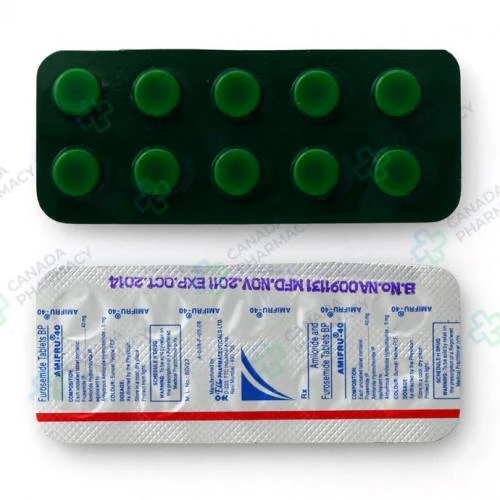
Frumil
Price range: $ 43,00 through $ 202,00
Frumil is a potent combination medication primarily used to manage high blood pressure and reduce excess fluid buildup in the body. It effectively combines two diuretic agents, Furosemide and Amiloride, to help the kidneys eliminate sodium and water. By pairing these ingredients, the formula assists in maintaining a healthy electrolyte balance by preventing excessive potassium loss during treatment. This medication is commonly utilized for patients suffering from congestive heart failure or edema associated with liver and kidney concerns. Regular use helps alleviate symptoms like swelling in the limbs and shortness of breath, contributing to better overall cardiovascular health.
Active substance: Amiloride, furosemide
Delivery: 5–21 days (depending on the shipping method)
Extra 10% discount with coupon: IT4K6SVM
Each dosage option has its own packaging choices.
Description
Frumil belongs to a class of combination cardiovascular medications containing a loop diuretic and a potassium-sparing agent. It is utilized to manage fluid overload and swelling associated with conditions such as congestive heart failure and hepatic impairment, while helping maintain serum potassium homeostasis.
This medication is dispensed in accordance with applicable federal and state regulations upon presentation of a valid prescription from a licensed healthcare provider. Proper administration requires careful medical oversight and periodic monitoring of fluid and electrolyte balances.
| Attribute | Details |
|---|---|
| Drug name | Frumil |
| Active ingredients (INN) | Furosemide, Amiloride Hydrochloride |
| Therapeutic class | Combination Diuretic (Loop and Potassium-Sparing) |
| Dosage form | Oral tablet |
| Route of administration | Oral |
| Primary purpose | Management of edema and fluid retention |
| Prescription status | Dispensed in accordance with applicable federal and state regulations |
Clinical Features and Therapeutic Use
Main uses
Frumil is indicated for the management of edema associated with congestive heart failure, hepatic cirrhosis with ascites, and certain renal conditions. Fluid retention occurs when excess extracellular fluid accumulates in peripheral tissues or abdominal cavities due to altered hemodynamics. The combination formulation is specifically selected when a patient requires significant diuresis while simultaneously being at risk for hypokalemia (low serum potassium levels) caused by loop diuretic therapy alone. By counterbalancing potassium excretion, the formulation helps maintain electrolyte equilibrium in patients suffering from recurrent swelling or fluid overload, particularly those stabilized on long-term cardiac or hepatic treatment plans under clinical monitoring.
How the drug works
The pharmacologic action of Frumil results from the synergistic interplay of its two active constituents: furosemide and amiloride hydrochloride. Furosemide acts primarily along the thick ascending limb of the loop of Henle in the nephron, where it inhibits the luminal sodium-potassium-2-chloride (Na+/K+/2Cl-) cotransport system. This leads to marked inhibition of sodium and chloride reabsorption, causing substantial excretion of water, sodium, chloride, and potassium. Conversely, amiloride acts on the distal convoluted tubule and cortical collecting duct by inhibiting epithelial sodium channels (ENaC). This reduces electrogenic sodium reabsorption and decreases the lumen-negative potential, thereby blunting potassium and hydrogen ion secretion. Together, these mechanisms produce effective fluid clearance while lessening the net potassium wasting typically induced by high-ceiling loop diuretics.
Dosing schedule
Dosing schedules for Frumil are strictly individualized by a qualified prescribing physician based on the underlying etiology of fluid retention, renal function, baseline serum electrolyte values, and individual therapeutic response. The oral tablet is generally administered once daily in the morning with water to minimize nocturnal diuresis and sleep disruption. Physicians typically initiate therapy at the lowest effective dose necessary to achieve gradual weight loss and reduction in tissue swelling. Dosing adjustments may be executed incrementally following laboratory evaluation of renal function and electrolyte parameters. Patients must not alter their assigned schedule, skip doses, or double their daily intake without explicit medical consultation and diagnostic re-evaluation.
How it’s absorbed and eliminated
Following oral administration, the components of Frumil exhibit distinct absorption, distribution, and elimination profiles. Furosemide is rapidly absorbed from the gastrointestinal tract, achieving peak plasma concentrations within 1 to 2 hours post-dose, with an onset of diuretic effect observed within approximately 60 minutes and a duration of action lasting roughly 6 to 8 hours. Furosemide undergoes minimal hepatic metabolism and is predominantly eliminated unchanged via renal excretion through active tubular secretion. Amiloride hydrochloride is absorbed more slowly, with peak serum concentrations occurring approximately 3 to 4 hours after oral ingestion and a longer duration of action extending up to 24 hours. Amiloride is not significantly metabolized in the liver and is eliminated primarily unchanged in urine and feces, exhibiting an elimination half-life that varies based on individual renal clearance capacity.
Safety Profile and Administration Guidelines
Adverse reactions
Treatment with Frumil can lead to systemic adverse events requiring clinical monitoring. Frequently reported side effects involve electrolyte and metabolic disturbances, such as hyperkalemia, hypokalemia, hyponatremia, hypochloremic alkalosis, hyperuricemia, and elevated blood urea nitrogen (BUN). Patients may experience orthostatic hypotension, dizziness, lightheadedness, or headache due to rapid intravascular volume contraction. Gastrointestinal disturbances including nausea, vomiting, abdominal cramps, diarrhea, or constipation have also been documented. Hypersensitivity reactions may manifest as dermatologic rashes, pruritus, or photosensitivity. Rare but serious adverse effects include ototoxicity (hearing impairment or tinnitus, primarily associated with rapid furosemide accumulation), blood dyscrasias, and acute renal impairment. Persistent or worsening adverse symptoms warrant prompt medical review.
Important precautions
Caution is essential when prescribing Frumil to elderly patients, individuals with pre-existing renal impairment, or patients diagnosed with diabetes mellitus, as these populations face heightened risks of developing severe hyperkalemia or electrolyte imbalances. The medication is contraindicated in patients with severe progressive renal failure, anuria, severe hepatic coma, baseline hyperkalemia, or known hypersensitivity to sulfonamides or amiloride. Periodic laboratory evaluation of serum electrolytes, blood urea nitrogen, creatinine, and uric acid is mandatory throughout therapy. Patients must inform their healthcare provider of any pre-existing metabolic disorders before initiating treatment. Use during pregnancy or breastfeeding requires careful risk-benefit analysis by a physician, as loop diuretics can decrease placental perfusion and transfer into breast milk.
Compatibility with other medicines
Frumil exhibits clinically significant interactions with several classes of pharmaceutical agents. Concomitant administration with angiotensin-converting enzyme (ACE) inhibitors, angiotensin II receptor blockers (ARBs), or potassium supplements drastically elevates the risk of life-threatening hyperkalemia. Nonsteroidal anti-inflammatory drugs (NSAIDs) may diminish the diuretic and antihypertensive efficacy of furosemide while increasing the risk of nephrotoxicity. Co-administration with lithium can reduce renal lithium clearance, leading to elevated serum lithium concentrations and potential toxicity. Furthermore, administration alongside cardiac glycosides such as digoxin requires rigorous electrolyte monitoring, as fluctuations in serum potassium or magnesium alter cardiac sensitivity and increase the risk of digitalis toxicity. Aminoglycoside antibiotics and ototoxic drugs should be used with extreme caution due to potential additive auditory system risks.
What to avoid while taking it
Certain dietary practices and substances must be managed cautiously while taking Frumil. Alcohol consumption should be avoided or strictly minimized, as ethanol can potentiate the blood pressure-lowering effect of the medication, increasing the incidence of orthostatic dizziness, lightheadedness, or syncope. Dietary potassium intake requires careful oversight; patients should consult their provider before using potassium-based salt substitutes or consuming high-potassium foods, as amiloride reduces renal potassium excretion. Maintaining adequate hydration is necessary, but fluid intake limits should be strictly followed if specifically prescribed by a physician for conditions such as heart failure or severe hyponatremia.
Signs of improvement
Evaluating the therapeutic efficacy of Frumil involves monitoring physical signs and objective physiological measurements. Indications of a favorable response include a noticeable reduction in peripheral swelling in the lower extremities, decreased abdominal distension in patients with ascites, and diminished shortness of breath during exertion in individuals with cardiac congestion. Daily body weight tracking serves as an objective marker of fluid clearance; steady, controlled weight loss typically reflects successful fluid excretion. Improved tolerance for daily physical activities and stabilized blood pressure readings also indicate effective fluid volume management, though lab monitoring remains necessary to verify electrolyte stability.
If you skip a dose
If a scheduled dose of Frumil is omitted, it should be taken as soon as remembered on the same day, provided it is not late in the evening. Taking diuresis-inducing medications late in the day may cause nighttime urination and interrupt rest. If the time is close to the next scheduled morning dose, the missed dose should be skipped entirely, and the normal dosing regimen resumed. Patients should never double the dose or take extra tablets to compensate for a missed administration, as this significantly increases the risk of acute dehydration, hypotension, and electrolyte disturbances.
Storage and expiration
Frumil tablets must be stored at controlled room temperature, ideally between 68°F and 77°F (20°C to 25°C), with permitted excursions between 59°F and 86°F (15°C to 30°C). The product should be kept in its original container, tightly closed, and protected from excessive light, heat, and moisture. Storage in humid environments such as bathroom cabinets is not recommended. Expiration dates printed on the packaging must be strictly observed; expired medications should be safely discarded according to local environmental and pharmaceutical disposal guidelines, out of reach of children and pets.
Common questions
How long does it take for Frumil to induce urination after taking a dose?
Diuretic action typically begins within 60 minutes after oral ingestion, with peak fluid excretion occurring between 1 and 3 hours. Patients are advised to plan daily activities and fluid intake accordingly.
Is it safe to drive or operate heavy machinery while taking Frumil?
Caution is advised, particularly during initial treatment or following dosage adjustments. Dizziness, drowsiness, or postural hypotension may occur, which can temporarily impair physical alertness and reaction times.
Can Frumil cause muscle cramps or joint pain?
Yes, shifts in fluid balance and serum concentrations of electrolytes such as sodium, potassium, or magnesium can trigger muscle cramps or weakness. Additionally, elevated serum uric acid levels can occasionally precipitate joint pain or gout symptoms.
What should I do if I experience persistent thirst or severe dry mouth?
Persistent dry mouth or intense thirst can indicate rapid fluid loss or dehydration. You should notify your prescribing physician, who may evaluate your volume status and adjust your treatment regimen or fluid intake recommendations.
Should I follow a low-sodium diet while taking this medication?
Dietary sodium recommendations are individualized based on the underlying medical condition, such as heart failure or hypertension. Prescribing physicians often recommend moderate sodium restriction to complement diuretic therapy, but changes should only be made under medical guidance.
In accordance with FDA requirements.
This text is for informational purposes only and does not constitute individual medical advice.
Additional information
| Dosage |
5mg+40mg |
|---|---|
| Package |
30 pills ,60 pills ,90 pills ,120 pills ,180 pills ,270 pills ,360 pills |
| Ενεργός Ουσία | , |
Related products
Altace
Price range: $ 40,00 through $ 322,00
Active substance: Ramipril
More Details
This product has multiple variants. The options may be chosen on the product page
Betapace
Price range: $ 9,00 through $ 260,00
Active substance: Sotalol
More Details
This product has multiple variants. The options may be chosen on the product page
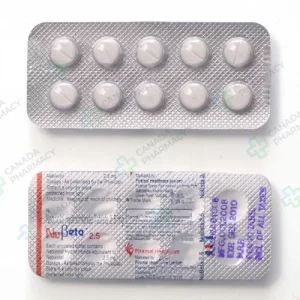
Bystolic
Price range: $ 38,00 through $ 275,00
Active substance: Nebivolol
More Details
This product has multiple variants. The options may be chosen on the product page
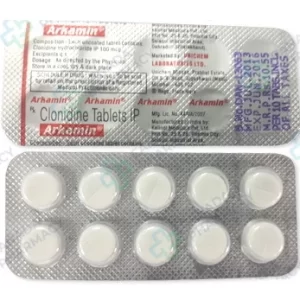
Clonidine
Price range: $ 40,00 through $ 95,00
Active substance: clonidine
More Details
This product has multiple variants. The options may be chosen on the product page
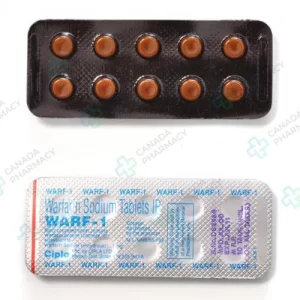
Coumadin
Price range: $ 12,00 through $ 153,00
Active substance: Warfarin
More Details
This product has multiple variants. The options may be chosen on the product page

Diltiazem HCL
Price range: $ 52,00 through $ 393,00
Active substance: Diltiazem
More Details
This product has multiple variants. The options may be chosen on the product page
Dipyridamole
Price range: $ 43,00 through $ 257,00
Active substance: Dipyridamole
More Details
This product has multiple variants. The options may be chosen on the product page
Hydrochlorothiazide
Price range: $ 24,00 through $ 139,00
Active substance: hydrochlorothiazide
More Details
This product has multiple variants. The options may be chosen on the product page