

-9%
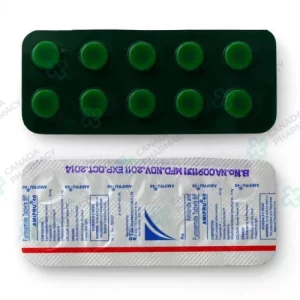
Frumil
Price range: $ 43,00 through $ 202,00
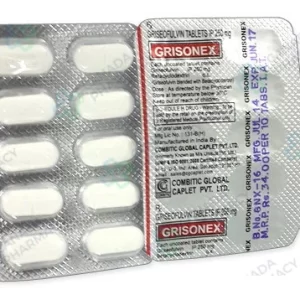
Fulvicin
Price range: $ 25,00 through $ 160,00
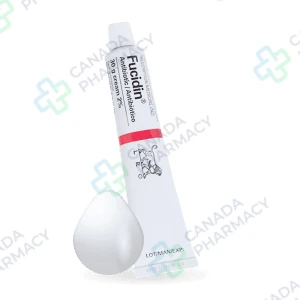
Fucidin cream
Price range: $ 14,00 through $ 73,00
Fucidin cream is a highly effective topical antibiotic formulated with fusidic acid to combat a wide range of bacterial skin infections. It works by inhibiting the growth of bacteria, helping to quickly clear up localized infections and prevent them from spreading further. This medication is primarily used to treat common conditions such as impetigo, infected dermatitis, and small infected wounds or cuts. The smooth, non-greasy cream is easily absorbed by the skin, making it a convenient choice for application on the face and other sensitive areas. Consistent use of this treatment helps soothe inflammation and redness while accelerating the skin’s natural healing process.
Active substance: Fusidic Acid
Delivery: 5–21 days (depending on the shipping method)
Extra 10% discount with coupon: IT4K6SVM
Each dosage option has its own packaging choices.
Description
Fucidin cream belongs to a class of topical antibacterial medications designed to target specific bacterial pathogens on the skin. Containing fusidic acid as its active therapeutic agent, this topical preparation acts primarily against Gram-positive micro-organisms responsible for localized dermatological infections.
Supplied as a smooth white cream for cutaneous application, the product is dispensed in accordance with applicable federal and state regulations. Proper clinical evaluation ensures that the drug is directed exclusively against susceptible strains of bacteria, minimizing the development of microbial resistance.
| Property | Details |
|---|---|
| Drug Name | Fucidin cream |
| Active Ingredient | Fusidic acid (2% w/w) |
| Therapeutic Class | Topical antibacterial agent |
| Dosage Form | Cutaneous cream |
| Route of Administration | Topical (skin application) |
| Primary Purpose | Treatment of primary and secondary bacterial skin infections |
| Storage Conditions | Store below 25°C (77°F); do not freeze |
Clinical Overview and Pharmacological Profile
How the drug works
Fusidic acid operates by inhibiting bacterial protein synthesis. Specifically, the active molecule interferes with bacterial elongation factor G (EF-G), preventing it from translocating along the ribosome during peptide chain extension. This action halts the production of essential bacterial proteins, resulting in bacteriostatic or bactericidal effects depending on the local drug concentration achieved at the infection site. Fucidin cream demonstrates potent antibacterial activity against Staphylococcus aureus (including penicillinase-producing strains), Streptococcus species, and Corynebacterium minutissimum. It lacks efficacy against fungal organisms, viruses, and most Gram-negative bacteria.
Main uses: Fucidin cream is indicated for the topical treatment of primary cutaneous infections, such as impetigo contagiosa, superficial folliculitis, sycosis barbae, paronychia, and erythrasma. Additionally, it is utilized for secondary bacterial infections complicating pre-existing skin conditions, including infected eczema, infected contact dermatitis, and minor infected traumatic lesions (such as abrasions or shallow cuts). Diagnosis of a bacterial etiology by a qualified healthcare provider is required prior to starting therapy.
Dosing schedule: The product is intended strictly for cutaneous use. A thin layer of cream is applied directly to the cleansed, affected area of skin two to three times daily. When treating uncovered lesions, three daily applications are standard; if an occlusive dressing is applied, one to two daily applications are typically sufficient. Treatment duration generally ranges from 7 to 14 days depending on clinical response. Prolonged application beyond two weeks is discouraged to prevent the selection of resistant bacterial strains.
How it’s absorbed and eliminated: In vitro and in vivo studies demonstrate that fusidic acid effectively penetrates intact human skin into the deeper dermal layers. Systemic absorption following topical application to intact skin is extremely low, yielding negligible concentrations in circulating blood. However, application over extensive skin surface areas, open wounds, or damaged epidermal barriers may increase systemic exposure slightly. Any systemically absorbed fusidic acid binds extensively to plasma proteins (>95%), undergoes hepatic metabolism into inactive metabolites, and is excreted primarily through the biliary pathway into feces, with less than 1% eliminated via urine.
Practical Usage and Safety Considerations
Adverse reactions
Topical application of Fucidin cream is generally well tolerated, with local cutaneously restricted reactions representing the majority of reported side effects. Patients may experience localized discomfort, including temporary burning, stinging, erythema (redness), dryness, or pruritus (itching) at the site of application. Less frequently, localized contact allergic reactions or hypersensitivity events–such as localized edema, rash, or urticaria–may develop. If severe localized irritation or signs of contact sensitization occur, treatment should be discontinued promptly.
Important precautions
Fucidin cream should not be applied to or near the eyes or palpebral tissues due to the potential for severe conjunctival irritation. If accidental ocular exposure occurs, the affected eye must be flushed immediately with large quantities of clean water. Caution is advised when treating skin lesions around open ulcers or sensitive mucosal areas. Repeated or prolonged use of topical antibacterials carries the risk of inducing antimicrobial resistance and cutaneous sensitization. The formulation contains inactive excipients such as cetyl alcohol and potassium sorbate, which may cause localized skin reactions (e.g., contact dermatitis) in susceptible individuals.
What to expect when starting treatment: Patients typically observe a reduction in localized skin inflammation, erythema, and purulent secretion within 48 to 72 hours after initiating treatment. Pain or localized tenderness usually subsides progressively as the bacterial load decreases. If no clinical improvement is observed within 7 days, reassessment of the clinical diagnosis and antimicrobial susceptibility is recommended.
What not to combine: Systemic drug-drug interactions are highly improbable given the negligible systemic absorption of topical fusidic acid. However, concurrent application of other topical products (such as ointments, lotions, or cosmetics) on the same cutaneous area should be avoided unless explicitly approved by a practitioner, as mixing preparations can dilute the active constituent or alter skin absorption kinetics.
What to do if you miss a dose: If a scheduled application is forgotten, apply the cream as soon as it is remembered. If it is nearly time for the next scheduled application, omit the missed dose and continue with the standard schedule. Do not apply double quantities of cream to compensate for a missed application.
Storage and expiration: Keep the tube tightly closed when not in use to preserve chemical stability and protect against microbial contamination. Store at controlled room temperature below 25°C (77°F). Do not freeze. Do not use the medicine after the expiration date clearly stamped on the tube crimp and outer carton.
Use in specific groups: Minimal systemic absorption suggests that topical fusidic acid presents negligible risk during pregnancy or lactation. However, safety during pregnancy must be evaluated by a healthcare professional prior to use. Nursing mothers should ensure Fucidin cream is not applied directly to the breast skin surface prior to feeding to prevent oral ingestion by the infant. Pediatric use is generally safe, provided application avoids extensive skin areas in neonates.
Common questions
Can Fucidin cream be applied to open or bleeding wounds?
Fucidin cream is designed primarily for superficial skin infections. Applying it to deep, open, or actively bleeding wounds can alter absorption profiles and is not recommended unless specifically prescribed by a physician.
Is Fucidin cream effective against viral skin infections like cold sores?
No. Fusidic acid possesses activity exclusively against bacterial organisms. It has no antiviral efficacy and will not treat viral conditions such as herpes simplex or varicella zoster.
What happens if Fucidin cream is accidentally swallowed?
Accidental ingestion of a small quantity of topical cream is unlikely to cause serious toxicity due to low active ingredient concentrations. If a significant quantity is ingested, contact a local poison control center or healthcare professional for guidance.
How long can a single course of Fucidin cream treatment typically last?
A standard treatment course usually lasts between 7 and 14 days. Therapy should not extend beyond two weeks to minimize the risk of developing bacterial resistance.
Is it normal to experience mild stinging upon applying the cream?
Transient, mild stinging or burning immediately after application can occur, particularly when applied to broken or inflamed skin. If severe or persistent irritation develops, stop using the product and consult a healthcare provider.
This text is for informational purposes only and does not constitute individual medical advice. In accordance with FDA requirements.
Additional information
| Dosage |
2% 5 gm ,2% 15 gm |
|---|---|
| Package |
3 tubes ,6 tubes ,12 tubes |
| Ενεργός Ουσία |
Related products
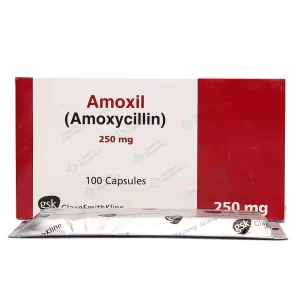
Amoxil
Price range: $ 40,00 through $ 170,00
Active substance: amoxicillin
More Details
This product has multiple variants. The options may be chosen on the product page

Azee
Price range: $ 30,00 through $ 150,00
Active substance: Azithromycin
More Details
This product has multiple variants. The options may be chosen on the product page

Azipro
Price range: $ 90,00 through $ 680,00
Active substance: Azithromycin
More Details
This product has multiple variants. The options may be chosen on the product page

Azithromycin DT
Price range: $ 60,00 through $ 972,00
Active substance: Azithromycin
More Details
This product has multiple variants. The options may be chosen on the product page
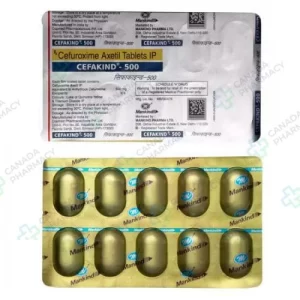
Ceftin
Price range: $ 38,00 through $ 386,00
Active substance: Cefuroxime
More Details
This product has multiple variants. The options may be chosen on the product page
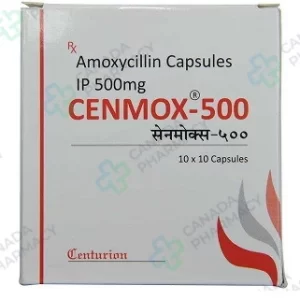
Cenmox
$ 51,00
Active substance: amoxicillin
More Details
This product has multiple variants. The options may be chosen on the product page
Chloramphenicol
Price range: $ 56,00 through $ 260,00
Active substance: chloramphenicol
More Details
This product has multiple variants. The options may be chosen on the product page

Cleocin
Price range: $ 91,00 through $ 361,00
Active substance: Clindamycin
More Details
This product has multiple variants. The options may be chosen on the product page