

-23%
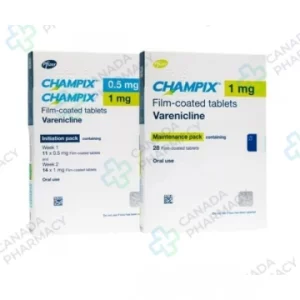
Champix
Price range: $ 144,00 through $ 349,00
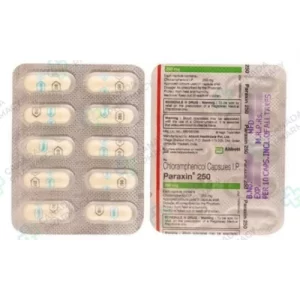
Chloromycetin
Price range: $ 52,00 through $ 242,00
Chloramphenicol
Price range: $ 56,00 through $ 260,00
Chloramphenicol is a potent broad-spectrum antibiotic designed to combat serious bacterial infections throughout the body. It functions by effectively inhibiting protein synthesis in bacteria, thereby stopping the spread of the infection. This medication is primarily indicated for the treatment of severe conditions such as typhoid fever, meningitis, and certain rickettsial diseases. Beyond systemic use, it is widely employed in topical formulations to treat acute bacterial conjunctivitis and other external eye infections. Its proven efficacy makes it a critical therapeutic option for managing complex bacterial cases where alternative antibiotics may not be suitable.
Active substance: chloramphenicol
Delivery: 5–21 days (depending on the shipping method)
Extra 10% discount with coupon: IT4K6SVM
Each dosage option has its own packaging choices.
Description
Chloramphenicol: Important Patient and Safety Guide
Chloramphenicol should only be used under strict medical supervision due to the risk of severe, potentially life-threatening adverse reactions. It is a broad-spectrum antibiotic reserved primarily for serious bacterial infections when less toxic therapeutic alternatives are ineffective or contraindicated. Complete adherence to prescribed monitoring guidelines is mandatory throughout the course of treatment.
In the United States, chloramphenicol is available strictly by prescription (Rx) and is subject to federal dispensing regulations. Healthcare providers carefully evaluate the therapeutic benefits against significant safety risks before recommending this antimicrobial agent.
| Property | Specification |
|---|---|
| Active Ingredient | Chloramphenicol |
| Therapeutic Class | Antibacterial / Protein Synthesis Inhibitor |
| Administration Routes | Intravenous (systemic); topical ophthalmic/otic (where approved) |
| Primary Purpose | Treatment of severe bacterial infections resistant to other therapies |
| Prescription Status | Prescription (Rx) only |
| Storage | Controlled room temperature (20°C to 25°C / 68°F to 77°F) |
How the drug works
Chloramphenicol functions as a synthetic broad-spectrum antibacterial agent. It works by entering susceptible bacterial cells and reversibly binding to the 50S ribosomal subunit of 70S bacterial ribosomes. This binding action directly inhibits the enzyme peptidyl transferase, which prevents peptide bond formation and halts essential bacterial protein synthesis. Because protein synthesis is vital for bacterial growth and replication, chloramphenicol acts primarily as a bacteriostatic agent. However, at higher concentrations or against highly susceptible organisms–such as Streptococcus pneumoniae, Neisseria meningitidis, and Haemophilus influenzae–it may exhibit bactericidal activity. Human ribosomal structures differ from bacterial ribosomes, but high doses of chloramphenicol can sometimes affect mitochondrial protein synthesis in mammalian bone marrow cells, contributing to its recognized hematologic toxicities.
Main uses
Chloramphenicol is indicated only for the treatment of severe, life-threatening infections caused by susceptible microorganisms when alternative antimicrobial drugs with superior safety profiles are ineffective, unavailable, or clinically contraindicated. FDA-approved indications include serious infections such as bacterial meningitis, typhoid fever, rickettsial diseases (including Rocky Mountain spotted fever and epidemic typhus), and severe intra-abdominal or pleuropulmonary bacterial infections. It is not indicated for trivial infections, viral illnesses, or routine bacterial pharyngitis. Any off-label administration for unapproved indications must be explicitly evaluated and determined by a qualified prescriber after assessing localized culture susceptibility patterns and patient-specific risk profiles.
Dosing schedule
Dosing of chloramphenicol must be individualized by a licensed healthcare provider based on the clinical indication, patient weight, renal and hepatic function, and blood plasma concentrations. In adult patients with normal metabolic function, systemic administration (typically intravenously as chloramphenicol sodium succinate) is calculated precisely in milligrams per kilogram of body weight per day, divided into regular intervals. Neonates, premature infants, and patients with impaired liver clearance require reduced dosages and routine therapeutic drug monitoring to avoid dangerous systemic drug accumulation. Patients must strictly follow the dosing schedule provided by their healthcare team in hospital or clinic settings in states like Illinois or Texas. Never adjust doses or discontinue treatment without direct medical instruction.
What happens in the body
Following systemic administration, chloramphenicol is widely distributed throughout most body tissues and body fluids. It achieves excellent penetration into the central nervous system, reaching cerebrospinal fluid concentrations that approach 50% to 60% of serum levels even when meninges are non-inflamed, and higher levels when inflamed. The drug is predominantly metabolized in the liver via glucuronidation into inactive metabolites. Adults with healthy liver function exhibit an elimination half-life ranging approximately between 1.5 to 4 hours. Approximately 80% to 90% of an administered dose is excreted in the urine, mainly as inactive glucuronide conjugates, with a small fraction cleared unchanged. Neonates exhibit prolonged elimination half-lives due to immature hepatic enzymatic pathways.
Compatibility with other medicines
Chloramphenicol interacts significantly with numerous medications primarily because it inhibits hepatic cytochrome P450 enzymes. Concomitant administration with oral anticoagulants such as warfarin can prolong prothrombin time and increase the risk of severe bleeding. Chloramphenicol may also delay the metabolism of oral hypoglycemic agents (like sulfonylureas) and anticonvulsants (such as phenytoin and phenobarbital), resulting in elevated blood concentrations and toxicity. Combining chloramphenicol with other agents capable of suppressing bone marrow function–including carbamazepine, cytotoxic chemotherapy, or bone marrow depressants–substantially increases the risk of serious blood dyscrasias. Always inform your provider of all prescription medications, over-the-counter drugs, and dietary supplements you take.
Adverse reactions
Chloramphenicol carries risks of severe and potentially fatal adverse effects. The most critical risk involves bone marrow suppression, which manifests in two distinct forms: a dose-dependent, reversible depression of blood cell production, and an unpredictable, non-dose-dependent, irreversible aplastic anemia that can develop weeks or months after treatment completion and may lead to fatal outcomes. Other potential hematologic reactions include anemia, leukopenia, and thrombocytopenia. Gastrointestinal side effects include nausea, vomiting, diarrhea, glossitis, and stomatitis. Neurological adverse reactions, such as peripheral neuropathy or optic neuritis (which can cause vision changes), have been reported with prolonged therapy.
Important precautions
Warning: Systemic chloramphenicol treatment requires baseline and periodic blood cell counts, including reticulocyte count, white blood cell counts, and platelet evaluations. Neonates and infants are at high risk for Gray Baby Syndrome–a toxic reaction characterized by abdominal distension, progressive cyanosis, hypothermia, flaccidity, irregular respiration, and circulatory collapse–caused by impaired hepatic conjugation and inadequate renal excretion. Chloramphenicol should be avoided during pregnancy unless absolutely necessary, as it crosses the placenta. Breastfeeding is generally not recommended during systemic chloramphenicol administration because the drug passes into breast milk and poses safety risks to the nursing infant.
Red flags and emergency care
Immediate medical attention is required if signs of severe adverse reactions or toxicity occur during or after chloramphenicol therapy. Warning signs warranting urgent medical evaluation include severe throat pain, sudden fever, unexplained bruising, unusual fatigue, or persistent bleeding from gums or nose, which may indicate bone marrow suppression. Symptoms such as sudden vision impairment, numbness or tingling in extremities, severe abdominal pain, or difficulty breathing require immediate emergency department care.
| Red Flag Symptom | Potential Medical Concern | Recommended Action |
|---|---|---|
| Unusual bleeding, bruising, or petechiae | Bone marrow suppression / Thrombocytopenia | Seek emergency medical care immediately |
| High fever, chills, persistent sore throat | Agranulocytosis / Severe leukopenia | Contact healthcare provider right away |
| Grey skin tone, flaccidity, breathing difficulty in infants | Gray Baby Syndrome (Toxicity) | Immediate pediatric emergency evaluation |
| Vision changes or eye pain | Optic neuritis / Neurological toxicity | Discontinue use and seek urgent consultation |
| Swelling of face, lips, tongue, or severe skin rash | Severe hypersensitivity reaction / Anaphylaxis | Call 911 or go to nearest emergency room |
If you skip a dose
Maintaining consistent therapeutic levels of chloramphenicol in the bloodstream is critical for controlling severe bacterial infections. If a dose is missed, it should be administered as soon as remembered, unless it is nearly time for the next scheduled dose. Never double the dose to make up for a missed application, as excessive drug concentrations increase the risk of serious toxicities. Consult your healthcare team or clinical pharmacist for specific instructions if multiple doses are missed during treatment.
Storage and expiration
Chloramphenicol preparations must be stored strictly according to the product package instructions. Parenteral solutions should generally be stored at controlled room temperature between 20°C and 25°C (68°F to 77°F), protected from light and excessive heat. Do not use any product past its printed expiration date. Keep all medications out of the reach of children and pets. Safely dispose of expired or unused medication through designated community take-back programs or local pharmacy disposal protocols.
Pregnancy, breastfeeding, and other groups
Special populations require careful evaluation prior to receiving chloramphenicol. In pregnant women, chloramphenicol readily crosses the placental barrier, posing risks of toxicity to the fetus, particularly near term when fetal hepatic enzyme systems are immature. Nursing mothers should avoid breastfeeding while receiving systemic therapy due to excretion into breast milk. Pediatric patients, especially neonates, require reduced dosing and blood level monitoring to prevent systemic toxicity. Elderly patients with age-related declines in hepatic or renal function also require conservative dosing and close monitoring.
Common questions
Can chloramphenicol be taken alongside blood thinners like warfarin?
Chloramphenicol inhibits the hepatic metabolism of warfarin, which can significantly elevate blood plasma concentrations of the anticoagulant and increase the risk of severe bleeding. Co-administration requires frequent monitoring of prothrombin time/INR and dose adjustments of the anticoagulant under close medical supervision.
What is Gray Baby Syndrome, and who is at risk?
Gray Baby Syndrome is a serious, life-threatening condition observed in neonates and premature infants exposed to high levels of chloramphenicol. It occurs because newborns lack adequate liver enzymes (glucuronyl transferase) to metabolize the drug and have immature renal excretion. Symptoms include abdominal distension, grey skin discoloration, hypothermia, cyanosis, and circulatory collapse.
Why are regular blood tests required during chloramphenicol therapy?
Frequent blood tests–including complete blood counts and reticulocyte counts–are essential to monitor for potential bone marrow suppression. Early detection of dose-dependent blood dyscrasias allows prescribers to adjust or discontinue therapy before irreversible damage or severe complications develop.
Can chloramphenicol affect vision during long-term use?
Yes. Prolonged chloramphenicol administration has been associated with optic neuritis, which may lead to visual disturbance or loss of visual acuity. Patients experiencing eye pain, blurred vision, or changes in color perception should report symptoms to their provider immediately.
Is chloramphenicol effective against viral infections like influenza?
No. Chloramphenicol is an antibacterial agent and has no activity against viral infections, including influenza, the common cold, or SARS-CoV-2. Using antibacterial drugs inappropriately increases the risk of drug toxicity and antibiotic resistance without therapeutic benefit.
In accordance with FDA requirements.
This material is educational. Only a licensed prescriber can determine whether a medication is appropriate for you.
Additional information
| Dosage |
500mg |
|---|---|
| Package |
60 pills ,90 pills ,120 pills ,180 pills ,270 pills ,360 pills |
| Ενεργός Ουσία |
Related products

Azee
Price range: $ 30,00 through $ 150,00
Active substance: Azithromycin
More Details
This product has multiple variants. The options may be chosen on the product page
Baycip
Price range: $ 42,00 through $ 113,00
Active substance: Ciprofloxacin
More Details
This product has multiple variants. The options may be chosen on the product page
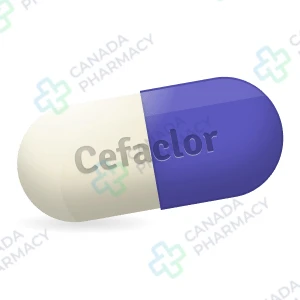
Cefaclor
Price range: $ 68,00 through $ 3 600,00
Active substance: cefaclor monohydrate
More Details
This product has multiple variants. The options may be chosen on the product page

Cefixime
Price range: $ 101,00 through $ 509,00
Active substance: cefixime
More Details
This product has multiple variants. The options may be chosen on the product page
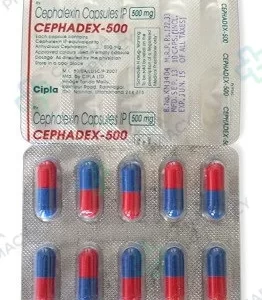
Cephalexin
Price range: $ 39,00 through $ 349,00
Active substance: cephalexin
More Details
This product has multiple variants. The options may be chosen on the product page
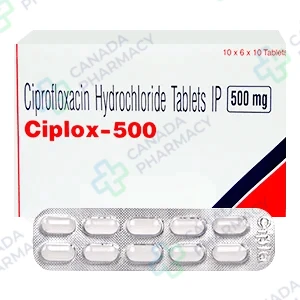
Ciplox
Price range: $ 49,00 through $ 434,00
Active substance: Ciprofloxacin
More Details
This product has multiple variants. The options may be chosen on the product page
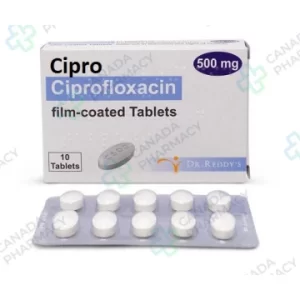
Cipro
Price range: $ 40,00 through $ 317,00
Active substance: Ciprofloxacin
More Details
This product has multiple variants. The options may be chosen on the product page
Ciprodex Ophthalmic Solution
Price range: $ 63,00 through $ 95,00
Active substance: Ciprofloxacin, Dexamethasone
More Details
This product has multiple variants. The options may be chosen on the product page