

-22%
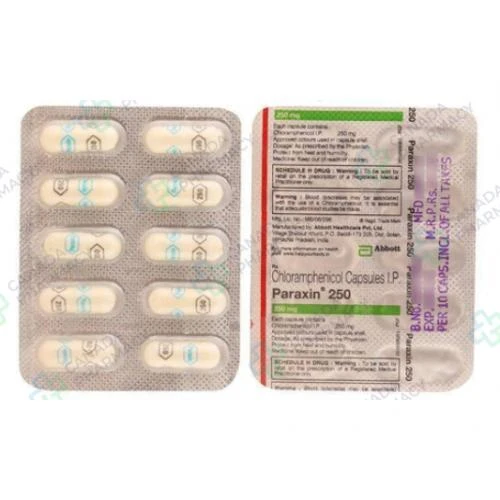
Chloramphenicol
Price range: $ 56,00 through $ 260,00
Chloroquine
Price range: $ 41,00 through $ 402,00
Chloromycetin
Price range: $ 52,00 through $ 242,00
Chloromycetin is a potent broad-spectrum antibiotic designed to treat a variety of serious bacterial infections. It functions by inhibiting the synthesis of essential proteins within bacteria, effectively halting the spread of the infection. This medication is specifically indicated for severe conditions such as typhoid fever, meningitis, and other life-threatening systemic illnesses. Its powerful formula is particularly effective against microorganisms that have developed resistance to other common antibiotics. By targeting the source of the infection, Chloromycetin provides a critical therapeutic option for managing complex bacterial diseases.
Active substance: chloramphenicol
Delivery: 5–21 days (depending on the shipping method)
Extra 10% discount with coupon: IT4K6SVM
Each dosage option has its own packaging choices.
Description
Chloromycetin belongs to the class of broad-spectrum antibiotic medications containing chloramphenicol as the active ingredient. It is prescribed exclusively by licensed healthcare providers to treat specific, severe bacterial infections when less toxic antimicrobial agents are ineffective or clinically contraindicated. In accordance with federal regulations in the United States, this prescription-only medication requires strict medical oversight due to its potential for serious, life-threatening adverse effects.
Patients receiving Chloromycetin must strictly follow their prescriber’s directives and undergo regular clinical monitoring, including routine blood counts, throughout the entire course of therapy. Because systemic chloramphenicol poses significant safety risks, therapy should only be initiated when laboratory diagnostic findings confirm that alternative antibacterial options are unsuitable.
| Property | Details |
|---|---|
| Active ingredient | Chloramphenicol |
| Therapeutic class | Amphenicol antibacterial |
| Prescription status | Prescription (Rx) only |
| Primary purpose | Treatment of serious bacterial infections refractory to other agents |
| Route of administration | Oral, Intravenous, Topical/Ophthalmic (depending on formulation) |
| Storage conditions | Controlled room temperature between 68°F and 77°F (20°C to 25°C) |
Product Overview and Administration
How the drug works
Chloromycetin inhibits bacterial protein synthesis by reversibly binding to the 50S ribosomal subunit of susceptible microorganisms. This action blocks peptidyl transferase, preventing peptide bond formation during amino acid chain elongation. While predominantly bacteriostatic, Chloromycetin can exhibit bactericidal activity at higher concentrations or against highly susceptible organisms such as Streptococcus pneumoniae, Neisseria meningitidis, and Haemophilus influenzae. However, mammalian mitochondrial ribosomes share structural similarities with bacterial ribosomes, which explains why prolonged high systemic exposure can suppress human bone marrow function and lead to severe hematologic toxicity.
Main uses
Chloromycetin is restricted to the management of severe, life-threatening infections where alternative, less toxic antimicrobial agents are clinically ineffective or contraindicated. Approved indications historically include severe bacterial meningitis, typhoid fever, rickettsial infections such as Rocky Mountain spotted fever, and serious systemic or intra-abdominal infections caused by sensitive bacteria. Prescribers reserve this agent for clinical scenarios where culture and susceptibility tests demonstrate definitive need. Chloromycetin is never indicated for minor infections, viral illnesses, or routine infection prophylaxis due to its severe toxicity profile.
Dosing schedule
Dosage must be strictly individualized by a licensed healthcare provider based on the severity of the infection, patient age, body weight, and renal or hepatic function. Standard adult systemic dosages generally range from 50 mg/kg/day administered in divided doses every six hours. In exceptionally severe infections, such as bacterial meningitis, doses up to 100 mg/kg/day may be used initially under intense clinical supervision, with rapid reduction as clinical improvement occurs. Pediatric dosing, particularly in premature infants and neonates, requires extreme caution and blood concentration monitoring to prevent metabolic accumulation and toxicity. Patients must complete the full course prescribed even if symptoms resolve early.
How it’s absorbed and eliminated
Following oral administration, chloramphenicol is rapidly absorbed from the gastrointestinal tract, achieving peak plasma concentrations within one to three hours. The drug distributes widely across body tissues and fluids, readily crossing the blood-brain barrier to achieve therapeutic concentrations in cerebrospinal fluid. Chloromycetin is extensively metabolized in the liver via glucuronidation into inactive compounds. Approximately 80% to 90% of a dose is excreted in the urine, primarily as inactive metabolites, with a small fraction cleared unchanged. The elimination half-life in healthy adults ranges from 1.5 to 4 hours, but it is substantially prolonged in neonates and individuals with hepatic impairment.
Compatibility with other medicines
Chloromycetin inhibits hepatic cytochrome P450 enzyme systems, which can significantly alter the metabolism of co-administered drugs. Concurrent use with oral anticoagulants like warfarin can prolong prothrombin time and increase bleeding risks. It can also prolong the clearance of phenytoin, phenobarbital, and oral hypoglycemic agents, leading to toxic drug levels. Drugs that induce bone marrow suppression must not be used concurrently with Chloromycetin to avoid additive hematologic damage. Co-administration with bactericidal agents such as penicillins or cephalosporins should be carefully managed, as bacteriostatic antibiotics may interfere with bactericidal efficacy.
Adverse reactions
The safety profile of Chloromycetin is characterized by significant hematologic risks. Bone marrow depression is the most critical adverse effect, taking two forms: a dose-related, reversible suppression of red blood cell production, and a rare, non-dose-related, irreversible aplastic anemia that can develop weeks or months after completing therapy. Gastrointestinal effects include nausea, vomiting, diarrhea, glossitis, and stomatitis. Neurological disturbances such as optic neuritis, peripheral neuropathy, headache, depression, and confusion have also been observed during prolonged treatment courses.
Safety Guidelines and Precautions
Red flags
Patients taking Chloromycetin must be monitored closely for signs of severe, life-threatening complications. Immediate medical evaluation is required if any symptoms of blood dyscrasias or systemic hypersensitivity appear during or after treatment.
| Warning Sign / Symptom | Potential Underlying Issue | Immediate Action Required |
|---|---|---|
| Unexplained bruising or bleeding | Thrombocytopenia / Bone marrow toxicity | Seek emergency care immediately |
| High fever, sore throat, persistent chills | Leukopenia / Severe infection | Contact prescriber without delay |
| Sudden pale skin, extreme fatigue | Aplastic anemia / Severe erythroid hypoplasia | Seek urgent medical evaluation |
| Swelling of face, lips, tongue, or throat | Severe anaphylactic reaction | Call emergency services (911) |
| Abdominal distension, gray cyanosis in infants | Gray Baby Syndrome | Emergency pediatric intervention mandatory |
Important precautions
Chloromycetin carries serious safety warnings and must only be prescribed when benefits clearly outweigh risks. Baseline complete blood counts (CBC), including reticulocyte and differential counts, are essential prior to therapy and should be repeated every two days during treatment. Treatment must be discontinued immediately if leukopenia, reticulocytopenia, or thrombocytopenia develops. Neonates and premature infants require constant clinical surveillance to prevent Gray Baby Syndrome–a fatal condition resulting from inadequate hepatic glucuronidation leading to toxic drug accumulation, manifested by cardiovascular collapse, hypothermia, and gray skin discoloration.
Pregnancy, breastfeeding, and other groups
Chloromycetin readily crosses the placenta. Administering this medication during late pregnancy or labor presents a substantial risk of Gray Baby Syndrome in the fetus or neonate; therefore, its use in pregnant women is generally restricted unless no alternative options exist. Chloramphenicol is excreted in human breast milk, posing potential risks of bone marrow suppression and toxicity to the nursing infant. Breastfeeding should be suspended during therapy. Elderly patients should receive lower initial dosages and frequent monitoring due to age-related declines in hepatic and renal elimination capacities.
If you skip a dose
If a dose of Chloromycetin is missed, take it as soon as remembered unless it is almost time for the next scheduled dose. Never double the dose to compensate for a missed administration. Skips or inconsistent dosing can lower systemic drug levels below therapeutic thresholds, compromising efficacy and encouraging antimicrobial resistance. Patients should maintain a strict schedule to ensure stable therapeutic concentrations in blood and tissues.
Storage and expiration
Store Chloromycetin preparations in tight, light-resistant containers at controlled room temperature between 68°F and 77°F (20°C to 25°C), keeping them away from excessive heat and direct moisture. Reconstituted parenteral solutions or specific topical formulations may have separate storage instructions; always consult the package insert. Keep all medications out of the reach of children and pets. Safely dispose of expired or unused medication through official community pharmacy take-back programs rather than flushing down household drains.
Common Questions
Why is regular blood monitoring mandatory while taking Chloromycetin?
Chloromycetin can suppress bone marrow function, leading to dangerously low levels of red blood cells, white blood cells, and platelets. Frequent complete blood counts allow healthcare providers to spot early, reversible signs of marrow toxicity and discontinue the drug before irreversible aplastic anemia occurs.
Can Chloromycetin be prescribed for viral infections like the flu?
No. Chloromycetin is a specialized antibacterial agent and has no activity against viral pathogens such as influenza or the common cold. Using antibiotics for viral illnesses provides no therapeutic benefit and increases the risk of serious side effects and drug resistance.
What should be done if an infant shows gray discoloration while on treatment?
Immediate emergency medical intervention is required. Gray skin tone, hypothermia, abdominal distension, and lethargy in infants receiving chloramphenicol are classic signs of Gray Baby Syndrome, a life-threatening toxicity caused by drug accumulation.
Is it safe to consume alcohol while taking Chloromycetin?
Alcohol should be avoided during Chloromycetin therapy. Both alcohol and Chloromycetin are processed by the liver, and concurrent consumption can exacerbate hepatic stress, worsen central nervous system side effects, and potentially trigger unpleasant disulfiram-like reactions in some individuals.
In accordance with FDA requirements.
This material is educational. Only a licensed prescriber can determine whether a medication is appropriate for you.
Additional information
| Dosage |
500mg |
|---|---|
| Package |
60 pills ,90 pills ,120 pills ,270 pills ,360 pills |
| Ενεργός Ουσία |
Related products
Amoxil
Price range: $ 40,00 through $ 170,00
Active substance: amoxicillin
More Details
This product has multiple variants. The options may be chosen on the product page
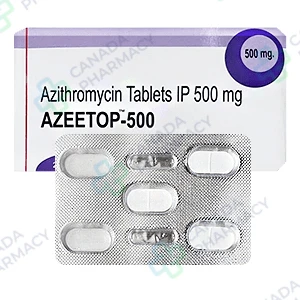
Azeetop
Price range: $ 40,00 through $ 250,00
Active substance: Azithromycin
More Details
This product has multiple variants. The options may be chosen on the product page

Azipro
Price range: $ 90,00 through $ 680,00
Active substance: Azithromycin
More Details
This product has multiple variants. The options may be chosen on the product page
Baycip
Price range: $ 42,00 through $ 113,00
Active substance: Ciprofloxacin
More Details
This product has multiple variants. The options may be chosen on the product page
Cefaclor
Price range: $ 68,00 through $ 3 600,00
Active substance: cefaclor monohydrate
More Details
This product has multiple variants. The options may be chosen on the product page
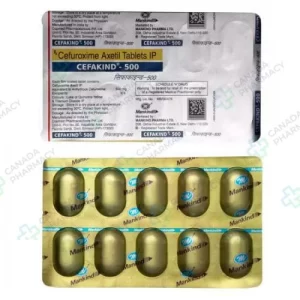
Ceftin
Price range: $ 38,00 through $ 386,00
Active substance: Cefuroxime
More Details
This product has multiple variants. The options may be chosen on the product page
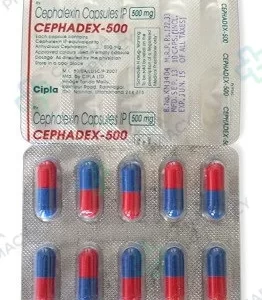
Cephalexin
Price range: $ 39,00 through $ 349,00
Active substance: cephalexin
More Details
This product has multiple variants. The options may be chosen on the product page
Cepmox
Price range: $ 41,00 through $ 115,00
Active substance: amoxicillin
More Details
This product has multiple variants. The options may be chosen on the product page