

-19%
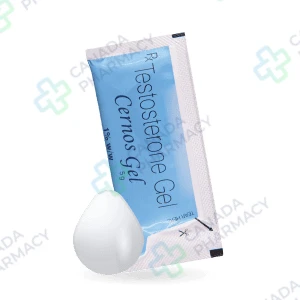
Cernos Gel
Price range: $ 48,00 through $ 120,00
Chloramphenicol
Price range: $ 56,00 through $ 260,00
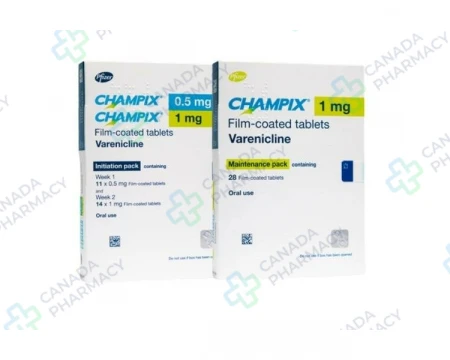
Champix
Price range: $ 144,00 through $ 349,00
Champix is a highly effective medication specifically designed to help adults quit smoking and overcome nicotine addiction. It works by targeting nicotine receptors in the brain to reduce the pleasurable feelings associated with smoking. The treatment helps to significantly decrease the intensity of withdrawal symptoms and daily cravings. By providing a structured approach to smoking cessation, Champix supports individuals in their journey toward a healthier, tobacco-free life. This medication is a proven choice for those committed to breaking the habit and improving their long-term respiratory health.
Active substance: Varenicline
Delivery: 5–21 days (depending on the shipping method)
Extra 10% discount with coupon: IT4K6SVM
Each dosage option has its own packaging choices.
Description
Champix belongs to a class of medications known as selective nicotinic acetylcholine receptor partial agonists. It is an oral prescription medication indicated as an aid to smoking cessation treatment in adult patients. In the United States, varenicline is dispensed strictly under federal prescription regulations following an evaluation by a licensed healthcare provider.
The active constituent, varenicline tartrate, acts directly on neural pathways associated with nicotine addiction to assist individuals in achieving smoking abstinence. Proper clinical evaluation is required prior to initiating therapy to ensure appropriateness and safety for individual patient profiles.
Clinical Overview and Prescribing Information
Key Product Data
| Attribute | Specification |
|---|---|
| Drug name | Champix |
| Active ingredient (INN) | Varenicline (as tartrate) |
| Therapeutic class | Nicotinic Receptor Partial Agonist |
| Dosage form | Oral tablet |
| Route of administration | Oral |
| Prescription status | Prescription only (Rx) |
Main uses
Champix is indicated for use as an aid to smoking cessation therapy in adults aged 18 years and older. The medication is intended to support patients who are motivated to quit smoking tobacco products by attenuating withdrawal symptoms and reducing the urge to smoke. Clinical protocols recommend establishing a target quit date, typically between Day 8 and Day 14 of initiating treatment, although flexible starting approaches may be authorized by a prescriber. The standard initial duration of therapy is 12 weeks, with an additional 12-week course potentially recommended for patients who successfully abstain from smoking during the initial treatment phase to increase the likelihood of long-term abstinence.
How the drug works
The mechanism of action of varenicline involves its high-affinity partial agonist activity at alpha-4 beta-2 (α4β2) neuronal nicotinic acetylcholine receptors in the central nervous system. By binding selectively to these specific receptors, varenicline exerts a dual pharmacological effect. First, as a partial agonist, it produces moderate agonist activity, stimulating dopamine release at lower levels than nicotine itself, which reduces nicotine withdrawal symptoms and cravings. Second, by occupying the α4β2 receptor sites, varenicline competitively prevents nicotine derived from tobacco smoke from binding to these receptors. This blockade substantially diminishes the rewarding and reinforcing sensations associated with smoking.
How it’s absorbed and eliminated
Varenicline exhibits predictable pharmacokinetic properties following oral administration. Peak plasma concentrations are typically attained within 3 to 4 hours post-dose. The oral bioavailability of varenicline is high and is not affected by co-administration with food. Plasma protein binding of varenicline is low, remaining below 20%, indicating wide systemic tissue distribution. The drug undergoes minimal hepatic metabolism, with approximately 92% of an administered dose eliminated unchanged in the urine via glomerular filtration and active tubular secretion. The elimination half-life of varenicline is approximately 24 hours, supporting a twice-daily dosing regimen and allowing steady-state plasma concentrations to be reached within 4 days of continuous administration.
Dosing schedule
Champix therapy is initiated using a gradual dose-titration schedule to minimize gastrointestinal discomfort. Treatment begins one week prior to the designated target quit date. Days 1 through 3 consist of a 0.5 mg tablet taken once daily in the morning. On Days 4 through 7, the dosage increases to 0.5 mg taken twice daily, once in the morning and once in the evening. From Day 8 through the completion of the treatment period, the standard maintenance dose is 1 mg taken twice daily. Dosage adjustments are required for patients with severe renal impairment, where the recommended maximum dose is 0.5 mg once daily. Tablets should be swallowed whole with water and can be taken with or without food.
Compatibility with other medicines
Drug interaction studies indicate that varenicline does not undergo significant cytochrome P450 enzyme metabolism, minimizing the likelihood of pharmacokinetic interactions with CYP-inhibiting or CYP-inducing medications. Co-administration with cimetidine increases varenicline systemic exposure by reducing its renal clearance, requiring caution in severe renal insufficiency. Combining Champix with other smoking cessation products, such as transdermal nicotine replacement therapy (NRT), may result in an increased incidence of adverse events, including nausea, headache, and vomiting, without demonstrating superior efficacy. Furthermore, smoking cessation itself, with or without varenicline, may alter the pharmacokinetics of concurrent drugs such as theophylline, warfarin, or insulin due to physiological changes resulting from tobacco abstinence.
Safety Profile and Usage Guidelines
Adverse reactions
The adverse reaction profile of varenicline has been documented extensively in controlled clinical trials. The most commonly reported side effect is nausea, which is generally mild to moderate and tends to diminish over time. Other frequently reported central nervous system side effects include insomnia, abnormal dreams, sleep disturbance, and headaches. Gastrointestinal effects beyond nausea include flatulence, constipation, and vomiting. Neuropsychiatric adverse events, such as changes in mood, agitation, anxiety, depression, and suicidal ideation, have been reported in patients taking varenicline; medical attention is required if severe behavioral changes occur. Cardiovascular events have also been observed, particularly in patients with pre-existing cardiovascular conditions.
Important precautions
Prescribers must evaluate patients for pre-existing psychiatric conditions prior to starting Champix. Post-marketing clinical surveillance has documented neuropsychiatric events, including depressed mood, psychosis, aggression, and suicidal thoughts. Patients should be monitored for signs of cardiovascular disease, as a slight increase in major adverse cardiovascular events has been reported in patients with established cardiovascular disease. Patients operating heavy machinery or driving should exercise caution until they ascertain how varenicline affects their alertness, as somnolence and dizziness may occur. Seizures have also been reported in patients taking varenicline, requiring immediate discontinuation if a seizure occurs during therapy.
Food and alcohol interactions
Food administration does not alter the oral absorption or peak concentration of varenicline. However, taking Champix with a meal and a full glass of water can help mitigate gastrointestinal side effects such as nausea. Regarding alcohol consumption, post-marketing reports indicate that varenicline may increase the intoxicating effects of alcohol, leading to heightened drunkenness, unusual behavior, or memory impairment. Patients are advised to limit or avoid alcohol consumption until they understand how the drug interacts with their body.
If you skip a dose
If a planned dose of Champix is missed, it should be taken as soon as remembered, provided it is not close to the time for the next scheduled dose. If the next dose is due shortly, the missed dose should be skipped entirely, and the normal dosing schedule should be resumed. Patients should not take a double dose to compensate for a forgotten tablet. Adhering to the prescribed twice-daily administration routine helps maintain steady plasma concentrations of varenicline.
Special populations
Safety and efficacy in pediatric patients under 18 years of age have not been established, and use in this population is not recommended. For elderly patients, dosage selection should be made with caution, reflecting the greater frequency of decreased renal function in this demographic. In patients with severe renal impairment (creatinine clearance less than 30 mL/min), the dosage must be adjusted down to 0.5 mg once daily. For pregnant women, data regarding human fetal risk remain limited; therefore, varenicline should be used during pregnancy only if the potential benefit justifies the risk.
Red flags
Immediate medical evaluation is necessary if patients experience severe neuropsychiatric symptoms, including feelings of depression, panic, agitation, or thoughts of self-harm. Emergency medical care should be sought if signs of an allergic reaction develop, such as facial swelling, lip or tongue edema, severe skin rash, or difficulty breathing. Furthermore, patients experiencing chest discomfort, sudden shortness of breath, severe dizziness, or signs of a stroke must seek urgent emergency treatment without delay.
Frequently Asked Questions
How long does a standard course of Champix treatment last?
The standard initial duration of treatment with Champix is 12 weeks. Patients who successfully quit smoking by the end of 12 weeks may be prescribed an additional 12-week course to consolidate long-term abstinence.
Is it necessary to quit smoking immediately on the first day of taking Champix?
No, patients are instructed to set a target quit date between Day 8 and Day 14 after starting Champix. This allows the medication to reach therapeutic levels while the patient continues their routine during the titration period.
Can Champix be combined with nicotine patches or gum?
Combining Champix with transdermal nicotine replacement therapy is generally not recommended unless directed by a physician. Clinical studies show an increase in side effects such as nausea and headache without demonstrating improved quit rates.
How does severe kidney disease affect the dosage of Champix?
Because varenicline is cleared primarily by the kidneys, patients with severe renal impairment require a reduced dosage schedule, typically capped at 0.5 mg once daily to prevent drug accumulation.
What should patients do if severe mood changes develop during therapy?
If significant alterations in mood, increased anxiety, aggression, or suicidal thoughts occur, patients must stop taking Champix immediately and contact their healthcare provider for evaluation.
In accordance with FDA requirements.
This text is for informational purposes only and does not constitute individual medical advice.
Additional information
| Dosage |
1mg |
|---|---|
| Package |
28 pills ,56 pills ,84 pills |
| Ενεργός Ουσία |
Related products
Nicotex
Price range: $ 18,00 through $ 51,00
Active substance: nicotine
More Details
This product has multiple variants. The options may be chosen on the product page
Nicotinell
Price range: $ 10,00 through $ 30,00
Active substance: nicotine
More Details
This product has multiple variants. The options may be chosen on the product page
Varnitrip
Price range: $ 55,00 through $ 900,00
Active substance: Varenicline
More Details
This product has multiple variants. The options may be chosen on the product page
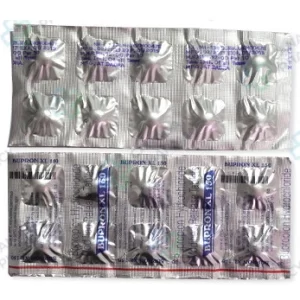
Wellbutrin
Price range: $ 66,00 through $ 627,00
Active substance: Bupropion
More Details
This product has multiple variants. The options may be chosen on the product page
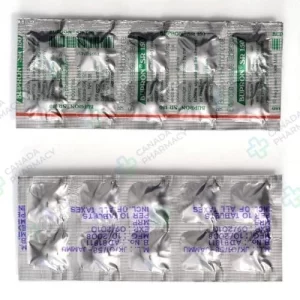
Wellbutrin SR
Price range: $ 62,00 through $ 299,00
Active substance: Bupropion
More Details
This product has multiple variants. The options may be chosen on the product page
Zyban
Price range: $ 40,00 through $ 210,00
Active substance: Bupropion
More Details
This product has multiple variants. The options may be chosen on the product page