

-21%


Waklert
Price range: $ 65,00 through $ 426,00

Wellbutrin SR
Price range: $ 62,00 through $ 299,00
Wellbutrin
Price range: $ 66,00 through $ 627,00
Wellbutrin is a widely recognized medication primarily used to manage major depressive disorder and seasonal affective disorder. This antidepressant works by helping to restore the balance of certain natural chemicals, such as norepinephrine and dopamine, in the brain. Many individuals find it effective for improving mood and fostering a general sense of well-being during difficult periods. Unlike many other options, it belongs to the aminoketone class and functions as a norepinephrine-dopamine reuptake inhibitor. Regular use helps stabilize emotional health and supports a more active, balanced lifestyle.
Active substance: Bupropion
Delivery: 5–21 days (depending on the shipping method)
Extra 10% discount with coupon: IT4K6SVM
Each dosage option has its own packaging choices.
Description
Wellbutrin belongs to a class of medications known as aminoketone antidepressants, containing bupropion hydrochloride as its active ingredient. It is an FDA-approved prescription medication indicated primarily for the treatment of major depressive disorder and seasonal affective disorder in adult patients.
Dispensed strictly in accordance with federal and state regulations within the United States, this medication requires individualized evaluation and a valid prescription from a licensed healthcare provider. The pharmacological mechanism of bupropion sets it apart from selective serotonin reuptake inhibitors (SSRIs), offering an alternative therapeutic pathway for central nervous system modulation.
| Parameter | Clinical Details |
|---|---|
| Active ingredient (INN) | Bupropion hydrochloride |
| Therapeutic class | Aminoketone antidepressant / Norepinephrine-dopamine reuptake inhibitor (NDRI) |
| Dosage form | Oral tablets (Immediate-release, Sustained-release SR, Extended-release XL) |
| Route of administration | Oral |
| Primary purpose | Treatment of Major Depressive Disorder and Seasonal Affective Disorder |
| Prescription status | Prescription only (Rx) |
Clinical Profile and Pharmacokinetics
Main uses
The primary FDA-approved indication for Wellbutrin is the management of major depressive disorder (MDD) in adults. The extended-release formulation (Wellbutrin XL) is also explicitly approved by the FDA for the prevention of seasonal major depressive episodes in individuals diagnosed with seasonal affective disorder (SAD). Clinical studies demonstrate its efficacy in reducing core depressive symptoms, such as persistent sadness, loss of interest in daily activities, and psychomotor changes. Beyond its primary indications, healthcare providers may occasionally prescribe bupropion for off-label indications not explicitly approved in the primary FDA product labeling. These off-label uses include Attention-Deficit/Hyperactivity Disorder (ADHD) in adults and the management of SSRI-induced sexual dysfunction. (Note: While bupropion is FDA-approved under another brand name for smoking cessation aid, such usage under the Wellbutrin trade name is considered off-label practice).
How the drug works
The exact neurochemical mechanism of bupropion is not fully elucidated, but its pharmacological profile classifies it as a norepinephrine-dopamine reuptake inhibitor (NDRI). The drug acts by inhibiting the neuronal reuptake of both dopamine and norepinephrine, thereby increasing the synaptic concentration of these key neurotransmitters within the central nervous system. Unlike tricyclic antidepressants or SSRIs, bupropion does not exhibit significant inhibition of monoamine oxidase, nor does it selectively alter serotonin reuptake. Furthermore, bupropion demonstrates low affinity for histamine, alpha-adrenergic, and muscarinic acetylcholine receptors, which accounts for its distinct side effect profile compared to older sedating or anticholinergic antidepressant agents.
Dosing schedule
Dosing schedules for Wellbutrin are highly individualized and depend strictly upon the formulation prescribed: immediate-release (IR), sustained-release (SR), or extended-release (XL). Immediate-release formulations generally require dosing three times daily, spaced at least 6 hours apart. Sustained-release (SR) tablets are usually administered twice daily with an interval of at least 8 hours, whereas extended-release (XL) tablets are designed for once-daily morning administration. To minimize seizure risks, single doses of immediate-release bupropion should not exceed 150 mg, and single doses of the SR formulation should not exceed 200 mg. The maximum total daily dose for XL formulations typically caps at 450 mg (or 400 mg for SR formulations). Patients must swallow SR and XL tablets whole without crushing, chewing, or splitting, as compromising the tablet matrix leads to rapid drug release and severe adverse events.
How it’s absorbed and eliminated
Following oral administration, bupropion is rapidly absorbed from the gastrointestinal tract. Peak plasma concentrations of unchanged bupropion are achieved within approximately 2 hours for immediate-release tablets, 3 hours for sustained-release tablets, and 5 hours for extended-release formulations. Bupropion undergoes extensive hepatic metabolism via the CYP2B6 isoenzyme system into three primary active metabolites: hydroxybupropion, threohydrobupropion, and erythrohydrobupropion. These active metabolites contribute significantly to the overall clinical efficacy of the drug. The mean elimination half-life of unchanged bupropion is approximately 21 hours. The half-lives of its active metabolites range between 20 and 37 hours. Excretion occurs primarily via the kidneys, with approximately 87% of the dose excreted in urine as metabolites and less than 1% as unchanged drug.
Food and alcohol interactions
Wellbutrin may be taken with or without food, as food co-administration does not significantly alter the overall bioavailability of bupropion. However, the consumption of alcohol during treatment with Wellbutrin is strongly discouraged. Alcohol co-ingestion lowers the seizure threshold and increases the risk of central nervous system adverse reactions, including neuropsychiatric events. Patients who regularly consume high amounts of alcohol should not abruptly discontinue alcohol intake prior to starting Wellbutrin without medical supervision, as sudden withdrawal from alcohol combined with bupropion therapy significantly elevates the risk of grand mal seizures.
Safety Profile, Warnings, and Precautions
Important precautions
Wellbutrin carries a Black Box Warning regarding an increased risk of suicidal thoughts and behaviors in children, adolescents, and young adults (aged 18 to 24) during initial therapy. Patients of all ages initiated on therapy must be monitored closely for clinical worsening, agitation, or unusual changes in behavior. Wellbutrin is strictly contraindicated in patients with a current or prior diagnosis of seizure disorders, anorexia nervosa, or bulimia nervosa, due to a significantly elevated incidence of seizures observed in these populations. Concomitant use with Monoamine Oxidase Inhibitors (MAOIs) is contraindicated; at least 14 days must elapse between discontinuing an MAOI and initiating treatment with Wellbutrin. Additionally, caution is advised in patients with underlying severe hepatic cirrhosis, renal impairment, or pre-existing hypertension.
Adverse reactions
Clinical trials and post-marketing surveillance indicate that adverse reactions associated with Wellbutrin are primarily dose-dependent and related to central nervous system activation. Common side effects reported by patients include dry mouth, insomnia, headache, dizziness, agitation, tremor, nausea, constipation, and excessive sweating (diaphoresis). Unlike many SSRI antidepressants, Wellbutrin is associated with a lower incidence of sexual dysfunction and daytime somnolence; in fact, weight loss and mild appetite suppression are frequently observed. Less common but serious side effects include hypertension, tachycardia, cardiac arrhythmias, hypersensitivity reactions (such as urticaria or angioedema), visual disturbances (angle-closure glaucoma symptoms), and neuropsychiatric symptoms including psychosis, mania, or confusion.
What not to combine
Wellbutrin exhibits significant potential for pharmacokinetic and pharmacodynamic interactions. Because bupropion is metabolized by CYP2B6, co-administration with strong CYP2B6 inhibitors (e.g., ticlopidine, clopidogrel) increases bupropion exposure, requiring dosage adjustments. Conversely, CYP2B6 inducers (e.g., carbamazepine, phenobarbital, ritonavir) can reduce bupropion plasma levels, potentially diminishing clinical response. Furthermore, bupropion and its primary metabolite hydroxybupropion are potent inhibitors of the CYP2D6 pathway. Consequently, caution is required when co-administering drugs metabolized by CYP2D6, including certain antidepressants (e.g., fluoxetine, venlafaxine), antipsychotics (e.g., haloperidol, risperidone), beta-blockers (e.g., metoprolol), and Type 1C antiarrhythmics. Combining Wellbutrin with medications that lower the seizure threshold–such as systemic corticosteroids, theophylline, or other antidepressants–substantially increases the risk of seizures.
If you skip a dose
If a dose of Wellbutrin is missed, the patient should skip the missed dose entirely and resume their standard dosing schedule at the next designated time. Patients must never take a double dose or extra tablets to compensate for a skipped dose. Taking excess medication within a short time frame increases systemic drug concentrations above therapeutic thresholds, dramatically heightening the risk of triggering a seizure.
Special populations
In patients with renal impairment or mild-to-moderate hepatic impairment, reduced dosing frequency or lower initial doses are required due to altered drug elimination and the potential for metabolite accumulation. In patients with severe hepatic cirrhosis, the maximum recommended dose of Wellbutrin XL is 150 mg every other day. Regarding pediatric use, safety and effectiveness in pediatric patients have not been established by the FDA. For pregnant or breastfeeding women, Wellbutrin should be used only if the potential benefit justifies the potential risk to the fetus or infant; bupropion and its metabolites pass into human breast milk, necessitating careful clinical monitoring.
Red flags
Certain clinical signs require immediate cessation of the medication and urgent medical intervention. Patients and caregivers must remain vigilant for severe adverse reactions indicating acute systemic toxicity or severe hypersensitivity.
| Emergency Symptom | Clinical Context & Action Required |
|---|---|
| Seizures or convulsions | Dose-dependent drug reaction. Immediately seek emergency medical services and discontinue medication. |
| Anaphylaxis or severe skin rash | Swelling of face, lips, tongue, or throat; hives; severe skin blistering. Seek immediate emergency evaluation. |
| Acute psychiatric change | Sudden onset of suicidal ideation, severe agitation, panic attacks, hallucinations, or manic behavior. Contact a healthcare provider immediately. |
| Ocular symptoms | Eye pain, visual disturbances, or swelling/redness around the eye (indicative of angle-closure glaucoma). Requires urgent ophthalmic care. |
Common questions
How long does it take for Wellbutrin to demonstrate clinical effects?
Initial therapeutic changes, such as modest improvements in sleep, energy, or appetite, may occur within 1 to 2 weeks of beginning treatment. However, the full antidepressant effect, including significant mood elevation and relief from major depressive symptoms, typically requires 4 to 6 weeks of consistent daily administration as prescribed by a medical doctor.
Can Wellbutrin be discontinued abruptly?
Abrupt discontinuation of Wellbutrin is not recommended. While bupropion does not typically cause the severe withdrawal syndrome associated with SSRI discontinuation, abrupt cessation may still lead to discontinuation symptoms or a sudden relapse of depressive symptoms. Tapering the dose gradually under the direct supervision of a prescribing physician is standard clinical practice.
Is it safe to drive or operate machinery while taking Wellbutrin?
Wellbutrin may impair central nervous system functions, judgment, or motor skills in some individuals, particularly during initial titration or dose increases. Patients should refrain from driving, operating heavy machinery, or engaging in hazardous tasks until they are reasonably certain that the medication does not impair their cognitive or physical performance.
Why must extended-release or sustained-release tablets be swallowed whole?
Wellbutrin SR and XL tablets are manufactured with specialized drug-delivery matrices designed to release bupropion gradually over an extended period. Breaking, crushing, or chewing the tablets destroys this release mechanism, causing the entire dose to absorb rapidly into the bloodstream, which severely increases the risk of toxicity and dose-related seizures.
How does Wellbutrin differ from conventional SSRI antidepressants?
Unlike SSRIs, which primarily raise serotonin concentrations in synaptic clefts, Wellbutrin targets dopamine and norepinephrine pathways. Because of this distinct mechanism, Wellbutrin is less likely to cause common SSRI-associated adverse effects, such as significant weight gain, sexual dysfunction, or sedation, making it an alternative for patients who cannot tolerate serotonergic agents.
This text is for informational purposes only and does not constitute individual medical advice. In accordance with FDA requirements.
Additional information
| Dosage |
300mg |
|---|---|
| Package |
30 pills ,60 pills ,90 pills ,120 pills ,180 pills ,270 pills ,360 pills |
| Ενεργός Ουσία |
Related products

Bupropion
Price range: $ 41,00 through $ 297,00
Active substance: Bupropion
More Details
This product has multiple variants. The options may be chosen on the product page
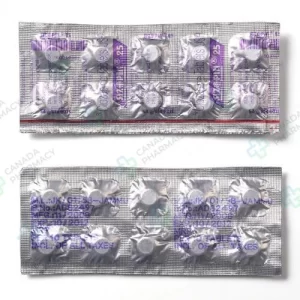
Clozaril
Price range: $ 45,00 through $ 129,00
Active substance: Clozapine
More Details
This product has multiple variants. The options may be chosen on the product page
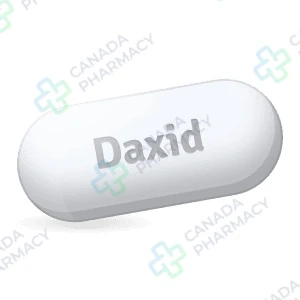
Daxid
Price range: $ 42,00 through $ 229,00
Active substance: Sertraline
More Details
This product has multiple variants. The options may be chosen on the product page

Elavil
Price range: $ 39,00 through $ 222,00
Active substance: amitriptyline
More Details
This product has multiple variants. The options may be chosen on the product page

Emsam
Price range: $ 66,00 through $ 345,00
Active substance: Selegiline
More Details
This product has multiple variants. The options may be chosen on the product page

Geodon
Price range: $ 46,00 through $ 418,00
Active substance: Ziprasidone
More Details
This product has multiple variants. The options may be chosen on the product page

Lexapro
Price range: $ 40,00 through $ 265,00
Active substance: Escitalopram
More Details
This product has multiple variants. The options may be chosen on the product page

Lithium
Price range: $ 16,00 through $ 139,00
Active substance: Lithium
More Details
This product has multiple variants. The options may be chosen on the product page