

-40%
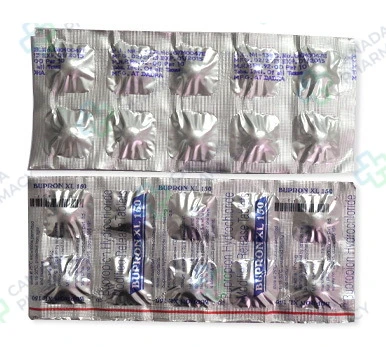
Bupron SR
Price range: $ 50,00 through $ 510,00
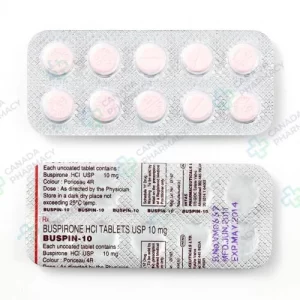
Buspar
Price range: $ 40,00 through $ 118,00
Bupropion
Price range: $ 41,00 through $ 297,00
Bupropion is a highly effective medication primarily used to treat major depressive disorder and seasonal affective disorder. It works by balancing specific natural chemicals in the brain to enhance mood and increase energy levels. This medication is also widely recognized as a powerful aid for smoking cessation, helping to reduce nicotine cravings and withdrawal effects. Many individuals rely on it to prevent the onset of depressive symptoms typically triggered by seasonal changes during the autumn and winter months. By effectively managing these conditions, Bupropion helps patients maintain a more positive outlook and a better quality of life.
Active substance: Bupropion
Delivery: 5–21 days (depending on the shipping method)
Extra 10% discount with coupon: IT4K6SVM
Each dosage option has its own packaging choices.
Description
Bupropion belongs to a class of medications known as aminoketone antidepressants, distinctly separate from selective serotonin reuptake inhibitors (SSRIs) and tricyclic agents. It is a prescription-only drug approved by the US Food and Drug Administration (FDA) primarily for managing major depressive disorder and seasonal affective disorder, as well as serving as an aid in smoking cessation treatment.
Dispensed strictly in accordance with federal and state regulations upon presentation of a valid prescription, bupropion modifies central neurotransmitter levels to achieve its therapeutic objectives. This document outlines essential clinical facts, safety guidelines, and pharmacological specifications relevant to patient care.
Basic Information Overview
What It’s Used For
Bupropion is FDA-approved for the treatment of Major Depressive Disorder (MDD) in adults, helping to alleviate symptoms such as persistent sadness, loss of interest, fatigue, and feelings of worthlessness. The extended-release formulation (XL) is specifically indicated for the prevention of seasonal major depressive episodes in individuals diagnosed with Seasonal Affective Disorder (SAD), typically initiated in the autumn before symptom onset and continued through early spring.
Additionally, bupropion is FDA-approved under specific brand formulations as an adjunct therapy for smoking cessation, aiding in the reduction of nicotine withdrawal symptoms and urge to smoke. Medical prescribers may also utilize bupropion for non-FDA-approved indications. Recognized off-label uses include Attention-Deficit/Hyperactivity Disorder (ADHD) in adults, treatment-resistant depression as an augmentation strategy, hypoactive sexual desire disorder, and management of antidepressant-induced sexual dysfunction caused by SSRIs or SNRIs. Off-label use must always be evaluated and monitored by a qualified healthcare professional.
How the Drug Works
The precise mechanism of bupropion’s therapeutic action is not fully elucidated, but its primary pharmacological effect involves the relatively weak inhibition of neuronal reuptake of dopamine and norepinephrine. By blocking the dopamine transporter (DAT) and norepinephrine transporter (NET), bupropion increases synaptic concentrations of these neurotransmitters within the central nervous system.
Unlike many other antidepressant agents, bupropion does not significantly inhibit monoamine oxidase (MAO) and displays negligible affinity for serotonergic reuptake sites. Furthermore, bupropion exhibits minimal binding affinity for histamine (H1), muscarinic acetylcholine, and alpha-1 adrenergic receptors. This absence of significant anticholinergic, antihistaminic, and alpha-blocking activity accounts for its low propensity to cause sedation, orthostatic hypotension, or dry mouth to the degree observed with tricyclic antidepressants.
Dosing Schedule
Bupropion is available in three oral formulations: Immediate-Release (IR), Sustained-Release (SR), and Extended-Release (XL). The dosing regimen depends on the specific clinical indication, patient response, and formulation prescribed. For major depressive disorder in adults, the standard initial dose of bupropion XL is 150 mg administered once daily in the morning, which may be increased to a target dose of 300 mg once daily after an initial titration period. The maximum recommended daily dose for bupropion XL is 450 mg per day.
For the SR formulation, dosing typically begins at 150 mg once daily and may be increased to 150 mg twice daily (spaced at least 8 hours apart), with a maximum single dose of 200 mg and a maximum total daily dose of 400 mg. IR tablets are usually administered two or three times daily, with single doses not exceeding 150 mg and daily totals capped at 450 mg. Crucial administration requirement: Extended-release (XL) and sustained-release (SR) tablets must be swallowed whole. They must never be crushed, chewed, divided, or dissolved, as altering the tablet structure causes rapid drug release, dramatically elevating peak plasma levels and significantly increasing the risk of epileptic seizures.
What Happens in the Body
Following oral administration, bupropion is rapidly absorbed through the gastrointestinal tract. Peak plasma concentration (Cmax) occurs within approximately 1.5 hours for immediate-release tablets, 3 hours for sustained-release (SR) formulations, and approximately 5 hours for extended-release (XL) formulations. The presence of food does not significantly alter the overall bioavailability or extent of absorption of bupropion tablets.
Bupropion undergoes extensive hepatic metabolism primarily via the cytochrome P450 CYP2B6 isoenzyme system. Metabolism leads to the formation of three active principal metabolites: hydroxybupropion, erythrohydrobupropion, and threohydrobupropion. Hydroxybupropion demonstrates plasma concentrations that exceed those of the parent compound, contributing substantially to the drug’s overall clinical effects. The mean elimination half-life of bupropion ranges between 14 and 24 hours (average ~21 hours). The elimination half-lives of its active metabolites are longer, reaching up to 37 hours for hydroxybupropion. Excretion occurs predominantly via the kidneys, with approximately 87% of the dose eliminated in urine and 10% in feces, mostly as active or inactive metabolites.
If You Skip a Dose
If a dose of bupropion is missed, the patient should skip the missed dose completely and return to the regular dosing schedule at the next designated time. Under no circumstances should a patient take a double dose or extra tablets to make up for a missed administration. Taking elevated single doses or decreasing the time interval between doses causes a sudden spike in plasma concentrations, which directly heightens the risk of central nervous system toxicity and epileptic seizures.
What to Avoid While Taking It
Patients receiving bupropion therapy must exercise caution regarding alcohol consumption. The acute ingestion of alcohol during bupropion treatment, as well as the abrupt cessation of alcohol intake in chronic heavy drinkers, can significantly alter seizure thresholds. The combination of bupropion with alcohol may decrease neuro-tolerance and heighten the incidence of adverse central nervous system events such as neuropsychiatric signs, agitation, or severe dizziness.
Abrupt withdrawal from sedatives, benzodiazepines, or anti-seizure medications while taking bupropion is strictly contraindicated due to an extreme risk of precipitating severe generalized seizures. Patients should consult their prescriber before altering any routine involving alcohol consumption or central nervous system depressants.
What Not to Combine
Bupropion exhibits several clinically significant drug interactions that require careful medical evaluation prior to co-administration:
- Monoamine Oxidase Inhibitors (MAOIs): Co-administration of bupropion with MAOIs (such as phenelzine, tranylcypromine, or linezolid) is strictly contraindicated due to the risk of severe hypertensive reactions. At least 14 days must elapse between discontinuing an MAOI and initiating bupropion therapy.
- CYP2B6 Inhibitors and Inducers: Drugs that inhibit the CYP2B6 enzyme (e.g., ticlopidine, clopidogrel) can significantly increase bupropion exposure. Conversely, CYP2B6 inducers (e.g., ritonavir, efavirenz, carbamazepine, phenobarbital) decrease bupropion blood concentrations, potentially diminishing therapeutic efficacy.
- CYP2D6 Substrates: Bupropion and its active metabolites are potent inhibitors of the CYP2D6 isoenzyme. Co-administration increases plasma levels of drugs metabolized by CYP2D6, including select antidepressants (venlafaxine, fluoxetine, nortriptyline), antipsychotics (haloperidol, risperidone), beta-blockers (metoprolol), and Type 1C antiarrhythmics (propafenone, flecainide). Dosage reductions of these co-administered drugs may be required.
- Seizure Threshold-Lowering Drugs: Extreme caution is required when combining bupropion with other medications known to lower the seizure threshold, such as systemic corticosteroids, theophylline, antipsychotics, or other antidepressants.
Adverse Reactions
Bupropion is generally well tolerated, but like all psychoactive medications, it can produce side effects. The adverse event profile reflects its noradrenergic and dopaminergic activity. Common mild-to-moderate side effects observed in clinical trials include:
- Insomnia and sleep disturbances
- Dry mouth (xerostomia)
- Headache and dizziness
- Nausea, vomiting, and constipation
- Tremor and motor agitation
- Increased sweating (diaphoresis)
- Appetite suppression and weight loss
Less common adverse reactions include tachycardia, mild blood pressure elevation, anxiety, tinnitus, and pharyngitis. Notably, bupropion demonstrates a significantly lower rate of treatment-emergent sexual dysfunction (such as erectile dysfunction or decreased libido) and daytime drowsiness compared to serotonin-selective antidepressants (SSRIs).
Important Precautions
Boxed Warning (Suicidality Risk): Antidepressants, including bupropion, increase the risk of suicidal thoughts and behaviors in children, adolescents, and young adults (ages 18 to 24) during initial stages of treatment (typically the first few weeks) or following dose adjustments. Prescribers and caregivers must closely monitor all patients initiating therapy for clinical worsening, behavioral changes, or emergent suicidal ideation.
Seizure Risk: Bupropion causes a dose-dependent risk of seizures. It is strictly contraindicated in patients with a current seizure disorder, a history of epilepsy, a current or prior diagnosis of bulimia nervosa or anorexia nervosa (due to a higher baseline risk of electrolyte imbalances and seizures), or those undergoing abrupt withdrawal from alcohol or sedatives. The total daily dose must not exceed prescribed caps, and doses must be titrated gradually.
Neuropsychiatric and Mood Effects: Antidepressant treatment can precipitate manic, hypomanic, or mixed episodes in individuals with bipolar disorder. Patients should be screened for bipolar disorder risk prior to starting bupropion. Additionally, severe neuropsychiatric symptoms–including psychosis, hallucinations, paranoia, delusion, and panic–have been reported, requiring prompt clinical reassessment.
Pregnancy, Breastfeeding, and Other Groups
Pregnancy: Bupropion should be used during pregnancy only if the potential therapeutic benefit justifies the potential risk to the fetus. Epidemiological studies evaluating pregnant women exposed to bupropion during the first trimester have not established a clear, definitive link to major congenital malformations, though some registry data suggested potential cardiovascular risks requiring careful individual risk-benefit assessment by an obstetric provider.
Lactation: Bupropion and its active metabolites pass into human breast milk. Because of the potential for serious adverse reactions in nursing infants–including post-marketing reports of infantile seizures–a decision should be made whether to discontinue nursing or discontinue the drug, taking into account the importance of the medication to the mother.
Pediatric Use: Safety and effectiveness in pediatric patients under 18 years of age have not been established for antidepressant or smoking cessation indications.
Hepatic Impairment: Bupropion exposure is markedly increased in patients with hepatic cirrhosis. In patients with severe hepatic impairment, extreme caution is required; dosing must not exceed 150 mg every other day for extended-release formulations.
Red Flags
Certain clinical signs indicate severe, potentially life-threatening adverse reactions that necessitate immediate cessation of the drug and emergency medical evaluation.
Common Questions
How long does it take for bupropion to show therapeutic effects in depression?
While some physiological changes may begin within the first week or two of treatment, noticeable improvements in mood, energy, and sleep patterns typically require 2 to 4 weeks of consistent daily administration. Full antidepressant therapeutic benefits are generally evaluated after 6 to 8 weeks of therapy at an adequate therapeutic dose.
Does bupropion cause weight gain like other antidepressants?
Unlike many SSRIs, tricyclic antidepressants, or atypical antipsychotics, bupropion is generally considered weight-neutral or associated with modest weight loss. In clinical trials, a proportion of patients experienced mild to moderate weight reduction due to its mild appetite-suppressing dopaminergic and noradrenergic properties.
What should be done if insomnia occurs after starting bupropion?
Insomnia is a relatively common early side effect of bupropion due to its activating profile. To minimize sleep disruption, patients taking once-daily extended-release (XL) formulations should take their dose early in the morning. Patients taking twice-daily sustained-release (SR) formulations should take their second dose in the late afternoon (at least 8 hours after the morning dose) rather than close to bedtime.
Is it safe to drive or operate machinery while taking bupropion?
Bupropion can affect central nervous system function, potentially causing dizziness, motor agitation, or altered concentration. Patients should refrain from driving, operating heavy machinery, or engaging in hazardous tasks until they have determined how the medication specifically affects their alertness and cognitive performance.
Can bupropion be stopped abruptly?
Abrupt discontinuation of bupropion is generally not recommended unless severe adverse reactions occur. Although bupropion is not associated with classic SSRI discontinuation syndrome, stopping abruptly can lead to rebound mood symptoms, irritability, or vivid dreams. Dose reduction should occur gradually under the direction of the prescribing clinician.
In accordance with FDA requirements.
Information on this page is for reference and does not replace an assessment by a licensed healthcare professional.
Additional information
| Dosage |
150mg |
|---|---|
| Package |
30 pills ,60 pills ,90 pills ,120 pills ,180 pills ,270 pills ,360 pills |
| Ενεργός Ουσία |
Related products
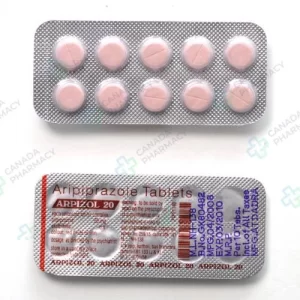
Abilify
Price range: $ 45,00 through $ 413,00
Active substance: Aripiprazole
More Details
This product has multiple variants. The options may be chosen on the product page
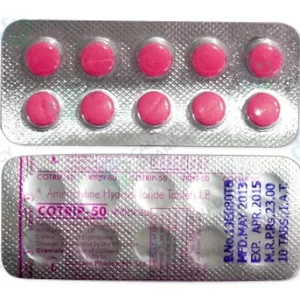
Amitriptyline
Price range: $ 41,00 through $ 114,00
Active substance: amitriptyline
More Details
This product has multiple variants. The options may be chosen on the product page
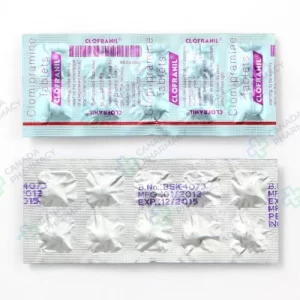
Anafranil
Price range: $ 41,00 through $ 457,00
Active substance: Clomipramine
More Details
This product has multiple variants. The options may be chosen on the product page
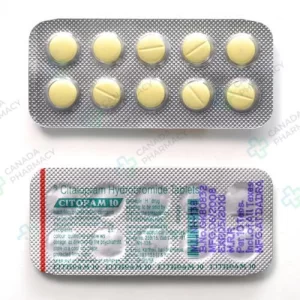
Celexa
Price range: $ 7,00 through $ 193,00
Active substance: Citalopram
More Details
This product has multiple variants. The options may be chosen on the product page
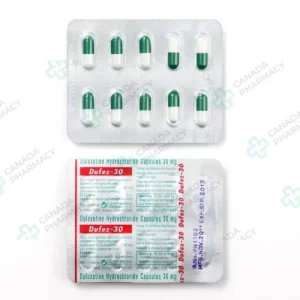
Cymbalta
Price range: $ 46,00 through $ 561,00
Active substance: Duloxetine
More Details
This product has multiple variants. The options may be chosen on the product page

Flunil
Price range: $ 21,00 through $ 138,00
Active substance: Fluoxetine
More Details
This product has multiple variants. The options may be chosen on the product page
Mellaril
Price range: $ 40,00 through $ 427,00
Active substance: Thioridazine
More Details
This product has multiple variants. The options may be chosen on the product page
Pristiq
Price range: $ 73,00 through $ 561,00
Active substance: desvenlafaxine
More Details
This product has multiple variants. The options may be chosen on the product page