

-18%
Prinivil
Price range: $ 40,00 through $ 285,00
Procardia
Price range: $ 28,00 through $ 269,00
Pristiq
Price range: $ 73,00 through $ 561,00
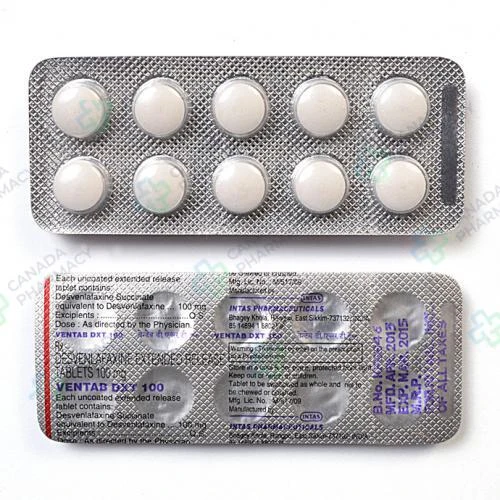
Pristiq is a specialized medication classified as a serotonin-norepinephrine reuptake inhibitor (SNRI). This medication is specifically indicated for the treatment of major depressive disorder in adult patients. It contains the active ingredient desvenlafaxine, which works to restore the natural balance of neurotransmitters in the brain. By targeting both serotonin and norepinephrine, Pristiq helps alleviate symptoms such as persistent sadness, low energy, and loss of interest. The extended-release formula ensures a steady release of the active component for consistent support of emotional stability and mental well-being.
Active substance: desvenlafaxine
Delivery: 5–21 days (depending on the shipping method)
Extra 10% discount with coupon: IT4K6SVM
Each dosage option has its own packaging choices.
Description
Pristiq belongs to a group of medicines called serotonin-norepinephrine reuptake inhibitors (SNRIs). It is prescribed for the treatment of major depressive disorder in adult patients. As an FDA-regulated prescription medication, Pristiq requires an initial clinical evaluation and ongoing supervision by a qualified healthcare professional.
The active ingredient in Pristiq is desvenlafaxine, which is provided in an extended-release formulation designed for once-daily oral administration. This product guide details the pharmacological properties, dosing parameters, potential interactions, and safety precautions associated with Pristiq therapy in the United States.
| Active ingredient (INN) | Desvenlafaxine (as desvenlafaxine succinate) |
| Therapeutic class | Serotonin-norepinephrine reuptake inhibitor (SNRI) |
| Dosage form | Extended-release oral tablet (25 mg, 50 mg, 100 mg) |
| Route of administration | Oral |
| Primary purpose | Major depressive disorder (MDD) in adults |
| Prescription status | Prescription only (Rx) |
Therapeutic Overview and Pharmacokinetics
How the drug works
The mechanism of action of Pristiq is tied to its selective inhibition of neuronal serotonin and norepinephrine reuptake. By blocking the reuptake transport proteins for these two neurotransmitters in the central nervous system, Pristiq increases the synaptic availability of serotonin and norepinephrine. Desvenlafaxine is the primary active metabolite of venlafaxine. It exhibits weak activity as a dopamine reuptake inhibitor but does not display significant affinity for muscarinic-cholinergic, H1-histaminergic, or alpha1-adrenergic receptors in vitro, which minimizes certain anticholinergic and sedative side effects commonly observed with older antidepressant classes.
What it’s used for
Pristiq is explicitly indicated for the treatment of major depressive disorder (MDD) in adults, as established by FDA safety and efficacy trials. Clinical trials demonstrated its efficacy in improving overall mood scores and functional capacity in patients experiencing major depressive episodes. Prescribers may occasionally utilize desvenlafaxine for non-FDA-approved conditions, such as the management of moderate-to-severe vasomotor symptoms (hot flashes) in menopausal women; however, this represents an off-label use. Patients should understand that off-label applications have not received formal FDA approval for those specific clinical endpoints.
What you may notice early on
Patients initiating therapy with Pristiq should be aware that clinical improvement does not occur immediately. During the first few days to weeks of treatment, minor physical changes such as mild alterations in sleep patterns, appetite, or energy levels may appear before noticeable improvements in mood occur. Therapeutic benefits for depressive symptoms typically manifest between 2 to 4 weeks after starting the regimen, with full therapeutic effects sometimes taking up to 6 to 8 weeks. Early transient side effects, including mild nausea, may peak within the first two weeks and gradually subside over time as the body adapts.
What happens in the body
Following oral administration, the absolute oral bioavailability of desvenlafaxine extended-release tablets is approximately 80%. Peak plasma concentrations are reached roughly 7.5 hours post-ingestion. Plasma protein binding of desvenlafaxine is low (approximately 30%) and remains independent of drug concentration. Desvenlafaxine undergoes metabolism primarily via oxidative metabolism (mediated by CYP3A4 to a minor extent) and phase II glucuronide conjugation (mediated by UGT enzymes). The mean elimination half-life of desvenlafaxine is approximately 11 hours. Approximately 45% of an administered dose is excreted unchanged in urine within 72 hours.
Dosing schedule
The recommended dose for Pristiq in the treatment of major depressive disorder is 50 mg once daily, taken with or without food. Clinical studies evaluated dosages ranging from 50 mg to 400 mg per day; however, doses higher than 50 mg per day demonstrated no additional therapeutic benefit while causing a dose-dependent increase in adverse reactions and discontinuation events. Tablets must be swallowed whole with fluid and should not be divided, crushed, chewed, or dissolved. For patients with severe renal impairment or end-stage renal disease, dosing adjustments (such as 50 mg every other day) are required based on creatinine clearance rates.
If you skip a dose
If a planned dose of Pristiq is missed, it should be taken as soon as remembered on the same day. However, if it is almost time for the next scheduled dose, the missed dose should be skipped entirely, and the normal dosing schedule resumed. Patients must never take two doses simultaneously or increase their dose to make up for a missed tablet. Abrupt interruptions in administration can trigger withdrawal symptoms, so consistency in daily timing is essential for maintaining stable plasma concentrations.
Signs of improvement
Evaluating whether Pristiq is effective involves monitoring specific behavioral, emotional, and cognitive symptoms over several weeks. Positive responses include a reduction in persistent feelings of sadness or emptiness, renewed interest in daily activities, improved concentration, and stabilization of sleep architecture. Healthcare providers often utilize standardized clinical scales, such as the Patient Health Questionnaire (PHQ-9), to objectively quantify symptomatic progression during follow-up appointments.
Safety Profile and Patient Precautions
Adverse reactions
The safety profile of Pristiq has been thoroughly documented across clinical trials. The most commonly observed adverse reaction is nausea, occurring in a significant percentage of patients, particularly during initial titration. Other common side effects include hyperhidrosis (excessive sweating), dizziness, insomnia, constipation, somnolence, fatigue, decreased appetite, and anxiety. Pristiq may also cause sexual dysfunction, including erectile dysfunction, decreased libido, and delayed ejaculation. Abrupt cessation of Pristiq can cause discontinuation syndrome, characterized by dizziness, head sensory disturbances (brain zaps), headache, irritability, and electric shock sensations.
Compatibility with other medicines
Co-administration of Pristiq with monoamine oxidase inhibitors (MAOIs) is strictly contraindicated due to the severe risk of serotonin syndrome; at least 14 days must elapse between discontinuing an MAOI and starting Pristiq. Combining Pristiq with other serotonergic agents–including selective serotonin reuptake inhibitors (SSRIs), other SNRIs, triptans, tramadol, lithium, or St. John’s Wort–increases the risk of serotonin syndrome. Concomitant use of Pristiq with nonsteroidal anti-inflammatory drugs (NSAIDs), aspirin, warfarin, or other anticoagulants may alter platelet aggregation and significantly elevate the risk of gastrointestinal or mucosal bleeding.
What to avoid while taking it
Pristiq can be taken regardless of food intake. However, patients are strongly advised to avoid consuming alcohol while undergoing treatment with desvenlafaxine. Alcohol co-ingestion can exacerbate central nervous system depression, impair motor skills, impair judgment, and heighten cognitive impairment. Additionally, because Pristiq may cause dizziness or somnolence, patients should exercise caution when operating heavy machinery or driving until they fully understand how the medication affects their individual alertness.
Important precautions
Pristiq carries a boxed warning regarding an increased risk of suicidal thoughts and behaviors in children, adolescents, and young adults (up to age 24) during initial therapy. Pristiq is not approved for pediatric populations. SNRIs, including Pristiq, can cause sustained elevations in blood pressure; baseline blood pressure must be evaluated prior to initiating treatment and monitored regularly thereafter. Pre-existing hypertension should be controlled before starting Pristiq. Caution is warranted in patients with a history of mania, bipolar disorder, or seizure disorders, as well as in patients at risk for hyponatremia or narrow-angle glaucoma. Pregnant patients should consult their prescriber, as SNRI exposure late in pregnancy may increase risks for neonatal complications or persistent pulmonary hypertension of the newborn (PPHN).
Frequently Asked Questions
What should I do if I notice an empty tablet shell in my stool?
It is not uncommon to observe an intact tablet matrix shell in your stool after taking Pristiq. Pristiq utilizes an extended-release formulation designed to slowly release the active desvenlafaxine medication throughout the digestive tract as it passes through the gastrointestinal system. The insoluble outer shell remains intact and is naturally excreted by the body. This occurrence does not mean that the medication failed to absorb, and no additional dose should be taken.
Can Pristiq cause significant increases in blood pressure?
Yes, treatment with SNRIs like Pristiq is associated with increases in blood pressure due to its effects on norepinephrine reuptake inhibition. In clinical trials, sustained hypertension was observed in some patients receiving desvenlafaxine. Patients should have their blood pressure measured prior to beginning Pristiq and checked periodically throughout treatment. If a sustained elevation in blood pressure occurs, dose reduction or medical management of blood pressure may be required.
Is it safe to stop taking Pristiq abruptly if I feel better?
Discontinuing Pristiq suddenly is strongly discouraged due to the potential onset of discontinuation syndrome. Symptoms of withdrawal may include dizziness, electric shock-like sensations, nausea, sweating, tremor, anxiety, confusion, and sleep disturbances. When stopping Pristiq or adjusting the dosage, healthcare providers typically recommend a gradual, tapered reduction under close medical supervision to minimize these adverse effects.
Does Pristiq interact with common pain relievers like ibuprofen?
Yes, taking Pristiq alongside nonsteroidal anti-inflammatory drugs (NSAIDs) such as ibuprofen, naproxen, or aspirin can increase the risk of bleeding. Desvenlafaxine affects serotonin release by blood platelets, which plays a critical role in blood clotting. When combined with NSAIDs or blood thinners, the likelihood of upper gastrointestinal bleeding or abnormal bruising rises. Discuss alternative pain relief options with your doctor or pharmacist.
How long does desvenlafaxine remain in the human body?
Desvenlafaxine has a mean elimination half-life of approximately 11 hours. In healthy adults with normal renal function, it generally takes about 5 half-lives–or roughly 2 to 3 days–for the majority of the drug to be cleared from the systemic circulation after the final dose. However, renal impairment significantly prolongs clearance times, requiring individualized dosing regimens in affected populations.
In accordance with FDA requirements.
This text is for informational purposes only and does not constitute individual medical advice.
Additional information
| Dosage |
50 mg ,100mg |
|---|---|
| Package |
30 pills ,40 pills ,60 pills ,90 pills ,100 pills ,120 pills ,180 pills ,200 pills ,270 pills ,300 pills ,400 pills |
| Ενεργός Ουσία |
Related products
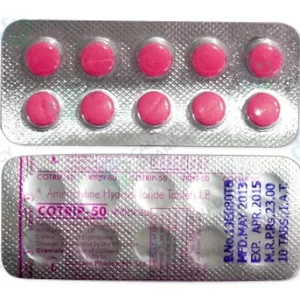
Amitriptyline
Price range: $ 41,00 through $ 114,00
Active substance: amitriptyline
More Details
This product has multiple variants. The options may be chosen on the product page
Bupron SR
Price range: $ 50,00 through $ 510,00
Active substance: Bupropion
More Details
This product has multiple variants. The options may be chosen on the product page
Celexa
Price range: $ 7,00 through $ 193,00
Active substance: Citalopram
More Details
This product has multiple variants. The options may be chosen on the product page
Daxid
Price range: $ 42,00 through $ 229,00
Active substance: Sertraline
More Details
This product has multiple variants. The options may be chosen on the product page

Elavil
Price range: $ 39,00 through $ 222,00
Active substance: amitriptyline
More Details
This product has multiple variants. The options may be chosen on the product page

Flunil
Price range: $ 21,00 through $ 138,00
Active substance: Fluoxetine
More Details
This product has multiple variants. The options may be chosen on the product page
Lithium
Price range: $ 16,00 through $ 139,00
Active substance: Lithium
More Details
This product has multiple variants. The options may be chosen on the product page
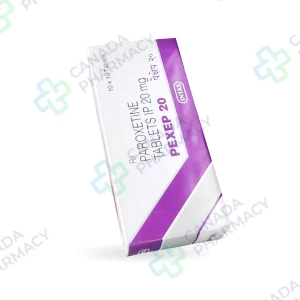
Pexep
Price range: $ 42,00 through $ 162,00
Active substance: paroxetine
More Details
This product has multiple variants. The options may be chosen on the product page