

-49%
Pristiq
Price range: $ 73,00 through $ 561,00
Prograf
Price range: $ 46,00 through $ 792,00
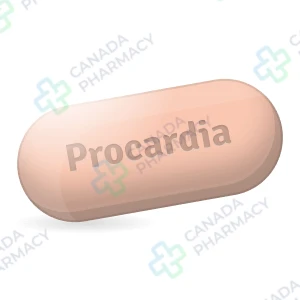
Procardia
Price range: $ 28,00 through $ 269,00
Procardia is a highly effective calcium channel blocker primarily used to manage and treat specific cardiovascular conditions. This medication is officially indicated for the long-term management of chronic stable angina and vasospastic angina to help prevent chest pain. It works by relaxing the muscles of the heart and blood vessels, which significantly improves blood flow and reduces the heart’s workload. By widening the arteries, the active ingredient helps ensure a steady supply of oxygen reaches the heart muscle more efficiently. Utilizing this reliable treatment helps individuals maintain a more active lifestyle while providing consistent support for overall heart health.
Active substance: Nifedipine
Delivery: 5–21 days (depending on the shipping method)
Extra 10% discount with coupon: IT4K6SVM
Each dosage option has its own packaging choices.
Description
Procardia belongs to a group of cardiac medications known as dihydropyridine calcium channel blockers. It contains the active substance nifedipine, which works by inhibiting calcium ion influx across vascular smooth muscle and myocardial cell membranes, thereby promoting systemic arterial relaxation and improving myocardial oxygen delivery.
This prescription medication is dispensed in accordance with applicable federal and state regulations in the United States upon a valid order from a licensed prescriber. It is indicated for the management of specific cardiac conditions, including vasospastic angina and chronic stable angina pectoris.
Key Information Overview
| Attribute | Details |
|---|---|
| Active ingredient (INN) | Nifedipine |
| Dosage form | Oral capsule |
| Route of administration | Oral |
| Primary purpose | Angina pectoris management |
| Prescription status | Prescription (Rx) |
| Dosing (general) | Individualized by prescriber |
Overview and Pharmacological Profile
How the Drug Works
Procardia inhibits the transmembrane influx of extracellular calcium ions into cardiac muscle cells and vascular smooth muscle through voltage-gated L-type calcium channels. By reducing intracellular calcium concentration, nifedipine inhibits the contractile processes of vascular smooth muscle. This action results in significant dilatation of main coronary arteries and arterioles, increasing oxygen supply to the myocardium. Simultaneously, it decreases systemic vascular resistance (afterload), which reduces total cardiac workload and myocardial oxygen consumption without exerting a prominent negative inotropic effect at routine clinical doses.
Main Uses
Procardia is approved by the U.S. Food and Drug Administration (FDA) for two principal cardiovascular indications:
- Vasospastic Angina: Treatment of vasospastic angina (Prinzmetal’s or variant angina), documented by resting electrocardiogram changes or coronary artery spasm.
- Chronic Stable Angina: Management of chronic stable angina pectoris (effort-associated angina) in patients who remain symptomatic despite adequate doses of beta-blockers or who cannot tolerate these agents.
When nifedipine is used for off-label clinical indications–such as Raynaud’s phenomenon or severe hypertensive crises–it must be explicitly prescribed and strictly monitored by a licensed medical provider, as therapeutic protocols for off-label applications differ from standard labeling.
How It’s Absorbed and Eliminated
Following oral administration of Procardia capsules, nifedipine is rapidly and almost completely absorbed from the gastrointestinal tract. However, owing to substantial hepatic first-pass metabolism, its systemic bioavailability ranges between 40% and 70%. Peak plasma concentrations are generally reached within 30 minutes to 2 hours post-ingestion. Plasma protein binding–predominantly to serum albumin–exceeds 90%. Nifedipine undergoes extensive hepatic biotransformation via the cytochrome P450 enzyme system, predominantly the CYP3A4 isoenzyme, into inactive metabolites. Approximately 80% of these metabolites are excreted via the renal system, with the remainder eliminated in feces. The elimination half-life of immediate-release nifedipine ranges from 2 to 5 hours.
Dosing Schedule
Dosage determination for Procardia must be individualized by a healthcare provider based on therapeutic efficacy and blood pressure tolerance. Treatment typically starts at a low dose and is titrated upward over a period of 7 to 14 days to assess patient response. Capsules must be swallowed whole with water. Puncturing, chewing, sublingual administration, or biting immediate-release capsules is strictly discouraged, as rapid systemic absorption can lead to precipitous blood pressure drops, severe reflex tachycardia, or ischemia.
Clinical Parameters and Patient Safety
Compatibility with Other Medicines
Pharmacokinetic interactions with Procardia primarily involve agents that alter hepatic CYP3A4 enzyme activity:
- CYP3A4 Inhibitors: Concomitant administration with potent inhibitors such as ketoconazole, erythromycin, or clarithromycin can significantly increase nifedipine plasma concentrations, resulting in exaggerated hypotensive reactions.
- CYP3A4 Inducers: Agents such as rifampin, carbamazepine, or St. John’s wort accelerate nifedipine metabolism, potentially reducing therapeutic response. Rifampin co-administration is generally avoided.
- Other Antihypertensives and Nitrates: Co-use with beta-blockers, ACE inhibitors, or nitrates produces additive blood pressure-lowering effects, requiring vigilant hemodynamic monitoring.
- Digoxin: Concurrent use may increase plasma digoxin concentrations, necessitating monitoring of digoxin levels during initiation or dosage adjustments.
Adverse Reactions
Adverse reactions associated with Procardia are largely attributable to peripheral vasodilation. Common reported side effects include peripheral edema (lower extremity swelling), dizziness, lightheadedness, headache, flushing, and a sensation of warmth. Gastrointestinal disturbances such as nausea, heartburn, or constipation may also occur. Reflex tachycardia or transient palpitations can develop as a secondary physiologic response to arterial dilation. Patients should report persistent or severe symptoms to their prescriber immediately.
Important Precautions
Procardia requires cautious clinical evaluation in patients with severe aortic stenosis, severe left ventricular dysfunction, or acute myocardial infarction. Marked hypotension can occur, especially during initial dosing or upward titration. Patients with hepatic impairment clear nifedipine more slowly; reduced dosages and careful clinical monitoring are required in this population. Sudden cessation of calcium channel blocker therapy can precipitate acute exacerbation of angina; dose adjustments or discontinuation must occur under direct clinical supervision.
Food and Alcohol Interactions
Dietary factors significantly influence nifedipine metabolism. Grapefruit and grapefruit juice inhibit intestinal CYP3A4 enzymes, leading to increased oral bioavailability and elevated blood levels of nifedipine. Patients should avoid grapefruit products while taking Procardia to reduce the risk of severe hypotension and headaches. Concomitant consumption of alcohol can enhance vasodilatory effects, leading to pronounced orthostatic hypotension, lightheadedness, or syncope.
If You Skip a Dose
If a dose of Procardia is missed, it should be taken as soon as remembered, provided the time for the next scheduled dose is not near. If the next dose is due shortly, the missed dose should be skipped, and the standard schedule resumed. Patients must not double the dose or take extra medication to compensate for a missed capsule.
Special Populations
Administration during pregnancy or breastfeeding requires careful risk-benefit estimation by a licensed prescriber. Nifedipine crosses the placenta and is excreted in small amounts into human milk. Safety and effectiveness in pediatric patients have not been established. Geriatric patients may experience greater hypotensive sensitivity and lower clearance rates, frequently requiring conservative dosing schedules.
Practical Tips
Patients should monitor their blood pressure regularly as advised by their prescriber. Position changes–such as standing up from a seated or lying position–should be done gradually to minimize postural dizziness. Capsules should be stored at room temperature away from light, heat, and moisture, keeping them securely out of reach of children.
Frequently Asked Questions
Can Procardia capsules be opened or crushed before taking?
No. Capsules must be swallowed whole. Opening, biting, or crushing the capsule disrupts the drug delivery mechanism, leading to rapid systemic exposure that increases the risk of severe blood pressure drops.
How rapidly does Procardia exert its pharmacological effect?
The therapeutic onset of immediate-release Procardia occurs within 20 to 30 minutes following oral administration, with peak plasma concentrations typically measured within 1 to 2 hours.
Does Procardia impair the ability to drive or operate machinery?
Procardia may cause dizziness, lightheadedness, or fatigue due to its blood pressure-lowering effects. Patients should evaluate their individual response to the medication before driving or operating complex equipment.
What action should be taken if lower extremity swelling develops?
Peripheral edema is a documented vasodilatory effect of nifedipine. Patients experiencing ankle or foot swelling should contact their healthcare provider to assess whether a dosage adjustment or adjunctive therapy is needed.
Is it acceptable to stop taking Procardia suddenly if symptoms improve?
Abrupt cessation of Procardia can cause a rebound effect, potentially escalating blood pressure or worsening angina episodes. Any modification to treatment must be directed by the prescribing clinician.
Always consult your healthcare provider before starting or changing any treatment. In accordance with FDA requirements, this content is informational and does not replace a consultation with your doctor or pharmacist.
Additional information
| Dosage |
10 mg ,20 mg ,30mg |
|---|---|
| Package |
30 caps ,60 pills ,60 caps ,90 pills ,90 caps ,120 pills ,120 caps ,180 pills ,180 caps ,270 pills ,270 caps ,360 pills |
| Ενεργός Ουσία |
Related products
Albendazole
Price range: $ 46,00 through $ 121,00
Active substance: Albendazole
More Details
This product has multiple variants. The options may be chosen on the product page

Ascorbic Acid
Price range: $ 58,00 through $ 69,00
Active substance: Ascorbic Acid
More Details
This product has multiple variants. The options may be chosen on the product page
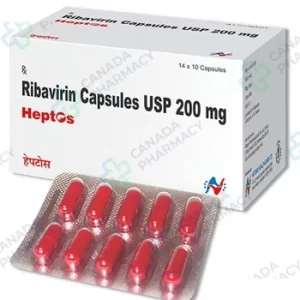
Copegus
Price range: $ 171,00 through $ 452,00
Active substance: ribavirin
More Details
This product has multiple variants. The options may be chosen on the product page
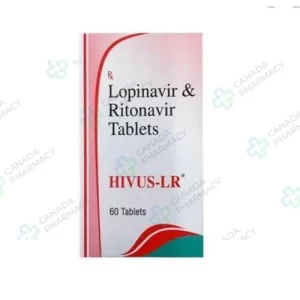
Kaletra
More Details
This product has multiple variants. The options may be chosen on the product page
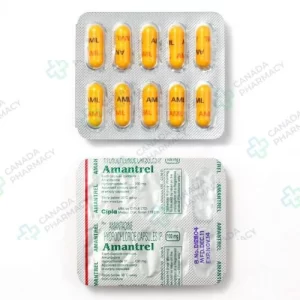
Symmetrel
Price range: $ 47,00 through $ 306,00
Active substance: Amantadine
More Details
This product has multiple variants. The options may be chosen on the product page
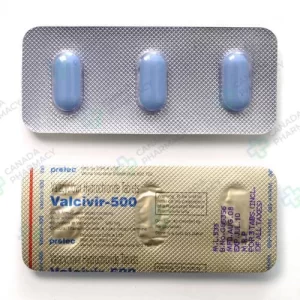
Valtrex
Price range: $ 103,00 through $ 506,00
Active substance: Valacyclovir
More Details
This product has multiple variants. The options may be chosen on the product page
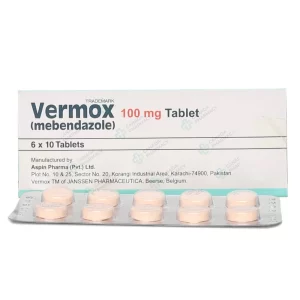
Vermox
Price range: $ 45,00 through $ 136,00
Active substance: Mebendazole
More Details
This product has multiple variants. The options may be chosen on the product page
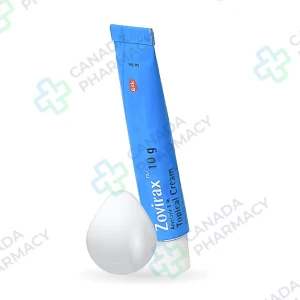
Zovirax Cream
Price range: $ 46,00 through $ 138,00
Active substance: Acyclovir
More Details
This product has multiple variants. The options may be chosen on the product page