

-52%
Procardia
Price range: $ 28,00 through $ 269,00
Promethazine
Price range: $ 43,00 through $ 228,00
Prograf
Price range: $ 46,00 through $ 792,00
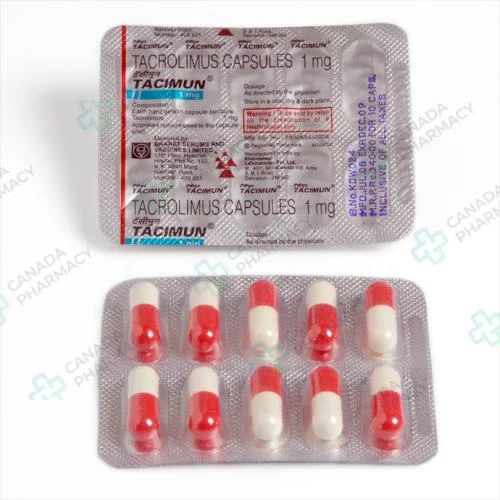
Prograf is a potent immunosuppressant medication primarily used to prevent organ rejection in patients who have undergone a transplant. It is specifically indicated for those who have received a new kidney, liver, or heart. The active ingredient, tacrolimus, works by lowering the body’s natural immune response to help it accept the transplanted organ. By effectively managing the immune system, this medication helps ensure the long-term success and functionality of the graft. Prograf is available in various strengths to provide precise support for individuals during their post-transplant recovery.
Active substance: Tacrolimus
Delivery: 5–21 days (depending on the shipping method)
Extra 10% discount with coupon: IT4K6SVM
Each dosage option has its own packaging choices.
Description
Prograf belongs to a class of immunosuppressive medications known as calcineurin inhibitors. It is prescribed under strict medical supervision to prevent organ rejection in individuals who have received kidney, liver, or heart transplants.
As a prescription-only therapy regulated by the U.S. Food and Drug Administration, Prograf works by lowering the immune system’s response to the transplanted organ. Proper administration and continuous therapeutic drug monitoring are critical to achieving therapeutic efficacy while minimizing potential adverse effects.
| Parameter | Details |
|---|---|
| Active ingredient | Tacrolimus |
| Therapeutic class | Calcineurin inhibitor immunosuppressant |
| Dosage form | Oral capsules, oral granules for suspension, intravenous injection |
| Route of administration | Oral, Intravenous |
| Prescription status | Prescription (Rx) only |
| Primary purpose | Prophylaxis of organ rejection in kidney, liver, and heart transplantation |
| Storage | Store at room temperature 20°C to 25°C (68°F to 77°F) |
Clinical Overview and Therapeutic Use
What it’s used for
Prograf is indicated for the prophylaxis of organ rejection in adult and pediatric patients receiving allogeneic liver, kidney, or heart transplants. In clinical practice, it is often administered in combination with other immunosuppressive agents, such as adrenal corticosteroids, to optimize graft survival. Preventing graft rejection requires maintaining specific concentration ranges in the blood, as under-dosing can lead to immune-mediated organ rejection, while over-dosing increases toxicity risks. Any use of Prograf outside of FDA-approved organ transplant indications–such as in lung transplantation, pancreas transplantation, or graft-versus-host disease–is considered an off-label use and must be evaluated by a qualified specialist.
Mechanism of action
The active component in Prograf, tacrolimus, exerts its immunosuppressive effect by inhibiting T-lymphocyte activation. At the cellular level, tacrolimus binds to an intracellular immunophilin protein known as FKBP-12. The resulting tacrolimus-FKBP-12 complex selectively binds to and inhibits calcineurin, a calcium- and calmodulin-dependent phosphatase enzyme. Inhibition of calcineurin prevents the dephosphorylation and translocation of nuclear factor of activated T-cells (NFAT). Consequently, the transcription of genes encoding signal-transducing cytokines–most notably interleukin-2 (IL-2)–is suppressed, halting T-cell proliferation and reducing the host immune system’s attack on the transplanted tissue.
Dosing schedule
Dosage requirements for Prograf vary significantly among individuals based on the type of organ transplanted, patient body weight, liver function, and concurrent medications. Oral Prograf capsules are typically administered twice daily, exactly 12 hours apart, to maintain stable blood concentrations. Dosing is individualized using therapeutic drug monitoring, where whole blood trough levels are periodically tested right before the next scheduled dose. Doses should be taken consistently relative to meals–either always with food or always on an empty stomach–because food affects bioavailability. Patients must follow the specific dosing instructions prescribed by their transplant team without making adjustments independently.
What happens in the body
Following oral administration, absorption of tacrolimus from the gastrointestinal tract is variable and incomplete, with an average absolute bioavailability ranging between 17% and 25%. Peak plasma concentrations are generally reached within 1.5 to 3 hours after oral intake. Tacrolimus is extensively bound to cellular blood elements, primarily red blood cells, and plasma proteins such as serum albumin and alpha-1-acid glycoprotein. The drug undergoes extensive hepatic and intestinal metabolism via the cytochrome P450 enzyme system, specifically the CYP3A4 and CYP3A5 isozymes. The mean elimination half-life of tacrolimus in whole blood is approximately 12 hours in healthy subjects, but it can range from 18 to 24 hours or longer in transplant recipients. Less than 1% of unchanged drug is excreted in urine, with the primary route of elimination being biliary and fecal clearance.
Safety Profile and Special Instructions
What not to combine
Prograf exhibits extensive metabolic interactions due to its reliance on CYP3A enzymes and P-glycoprotein pathways. Concomitant administration with strong CYP3A4 inhibitors–such as ketoconazole, itraconazole, voriconazole, clarithromycin, and erythromycin–can markedly increase tacrolimus blood concentrations, dramatically elevating the risk of serious nephrotoxicity and neurotoxicity. Conversely, strong CYP3A4 inducers like rifampin, carbamazepine, phenytoin, and St. John’s wort accelerate tacrolimus clearance, reducing blood levels and risking acute graft rejection. Combining Prograf with other nephrotoxic agents, such as cyclosporine, aminoglycosides, or nonsteroidal anti-inflammatory drugs (NSAIDs), increases the potential for renal damage. Furthermore, live attenuated vaccines must be avoided during treatment due to decreased vaccine efficacy and increased risk of infection.
What to avoid while taking it
Patients taking Prograf must strictly avoid consuming grapefruit, grapefruit juice, and Seville oranges, as these foods contain compounds that inhibit CYP3A enzymes in the intestine, leading to potentially dangerous increases in tacrolimus concentration. Consistency with general meal timing is essential; shifting between taking the medication with high-fat meals and on an empty stomach alters drug absorption. Alcohol consumption should be minimized or avoided, as alcohol can worsen central nervous system side effects like dizziness and tremor, while adding metabolic burden to the liver. Additionally, excessive exposure to sunlight or ultraviolet light should be limited due to an elevated risk of skin malignancies associated with long-term immunosuppression.
Adverse reactions
The side effect profile of Prograf is primarily related to its dosage and systemic exposure levels. Common adverse reactions reported in clinical studies include renal dysfunction (nephrotoxicity), tremor, headache, hypertension, insomnia, diarrhea, nausea, and abdominal pain. Electrolyte imbalances are frequently observed, particularly hyperkalemia (high blood potassium) and hypomagnesemia (low blood magnesium). Prograf can also cause metabolic disturbances, including hyperglycemia and the onset of new-onset diabetes mellitus after transplantation (PTDM). Central nervous system toxicities may range from mild tremors and paresthesias to severe encephalopathy, seizures, or visual disturbances. Any sudden worsening of kidney function or severe neurological symptoms requires prompt medical evaluation.
Important precautions
Prograf carries serious warnings regarding the risk of severe infections and malignancies. Patients receiving immunosuppressive regimens are at increased risk of developing bacterial, viral, fungal, and protozoal infections, including opportunistic pathogens and reactivation of latent infections (such as BK virus-associated nephropathy or cytomegalovirus). There is also an elevated risk of developing lymphomas and other malignancies, particularly of the skin. Prograf should be used with caution in patients with hepatic impairment, as reduced drug clearance requires lower doses. During pregnancy, tacrolimus crosses the placenta and has been associated with renal dysfunction and hyperkalemia in neonates; therefore, use during pregnancy occurs only when potential benefits outweigh fetal risks. Women taking Prograf are generally advised not to breastfeed due to drug excretion in human milk.
Day-to-day use
Managing daily treatment with Prograf requires routine organization and precise timing. Patients should establish a consistent schedule for taking their morning and evening doses, spaced 12 hours apart. Regular laboratory monitoring–including whole blood trough levels, serum creatinine, blood urea nitrogen, blood glucose, and electrolytes–is an integral part of ongoing care. When blood draws are scheduled to measure trough levels, the morning dose of Prograf must be delayed until after the blood sample is collected. Wearing sun-protective clothing and applying broad-spectrum sunscreen daily helps mitigate skin cancer risks associated with chronic immunosuppressive therapy.
If you skip a dose
If a dose of Prograf is missed, it should be taken as soon as remembered if it is within a short window of the scheduled time. However, if it is nearly time for the next scheduled dose, the missed dose should be skipped entirely, and the normal dosing schedule should be resumed. Patients should never take a double dose or extra medication to make up for a missed capsule. Frequent missed doses can compromise organ protection and lead to rejection, so patients experiencing difficulty with adherence should consult their healthcare provider or pharmacist for practical strategies.
Storage and expiration
Prograf capsules should be stored at controlled room temperature, between 20°C and 25°C (68°F to 77°F), with permitted excursions between 15°C and 30°C (59°F to 86°F). The medication must be kept in its original container or blister package to protect it from excessive moisture and light. Store Prograf out of the reach of children and pets. Do not use capsules beyond the expiration date printed on the packaging, and dispose of unused or expired medication in accordance with local drug take-back programs or state environmental guidelines.
Common questions
Why do I need regular blood tests while taking Prograf?
Prograf has a narrow therapeutic index, meaning the difference between an effective dose and a toxic dose is very small. Blood tests measure whole blood trough concentrations to ensure the drug stays within the target therapeutic window. Maintaining optimal blood levels helps prevent graft rejection while minimizing risks of kidney damage, high blood pressure, and other dose-related toxicities.
Can I take Prograf with food?
Prograf can be taken with or without food, but consistency is essential. Food, especially high-fat meals, alters how much medication your body absorbs. To keep blood levels stable, choose one method–either taking it always with meals or always on an empty stomach–and maintain that exact pattern every day.
What should I do if I develop a fever or signs of infection?
Because Prograf suppresses your immune system, infections can develop quickly and become severe. If you experience a fever, chills, sore throat, persistent cough, or unexpected fatigue, contact your transplant team or physician immediately. Do not attempt to treat infections with over-the-counter remedies without medical advice.
Is it safe to receive vaccinations while taking Prograf?
Live attenuated vaccines (such as the measles, mumps, rubella, or live flu vaccines) should be avoided while taking Prograf because your suppressed immune system may allow the weakened virus to cause disease. Non-live or inactivated vaccines are generally safe, though Prograf may diminish your immune response to the vaccine. Always check with your doctor before receiving any immunizations.
The information presented here is not a substitute for professional medical advice.
In accordance with FDA requirements.
Additional information
| Dosage |
0.5mg ,1mg ,5 mg |
|---|---|
| Package |
10 pills ,20 pills ,30 pills ,60 pills ,90 pills ,120 pills ,180 pills ,270 pills ,360 pills |
| Ενεργός Ουσία |
Related products

Azee DT
Price range: $ 20,00 through $ 42,00
Active substance: Azithromycin
More Details
This product has multiple variants. The options may be chosen on the product page
Bactrim
Price range: $ 41,00 through $ 196,00
Active substance: sulfamethoxazole, trimethoprim
More Details
This product has multiple variants. The options may be chosen on the product page
Cefaclor
Price range: $ 68,00 through $ 3 600,00
Active substance: cefaclor monohydrate
More Details
This product has multiple variants. The options may be chosen on the product page
Cephadex
Price range: $ 16,00 through $ 48,00
Active substance: cephalexin
More Details
This product has multiple variants. The options may be chosen on the product page
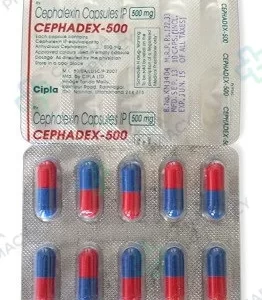
Cephalexin
Price range: $ 39,00 through $ 349,00
Active substance: cephalexin
More Details
This product has multiple variants. The options may be chosen on the product page
Ciloxan Ophthalmic Solution
Price range: $ 50,00 through $ 63,00
Active substance: Ciprofloxacin hydrochloride
More Details
This product has multiple variants. The options may be chosen on the product page
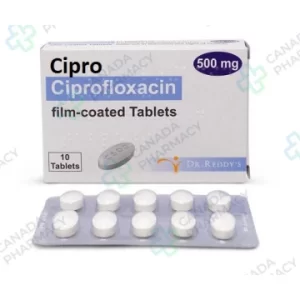
Cipro
Price range: $ 40,00 through $ 317,00
Active substance: Ciprofloxacin
More Details
This product has multiple variants. The options may be chosen on the product page

Cleocin
Price range: $ 91,00 through $ 361,00
Active substance: Clindamycin
More Details
This product has multiple variants. The options may be chosen on the product page