

-12%

Prograf
Price range: $ 46,00 through $ 792,00

Prometrium
Price range: $ 95,00 through $ 477,00
Promethazine
Price range: $ 43,00 through $ 228,00
Promethazine is a versatile medication primarily used to treat various allergic conditions, such as hay fever and skin hives. It effectively relieves uncomfortable symptoms like a runny nose, watery eyes, and itching by blocking histamine in the body. Additionally, this treatment is highly beneficial for preventing and managing motion sickness, nausea, and vomiting. Many also utilize its sedative properties to promote relaxation and calmness before or after surgical procedures. By targeting multiple symptoms, Promethazine offers a reliable solution for maintaining comfort during allergic flares or travel-induced distress.
Active substance: Promethazine
Delivery: 5–21 days (depending on the shipping method)
Extra 10% discount with coupon: IT4K6SVM
Each dosage option has its own packaging choices.
Description
Promethazine belongs to a class of medications known as first-generation H1-receptor antagonists and phenothiazine derivatives. In the United States, it is a prescription-only drug evaluated and approved by the FDA for managing symptoms of allergic conditions, preventing motion sickness, and providing pre- and postoperative sedation. Because it suppresses specific central nervous system pathways, proper clinical supervision is required during treatment.
Dispensed in accordance with applicable federal and state regulations, this medication requires individualized dosing evaluated by a licensed healthcare provider. Understanding how to take promethazine safely helps minimize adverse risks such as pronounced somnolence and severe respiratory depression.
| Parameter | Clinical Detail |
|---|---|
| Active ingredient | Promethazine hydrochloride |
| Therapeutic class | Phenothiazine derivative / Antiemetic / First-generation antihistamine |
| Dosage form | Oral tablets, oral solution, rectal suppositories, injectable solution |
| Route of administration | Oral, rectal, intramuscular (deep IM preferred) |
| Prescription status | Prescription (Rx only) |
| Primary purpose | Antihistaminic relief, motion sickness prevention, antiemetic care, sedation |
Clinical Overview and Pharmacological Profile
How the drug works
Promethazine functions primarily as a competitive antagonist at peripheral and central H1 histamine receptor sites. By blocking histamine binding, it prevents histamine-mediated physiological responses such as vasodilation, increased capillary permeability, and bronchoconstriction. In addition to histamine blockade, promethazine exhibits significant central anticholinergic activity. It acts directly on the medullary chemoreceptor trigger zone (CTZ), which accounts for its potent antiemetic properties in controlling nausea and vomiting. The active compound also displays moderate alpha-adrenergic blocking activity, weak local anesthetic properties, and generalized central nervous system depression. Unlike second-generation antihistamines, promethazine readily crosses the blood-brain barrier, leading to noticeable therapeutic sedation.
What it’s used for
FDA-approved indications for promethazine hydrochloride include the symptomatic treatment of perennial and seasonal allergic rhinitis, vasomotor rhinitis, and allergic conjunctivitis. It is indicated as an adjunct therapy in anaphylactic reactions after acute manifestations have been stabilized with epinephrine. Promethazine is widely prescribed for the prevention and control of nausea and vomiting associated with surgical anesthesia or post-operative recovery. Additionally, it is indicated for motion sickness prophylaxis, light preoperative or postoperative sedation, and routine obstetric sedation during labor. Off-label uses, such as off-label management of acute migraine-associated nausea or refractory insomnia, must be carefully evaluated by a licensed prescriber.
Dosing schedule
Dosage regimens depend strictly on the specific clinical indication, patient age, and observed response. For allergic conditions, the standard adult oral dose is 25 mg taken at bedtime, or 12.5 mg administered before meals and at bedtime if needed. For motion sickness prevention, adults generally take 25 mg twice daily, initiating the first dose 30 to 60 minutes prior to travel. Antiemetic dosing usually involves 12.5 mg to 25 mg administered every 4 to 6 hours as required. Preoperative sedation in adult patients standardly ranges from 25 mg to 50 mg. Administration must adhere strictly to prescriber instructions, and pediatric administration requires extreme caution with precise weight-based adjustments.
What happens in the body
Following oral or rectal administration, promethazine is well absorbed from the gastrointestinal tract. Clinical onset of action occurs within 20 minutes following oral administration or deep intramuscular injection, and within 3 to 5 minutes after intravenous administration. The therapeutic duration typically spans 4 to 6 hours, though sedative effects may persist for up to 12 hours in certain individuals. Promethazine undergoes extensive first-pass hepatic metabolism, converting primarily to promethazine sulfoxide and N-demethylpromethazine. The parent drug and its metabolites are bound to plasma proteins (approximately 90%) and excreted predominantly through the kidneys and feces over several days.
Compatibility with other medicines
Promethazine exhibits significant potential for pharmacokinetic and pharmacodynamic interactions. Concomitant administration with central nervous system (CNS) depressants–including opioids, benzodiazepines, barbiturates, general anesthetics, and alcohol–potentiates central sedation and heightens the risk of respiratory depression. Combining promethazine with anticholinergic agents (such as tricyclic antidepressants or atropine derivatives) increases the incidence of dry mouth, urinary retention, and constipation. Co-administration with monoamine oxidase inhibitors (MAOIs) or neuroleptic agents may elevate the risk of extrapyramidal symptoms or severe hypotension. Prescribers should review all concurrent prescription, OTC, and dietary supplements before initiating therapy.
Safety Guidelines and Clinical Considerations
What side effects may occur
Adverse reactions to promethazine range from mild anticholinergic effects to rare, severe neurological complications. Drowsiness, somnolence, and sedation are the most common side effects observed in clinical practice. Patients may also experience xerostomia (dry mouth), blurred vision, dizziness, tinnitus, urinary retention, and constipation. Cardiovascular manifestations include transient orthostatic hypotension, bradycardia, or tachycardia. Less frequent but severe reactions encompass extrapyramidal symptoms (such as akathisia, dystonia, or tardive dyskinesia), neuroleptic malignant syndrome (NMS), and blood dyscrasias including leukopenia or agranulocytosis. Photosensitivity and cutaneous reactions have also been documented.
Important precautions
A critical black box warning highlights that promethazine is strictly contraindicated in pediatric patients under two years of age due to the risk of severe, potentially fatal respiratory depression. Extreme caution is required when prescribing to children aged two and older, using the lowest effective dose. Promethazine should not be administered via intra-arterial or subcutaneous routes due to severe risk of tissue necrosis and gangrene. Patients with narrow-angle glaucoma, prostatic hypertrophy, stenosing peptic ulcer, bone marrow depression, or severe hepatic impairment require close clinical monitoring. Healthcare providers must evaluate patient history for seizure disorders, as promethazine may lower the seizure threshold.
What to avoid while taking it
Patients taking promethazine must strictly avoid alcohol consumption. Alcohol synergistically intensifies the sedative and hypnotic effects of phenothiazines, significantly impairing cognitive function and motor skills. Promethazine may be taken with or without food; taking it with meals or milk may reduce mild gastrointestinal discomfort. However, patients should avoid grapefruit products if advised by their practitioner, as dietary factors can occasionally alter metabolic pathways. Operating heavy machinery, driving motor vehicles, or performing hazardous tasks is dangerous while under the influence of this drug.
Red flags
Immediate medical evaluation is necessary if severe, life-threatening symptoms arise during treatment. Key clinical red flags include:
- Severe respiratory distress, abnormally slow or shallow breathing, or gasping.
- Signs of Neuroleptic Malignant Syndrome: high fever, severe muscle rigidity, confusion, sweating, or irregular heart rhythms.
- Involuntary muscle movements, facial tics, tremors, or severe motor restlessness (extrapyramidal reactions).
- Sudden swelling of the face, lips, tongue, or throat, accompanied by hives or difficulty swallowing.
- Severe dizziness, lightheadedness, syncope, or a marked drop in blood pressure.
Special populations
Use during pregnancy requires a clear benefit-risk determination by a healthcare provider. Promethazine is classified under FDA Pregnancy Category C, indicating limited human studies; it should be used only if the potential benefit outweighs potential risks to the fetus. The drug is excreted in human breast milk in small amounts, presenting potential risks of sedation or respiratory distress in nursing infants; breastfeeding is generally discouraged during active therapy. Elderly patients often demonstrate increased sensitivity to anticholinergic and sedative effects, placing them at higher risk for confusion, delirium, falls, and urinary hesitation.
Storage and expiration
Promethazine solid oral formulations should be stored at controlled room temperature between 20°C and 25°C (68°F to 77°F), with excursions permitted between 15°C and 30°C (59°F to 86°F). Suppositories should be stored under refrigeration between 2°C and 8°C (36°F to 46°F) to maintain structural integrity. All preparations must be protected from light and moisture in tightly closed, light-resistant containers. Keep out of reach of children and domestic pets. Discard any medication that is past the expiration date printed on the prescription label.
Frequently asked questions
How quickly does promethazine take effect?
When taken orally or administered via rectal suppository, promethazine generally begins working within 20 minutes. Sedative and antiemetic effects reach their peak within 1 to 2 hours after administration. Intramuscular administration exhibits a similar onset of about 20 minutes, whereas intravenous administration acts within 3 to 5 minutes. The total duration of action typically lasts between 4 and 6 hours.
Is it safe to drive after taking a dose?
No, driving or operating machinery after taking promethazine is unsafe. The medication causes significant central nervous system depression, leading to drowsiness, impaired reaction times, and reduced mental alertness. Patients should refrain from driving or engaging in potentially hazardous tasks until they understand how the drug affects them individually.
What should be done if a scheduled dose is missed?
If a dose is missed, it should be taken as soon as remembered, provided it is not almost time for the next scheduled dose. If the next dose is near, skip the missed dose and resume the regular dosing schedule prescribed by your physician. Patients should never double the dose or take extra medicine to make up for a missed application.
Why is promethazine restricted in children under two years old?
Promethazine carries a black box warning prohibiting its use in pediatric patients under two years of age. Clinical evidence demonstrates a substantial risk of severe, potentially fatal respiratory depression in infants and very young children. In children aged two and older, it should be used with extreme caution at the lowest effective dose under strict pediatric supervision.
In accordance with FDA requirements.
This text is for informational purposes only and does not constitute individual medical advice.
Additional information
| Dosage |
25mg |
|---|---|
| Package |
60 pills ,90 pills ,120 pills ,180 pills ,270 pills ,360 pills |
| Ενεργός Ουσία |
Related products
Aristocort
Price range: $ 67,00 through $ 602,00
Active substance: Triamcinolone
More Details
This product has multiple variants. The options may be chosen on the product page

Astelin
Price range: $ 46,00 through $ 193,00
Active substance: Azelastine
More Details
This product has multiple variants. The options may be chosen on the product page
Clarinex
Price range: $ 51,00 through $ 196,00
Active substance: desloratadine
More Details
This product has multiple variants. The options may be chosen on the product page
Decadron
Price range: $ 12,00 through $ 182,00
Active substance: Dexamethasone
More Details
This product has multiple variants. The options may be chosen on the product page

Doxylamine
Price range: $ 10,00 through $ 33,00
Active substance: Doxylamine succinate
More Details
This product has multiple variants. The options may be chosen on the product page
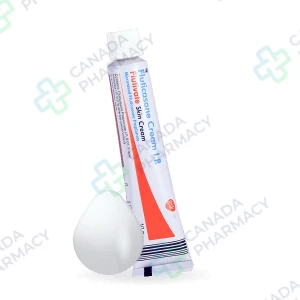
Flutivate Skin Cream
Price range: $ 24,00 through $ 91,00
Active substance: fluticasone
More Details
This product has multiple variants. The options may be chosen on the product page

FML Forte
Price range: $ 43,00 through $ 166,00
Active substance: Fluorometholone
More Details
This product has multiple variants. The options may be chosen on the product page
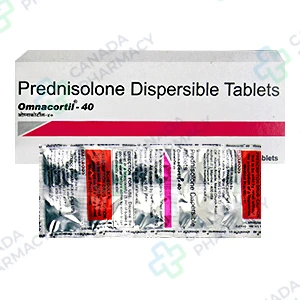
Omnacortil
Price range: $ 51,00 through $ 210,00
Active substance: prednisolone
More Details
This product has multiple variants. The options may be chosen on the product page