

-36%
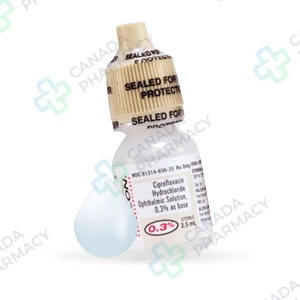
Ciprodex Ophthalmic Solution
Price range: $ 63,00 through $ 95,00
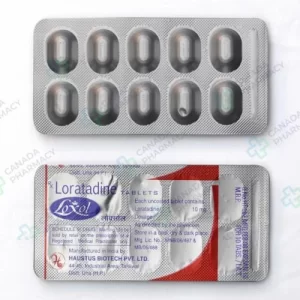
Claritin
Price range: $ 43,00 through $ 143,00
Clarinex
Price range: $ 51,00 through $ 196,00
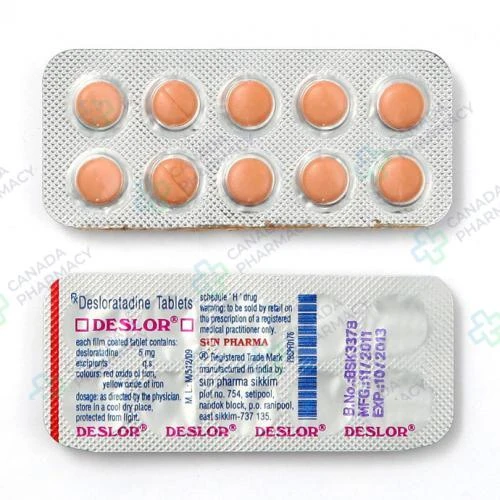
Clarinex is a powerful, long-acting antihistamine designed to provide consistent 24-hour relief from bothersome allergy symptoms. It is specifically formulated to treat seasonal and perennial allergic rhinitis, effectively reducing sneezing, nasal congestion, and itchy, watery eyes. Additionally, this medication is highly effective at managing chronic idiopathic urticaria by alleviating skin itching and reducing the appearance of hives. The non-drowsy formula ensures that you can remain productive and focused while managing your symptoms throughout the day. By blocking histamine receptors, Clarinex helps you maintain your quality of life during peak allergy seasons or when encountering indoor triggers.
Active substance: desloratadine
Delivery: 5–21 days (depending on the shipping method)
Extra 10% discount with coupon: IT4K6SVM
Each dosage option has its own packaging choices.
Description
Clarinex belongs to a group of medicines called second-generation selective peripheral H1-antihistamines. It is prescribed for the symptomatic relief of seasonal allergic rhinitis, perennial allergic rhinitis, and chronic idiopathic urticaria in adult and pediatric patients. In the United States, Clarinex is available by prescription only under applicable federal regulations.
This reference overview outlines essential clinical and pharmacological facts regarding Clarinex, including its active compound, dosing parameters, metabolic properties, and potential adverse reactions.
Basic Information
| Parameter | Details |
|---|---|
| Active ingredient (INN) | Desloratadine |
| Therapeutic class | Histamine H1-receptor antagonist (second-generation) |
| Dosage form | Film-coated oral tablets, orally disintegrating tablets, oral solution |
| Route of administration | Oral |
| Primary purpose | Relief of symptoms associated with allergic rhinitis and chronic hives |
| Prescription status | Prescription (Rx) |
How the drug works
The active substance in Clarinex is desloratadine, a long-acting, non-sedating tricyclic histamine antagonist. Desloratadine represents the primary active metabolite of loratadine. The compound exhibits selective receptor affinity, functioning as a potent antagonist at peripheral H1 receptors without readily crossing the blood-brain barrier under standard therapeutic dosing.
By blocking H1 receptors on effector cells, desloratadine inhibits the physiological actions of endogenous histamine released during allergic cascades. This action suppresses histamine-mediated responses such as vasodilation, increased capillary permeability, itching, mucosal swelling, and smooth muscle contraction. In vitro studies demonstrate that desloratadine also exhibits anti-inflammatory activity, including the inhibition of pro-inflammatory cytokine release from human mast cells and basophils, though the clinical significance of these secondary pathways remains under evaluation.
What it’s used for
Clarinex is indicated for the management of clinical signs and symptoms associated with both seasonal allergic rhinitis (SAR) and perennial allergic rhinitis (PAR). FDA-approved indications include the symptomatic treatment of sneezing, rhinorrhea (runny nose), nasal pruritus (itching), ocular itching, tearing, and redness, as well as itching of the palate.
Additionally, Clarinex is indicated for the symptomatic relief of pruritus and the reduction in the number and size of hives in patients with chronic idiopathic urticaria (CIU). Clinical efficacy has been established in reducing systemic allergic skin responses without causing marked central nervous system depression.
Dosing schedule
The standard dosage of Clarinex for adults and adolescents aged 12 years and older is 5 mg administered orally once daily. For pediatric patients aged 6 to 11 years, the recommended dosage of Clarinex oral solution or disintegrating tablet is 2.5 mg once daily. For pediatric patients aged 12 months to 5 years, the recommended dose of oral solution is 1.25 mg once daily, and for infants aged 6 to 11 months, the recommended dose is 1 mg once daily.
The medication may be taken with or without food. Tablets must be swallowed whole with water, whereas orally disintegrating tablets should be placed on the tongue to dissolve immediately without water. For patients with hepatic insufficiency or renal impairment, an initial starting dose of 5 mg every other day is recommended based on altered pharmacokinetic profiles.
How it’s absorbed and eliminated
Following oral administration, desloratadine is rapidly absorbed from the gastrointestinal tract. Measurable plasma concentrations of desloratadine are detected within 30 minutes, with peak plasma concentrations (Cmax) achieved approximately 3 hours post-dose. The systemic bioavailability of desloratadine is proportional to the administered dose within the range of 5 mg to 20 mg.
Desloratadine and its major active metabolite, 3-hydroxydesloratadine, bind moderately to plasma proteins (approximately 83% to 89%). The drug is extensively metabolized into 3-hydroxydesloratadine via hydroxylation, followed by glucuronidation. The terminal elimination half-life of desloratadine is approximately 27 hours. Approximately 87% of a radiolabeled dose is eliminated equally in urine and feces as metabolic products. A small subset of the population (approximately 7% of Caucasians and African Americans) are slow metabolizers of desloratadine, resulting in higher systemic exposure, though clinical trials demonstrate a comparable safety profile in these individuals.
Compatibility with other medicines
Clinical drug interaction studies have been conducted evaluating the co-administration of Clarinex with cytochrome P450 inhibitors such as erythromycin, ketoconazole, azithromycin, fluoxetine, and cimetidine. Concurrent administration with erythromycin or ketoconazole increased plasma concentrations of desloratadine and 3-hydroxydesloratadine, but no clinically significant changes in the safety profile, electrocardiographic parameters (including QTc intervals), or adverse events were observed.
Desloratadine does not inhibit CYP3A4 or CYP2D6 enzymes, nor is it a substrate or inhibitor of P-glycoprotein in a manner that clinically alters the metabolism of concomitant drugs. However, combining Clarinex with other central nervous system depressants or sedating antihistamines is generally evaluated by a healthcare professional to avoid cumulative pharmacodynamic effects.
Adverse reactions
In controlled clinical trials involving patients treated for allergic rhinitis and chronic idiopathic urticaria, the incidence of adverse events reported with Clarinex 5 mg was similar to that observed with placebo. The most frequently reported adverse reactions in adult populations include:
- Pharyngitis (sore throat)
- Dry mouth
- Myalgia (muscle pain)
- Somnolence (drowsiness)
- Dysmenorrhea (painful menstruation)
- Fatigue and asthenia
Post-marketing surveillance has identified rare reports of severe hypersensitivity reactions, including anaphylaxis, angioedema, dyspnea, pruritus, rash, and urticaria. Elevated liver enzymes, hepatitis, jaundice, movement disorders, seizures, and palpitations have also been reported rarely. Patients experiencing signs of severe hypersensitivity should discontinue use immediately.
Important precautions
Careful clinical evaluation is required before prescribing Clarinex to patients with pre-existing renal impairment or hepatic dysfunction. Dose adjustments (such as alternate-day dosing) are recommended due to decreased clearance of the active drug and its metabolite in these clinical populations.
Caution should also be exercised in patients with a history of medical conditions involving seizures. Cases of severe convulsions have been reported rarely in patients taking desloratadine, particularly in pediatric patients or those with a prior history of epilepsy. If a patient experiences a seizure during therapy, Clarinex treatment should be discontinued.
Food and alcohol interactions
Food does not significantly alter the bioavailability or absorption rate of desloratadine. Controlled clinical studies demonstrated that high-fat, high-calorie meals or grapefruit juice have no clinical effect on the distribution or pharmacokinetic profile of Clarinex. Consequently, the drug may be administered without regard to meal timing.
In clinical pharmacology studies, single doses of Clarinex co-administered with alcohol did not increase alcohol-induced impairment in cognitive performance or motor skills beyond the effects produced by alcohol alone. Nevertheless, caution is recommended when consuming alcohol concurrently with any medication affecting the peripheral or central histamine systems.
If you skip a dose
If a prescribed dose of Clarinex is missed, the patient should take the missed dose as soon as remembered on the same day. However, if it is nearly time for the next scheduled dose, the missed dose should be skipped, and the regular dosing schedule resumed.
Patients should be instructed not to double the dose to compensate for a forgotten tablet or oral solution. Taking more than the recommended daily dose does not increase therapeutic efficacy and may increase the probability of drowsiness and fatigue.
Storage and expiration
Clarinex tablets and oral solution should be stored at controlled room temperature between 20°C and 25°C (68°F to 77°F), with permitted excursions between 15°C and 30°C (59°F to 86°F). The medication must be kept protected from excessive heat, direct light, and moisture.
Keep the medicine in its original container tightly closed and out of reach of children and pets. Do not use Clarinex past the expiration date printed on the packaging or bottle label. Unused or expired medication should be disposed of in accordance with local drug take-back programs or state waste management guidelines.
Pregnancy, breastfeeding, and other groups
Desloratadine is classified for use during pregnancy only if the potential benefit outweighs the potential risk to the fetus. Animal reproduction studies did not show drug-induced developmental toxicity at systemic exposures significantly higher than human therapeutic doses; however, adequate and well-controlled studies in pregnant women are limited.
Desloratadine passes into human breast milk. Because of the potential for adverse reactions in nursing infants, a decision should be made whether to discontinue nursing or discontinue the drug, taking into account the clinical importance of the medication to the mother. Safety and efficacy of Clarinex oral solution have been established in pediatric patients down to 6 months of age for perennial allergic rhinitis and chronic idiopathic urticaria.
Frequently asked questions
Is Clarinex safe to take before driving or operating heavy machinery?
At the recommended therapeutic dose of 5 mg daily, Clarinex is generally non-sedating and does not typically affect psychomotor performance. However, individual clinical responses may vary, and a small percentage of patients experience somnolence. Patients should assess their individual response to the medication before engaging in activities that require full mental alertness, such as driving or operating machinery.
How quickly does Clarinex begin relieving allergy symptoms?
Clinical studies show that initial symptom relief with Clarinex typically occurs within 1 to 3 hours following oral administration. Peak plasma concentrations are reached in approximately 3 hours, providing consistent 24-hour control over nasal and non-nasal symptoms with once-daily dosing.
Can Clarinex be taken continuously for long-term chronic hives?
Clarinex is indicated for the long-term symptomatic treatment of chronic idiopathic urticaria. Clinical trials have evaluated safety and efficacy over extended periods of several weeks to months. The duration of therapy should be determined by a licensed healthcare provider based on the persistence of symptoms and periodic clinical re-evaluation.
What should be done if an accidental overdose of Clarinex occurs?
In the event of an overdose, standard measures to remove unabsorbed active substance should be considered, alongside symptomatic and supportive therapy. In clinical trials involving single doses up to 45 mg (9 times the recommended daily dose), no clinically relevant adverse effects were observed. Desloratadine and 3-hydroxydesloratadine are not eliminated by hemodialysis.
Does Clarinex cause dry mouth or dry eyes as common side effects?
Dry mouth is one of the recognized anticholinergic-like side effects reported in clinical trials, occurring in approximately 3% of adult patients taking Clarinex 5 mg. Dry eyes may also occur infrequently. Staying hydrated or using artificial tears may help manage these mild symptoms, but persistent discomfort should be discussed with a doctor.
In accordance with FDA requirements.
This text is for informational purposes only and does not constitute individual medical advice.
Additional information
| Dosage |
5mg |
|---|---|
| Package |
60 pills ,90 pills ,120 pills ,180 pills ,270 pills ,360 pills |
| Ενεργός Ουσία |
Related products
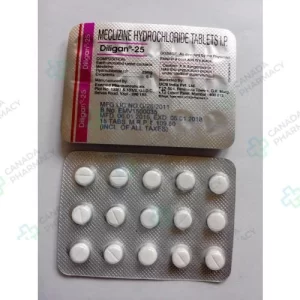
Antivert
Price range: $ 45,00 through $ 121,00
Active substance: Meclizine
More Details
This product has multiple variants. The options may be chosen on the product page
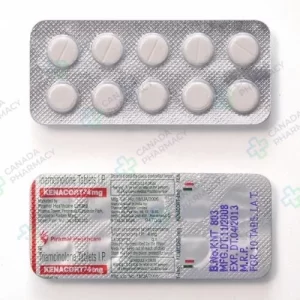
Aristocort
Price range: $ 67,00 through $ 602,00
Active substance: Triamcinolone
More Details
This product has multiple variants. The options may be chosen on the product page
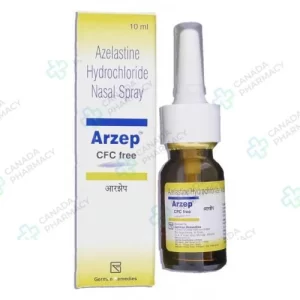
Astelin
Price range: $ 46,00 through $ 193,00
Active substance: Azelastine
More Details
This product has multiple variants. The options may be chosen on the product page
Claritin
Price range: $ 43,00 through $ 143,00
Active substance: Loratadine
More Details
This product has multiple variants. The options may be chosen on the product page
Decadron
Price range: $ 12,00 through $ 182,00
Active substance: Dexamethasone
More Details
This product has multiple variants. The options may be chosen on the product page
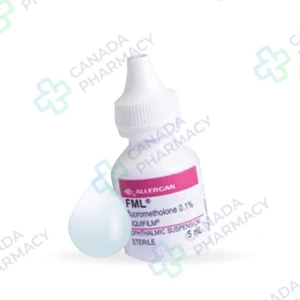
FML Forte
Price range: $ 43,00 through $ 166,00
Active substance: Fluorometholone
More Details
This product has multiple variants. The options may be chosen on the product page
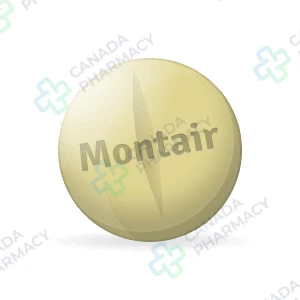
Montair
Price range: $ 19,00 through $ 45,00
Active substance: Montelukast
More Details
This product has multiple variants. The options may be chosen on the product page
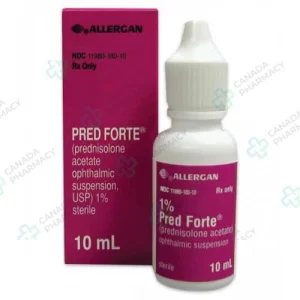
Pred Forte
Price range: $ 42,00 through $ 72,00
Active substance: prednisolone
More Details
This product has multiple variants. The options may be chosen on the product page