

-34%
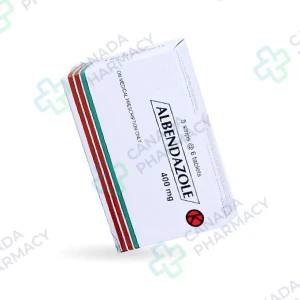
Alavert
Price range: $ 47,00 through $ 118,00
Albenza
Price range: $ 47,00 through $ 129,00
Albendazole
Price range: $ 46,00 through $ 121,00
Albendazole is a potent anthelmintic medication specifically formulated to treat various types of parasitic worm infections. It works by interfering with the energy metabolism of parasites, effectively eliminating them from the body. This medication is widely used to manage systemic conditions like neurocysticercosis and hydatid disease caused by tapeworms. Additionally, it provides a reliable solution for common intestinal issues involving pinworms, hookworms, and roundworms. By targeting these parasites directly, Albendazole helps to restore normal health and prevent further complications.
Active substance: Albendazole
Delivery: 5–21 days (depending on the shipping method)
Extra 10% discount with coupon: IT4K6SVM
Each dosage option has its own packaging choices.
Description
Albendazole belongs to a class of anti-parasitic medications known as benzimidazole anthelmintics. It is an FDA-approved prescription drug primarily prescribed to treat specific systemic larval tapeworm infections in the human body. Because the medication targets complex tissue-invading parasites, precise dosing schedules and regular laboratory monitoring under the supervision of a healthcare provider are required.
As a prescription-only therapy in the United States, albendazole is dispensed strictly in accordance with federal and state regulations. Treatment strategies vary based on patient weight, the specific parasitic organism involved, and individual tolerance to the medication.
| Active ingredient | Albendazole |
| Therapeutic class | Anthelmintic agent |
| Dosage form | Oral tablet |
| Route of administration | Oral |
| Prescription status | Prescription only (Rx) |
| Primary purpose | Treatment of tissue-invading parasitic tapeworm larvae |
Overview and Clinical Indications
What it’s used for
Albendazole is specifically labeled by the FDA for the treatment of two main larval parasitic conditions. The first is parenchymal neurocysticercosis, an infection of the central nervous system caused by the larval form of the pork tapeworm, Taenia solium. The second primary indication is cystic hydatid disease of the liver, lung, and peritoneum, caused by the larval stage of the dog tapeworm, Echinococcus granulosus. On one hand, albendazole provides an effective pharmacological approach to resolving tissue cysts that might otherwise require surgical intervention; on the other hand, managing these infections requires careful medical oversight due to potential inflammatory responses as the parasites die.
In clinical practice, infectious disease specialists may occasionally utilize albendazole for off-label indications, such as cutaneous larva migrans, giardiasis, microsporidiosis, or toxocariasis. These off-label uses represent applications outside the formal FDA-approved product labeling, and decisions regarding their use rely on individualized clinical judgment and diagnostic findings.
How the drug works
Albendazole exerts its anthelmintic effect by interfering with the structural integrity of the parasite’s intestinal cells. Specifically, the active compound binds to parasite beta-tubulin, inhibiting its polymerization into cellular microtubules. This loss of intracellular microtubules disrupts crucial transport and metabolic processes within the parasite, including glucose uptake.
As a result of impaired energy metabolism, glycogen stores within the parasite are depleted, and adenosine triphosphate (ATP) production declines significantly. Unable to sustain necessary biological functions, the parasite experiences structural degeneration and ultimate death. Because human tubulin binds albendazole with lower affinity than helminth tubulin, the drug demonstrates selective toxicity toward parasitic organisms.
What happens in the body
Following oral administration, albendazole is poorly absorbed from the gastrointestinal tract due to low water solubility. However, systemic absorption is substantially altered by food. When administered concurrently with a high-fat meal, systemic absorption increases up to fivefold compared to administration in a fasted state. Once absorbed, albendazole rapidly undergoes extensive first-pass metabolism in the liver.
The primary active metabolite formed is albendazole sulfoxide, which achieves measurable concentrations in plasma, tissue, and cystic fluid. The terminal elimination half-life of albendazole sulfoxide ranges generally between 8 and 12 hours. The metabolite is widely distributed throughout body tissues, including cerebrospinal fluid and hydatid cyst fluid, before being further metabolized and cleared primarily through biliary elimination, with less than 1% excreted in the urine as active metabolite.
What you may notice early on
Patients initiating therapy should understand that albendazole does not produce immediate symptomatic relief. Because the elimination of tissue-invading larvae relies on progressive cellular disruption and immune clearance, treatment effects manifest over days to weeks. During the initial days of treatment, particularly for neurocysticercosis, patients may experience an temporary increase in localized neurological symptoms. This occurs because dying parasites release foreign antigens that trigger a localized inflammatory response within the brain tissue. Healthcare providers routinely prescribe adjunctive medications to mitigate early treatment reactions.
Safety, Monitoring, and Administration
Dosing Schedule
Dosing for albendazole is tailored to the specific indication, patient body weight, and response to therapy. For individuals weighing 60 kg (132 lbs) or more, standard regimens typically involve 400 mg administered twice daily. For individuals weighing under 60 kg, dosing is generally calculated on a body-weight basis (for example, 15 mg/kg per day divided into two daily doses, up to a maximum total daily dose of 800 mg).
The duration of treatment differs considerably between conditions. Neurocysticercosis treatment typically spans 8 to 30 days depending on response and cyst location. Conversely, cystic hydatid disease often requires extended treatment structured in 28-day cycles followed by a 14-day drug-free interval, repeated for a total of three complete cycles. Tablets are taken orally and are usually swallowed whole with water during meals, though they may be crushed or chewed for patients unable to swallow intact tablets.
Adverse Reactions
Side effects associated with albendazole range from mild gastrointestinal symptoms to transient laboratory abnormalities. Understanding the side effect profile allows patients to distinguish expected, manageable effects from signs of severe adverse events.
- Gastrointestinal symptoms: Abdominal discomfort, mild nausea, vomiting, or diarrhea.
- Central nervous system effects: Headache, dizziness, or mild lightheadedness during early therapy.
- Hepatic changes: Reversible elevations in serum liver enzymes (ALT and AST).
- Dermatological reactions: Reversible hair thinning (alopecia), mild skin rashes, or itching.
- Hematologic shifts: Transient decrease in white blood cell counts (leukopenia).
Red Flags
While minor side effects can occur, certain signs necessitate urgent evaluation by a healthcare professional. Emergency medical attention should be sought if any of the following critical symptoms develop:
- Signs of severe hypersensitivity, including swelling of the face, lips, tongue, or throat, or severe breathing difficulties.
- New or worsening neurological symptoms such as seizures, severe or unremitting headache, extreme dizziness, or sudden vision changes.
- Signs of significant bone marrow suppression, including sudden high fever, chills, persistent sore throat, or unexpected bleeding and bruising.
- Signs of liver injury, such as yellowing of the skin or eyes (jaundice), dark-colored urine, light-colored stools, or severe right upper quadrant abdominal pain.
Important precautions
Safe administration of albendazole requires systematic laboratory monitoring. Severe adverse events, including bone marrow suppression (granulocytopenia, agranulocytosis, pancytopenia) and hepatotoxicity, have been documented. Prior to beginning each 2-week cycle of therapy, and every two weeks during treatment, a complete blood count (CBC) and liver function tests (ALT, AST, bilirubin) must be performed. If white blood cell counts or liver enzymes show marked clinically significant alterations, therapy may need to be suspended or discontinued.
In patients treated for neurocysticercosis, steroid therapy (such as oral or intravenous corticosteroids) and anticonvulsant medications are routinely co-administered. Corticosteroids help prevent acute elevations in intracranial pressure caused by the inflammatory response to dying larvae, while anticonvulsants reduce the risk of seizure activity during the treatment window.
Special populations
Pregnancy: Albendazole has demonstrated embryotoxicity and teratogenicity in animal reproduction studies. Consequently, it should not be used during pregnancy unless no alternative therapy exists. Women of childbearing potential should obtain a negative pregnancy test prior to starting therapy and use effective contraception during treatment and for at least three days following the final dose.
Breastfeeding: Albendazole and its active metabolite are excreted into human milk in low amounts. Caution is advised when prescribing albendazole to nursing women, and nursing mothers should discuss potential risks and alternative feeding strategies with their healthcare provider.
Pediatric and Elderly Use: Experience in children under 6 years of age is limited for certain indications. Weight-based dosing must be adhered to strictly in pediatric patients. In elderly patients, dosing considerations should account for the higher frequency of decreased hepatic, renal, or cardiac function, as well as concomitant disease states.
Compatibility with other medicines
Albendazole interacts with several commonly used medications, which can alter its concentration in the bloodstream and tissues:
- Dexamethasone: Concurrent use increases steady-state plasma concentrations of albendazole sulfoxide by approximately 56%.
- Praziquantel: Co-administration with praziquantel increases peak plasma concentrations and area under the curve (AUC) of albendazole sulfoxide by roughly 40%.
- Cimetidine: Increases albendazole sulfoxide concentrations in bile and cystic fluid, potentially enhancing drug accumulation.
- Hepatic Inducers (e.g., Carbamazepine, Phenobarbital, Phenytoin): May lower systemic concentrations of active albendazole sulfoxide, potentially reducing therapeutic efficacy.
What to avoid while taking it
Dietary consistency is important during albendazole therapy. Because high-fat meals increase drug absorption by up to five times, patients should maintain consistent dietary habits relative to dose timing to prevent fluctuating blood levels. Patients should avoid heavy alcohol consumption during treatment to minimize additive stress on the liver, given that both alcohol and albendazole are processed by hepatic metabolic pathways.
Common Questions
Why must albendazole be taken with a fatty meal for tissue infections?
Albendazole has poor natural solubility in water. Consuming high-fat foods–such as milk, butter, or eggs–alongside the tablet significantly enhances intestinal dissolution and systemic absorption. For infections located outside the gut, such as tissue cysts in the liver or brain, higher systemic drug absorption is essential to achieve therapeutic tissue levels.
What happens if laboratory tests show elevated liver enzymes?
Mild, transient elevations in liver enzymes occur in some patients taking albendazole. If routine blood tests reveal enzyme elevations significantly above normal limits, your physician may temporarily interrupt treatment. In most cases, enzyme levels return to normal baseline values after pausing or completing therapy.
Is hair loss from albendazole permanent?
Hair thinning or reversible alopecia is a known, less common side effect associated with albendazole treatment. This hair loss is typically temporary and non-permanent. Hair growth usually returns to normal after the course of medication is completed.
Is it safe to drive while taking this medication?
Albendazole can occasionally cause dizziness, somnolence, or headache. Patients should evaluate how the medication affects their alertness before operating machinery or driving a vehicle, particularly during the first few days of therapy.
What should I do if a dose is missed?
If a dose is missed, it should be taken as soon as remembered on the same day with a meal. However, if it is almost time for the next scheduled dose, skip the missed dose and resume the regular dosing schedule. Double doses should not be taken to make up for a missed tablet.
In accordance with FDA requirements.
Information on this page is for reference and does not replace an assessment by a licensed healthcare professional.
Additional information
| Dosage |
400mg |
|---|---|
| Package |
90 pills ,120 pills ,180 pills ,270 pills ,360 pills |
| Ενεργός Ουσία |
Related products

Adalat
Price range: $ 41,00 through $ 267,00
Active substance: Nifedipine
More Details
This product has multiple variants. The options may be chosen on the product page

Atacand
Price range: $ 42,00 through $ 383,00
Active substance: Candesartan
More Details
This product has multiple variants. The options may be chosen on the product page
Biktarvy
$ 800,00
More Details
This product has multiple variants. The options may be chosen on the product page
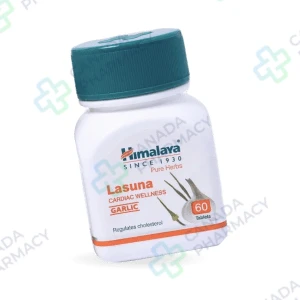
Lasuna
Price range: $ 58,00 through $ 244,00
Active substance: extracts of garlic
More Details
This product has multiple variants. The options may be chosen on the product page
Medex
Price range: $ 41,00 through $ 144,00
Active substance: Coumadin
More Details
This product has multiple variants. The options may be chosen on the product page
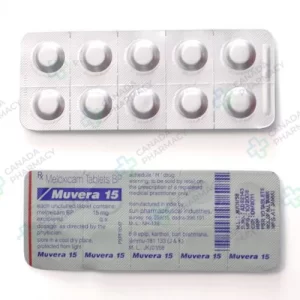
Mobic
Price range: $ 18,00 through $ 140,00
Active substance: meloxicam
More Details
This product has multiple variants. The options may be chosen on the product page
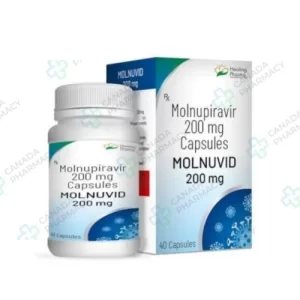
Molnupiravir
Price range: $ 229,00 through $ 706,00
Active substance: Molnupiravir
More Details
This product has multiple variants. The options may be chosen on the product page

Symmetrel
Price range: $ 47,00 through $ 306,00
Active substance: Amantadine
More Details
This product has multiple variants. The options may be chosen on the product page