

-23%
Modvigil
Price range: $ 61,00 through $ 759,00
Montair
Price range: $ 19,00 through $ 45,00
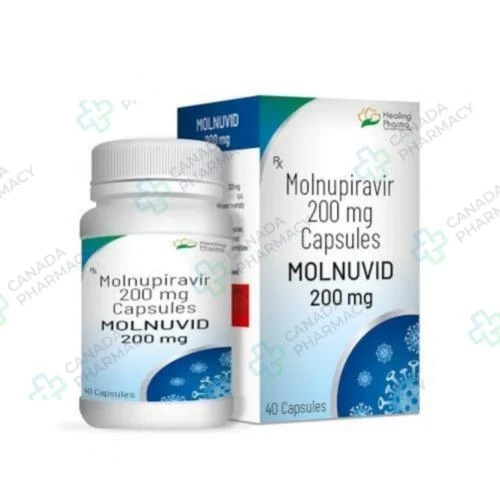
Molnupiravir
Price range: $ 229,00 through $ 706,00
Molnupiravir is an advanced oral antiviral medication specifically designed to treat mild-to-moderate COVID-19 in adults. This treatment is particularly effective for individuals who are at a higher risk of developing severe complications from the virus. By interfering with the viral replication process, the medication helps the body manage the infection more efficiently. Clinical evidence indicates that timely use of this antiviral can significantly lower the chances of hospitalization for those affected. Each course is formulated to support a faster recovery and minimize the overall impact of the respiratory illness on your health.
Active substance: Molnupiravir
Delivery: 5–21 days (depending on the shipping method)
Extra 10% discount with coupon: IT4K6SVM
Each dosage option has its own packaging choices.
Description
Molnupiravir belongs to a class of antiviral medications known as nucleoside analogues. It is authorized by the U.S. Food and Drug Administration (FDA) under an Emergency Use Authorization (EUA) for specific adult patient populations.
This medication requires a prescription from a licensed healthcare provider and is dispensed in accordance with applicable federal and state regulations. Treatment must be evaluated individually based on patient health status and risk factors.
| Parameter | Details |
|---|---|
| Drug name | Molnupiravir |
| Active ingredient (INN) | Molnupiravir |
| Therapeutic class | Antiviral (Nucleoside Analogue) |
| Dosage form | Oral capsule |
| Route of administration | Oral |
| Primary purpose | Treatment of mild-to-moderate COVID-19 in high-risk adults |
| Prescription status | Prescription only (FDA Emergency Use Authorization) |
Pharmacological Profile and Clinical Use
Main uses
Molnupiravir is indicated for the treatment of mild-to-moderate coronavirus disease 2019 (COVID-19) in adults who have received a positive result from direct SARS-CoV-2 viral testing. The authorization specifically applies to individuals who are at high risk for progression to severe COVID-19, including hospitalization or death. Furthermore, it is reserved for clinical scenarios where alternative treatment options authorized by the FDA are not accessible or clinically appropriate. Molnupiravir is not authorized for use in patients who are hospitalized due to COVID-19, as clinical benefit has not been established when treatment is initiated post-hospitalization. Additionally, it is not authorized for pre-exposure or post-exposure prophylaxis.
How the drug works
The mechanism of action of molnupiravir relies on viral mutagenesis. Molnupiravir is a prodrug that is rapidly metabolized to the ribonucleoside analogue N4-hydroxycytidine (NHC). NHC enters infected host cells, where it is phosphorylated by cellular kinases into its active intracellular form, NHC triphosphate (NHC-TP). During viral replication, the SARS-CoV-2 RNA-dependent RNA polymerase incorporates NHC-TP into viral RNA instead of cytidine or uridine. This incorporation leads to an accumulation of errors across the viral genome during subsequent replication cycles, a process known as error catastrophe. Consequently, the virus loses its capacity to replicate effectively, resulting in a reduction of viral load in host tissues.
What happens in the body
Following oral administration, molnupiravir is absorbed efficiently and converted in plasma to its active metabolite, NHC. Systemic exposure to unchanged parent molnupiravir remains minimal because conversion occurs rapidly prior to reaching systemic circulation. Peak plasma concentrations of NHC are reached approximately 1.5 hours after oral ingestion. NHC exhibits a mean elimination half-life of approximately 3.3 hours. Metabolism of NHC occurs through endogenous RNA pathways rather than primary cytochrome P450 hepatic pathways, and renal clearance represents a minor elimination pathway. Protein binding of NHC in human plasma is low, remaining under 1%. Pharmacokinetic parameters show no clinically significant changes in individuals with mild or moderate renal or hepatic impairment.
Dosing schedule
The authorized dosage of molnupiravir for adult patients is 800 mg administered orally every 12 hours for a total duration of 5 days. Each 800 mg dose consists of four 200 mg capsules taken swallowed whole. Treatment should be initiated as soon as possible following a positive SARS-CoV-2 diagnosis and within 5 days of symptom onset. Administration of molnupiravir for longer than 5 consecutive days is not authorized under FDA guidelines. Capsules may be taken with or without food. If a patient misses a dose by more than 10 hours, the missed dose should be skipped, and the regular schedule resumed without doubling the next dose.
Safety Guidelines and Precautions
Adverse reactions
Clinical data show that molnupiravir is generally tolerated, though adverse events can occur during the 5-day regimen. The most frequently reported adverse reactions include diarrhea, nausea, and dizziness. These reactions were predominantly mild or moderate in severity during clinical evaluations and resolved without requiring medical intervention or therapy cessation. Hypersensitivity reactions, including anaphylaxis, urticaria, and rash, have been reported rarely in post-authorization monitoring. Patients experiencing symptoms of a severe allergic reaction or unexpected physical deterioration should discontinue the medication and seek immediate medical attention.
Important precautions
Molnupiravir carries specific warnings regarding bone growth toxicity and reproductive safety. The drug is not authorized for use in pediatric patients under 18 years of age because it may affect bone and cartilage growth, as demonstrated in animal studies. Embryo-fetal toxicity is another critical consideration; therefore, molnupiravir is not recommended during pregnancy unless a prescribing clinician determines that benefits outweigh the potential risks. Females of childbearing potential must use reliable contraception during treatment and for 4 days after completing the final dose. Males of reproductive potential who are sexually active with females of childbearing potential must use effective contraception during treatment and for at least 3 months following the final dose.
Compatibility with other medicines
Based on in vitro and clinical evaluation data, molnupiravir demonstrates a low potential for drug interactions. Neither molnupiravir nor its active metabolite NHC acts as an inhibitor or inducer of major cytochrome P450 (CYP) enzymes, such as CYP3A4, CYP2D6, or CYP2C9. Furthermore, NHC is not a major substrate or inhibitor of key transporter proteins, including P-glycoprotein (P-gp) or organic anion/cation transporters. Consequently, concomitant administration of common prescription or over-the-counter medications typically does not require dosage adjustments. Patients should nevertheless provide their healthcare provider with a complete list of current medications to ensure therapeutic safety.
First days of treatment
During the initial days of treatment, adherence to the 12-hour dosing interval is crucial. Although viral replication begins to decline after initiation, physical symptoms of viral infection may persist for several days. It is necessary to complete the full 5-day course even if clinical improvement occurs prior to completing all doses. Patients should monitor for unexpected gastrointestinal discomfort or signs of hypersensitivity during the first 48 to 72 hours of therapy.
If you skip a dose
If a dose of molnupiravir is missed within 10 hours of the scheduled time, the patient should take the missed dose immediately upon remembering and continue with the standard 12-hour cycle. If more than 10 hours have passed since the scheduled time, the patient must skip the missed dose and resume the normal schedule at the next designated time. Patients must not take two doses at the same time to make up for a missed dose.
Special populations
In elderly patients, no dosage adjustment of molnupiravir is required based solely on age, as clinical studies demonstrated comparable safety profiles across adult age groups. Patients with renal impairment (mild, moderate, or severe) do not require dosage modifications because renal excretion is not the primary route of elimination for NHC. Similarly, hepatic impairment does not significantly alter NHC exposure, so dose adjustments are unnecessary in patients with impaired liver function. Breastfeeding is not recommended during molnupiravir therapy and for 4 days after the final dose due to unknown effects on nursing infants.
Storage and expiration
Molnupiravir capsules should be stored at controlled room temperature between 20°C and 25°C (68°F to 77°F), with permitted excursions between 15°C and 30°C (59°F to 86°F). Store the medication in its original container, tightly closed, and protected from heat and excessive moisture. Keep out of reach of children and pets. Do not use capsules past the expiration date indicated on the packaging. Expired or unused medication should be disposed of through community pharmacy take-back programs or in accordance with federal and local disposal guidelines.
How soon after symptoms start should Molnupiravir be taken?
Molnupiravir must be initiated as soon as possible after receiving a positive SARS-CoV-2 test result and within 5 days of initial symptom onset. Clinical efficacy relies on early administration to suppress viral replication before advanced inflammatory stages occur. Initiating treatment beyond the 5-day window after symptom onset is not authorized, as effectiveness has not been established past this timeframe.
Can Molnupiravir be taken with food?
Yes, molnupiravir can be taken with or without food. Clinical pharmacokinetic studies demonstrate that taking the capsules alongside a high-fat meal does not lead to clinically meaningful alterations in the absorption or total exposure of the active metabolite NHC.
Why is Molnupiravir not recommended during pregnancy?
Animal reproduction studies showed potential embryo-fetal toxicity and developmental risks when molnupiravir was administered at therapeutic exposures. Consequently, healthcare providers avoid prescribing this medication during pregnancy unless alternative authorized options are unavailable and the potential benefits clearly justify the risk.
Does Molnupiravir prevent transmission of the virus to others?
Molnupiravir is authorized strictly to treat active mild-to-moderate infection in the prescribed individual. It is not approved for pre-exposure or post-exposure prophylaxis to prevent transmission. Patients taking molnupiravir must continue following public health guidelines regarding isolation to minimize viral spread.
Source and disclaimer
Information on this page is for reference and does not replace an assessment by a licensed healthcare professional. In accordance with FDA requirements.
Additional information
| Dosage |
200 mg |
|---|---|
| Package |
1 bottles ,2 bottles ,3 bottles ,4 bottles |
| Ενεργός Ουσία |
Related products
Acivir Pills
Price range: $ 51,00 through $ 200,00
Active substance: Acyclovir
More Details
This product has multiple variants. The options may be chosen on the product page

Ascorbic Acid
Price range: $ 58,00 through $ 69,00
Active substance: Ascorbic Acid
More Details
This product has multiple variants. The options may be chosen on the product page
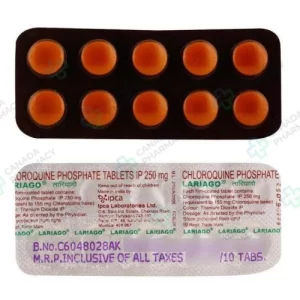
Chloroquine
Price range: $ 41,00 through $ 402,00
Active substance: Chloroquine
More Details
This product has multiple variants. The options may be chosen on the product page
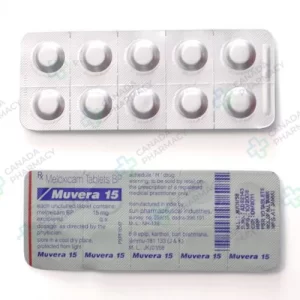
Mobic
Price range: $ 18,00 through $ 140,00
Active substance: meloxicam
More Details
This product has multiple variants. The options may be chosen on the product page
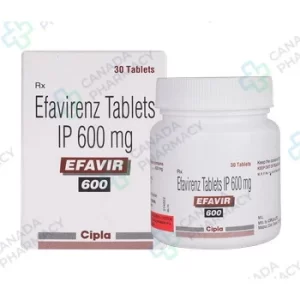
Sustiva
Price range: $ 47,00 through $ 2 412,00
Active substance: Efavirenz
More Details
This product has multiple variants. The options may be chosen on the product page
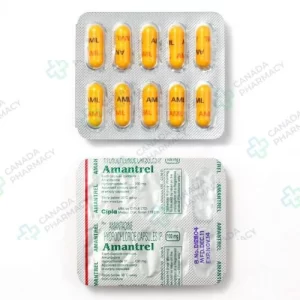
Symmetrel
Price range: $ 47,00 through $ 306,00
Active substance: Amantadine
More Details
This product has multiple variants. The options may be chosen on the product page
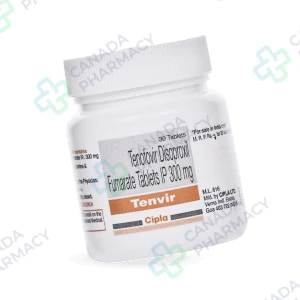
Tenvir
Price range: $ 52,00 through $ 140,00
Active substance: Tenofovir Disoproxil Fumarate
More Details
This product has multiple variants. The options may be chosen on the product page
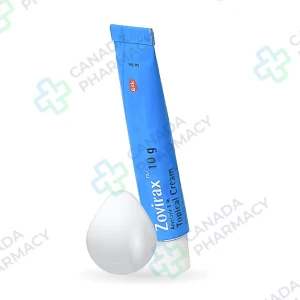
Zovirax Cream
Price range: $ 46,00 through $ 138,00
Active substance: Acyclovir
More Details
This product has multiple variants. The options may be chosen on the product page