

-40%


Suprax
Price range: $ 44,00 through $ 338,00

Symbicort
Price range: $ 46,00 through $ 132,00
Sustiva
Price range: $ 47,00 through $ 2 412,00
Sustiva is a potent non-nucleoside reverse transcriptase inhibitor (NNRTI) specifically designed for the management of HIV-1 infection. It functions by inhibiting the activity of the reverse transcriptase enzyme, which prevents the virus from replicating within the body’s immune cells. This medication is typically used as part of a comprehensive antiretroviral treatment regimen to ensure maximum efficacy in lowering viral loads. It is indicated for use in both adults and pediatric patients who meet the specific clinical requirements for treatment. By consistently suppressing the virus, Sustiva helps support long-term immune system health and improves the overall quality of life for individuals living with HIV-1.
Active substance: Efavirenz
Delivery: 5–21 days (depending on the shipping method)
Extra 10% discount with coupon: IT4K6SVM
Each dosage option has its own packaging choices.
Description
Sustiva belongs to a class of antiretroviral medications known as non-nucleoside reverse transcriptase inhibitors (NNRTIs). It is prescribed in combination with other antiretroviral agents for the treatment of human immunodeficiency virus type 1 (HIV-1) infection in adult and pediatric patients weighing at least 3.5 kg.
As a prescription-only medication regulated by the US Food and Drug Administration (FDA), Sustiva requires careful administration under the ongoing supervision of a licensed healthcare provider. It does not cure HIV-1 infection or prevent the transmission of the virus to others.
Clinical Overview of Sustiva
| Parameter | Specification |
|---|---|
| Active ingredient | Efavirenz |
| Therapeutic class | Non-nucleoside reverse transcriptase inhibitor (NNRTI) |
| Dosage form | Oral capsules, oral tablets |
| Route of administration | Oral |
| Prescription status | Prescription only (Rx) |
| Primary purpose | Treatment of HIV-1 infection in combination antiretroviral therapy |
Pharmacological Profile
How the drug works
Sustiva acts as a non-competitive inhibitor of the HIV-1 reverse transcriptase enzyme. The active ingredient, efavirenz, binds directly to the active site of the viral reverse transcriptase enzyme, causing a conformational change that disrupts the enzyme’s catalytic site. This blockade prevents the virus from converting its viral RNA into single-stranded and double-stranded proviral DNA. By suppressing proviral DNA synthesis, Sustiva halts viral replication within human host CD4+ T-cells. Sustiva is specifically active against HIV-1 and does not inhibit HIV-2 reverse transcriptase or human cellular DNA polymerases alpha, beta, gamma, or delta.
What happens in the body
Following oral administration, peak plasma concentrations of efavirenz are typically achieved within 3 to 5 hours. Efavirenz exhibits high plasma protein binding, primarily to human serum albumin, exceeding 99%. The drug undergoes extensive hepatic metabolism primarily via the cytochrome P450 enzyme system, specifically the CYP2B6 and CYP3A4 isoenzymes. Efavirenz induces its own metabolism over time, leading to a terminal elimination half-life of approximately 40 to 55 hours after multiple doses. Excretion occurs predominantly through feces (as unabsorbed drug and metabolites) and urine (primarily as hydroxylated metabolites).
Safety Profile and Precautions
Main uses
Sustiva is indicated for the treatment of HIV-1 infection in adults and pediatric patients who are at least 3 months old and weigh at least 3.5 kg. According to FDA labeling, Sustiva must always be administered in combination with other antiretroviral medications; monotherapy with Sustiva is contraindicated due to the rapid emergence of viral resistance. It is not indicated for the cure of HIV infection or acquired immunodeficiency syndrome (AIDS). Prescribers evaluate viral load, CD4 cell count, and baseline resistance testing prior to initiating combination regimens containing this agent.
Adverse reactions
Central nervous system (CNS) symptoms are among the most frequently reported adverse reactions associated with Sustiva. These include dizziness, insomnia, impaired concentration, somnolence, and abnormal dreams. CNS events usually commence during the first or second day of therapy and generally resolve within 2 to 4 weeks of continuous use. Other common side effects include mild-to-moderate skin rash, nausea, headache, fatigue, and elevated serum cholesterol and triglyceride levels. Serious adverse events may include severe psychiatric reactions, such as severe depression, suicidal ideation or attempts, psychosis, and severe hepatotoxicity.
Important precautions
Healthcare prescribers monitor patients closely for psychiatric symptoms and skin eruptions during therapy. Patients with a history of psychiatric disorders require heightened vigilance, as serious behavioral changes can occur. Sustiva should be discontinued if severe skin rash accompanied by blistering, desquamation, fever, or mucosal involvement develops. Hepatic function tests should be monitored prior to initiation and periodically throughout therapy, especially in individuals with underlying liver diseases such as hepatitis B or C. Use in pregnant women requires careful evaluation of clinical benefits versus risks, as fetal harm has been documented in animal studies and registry data.
Compatibility with other medicines
Sustiva interacts significantly with numerous pharmaceuticals due to its induction of CYP3A4 and CYP2B6 enzymes. Co-administration with drugs highly dependent on CYP3A4 clearance–such as triazolam, midazolam, pimozide, or ergot alkaloids–is contraindicated due to the potential for severe, life-threatening adverse events. Concomitant use with St. John’s Wort, rifampin, or carbamazepine may substantially decrease efavirenz plasma concentrations, potentially leading to treatment failure and viral resistance. Sustiva may also lower plasma levels of hormonal contraceptives, requiring patients to utilize alternative or additional reliable barrier methods of contraception.
Administration Guidelines
Dosing schedule
The standard recommended dosage of Sustiva for adults and pediatric patients weighing at least 40 kg is 600 mg orally once daily. Dosing for pediatric patients weighing less than 40 kg is determined by body weight in accordance with FDA guidelines. It is strongly advised to take Sustiva on an empty stomach, preferably at bedtime. Administration with meals, especially high-fat food, significantly increases drug absorption and plasma concentration, which can markedly increase the incidence and severity of central nervous system side effects. Capsules should be swallowed whole with water; for patients unable to swallow capsules, contents may be mixed with a small amount of soft food immediately before administration.
Food and alcohol interactions
Food intake markedly affects Sustiva bioavailability. Consuming high-fat meals prior to or with a dose can increase peak serum concentrations by up to 39%, substantially raising the risk of central nervous system toxicity. Therefore, Sustiva should consistently be taken on an empty stomach. Alcohol consumption should be restricted or avoided while taking Sustiva, as alcohol can exacerbate central nervous system depression, dizziness, altered concentration, and drowsiness.
If you skip a dose
Maintaining consistent plasma concentrations of Sustiva is critical to preventing the development of drug-resistant HIV strains. If a dose is missed, it should be taken as soon as remembered, unless it is almost time for the next scheduled dose. Patients must never double the dose to compensate for a missed administration. If multiple doses are missed, the patient should contact their prescribing healthcare provider promptly to evaluate viral suppression status and discuss adherence strategies.
Patient Guidance
First days of treatment
During the initial days of Sustiva therapy, patients frequently experience neuro-psychiatric effects such as lightheadedness, vivid dreams, or difficulty falling asleep. Taking the medication at bedtime on an empty stomach helps minimize the intensity of these symptoms during daytime hours. Most early CNS effects decrease in severity after two to four weeks as the body adjusts to the medication. Patients are advised not to drive or operate machinery if affected by dizziness or impaired concentration during this introductory phase.
Red flags
Immediate medical intervention is required if a patient experiences severe symptoms during treatment. Patients should seek emergency medical care if they develop severe depression, thoughts of self-harm or suicide, hallucinations, or extreme confusion. Immediate medical evaluation is also necessary upon signs of severe hypersensitivity, including widespread rash with skin peeling, facial or lingual swelling, difficulty breathing, yellowing of the skin or eyes (jaundice), or severe upper abdominal pain accompanied by persistent nausea.
Common Questions
Is it normal to experience intense or unusual dreams after starting Sustiva?
Yes. Central nervous system symptoms, including vivid or abnormal dreams, hallucinations, and sleep disturbances, are documented side effects of Sustiva. These symptoms typically emerge within the first two days of treatment and often subside after two to four weeks. Taking the dose at bedtime on an empty stomach can help decrease the disruption caused by these events. If symptoms remain severe or disturbing, consult your prescriber.
Can Sustiva cause false-positive results on drug screening tests?
Yes. Sustiva has been reported to cause false-positive screening tests for cannabinoids (marijuana) when using certain automated screening assays. A positive screening result does not prove drug use and should be confirmed using a more specific chemical methodology, such as gas chromatography/mass spectrometry (GC/MS). Always inform testing facilities of all prescription medications you are taking.
How long do the dizziness and central nervous system effects typically last?
For the majority of patients, central nervous system symptoms such as dizziness, lightheadedness, and impaired concentration diminish significantly within two to four weeks after beginning therapy. If these symptoms persist beyond a month or significantly interfere with daily activities, your healthcare provider should evaluate your treatment plan.
What should female patients consider regarding birth control while taking Sustiva?
Sustiva can reduce the efficacy of hormonal contraceptives, including birth control pills, implants, and injections. Women of childbearing potential should utilize a reliable barrier method of contraception (such as condoms) in conjunction with other contraceptive measures during Sustiva treatment. It is essential to discuss family planning and birth control strategies with your prescriber before initiating therapy.
Can Sustiva be taken at any time of day?
While Sustiva is taken once daily, administration at bedtime on an empty stomach is strongly recommended. Bedtime dosing allows peak drug levels to occur while sleeping, which helps minimize daytime dizziness, drowsiness, and concentration difficulties. Taking the dose with food must be avoided to prevent excessive drug absorption.
This text is for informational purposes only and does not constitute individual medical advice.
In accordance with FDA requirements.
Additional information
| Dosage |
200mg ,600mg |
|---|---|
| Package |
10 pills ,20 pills ,30 pills ,60 pills ,90 pills ,120 pills ,180 pills ,270 pills ,360 pills |
| Ενεργός Ουσία |
Related products

Ascorbic Acid
Price range: $ 58,00 through $ 69,00
Active substance: Ascorbic Acid
More Details
This product has multiple variants. The options may be chosen on the product page

Atacand
Price range: $ 42,00 through $ 383,00
Active substance: Candesartan
More Details
This product has multiple variants. The options may be chosen on the product page
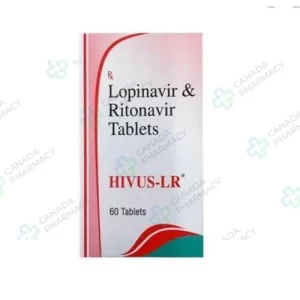
Kaletra
More Details
This product has multiple variants. The options may be chosen on the product page
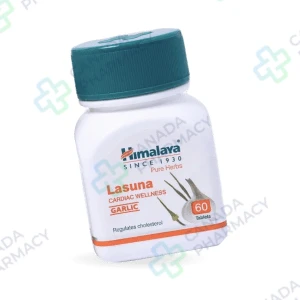
Lasuna
Price range: $ 58,00 through $ 244,00
Active substance: extracts of garlic
More Details
This product has multiple variants. The options may be chosen on the product page
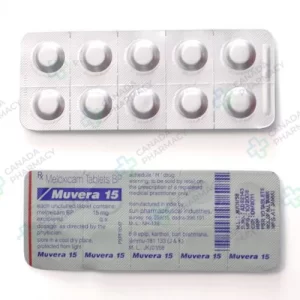
Mobic
Price range: $ 18,00 through $ 140,00
Active substance: meloxicam
More Details
This product has multiple variants. The options may be chosen on the product page

Starlix
Price range: $ 40,00 through $ 288,00
Active substance: Nateglinide
More Details
This product has multiple variants. The options may be chosen on the product page

Symmetrel
Price range: $ 47,00 through $ 306,00
Active substance: Amantadine
More Details
This product has multiple variants. The options may be chosen on the product page

Tamiflu
Price range: $ 66,00 through $ 427,00
Active substance: Oseltamivir
More Details
This product has multiple variants. The options may be chosen on the product page