

-28%
Tadora
Price range: $ 61,00 through $ 420,00
Tamoxifen
Price range: $ 43,00 through $ 209,00
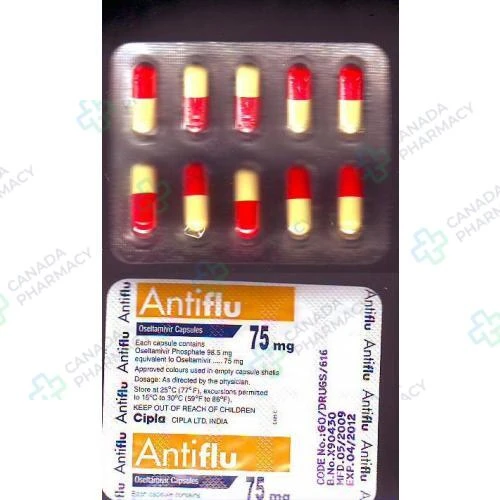
Tamiflu
Price range: $ 66,00 through $ 427,00
Tamiflu is a highly effective antiviral medication specifically designed to treat and prevent influenza types A and B. By attacking the flu virus directly, it helps stop the infection from spreading further throughout your body. This treatment is proven to shorten recovery time, allowing you to get back to your normal routine faster. It effectively alleviates common flu symptoms such as fever, cough, congestion, and body aches when taken at the first sign of illness. Additionally, it can be used as a preventative measure to help keep you healthy after being exposed to someone with the flu.
Active substance: Oseltamivir
Delivery: 5–21 days (depending on the shipping method)
Extra 10% discount with coupon: IT4K6SVM
Each dosage option has its own packaging choices.
Description
Tamiflu belongs to a class of antiviral medications known as neuraminidase inhibitors. It is prescribed for the treatment and prevention of acute, uncomplicated influenza A and B infection in eligible adult and pediatric populations. Proper administration requires a valid prescription from a licensed healthcare provider following appropriate clinical evaluation in accordance with federal and state regulations.
This reference document provides objective clinical information regarding the active compound oseltamivir phosphate, including therapeutic indications, administration parameters, safety considerations, and pharmacological properties.
| Attribute | Details |
|---|---|
| Active ingredient (INN) | Oseltamivir phosphate |
| Therapeutic class | Antiviral agent, Neuraminidase inhibitor |
| Dosage form | Oral capsule (30 mg, 45 mg, 75 mg); Powder for oral suspension (6 mg/mL) |
| Route of administration | Oral |
| Prescription status | Prescription only (Rx) |
| Primary purpose | Treatment and prophylaxis of influenza A and B viral infections |
Clinical Overview and Pharmacologic Profile
Main uses
Tamiflu is indicated for the treatment of acute, uncomplicated influenza types A and B in patients 2 weeks of age and older who have exhibited flu symptoms for no more than 48 hours. In addition, the medication is approved for the prophylaxis (prevention) of influenza A and B in adults and pediatric patients 1 year of age and older. Clinical efficacy depends heavily on early initiation after symptom onset or known viral exposure. Tamiflu is not indicated for the treatment or prevention of non-influenza viral respiratory infections, such as the common cold or respiratory syncytial virus (RSV). Furthermore, antiviral therapy is not a substitute for annual influenza vaccination.
How the drug works
The active moiety of Tamiflu, oseltamivir carboxylate, acts as a selective inhibitor of the influenza virus neuraminidase enzyme. Neuraminidase is a surface glycoprotein essential for the release of newly formed viral particles from infected host cells and their subsequent spread throughout the respiratory tract. By binding to and inhibiting the enzymatic activity of neuraminidase, oseltamivir carboxylate prevents virion release and limits viral replication. This mechanism decreases viral shedding and attenuates the duration and severity of systemic and respiratory symptoms associated with influenza infection.
What happens in the body
Following oral administration, oseltamivir phosphate is rapidly absorbed from the gastrointestinal tract and extensively converted by hepatic esterases into its active metabolite, oseltamivir carboxylate. At least 75% of an oral dose reaches systemic circulation as the active metabolite. Food co-administration does not significantly alter the bioavailability or systemic exposure of oseltamivir carboxylate, though it enhances gastrointestinal tolerability. The active metabolite is widely distributed throughout body tissues, including respiratory mucosal secretions. Oseltamivir carboxylate is eliminated primarily by the kidneys via glomerular filtration and active tubular secretion, exhibiting an elimination half-life of approximately 6 to 10 hours in adults with normal renal function.
Dosing schedule
For the treatment of acute influenza in adults and adolescents aged 13 years and older, the standard recommended oral dosage is 75 mg taken twice daily for 5 consecutive days. Treatment should be initiated within 48 hours of symptom onset. For post-exposure prophylaxis in adults and adolescents, the standard dosage is 75 mg taken once daily for at least 10 days following exposure. Pediatric dosages for both treatment and prophylaxis are determined based on body weight or age using capsules or the reconstituted oral suspension formulation. In patients with renal impairment characterized by a creatinine clearance less than 60 mL/min, specific dosage adjustments are required to prevent drug accumulation.
If you skip a dose
If a scheduled dose of Tamiflu is missed, it should be taken as soon as remembered, provided the next scheduled dose is not due within 2 hours. If the next dose is scheduled within 2 hours, the missed dose should be omitted, and the regular dosing schedule resumed. Patients must not double the dose to compensate for a missed administration. Adherence to the full prescribed course is critical to ensure optimal therapeutic response and to minimize the risk of emerging viral resistance.
Patient Safety and Practical Considerations
Adverse reactions
The most common adverse reactions reported in clinical trials of Tamiflu are nausea, vomiting, headache, and abdominal pain. Gastrointestinal adverse events generally occur predominantly during the first two days of treatment and can be mitigated by taking the medication with food. Less common side effects include dizziness, fatigue, insomnia, and diarrhea. Rare post-marketing reports include severe dermatological reactions, such as Stevens-Johnson syndrome, toxic epidermal necrolysis, and erythema multiforme. Neurological and psychiatric events–including delirium, hallucinations, confusion, and abnormal behavior–have also been observed, primarily in pediatric and adolescent patients.
Compatibility with other medicines
Co-administration of Tamiflu with live attenuated influenza vaccine (LAIV), administered intranasally, may diminish the clinical efficacy of the vaccine due to inhibition of viral replication. Consequently, LAIV should not be administered within 48 hours before or 2 weeks after Tamiflu administration, unless specifically directed by a prescriber. Co-administration with probenecid results in an approximate twofold increase in systemic exposure to oseltamivir carboxylate due to inhibition of renal tubular secretion; however, routine dosage adjustment is not required under normal clinical circumstances. No significant metabolic interactions involving cytochrome P450 enzymes have been identified.
Important precautions
Patients receiving Tamiflu, particularly children and adolescents, should be monitored closely for signs of abnormal behavior, confusion, or psychiatric distress. If such symptoms occur, healthcare providers must evaluate the risks and benefits of continuing therapy. Tamiflu is not intended for self-directed use without professional diagnostic evaluation, as serious secondary bacterial infections can mimic influenza symptoms or co-exist as complications. Patients with chronic underlying conditions, severe renal impairment, or compromised immune status require individualized clinical evaluation prior to initiating therapy.
Red flags
Immediate medical evaluation is necessary if a patient experiences signs of severe hypersensitivity while taking Tamiflu. Symptoms demanding urgent medical intervention include swelling of the face, lips, tongue, or throat; severe difficulty breathing or swallowing; sudden widespread skin rash accompanied by blistering or peeling; and acute neurological changes, such as severe confusion, hallucinations, or self-injurious behavior. Development of high, unremitting fever accompanied by purulent sputum or severe chest pain may indicate secondary bacterial pneumonia requiring prompt diagnostic assessment.
Special populations
Observational data and post-marketing surveillance regarding Tamiflu use in pregnant women have not identified a drug-associated risk of major birth defects, miscarriage, or adverse maternal outcomes. The Centers for Disease Control and Prevention (CDC) recommends antiviral treatment for pregnant individuals with suspected or confirmed influenza due to elevated risks of flu-related maternal complications. Oseltamivir carboxylate is excreted in human milk at low levels; available evidence indicates it is unlikely to cause adverse effects in nursing infants. Elderly patients with normal renal function do not require empirical dosage reductions.
Storage and expiration
Tamiflu capsules should be stored at controlled room temperature between 20°C and 25°C (68°F to 77°F), with excursions permitted between 15°C and 30°C (59°F to 86°F). Reconstituted oral suspension may be stored under refrigeration between 2°C and 8°C (36°F to 46°F) for up to 10 days, or at room temperature below 25°C (77°F) for up to 10 days. The oral suspension must not be frozen. Medication should be kept in its original packaging, away from excess heat and moisture, and secured out of reach of children. Discard any unused oral suspension after the 10-day storage period or past the printed expiration date.
Common questions
How soon after flu symptoms appear should Tamiflu treatment be started?
Treatment with Tamiflu should ideally be initiated within 48 hours of the onset of influenza symptoms. Clinical data indicate that therapeutic efficacy is substantially reduced when antiviral treatment is delayed beyond this initial 48-hour window.
Can Tamiflu be taken with food?
Yes, Tamiflu can be taken with or without food. Administering the medication alongside a light meal or snack often reduces the frequency of gastrointestinal side effects, such as nausea and upset stomach, without compromising drug absorption.
Does Tamiflu protect against COVID-19 or the common cold?
No, Tamiflu specifically targets the neuraminidase enzyme of influenza A and B viruses. It possesses no pharmacologic activity against non-influenza viruses, such as rhinoviruses that cause the common cold or coronaviruses responsible for COVID-19.
Is it necessary to complete the full 5-day course if symptoms improve early?
Yes, patients should complete the full prescribed 5-day course of therapy unless instructed otherwise by a healthcare professional. Premature discontinuation can lead to incomplete viral clearance and potential symptom relapse.
Can a patient receive the annual flu shot while taking Tamiflu?
Inactivated (injectable) influenza vaccines can be administered at any time relative to Tamiflu therapy. However, live attenuated influenza vaccines (intranasal flu spray) should not be given within 48 hours before or 2 weeks after Tamiflu use, as the drug may inhibit replication of the attenuated vaccine virus.
Information on this page is for reference and does not replace an assessment by a licensed healthcare professional.
In accordance with FDA requirements.
Additional information
| Dosage |
75 mg |
|---|---|
| Package |
10 caps ,20 caps ,30 caps ,60 caps ,90 caps |
| Ενεργός Ουσία |
Related products
Adalat
Price range: $ 41,00 through $ 267,00
Active substance: Nifedipine
More Details
This product has multiple variants. The options may be chosen on the product page
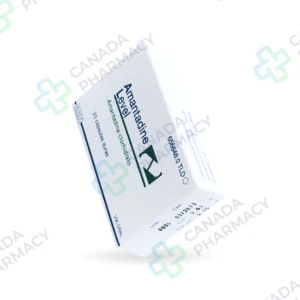
Amantadine
Price range: $ 19,00 through $ 249,00
Active substance: Amantadine
More Details
This product has multiple variants. The options may be chosen on the product page
Ascorbic Acid
Price range: $ 58,00 through $ 69,00
Active substance: Ascorbic Acid
More Details
This product has multiple variants. The options may be chosen on the product page

Chloroquine
Price range: $ 41,00 through $ 402,00
Active substance: Chloroquine
More Details
This product has multiple variants. The options may be chosen on the product page

Famvir
Price range: $ 136,00 through $ 285,00
Active substance: Famciclovir
More Details
This product has multiple variants. The options may be chosen on the product page
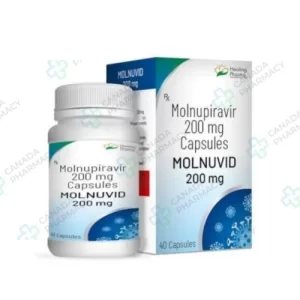
Molnupiravir
Price range: $ 229,00 through $ 706,00
Active substance: Molnupiravir
More Details
This product has multiple variants. The options may be chosen on the product page
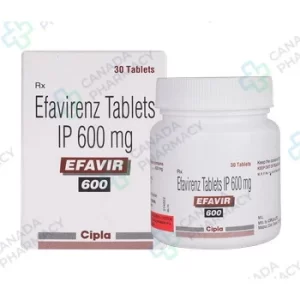
Sustiva
Price range: $ 47,00 through $ 2 412,00
Active substance: Efavirenz
More Details
This product has multiple variants. The options may be chosen on the product page
Zerit
Price range: $ 21,00 through $ 101,00
Active substance: Stavudine
More Details
This product has multiple variants. The options may be chosen on the product page