

-29%
Zenegra
Price range: $ 42,00 through $ 210,00
Zestoretic
Price range: $ 44,00 through $ 326,00
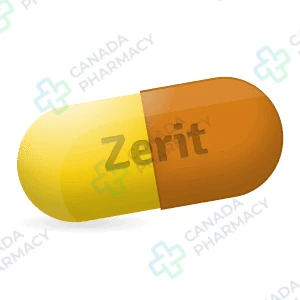
Zerit
Price range: $ 21,00 through $ 101,00
Zerit, also known by its generic name stavudine, is an effective antiretroviral medication used in the management of HIV-1 infection. As a nucleoside reverse transcriptase inhibitor (NRTI), it works by interfering with the replication process of the virus within the body. This medication is typically administered as part of a comprehensive combination therapy to help lower the viral load in the bloodstream. By reducing the amount of HIV in the system, Zerit helps maintain a stronger immune system and improves the overall quality of life for patients. These high-quality capsules provide reliable support for long-term health management and effective viral suppression.
Active substance: Stavudine
Delivery: 5–21 days (depending on the shipping method)
Extra 10% discount with coupon: IT4K6SVM
Each dosage option has its own packaging choices.
Description
Zerit (stavudine) belongs to a class of antiretroviral medications known as nucleoside reverse transcriptase inhibitors (NRTIs). Prescribed under medical supervision as part of combination antiretroviral therapy, this medication helps manage human immunodeficiency virus type 1 (HIV-1) infection. Proper administration and strict adherence to clinical guidance are required to minimize serious adverse metabolic and hepatic risks associated with therapy.
This medication is dispensed exclusively in accordance with applicable federal and state prescription regulations in the United States.
Safety and Clinical Profile
| Parameter | Details |
|---|---|
| Active ingredient | Stavudine (d4T) |
| Therapeutic class | Nucleoside Reverse Transcriptase Inhibitor (NRTI) |
| Dosage form | Oral capsules, powder for oral solution |
| Route of administration | Oral |
| Primary purpose | Treatment of HIV-1 infection in combination regimens |
| Prescription status | Prescription only (Rx) |
Critical Warnings and Boxed Precautions
Warning: Zerit carries serious, potentially life-threatening risk warnings. Lactic acidosis and severe hepatomegaly with steatosis, including fatal cases, have been reported with the use of nucleoside analogues alone or in combination with other antiretrovirals. The majority of these cases have occurred in women. Obesity and prolonged nucleoside exposure may be risk factors, though events have occurred in patients without known risk factors.
Fatal and nonfatal pancreatitis has occurred when Zerit was administered alone or in combination with other nucleoside analogues, particularly didanosine. Treatment must be suspended immediately if clinical signs or laboratory abnormalities suggestive of pancreatitis occur. Furthermore, severe peripheral neuropathy is a major dose-limiting toxicity associated with long-term therapy, requiring immediate clinical evaluation upon the onset of numbness, tingling, or pain in the hands or feet.
Severe Adverse Reactions and Red Flags
Warning: You must seek immediate emergency medical care if you experience symptoms indicating severe metabolic or organ toxicity. Do not delay medical assessment if any of the signs listed below manifest during treatment.
| Symptom Category | Red Flag Symptoms (Seek Immediate Medical Care) |
|---|---|
| Lactic Acidosis | Deep and rapid breathing, severe fatigue, unusual muscle pain, coldness in arms/legs, dizziness |
| Hepatic Toxicity | Yellowing of the skin or eyes (jaundice), dark urine, light-colored stools, severe loss of appetite |
| Pancreatitis | Severe upper abdominal pain radiating to the back, persistent nausea, severe vomiting |
| Severe Neuropathy | Sharp, burning, or progressive tingling and pain in the lower extremities or hands |
| Hypersensitivity | Swelling of the face, lips, tongue, or throat; severe skin rash with blistering |
Adverse reactions: Beyond acute toxicities, long-term exposure to Zerit is linked to progressive lipodystrophy (loss of subcutaneous fat in the face, limbs, and buttocks with localized fat accumulation in the abdomen or neck). Common clinical side effects include headaches, diarrhea, gastrointestinal distress, elevated liver transaminases, and elevated serum amylase levels. Regular laboratory evaluations are mandatory to monitor liver enzymes, pancreatic function, and blood cell counts.
Patient Guidance and Dosing
Mechanism of Action and Pharmacokinetics
How the drug works: Stavudine is a synthetic nucleoside analogue of thymidine. Intracellularly, stavudine is converted by cellular kinases into its active metabolite, stavudine 5′-triphosphate. This active metabolite inhibits the HIV-1 reverse transcriptase enzyme by competing with the natural substrate, deoxythymidine triphosphate (dTTP). Incorporation of stavudine triphosphate into the growing viral DNA chain causes DNA chain termination, halting viral replication.
What happens in the body: Following oral administration, stavudine is rapidly absorbed with peak plasma concentrations occurring within less than one hour. The absolute bioavailability is high, reaching approximately 86%. Renal excretion is the primary route of elimination, accounting for approximately 40% of the parent compound excreted unchanged in urine via active tubular secretion and glomerular filtration. The elimination half-life in plasma is approximately 1.0 to 1.5 hours, whereas the intracellular half-life of stavudine triphosphate is significantly longer, supporting twice-daily dosing schedules.
What it’s used for: Zerit is indicated for the treatment of HIV-1 infection in combination with other antiretroviral agents. It is not a cure for HIV infection, nor does it prevent the transmission of HIV to others through sexual contact or blood contamination. Continued monitoring of viral load and CD4 T-cell counts is essential throughout treatment.
Dosing schedule: Zerit is administered orally twice daily, approximately 12 hours apart. Adult dosing is strictly determined based on body weight: patients weighing 60 kg or more receive a standard dose of 40 mg twice daily, while adults weighing less than 60 kg receive 30 mg twice daily. Doses must be reduced in patients with renal impairment (creatinine clearance less than or equal to 50 mL/min). The medication may be taken with or without food. Capsules must be swallowed whole with water.
Drug Interactions and Contraindications
What not to combine: Co-administration of Zerit with zidovudine (AZT) is not recommended because zidovudine competitively inhibits the intracellular phosphorylation of stavudine, rendering the combination pharmacologically antagonistic. Co-administration with didanosine significantly increases the risk of severe pancreatitis, peripheral neuropathy, and fatal lactic acidosis; therefore, this combination is generally avoided or used only under extraordinary clinical precautions.
Caution is advised when co-administering Zerit with other agents known to cause peripheral neuropathy or pancreatic toxicity, including hydroxyurea or ethambutol. Always provide your prescribing physician with a complete list of prescription, over-the-counter, and herbal products currently being used.
If you skip a dose: If a dose is missed, it should be taken as soon as remembered on the same day. However, if it is almost time for the next scheduled dose, skip the missed dose and resume the regular twice-daily schedule. Never double the dose to make up for a missed application. Unplanned interruptions in therapy can lead to viral resistance and treatment failure.
Special populations: In pregnant individuals, the risk of severe lactic acidosis and maternal mortality is heightened, especially when combined with didanosine; use during pregnancy occurs only if potential benefits outweigh risks. Mothers infected with HIV-1 should not breastfeed to avoid post-natal viral transmission. Pediatric dosing is based on body weight using oral solution formulations. Dosage adjustments in elderly patients should reflect decreased renal function typical of this demographic.
Storage and expiration: Store Zerit capsules at controlled room temperature between 15°C and 30°C (59°F to 86°F) in a tightly closed container away from excessive moisture and heat. Reconstituted oral solution must be stored under refrigeration between 2°C and 8°C (36°F to 46°F) and discarded after 30 days. Keep out of reach of children and pets.
Frequently Asked Questions
Why is routine blood testing required while taking Zerit?
Routine laboratory assessments are critical because Zerit can cause silent toxicity before symptoms appear. Blood tests measure liver transaminases, serum amylase, lipase, and kidney function parameters to detect early signs of hepatotoxicity, pancreatitis, or metabolic acidosis before severe complications develop.
Can Zerit be taken with food?
Yes, Zerit can be taken with or without food. Food does not significantly alter the overall systemic absorption of stavudine, allowing flexible administration with respect to meals.
What should I do if I notice persistent numbness in my feet?
Numbness, tingling, or burning pain in the feet or hands can be a sign of peripheral neuropathy. Contact your healthcare provider immediately. Early detection is crucial, as symptoms may stabilize or resolve if the medication is promptly modified or discontinued under medical direction.
Why cannot Zerit and zidovudine be taken together?
Zidovudine blocks the intracellular enzymes required to activate stavudine. When taken together, zidovudine prevents Zerit from converting into its active antiviral form, reducing the overall efficacy of the antiretroviral therapy.
Is dose modification required for individuals with kidney problems?
Yes. Because Zerit is primarily eliminated by the kidneys, patients with decreased renal clearance (creatinine clearance of 50 mL/min or less) require reduced dosage amounts or extended dosing intervals to prevent drug accumulation and toxicity.
What should I do if I accidentally take an extra dose of Zerit?
Seek immediate medical guidance or contact a poison control center. Overdosage increases the risk of acute hepatic strain, severe neurological toxicity, and metabolic disturbances.
In accordance with FDA requirements.
This text is for informational purposes only and does not constitute individual medical advice.
Additional information
| Dosage |
30 mg ,40 mg |
|---|---|
| Package |
30 caps ,60 caps ,90 caps ,120 caps ,180 caps ,240 caps |
| Ενεργός Ουσία |
Related products
Albendazole
Price range: $ 46,00 through $ 121,00
Active substance: Albendazole
More Details
This product has multiple variants. The options may be chosen on the product page
Ascorbic Acid
Price range: $ 58,00 through $ 69,00
Active substance: Ascorbic Acid
More Details
This product has multiple variants. The options may be chosen on the product page
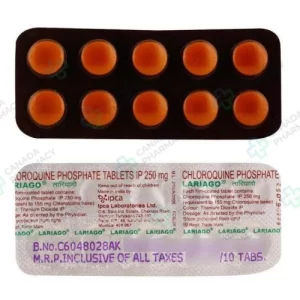
Chloroquine
Price range: $ 41,00 through $ 402,00
Active substance: Chloroquine
More Details
This product has multiple variants. The options may be chosen on the product page
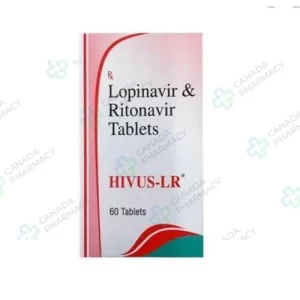
Kaletra
More Details
This product has multiple variants. The options may be chosen on the product page
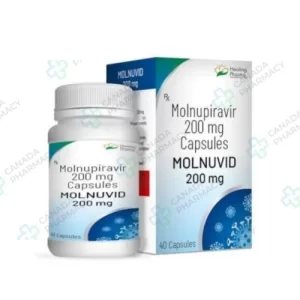
Molnupiravir
Price range: $ 229,00 through $ 706,00
Active substance: Molnupiravir
More Details
This product has multiple variants. The options may be chosen on the product page
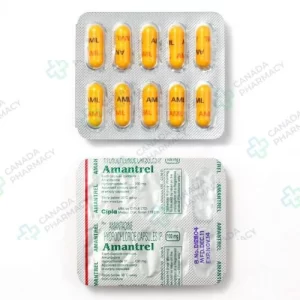
Symmetrel
Price range: $ 47,00 through $ 306,00
Active substance: Amantadine
More Details
This product has multiple variants. The options may be chosen on the product page
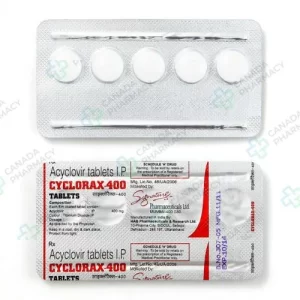
Zovirax
Price range: $ 52,00 through $ 587,00
Active substance: Acyclovir
More Details
This product has multiple variants. The options may be chosen on the product page
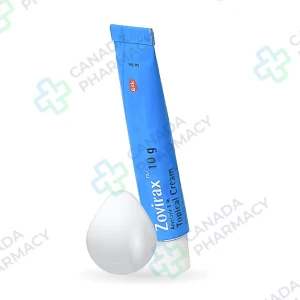
Zovirax Cream
Price range: $ 46,00 through $ 138,00
Active substance: Acyclovir
More Details
This product has multiple variants. The options may be chosen on the product page