

-46%

Symbicort Turbuhaler 60MD
Price range: $ 42,00 through $ 220,00

Synthroid
Price range: $ 43,00 through $ 170,00
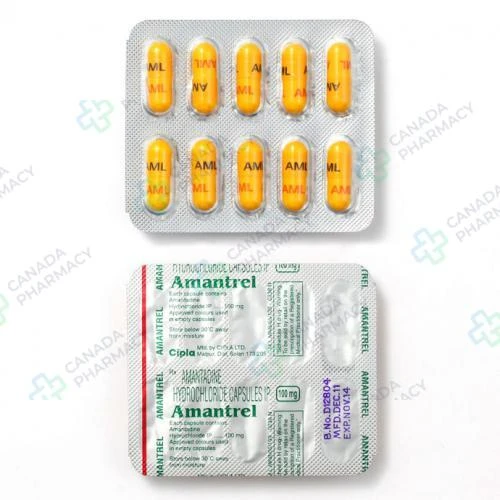
Symmetrel
Price range: $ 47,00 through $ 306,00
Symmetrel is a versatile medication primarily used for the prevention and treatment of respiratory infections caused by influenza A virus strains. It works by interfering with the replication cycle of the virus, helping to shorten the duration and severity of symptoms. Beyond its antiviral properties, Symmetrel is also highly effective in managing the symptoms of Parkinson’s disease, such as tremors and muscle rigidity. The medication also helps control drug-induced extrapyramidal reactions, improving overall motor function and coordination for those affected. By addressing both viral activity and specific neurological challenges, Symmetrel provides reliable support for patients managing these officially approved medical conditions.
Active substance: Amantadine
Delivery: 5–21 days (depending on the shipping method)
Extra 10% discount with coupon: IT4K6SVM
Each dosage option has its own packaging choices.
Description
Symmetrel – What You Need to Know
Symmetrel belongs to a class of medications that includes synthetic antiviral agents with antiparkinsonian properties. It is an FDA-approved prescription medication containing amantadine hydrochloride as its active chemical component. The drug is prescribed primarily to manage symptoms of Parkinson’s disease, treat drug-induced extrapyramidal reactions, and prevent or treat specific viral respiratory infections.
As a prescription-only therapy, Symmetrel must be administered strictly under the supervision of a licensed healthcare provider. Proper usage depends on individualized dosage assessments, taking into account patient age, renal function, and concurrent medications.
| Parameter | Details |
|---|---|
| Active ingredient | Amantadine hydrochloride |
| Prescription status | Prescription (Rx only) |
| Dosage form | Oral capsules, oral solution |
| Route of administration | Oral |
| Primary purpose | Parkinson’s disease management, extrapyramidal reactions, influenza A treatment/prophylaxis |
| Storage | Controlled room temperature (68°F to 77°F / 20°C to 25°C) |
How the drug works
The precise mechanism of action of Symmetrel in the treatment of Parkinson’s disease and extrapyramidal reactions remains incompletely understood, but evidence demonstrates that it enhances dopamine signaling in the central nervous system. Amantadine increases the release of dopamine from central neurons, inhibits the reuptake of dopamine into presynaptic terminals, and exhibits non-competitive N-methyl-D-aspartate (NMDA) receptor antagonism. By modulating dopaminergic tone and glutamatergic neurotransmission, Symmetrel aids in alleviating akinesia, rigidity, and tremor associated with movement disorders.
Regarding its antiviral spectrum, Symmetrel selectively inhibits the replication of influenza A viruses. It achieves this by interfering with the viral M2 transmembrane protein, which functions as an ion channel. Blocking the M2 channel prevents the acidification of the interior of the viral particle, thereby inhibiting viral uncoating and preventing the release of viral nucleic acid into the host cell cytoplasm.
Main uses
Symmetrel is indicated for the treatment of idiopathic Parkinson’s disease, post-encephalitic parkinsonism, and symptomatic parkinsonism that may follow injury to the nervous system from carbon monoxide poisoning. It is also indicated for the management of drug-induced extrapyramidal reactions resulting from neuroleptic medications. In parkinsonian conditions, Symmetrel may be utilized as monotherapy or in combination with levodopa or anticholinergic agents.
Additionally, Symmetrel is indicated for the prevention and treatment of respiratory tract illness caused by influenza A virus strains. It is not effective against influenza B or other viral pathogens. Off-label utilization (use outside FDA-approved labeling) includes the management of fatigue associated with multiple sclerosis; however, such therapy requires careful clinical oversight and individual risk-benefit assessment by the prescriber.
Dosing schedule
The dosing regimen for Symmetrel is tailored individually based on the target condition, renal function, and clinical response. For adult patients with Parkinson’s disease, the standard initial dosage is 100 mg administered orally once or twice daily. When prescribed for drug-induced extrapyramidal symptoms, the typical adult dosage is 100 mg twice daily, though some patients may require up to 300 mg daily in divided doses under close medical supervision.
For the prevention or treatment of influenza A virus infection in adults, the usual dosage is 200 mg daily, administered either as a single 200 mg dose or divided into 100 mg twice daily. Patients aged 65 years and older or those with impaired renal clearance require dosage adjustments, typically starting at 100 mg daily or lower, to prevent drug accumulation and toxicity.
How it’s absorbed and eliminated
Following oral administration, Symmetrel is well absorbed from the gastrointestinal tract. Peak plasma concentration (Cmax) occurs approximately 2 to 4 hours after ingestion. The drug extensively distributes throughout body tissues and crosses the blood-brain barrier as well as the placenta.
Unlike many central nervous system agents, Symmetrel undergoes minimal hepatic metabolism in humans; approximately 90% of an administered dose is excreted unchanged in the urine via glomerular filtration and tubular secretion. The elimination half-life averages approximately 15 hours in healthy young adults, but can range from 9 to 37 hours. In elderly patients or individuals with impaired renal function, the elimination half-life is substantially prolonged, necessitating dose reductions.
Compatibility with other medicines
Co-administration of Symmetrel with drugs possessing anticholinergic properties (such as trihexyphenidyl, benztropine, or certain antihistamines) can potentiate anticholinergic adverse effects, including dry mouth, urinary retention, blurred vision, and confusion. Central nervous system stimulants should be used cautiously alongside Symmetrel due to the heightened risk of nervousness, agitation, or insomnia.
Concomitant administration of combination diuretics containing hydrochlorothiazide and triamterene has been reported to reduce the renal clearance of amantadine, leading to increased plasma concentrations and potential toxic manifestations. Caregivers and healthcare providers must review all active prescriptions, over-the-counter drugs, and dietary supplements before initiating Symmetrel therapy.
Adverse reactions
The most commonly observed side effects associated with Symmetrel therapy include nausea, dizziness, lightheadedness, and insomnia. Patients may also experience livedo reticularis–a reddish-blue, reticulated vascular mottling of the skin, typically on the lower extremities–often accompanied by peripheral edema. Other central nervous system effects include nervousness, anxiety, impaired concentration, and headache.
Less frequent but severe adverse reactions involve neurological and psychiatric disturbances, such as visual or auditory hallucinations, severe confusion, delirium, depression, and ataxia. Seizures have been reported, particularly in individuals with a history of epilepsy or impaired kidney function. Abrupt cessation of Symmetrel can precipitate a symptom complex resembling neuroleptic malignant syndrome, characterized by hyperpyrexia, muscular rigidity, and altered mental status.
Important precautions
Symmetrel should be administered with extreme caution to patients with a history of congestive heart failure, peripheral edema, hepatic disease, recurrent eczematoid rash, or psychosis. Individuals with a history of epilepsy or underlying seizure disorders must be monitored closely, as amantadine can lower the seizure threshold. Dosage adjustments are mandatory for patients with renal impairment, as reduced drug excretion significantly increases the risk of severe central nervous system toxicity.
In elderly populations, lower initial doses are recommended due to age-related declines in renal clearance and increased sensitivity to anticholinergic and central nervous system adverse effects. Symmetrel is classified under Pregnancy Category C; it should be used during pregnancy only if the potential benefit justifies the potential risk to the fetus. Amantadine is excreted in human milk, and because of the potential for serious adverse reactions in nursing infants, a decision should be made whether to discontinue nursing or discontinue the drug.
What to avoid while taking it
Alcohol consumption should be avoided or strictly limited during treatment with Symmetrel. Ingesting alcohol while taking amantadine increases the risk of central nervous system adverse effects, including severe lightheadedness, dizziness, confusion, and orthostatic hypotension. Symmetrel may be taken with or without food; taking the medication with meals or milk can help minimize gastrointestinal upset such as mild nausea.
If you skip a dose
If a dose of Symmetrel is missed, it should be taken as soon as remembered. However, if it is almost time for the next scheduled dose, skip the missed dose and resume the regular dosing schedule. Double doses should never be taken to compensate for a missed dose, as doubling the amount increases the risk of toxicity and acute adverse reactions.
Storage and expiration
Symmetrel capsules and oral solution should be stored at controlled room temperature, between 20°C and 25°C (68°F to 77°F), with excursions permitted between 15°C and 30°C (59°F to 86°F). Keep the container tightly closed and protected from moisture and excessive heat. Do not use the medication beyond the expiration date printed on the packaging.
Red flags
Certain severe symptoms warrant immediate medical evaluation or emergency intervention. Patients and caregivers should remain vigilant for signs of acute toxicity or severe adverse reactions while taking Symmetrel.
| Symptom | Potential Clinical Significance |
|---|---|
| Severe confusion or hallucinations | Central nervous system toxicity or neurotoxicity |
| Seizures or convulsions | Lowered seizure threshold or drug accumulation |
| High fever with muscle stiffness | Neuroleptic malignant syndrome-like withdrawal reaction |
| Shortness of breath or swelling | Exacerbation of congestive heart failure or peripheral edema |
| Swelling of the face, lips, or tongue | Severe allergic or anaphylactic reaction |
Common questions
Can Symmetrel be stopped abruptly when symptoms improve?
No, Symmetrel should not be discontinued suddenly. Abrupt withdrawal, especially in patients with Parkinson’s disease, can trigger a rapid worsening of movement symptoms or a serious, life-threatening condition resembling neuroleptic malignant syndrome, characterized by high fever, severe muscle stiffness, and altered consciousness. Dosage reduction should always be gradual under physician guidance.
Is Symmetrel effective against all strains of the flu?
No. Symmetrel is specific to influenza A viruses and has no activity against influenza B viruses or other respiratory viruses. Furthermore, modern circulating strains of influenza A have demonstrated widespread resistance to amantadine, leading clinical practice guidelines to favor alternative antiviral options for seasonal flu management.
What should be done if lower leg discoloration or swelling develops?
Development of livedo reticularis (purplish mottling of the skin) and peripheral edema is a recognized effect of amantadine. While often benign and reversible upon drug discontinuation, patients should report these symptoms to their healthcare provider to evaluate whether a dosage adjustment or therapy modification is necessary.
How does kidney function affect how Symmetrel is taken?
Because Symmetrel is eliminated almost entirely unchanged by the kidneys, decreased renal function leads to drug accumulation in the bloodstream. Patients with renal impairment require reduced doses or longer intervals between doses to prevent serious central nervous system toxicity, such as hallucinations or seizures.
Can taking Symmetrel cause sleep disturbances or abnormal dreams?
Yes, insomnia, vivid dreams, and nightmares are recognized nervous system adverse effects of Symmetrel. Taking the daily dose earlier in the day or splitting the dose into morning and afternoon schedules under medical supervision can help reduce nighttime sleep disruptions.
Information on this page is for reference and does not replace an assessment by a licensed healthcare professional. In accordance with FDA requirements.
Additional information
| Dosage |
100mg |
|---|---|
| Package |
30 pills ,60 pills ,90 pills ,120 pills ,180 pills ,270 pills ,360 pills |
| Ενεργός Ουσία |
Related products
Aciclovir
Price range: $ 44,00 through $ 232,00
Active substance: aciclovir
More Details
This product has multiple variants. The options may be chosen on the product page

Acivir Pills
Price range: $ 51,00 through $ 200,00
Active substance: Acyclovir
More Details
This product has multiple variants. The options may be chosen on the product page
Biktarvy
$ 800,00
More Details
This product has multiple variants. The options may be chosen on the product page

Lasuna
Price range: $ 58,00 through $ 244,00
Active substance: extracts of garlic
More Details
This product has multiple variants. The options may be chosen on the product page
Molnupiravir
Price range: $ 229,00 through $ 706,00
Active substance: Molnupiravir
More Details
This product has multiple variants. The options may be chosen on the product page

Starlix
Price range: $ 40,00 through $ 288,00
Active substance: Nateglinide
More Details
This product has multiple variants. The options may be chosen on the product page

Tamiflu
Price range: $ 66,00 through $ 427,00
Active substance: Oseltamivir
More Details
This product has multiple variants. The options may be chosen on the product page

Tenvir
Price range: $ 52,00 through $ 140,00
Active substance: Tenofovir Disoproxil Fumarate
More Details
This product has multiple variants. The options may be chosen on the product page