

-48%
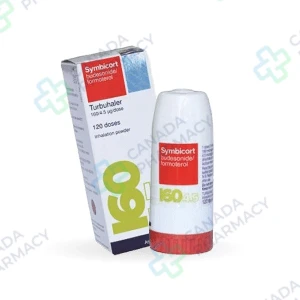
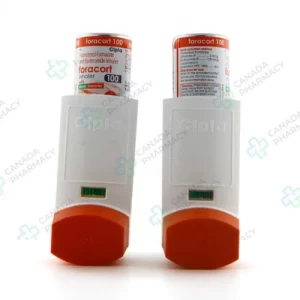
Symbicort
Price range: $ 46,00 through $ 132,00
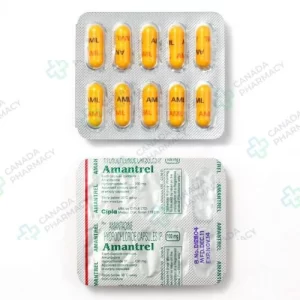
Symmetrel
Price range: $ 47,00 through $ 306,00
Symbicort Turbuhaler 60MD
Price range: $ 42,00 through $ 220,00
Symbicort Turbuhaler 60MD is a combined inhalation therapy designed for the effective long-term management of asthma and chronic obstructive pulmonary disease (COPD). This medication features two active ingredients, budesonide and formoterol, which work together to reduce airway inflammation and keep the breathing passages open. The 60-dose dry powder inhaler provides a convenient and precise way to maintain consistent control over chronic respiratory symptoms. Regular use helps prevent shortness of breath, wheezing, and chest tightness by improving overall lung function. This advanced delivery system ensures that patients receive a reliable dose to support better daily respiratory health.
Active substance: Budesonide, Formoterol
Delivery: 5–21 days (depending on the shipping method)
Extra 10% discount with coupon: IT4K6SVM
Each dosage option has its own packaging choices.
Description
Symbicort Turbuhaler belongs to a class of combination respiratory medications containing an inhaled corticosteroid and a long-acting selective beta2-adrenergic agonist. In accordance with U.S. Food and Drug Administration (FDA) regulatory standards, this medication is available strictly by prescription (Rx) for the maintenance treatment of chronic inflammatory bronchial disorders.
The formulation combines budesonide and formoterol fumarate dihydrate into a dry powder inhaler system designed for oral inhalation. Regular administration according to a healthcare provider’s instructions helps maintain open airways, reduce mucosal swelling, and lower the frequency of pulmonary exacerbations in indicated patient populations.
| Attribute | Details |
|---|---|
| Active ingredient (INN) | Budesonide / Formoterol fumarate dihydrate |
| Therapeutic class | Inhaled Corticosteroid / Long-Acting Beta2-Adrenergic Agonist (ICS/LABA) |
| Dosage form | Dry powder for inhalation |
| Route of administration | Oral inhalation |
| Prescription status | Prescription only (Rx) |
| Storage | Controlled room temperature (68°F to 77°F) |
Clinical Overview and Pharmacological Profile
Mechanism of Action and Main Uses
How the drug works: The therapeutic activity of this medicinal product relies on two distinct mechanisms of action that target complementary pathways in respiratory pathophysiology. Budesonide is a potent synthetic corticosteroid that exhibits anti-inflammatory activity within the bronchial tree. It inhibits the recruitment and activation of multiple cell types involved in airway inflammation, including eosinophils, macrophages, lymphocytes, and neutrophils, while decreasing the release of inflammatory cytokines and mediators. Formoterol fumarate dihydrate operates as a selective long-acting beta2-adrenergic agonist (LABA). By stimulating beta2-receptors present on bronchial smooth muscle cells, it activates intracellular adenyl cyclase, leading to an increase in cyclic adenosine monophosphate (cAMP) and subsequent relaxation of the airway musculature.
Main uses: This combination therapy is indicated for the long-term maintenance treatment of asthma in patients 6 years of age and older whose condition is not adequately controlled on a long-term asthma control medication alone. It is also indicated for the maintenance treatment of airflow obstruction in patients suffering from chronic obstructive pulmonary disease (COPD), including chronic bronchitis and emphysema. This product is not indicated for the rapid relief of acute, sudden bronchospasm. Any off-label application, such as usage for acute rescue therapy or unapproved age brackets, must be explicitly determined and monitored by a licensed prescriber.
How it’s absorbed and eliminated: Pharmacokinetic evaluations demonstrate distinct absorption and elimination profiles for both active constituents. Following oral inhalation, the systemic bioavailability of budesonide is approximately 20% to 30%, achieving peak plasma concentrations within 20 to 30 minutes. Budesonide undergoes extensive hepatic metabolism primarily via the cytochrome P450 3A4 (CYP3A4) enzyme system, yielding metabolites with minimal glucocorticoid activity, and exhibits an elimination half-life of roughly 2 to 3 hours. Formoterol is rapidly absorbed into the bronchial vasculature, with peak plasma concentrations occurring within 5 to 10 minutes post-dose. Formoterol is cleared primarily through direct glucuronidation and O-demethylation catalyzed by CYP2D6 and CYP2C19 enzymes, displaying a terminal elimination half-life of approximately 10 hours.
Dosing Schedule and Administration
Dosing schedule: The prescribed dosage must be individualized by a qualified healthcare provider based on disease severity. For adult asthma and COPD maintenance, administration generally consists of 2 inhalations twice daily (morning and evening), approximately 12 hours apart. The maximum daily recommended dosage should not be exceeded. If respiratory symptoms occur between regular doses, an inhaled short-acting beta2-agonist rescue medication must be utilized rather than additional inhalations of this combination drug.
Practical tips and daily use: Proper inhalation technique is essential to ensure adequate pulmonary drug deposition. The dry powder device relies on patient-inspired airflow and requires a deep, forceful inhalation through the mouthpiece. Patients should hold their breath for up to 10 seconds (or as long as comfortable) after inhaling to allow optimal distribution within the lower airways. Immediately following each administration, patients must rinse their mouth thoroughly with water and spit the liquid out without swallowing. This post-dose oral rinse significantly lowers the incidence of localized secondary adverse events such as fungal throat infections.
If you skip a dose: If a scheduled dose is missed, skip that dose entirely and take the next dose at the regular time. Patients must not double up doses or take extra inhalations to compensate for a missed administration, as doing so elevates the risk of systemic beta-agonist adverse effects.
Signs of improvement: Bronchodilatory benefits from the formoterol component may be observed within 15 minutes of administration. However, full therapeutic efficacy regarding airway inflammation reduction via budesonide generally requires continuous daily administration over 1 to 2 weeks. Clinical progress is typically evidenced by reduced daytime dyspnea, fewer nocturnal awakenings, and sustained improvements in forced expiratory volume (FEV1) testing.
Safety Profile and Frequently Asked Questions
Adverse Reactions and Drug Interactions
Adverse reactions: Clinical studies and post-marketing surveillance identify both localized and systemic adverse events associated with this combination product. Commonly reported adverse effects include nasopharyngitis, headache, upper respiratory tract infections, pharyngolaryngeal pain, sinusitis, and oral candidiasis (thrush). Less common but serious potential reactions include paradoxical bronchospasm, hypersensitivity reactions (anaphylaxis, angioedema, skin rash), glaucoma, cataracts, hypokalemia, hyperglycemia, and potential suppression of the hypothalamic-pituitary-adrenal (HPA) axis under prolonged high-dose usage.
Important precautions: Caution is required when administering this product to patients with cardiovascular disorders, particularly coronary insufficiency, cardiac arrhythmias, and severe hypertension, as beta-agonists can induce alterations in heart rate and blood pressure. Long-acting beta2-agonists used as monotherapy increase the risk of asthma-related death; however, fixed-dose combination formulations with an inhaled corticosteroid mitigate this risk. Regular monitoring of linear growth velocity is recommended for pediatric patients receiving long-term inhaled corticosteroid therapy. Patients transitioning from systemic corticosteroids to inhaled therapy require careful supervision to prevent acute adrenal insufficiency.
Compatibility with other medicines: Co-administration with potent CYP3A4 inhibitors (such as ketoconazole, itraconazole, clarithromycin, or ritonavir) can impair budesonide metabolism, leading to elevated systemic corticosteroid levels and an increased risk of systemic side effects. Non-selective beta-adrenergic blockers (such as propranolol or timolol ophthalmic drops) can antagonize the bronchodilating effect of formoterol and may precipitate severe bronchospasm in asthma patients. Concomitant administration with non-potassium-sparing diuretics, monoamine oxidase (MAO) inhibitors, or tricyclic antidepressants requires caution due to potential additive hypokalemic or cardiovascular effects.
What to avoid while taking it: Excessive consumption of grapefruit or grapefruit juice should be avoided due to potential inhibition of CYP3A4-mediated metabolism. While alcohol does not directly interact with formoterol or budesonide, heavy alcohol consumption can exacerbate systemic cardiovascular strain or alter metabolic stability.
Storage and expiration: The inhaler unit should be stored at controlled room temperature between 68°F and 77°F (20°C to 25°C), with excursions permitted between 59°F and 86°F (15°C to 30°C). The device must be protected from high humidity, extreme heat, and direct sunlight. Discard the inhaler when the dose counter reaches zero or after the expiration date noted on the outer packaging.
Common Questions
Can Symbicort Turbuhaler be used during a sudden asthma attack?
No, this medication is designed solely for routine daily maintenance therapy to prevent respiratory symptoms. Patients should always carry a separate short-acting rescue inhaler (such as albuterol) for the immediate relief of acute bronchospasm.
Why is rinsing the mouth mandatory after every inhalation?
Rinsing the mouth with water and spitting it out removes residual steroid powder deposited on the mucosal lining of the pharynx and oral cavity. This simple precaution reduces the occurrence of localized oral thrush (candidiasis) and dysphonia (hoarseness).
Does this medication cause tremors or a rapid heart rate?
Formoterol, as a selective beta2-adrenergic agonist, can occasionally cause mild transient tremor, agitation, or palpitations, particularly when starting treatment. If these symptoms persist or cause significant discomfort, contact your healthcare provider for evaluation.
What should be done if sudden difficulty breathing occurs right after taking a dose?
If acute dyspnea or wheezing develops immediately following inhalation (paradoxical bronchospasm), discontinue the medication right away, administer a fast-acting rescue inhaler, and seek emergency medical assistance immediately.
In accordance with FDA requirements.
This text is for informational purposes only and does not constitute individual medical advice.
Additional information
| Dosage |
160mcg+4.5mcg |
|---|---|
| Package |
1 turbuhaler ,2 turbuhaler ,3 turbuhaler ,4 turbuhaler ,5 turbuhaler ,6 turbuhaler ,7 turbuhaler ,8 turbuhaler ,9 turbuhaler ,10 turbuhaler |
| Ενεργός Ουσία | , |
Related products
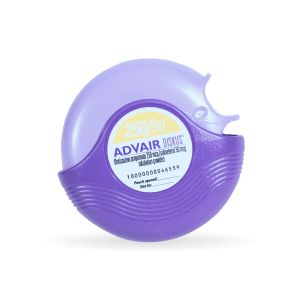
Advair Diskus
Price range: $ 72,00 through $ 527,00
More Details
This product has multiple variants. The options may be chosen on the product page
Decadron
Price range: $ 12,00 through $ 182,00
Active substance: Dexamethasone
More Details
This product has multiple variants. The options may be chosen on the product page
Haridra
$ 48,00
Active substance: Haridra
More Details
This product has multiple variants. The options may be chosen on the product page
Levolin Inhaler
Price range: $ 9,00 through $ 48,00
Active substance: Levosalbutamol
More Details
This product has multiple variants. The options may be chosen on the product page
Medrol
Price range: $ 49,00 through $ 497,00
Active substance: Medrol
More Details
This product has multiple variants. The options may be chosen on the product page
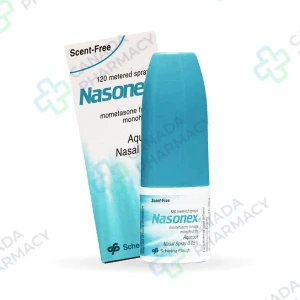
Nasonex nasal spray
Price range: $ 62,00 through $ 276,00
Active substance: Mometasone Furoate Monohydrate
More Details
This product has multiple variants. The options may be chosen on the product page
Promethazine
Price range: $ 43,00 through $ 228,00
Active substance: Promethazine
More Details
This product has multiple variants. The options may be chosen on the product page
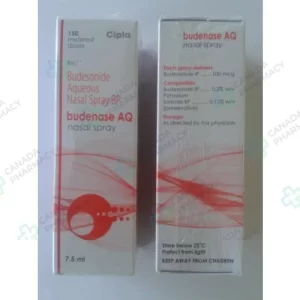
Rhinocort
Price range: $ 42,00 through $ 381,00
Active substance: Budesonide
More Details
This product has multiple variants. The options may be chosen on the product page