

-24%
Retrovir
Price range: $ 62,00 through $ 1 386,00
Risperdal
Price range: $ 5,00 through $ 968,00
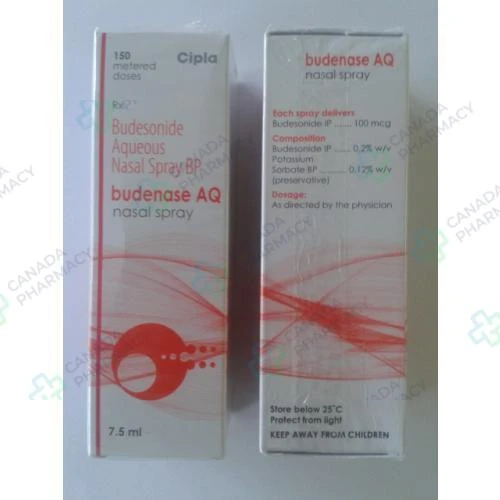
Rhinocort
Price range: $ 42,00 through $ 381,00
Rhinocort is an effective corticosteroid nasal spray designed to provide powerful relief from both indoor and outdoor allergy symptoms. It works directly in the nose to reduce inflammation, effectively alleviating nasal congestion, sneezing, and a runny or itchy nose. This formula provides 24-hour protection against common environmental triggers such as pollen, mold, dust mites, and pet dander. The non-drowsy, scent-free, and alcohol-free mist ensures a comfortable application for the daily management of hay fever. By targeting the source of nasal discomfort, Rhinocort helps you breathe more easily and enjoy your day without the burden of persistent seasonal allergies.
Active substance: Budesonide
Delivery: 5–21 days (depending on the shipping method)
Extra 10% discount with coupon: IT4K6SVM
Each dosage option has its own packaging choices.
Description
Rhinocort belongs to a class of medications known as nasal corticosteroids. It is widely utilized to manage allergic rhinitis symptoms, including sneezing, itchy or runny nose, and nasal congestion caused by outdoor or indoor allergens.
Formulated as a metered-dose spray suspension, this medication delivers budesonide directly to the nasal mucosa to target localized inflammation. In the United States, it is available as an over-the-counter (OTC) option for adults and children aged 6 years and older.
Core Medical Overview
Key Information Summary
| Attribute | Details |
|---|---|
| Drug name | Rhinocort |
| Active ingredient (INN) | Budesonide |
| Therapeutic class | Nasal Corticosteroids (AHFS 92:00 / Nasal Anti-inflammatory) |
| Dosage form | Nasal spray suspension |
| Route of administration | Intranasal |
| Primary purpose | Relief of seasonal and perennial allergic rhinitis symptoms |
| Prescription status | Over-the-counter (OTC) |
| Storage | 20°C to 25°C (68°F to 77°F) |
Main uses
Rhinocort is indicated for the temporary relief of symptoms associated with hay fever or other upper respiratory allergies. These include nasal congestion, sneezing, runny nose, and an itchy nasal passage triggered by outdoor allergens like pollen, or indoor allergens like dust mites, pet dander, and mold spores. On one hand, immediate-acting oral antihistamines block circulating histamine receptors; on the other hand, budesonide directly addresses underlying mucosal tissue inflammation. Off-label applications, such as managing non-allergic rhinitis or nasal polyposis, require explicit diagnosis and clinical direction from a physician.
How the drug works
Budesonide is a synthetic corticosteroid displaying high local anti-inflammatory potency. When applied to the nasal mucosa, it diffuses across cell membranes and binds with high affinity to intracellular glucocorticoid receptors. This binding modulates gene transcription, inhibiting the synthesis and release of pro-inflammatory cytokines, leukotrienes, and histamines. Furthermore, budesonide decreases the infiltration and activation of inflammatory effector cells, including eosinophils, neutrophils, macrophages, and lymphocytes within the nasal epithelium, effectively diminishing mucosal edema and secretions.
How it’s absorbed and eliminated
Following intranasal administration, a portion of the administered dose is absorbed directly through the nasal mucosa, while a significant fraction is swallowed. The systemic bioavailability of intranasal budesonide is relatively low, estimated at approximately 20% or less of the nominal dose. The portion swallowed undergoes extensive first-pass hepatic metabolism via the cytochrome P450 enzyme CYP3A4, converting budesonide into metabolites with minimal biological activity. The systemic clearance of budesonide is rapid, with an elimination half-life averaging approximately 2 to 3 hours. Metabolites are cleared predominantly through the kidneys and intestinal tract.
Compatibility with other medicines
Because intranasal budesonide acts locally and displays low systemic absorption, major systemic drug interactions are relatively uncommon under standard dosing. However, concurrent administration of potent CYP3A4 inhibitors–such as ketoconazole, itraconazole, clarithromycin, or ritonavir–can inhibit the hepatic breakdown of any systemically absorbed budesonide. This interaction may result in elevated plasma corticosteroid levels and an increased risk of systemic glucocorticoid side effects. Patients taking concurrent systemic or inhaled corticosteroids should discuss their regimen with a pharmacist or healthcare provider to avoid compound exposure.
Practical Usage and Safety Guidelines
How to take it
For adults and children 12 years of age and older, the recommended starting dosage is 2 sprays in each nostril once daily (delivering 54 mcg of budesonide per spray, totaling 108 mcg per nostril). Once symptoms are controlled, the dosage may be reduced to 1 spray in each nostril daily for maintenance. For children aged 6 to 11 years, the standard starting dose is 1 spray in each nostril daily; if symptoms do not improve sufficiently, a supervisor may increase it to 2 sprays per nostril daily under medical guidance. Gentle shaking before each administration ensures proper suspension uniformity.
What you may notice early on
Unlike rapid-onset oral decongestant sprays or antihistamines, nasal corticosteroids do not offer instant relief upon application. Some individuals may notice initial symptom improvements within 10 to 12 hours after the first dose, but the full therapeutic benefit typically requires 3 to 7 days of continuous once-daily use. Patients starting treatment early in the allergy season often experience smoother control over flare-ups compared to those starting after severe inflammation has established.
Signs of improvement
Effective treatment is marked by a steady reduction in nasal passage blockage, decreased frequency of sneezing fits, less post-nasal drip, and improved airflow during daily activities and sleep. Evaluating the effect requires consistent daily administration rather than intermittent use. If no symptomatic improvement is observed after 7 consecutive days of proper application, use should be paused and a medical professional consulted to re-evaluate the primary cause of nasal distress.
Adverse reactions
Common local side effects associated with intranasal budesonide include temporary nasal dryness, minor stinging or burning, sneezing shortly after application, and mild throat irritation. Nosebleeds (epistaxis) may occur occasionally. Less common but serious adverse events involve localized fungal infections (Candida albicans) of the nose or pharynx, slow nasal wound healing, and, in rare prolonged cases, nasal septum perforation. Systemic adverse reactions–such as elevated intraocular pressure, cataracts, glaucoma, or reduced growth velocity in pediatric populations–are rare at standard OTC dosages but warrant monitoring during long-term maintenance.
Important precautions
Do not use Rhinocort if you have a known hypersensitivity to budesonide or any of the inactive spray ingredients. Individuals who have recently experienced nasal septum ulcers, nasal surgery, or nasal trauma should avoid intranasal steroids until complete healing has occurred. Caution is indicated for patients with active or quiescent tuberculosis, untreated localized fungal, bacterial, or systemic viral infections, or ocular herpes simplex. Children using nasal steroids long-term should have their growth monitored periodically by a healthcare provider.
Practical tips
Prior to administering the spray, gently blow your nose to clear the nasal passages. Shake the bottle, remove the cap, and prime the pump if it is being used for the first time or has remained unused for several days. Tilt your head slightly forward, place the tip into one nostril, and point the nozzle slightly outward toward the outer corner of the eye, away from the central nasal septum. Press down firmly to release the spray while breathing in gently. Clean the spray applicator under warm running water weekly to prevent blockages.
Storage and expiration
Store the medication at controlled room temperature, between 20°C and 25°C (68°F to 77°F). Keep the container away from excessive heat, direct light, and freezing temperatures. Ensure the protective dust cap is replaced after every application. Discard the spray bottle after the labeled number of sprays has been used or once the expiration date printed on the bottle and carton has passed, as consistent dosing cannot be guaranteed thereafter.
Common Questions
Is Rhinocort suitable for daily long-term use during allergy season?
Rhinocort is designed for daily administration throughout periods of allergy exposure. However, if your symptoms persist beyond 7 days of continuous use without improvement, you should consult a doctor to confirm that allergic rhinitis is the underlying cause.
What should I do if I forget to administer my daily dose?
If you skip a dose, apply it as soon as you remember later that day. If it is nearly time for your next scheduled dose, skip the missed application and continue with your regular once-daily schedule. Do not double the number of sprays to make up for a missed dose.
Does budesonide nasal spray cause drowsiness?
No. Unlike older oral antihistamines, intranasal budesonide is a localized corticosteroid that does not cause central nervous system depression or drowsiness, making it safe for daily use when driving or operating machinery.
Can I use Rhinocort alongside an oral allergy medication?
While combining intranasal corticosteroids with non-sedating oral antihistamines is often done for severe allergic symptoms, you should consult a pharmacist or physician before combining allergy therapies to ensure safety and avoid unnecessary duplication.
Is Rhinocort safe to use during pregnancy?
Intranasal budesonide has a well-documented safety profile, but any medication taken during pregnancy or while breastfeeding should be discussed with a healthcare provider to weigh individual clinical benefits against potential risks.
In accordance with FDA requirements.
This text is for informational purposes only and does not constitute individual medical advice.
Additional information
| Dosage |
100mcg ,200 mcg |
|---|---|
| Package |
1 inhaler ,2 inhaler ,3 inhaler ,4 inhaler ,5 inhaler ,6 inhaler ,7 inhaler ,8 inhaler ,9 inhaler ,10 inhaler |
| Ενεργός Ουσία |
Related products
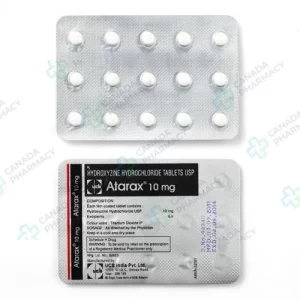
Atarax
Price range: $ 42,00 through $ 150,00
Active substance: Hydroxyzine
More Details
This product has multiple variants. The options may be chosen on the product page
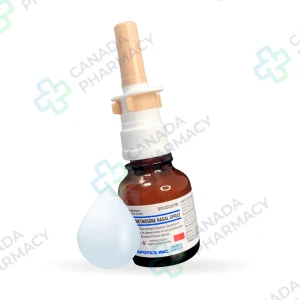
Beclamethasone
Price range: $ 60,00 through $ 205,00
Active substance: Beclomethasone Dipropionate
More Details
This product has multiple variants. The options may be chosen on the product page
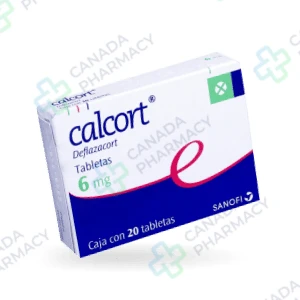
Calcort
Price range: $ 54,00 through $ 430,00
Active substance: Deflazacort
More Details
This product has multiple variants. The options may be chosen on the product page
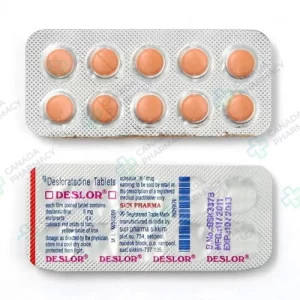
Clarinex
Price range: $ 51,00 through $ 196,00
Active substance: desloratadine
More Details
This product has multiple variants. The options may be chosen on the product page
Deltasone
Price range: $ 47,00 through $ 296,00
Active substance: Prednisone
More Details
This product has multiple variants. The options may be chosen on the product page
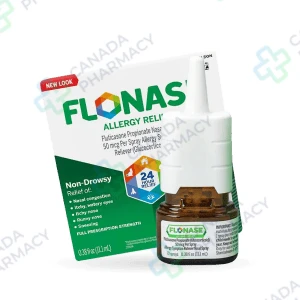
Flonase Nasal Spray
Price range: $ 47,00 through $ 304,00
Active substance: fluticasone
More Details
This product has multiple variants. The options may be chosen on the product page
Ketotifen
Price range: $ 67,00 through $ 309,00
Active substance: Ketotifen
More Details
This product has multiple variants. The options may be chosen on the product page
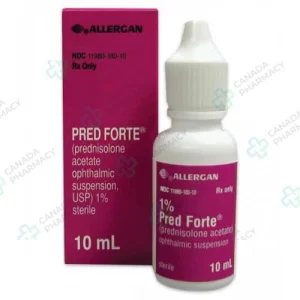
Pred Forte
Price range: $ 42,00 through $ 72,00
Active substance: prednisolone
More Details
This product has multiple variants. The options may be chosen on the product page