

-47%
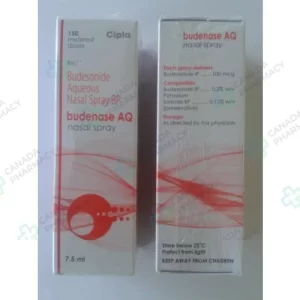
Rhinocort
Price range: $ 42,00 through $ 381,00
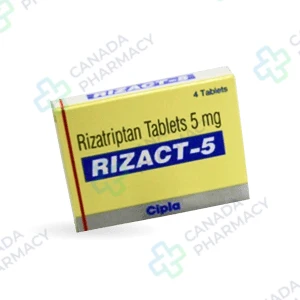
Rizact
Price range: $ 51,00 through $ 510,00
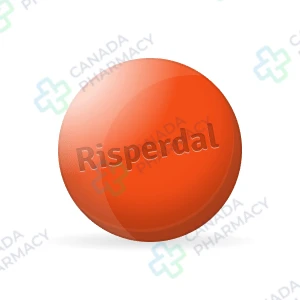
Risperdal
Price range: $ 5,00 through $ 968,00
Risperdal is an atypical antipsychotic medication primarily used to treat symptoms of schizophrenia in both adults and adolescents. It is also highly effective for managing acute manic or mixed episodes associated with bipolar I disorder. In pediatric patients, this medication is indicated to help reduce irritability, aggression, and mood swings linked to autistic disorder. By rebalancing specific natural substances in the brain, it helps stabilize thinking and behavior for better daily functioning. This treatment provides a consistent approach for individuals looking to manage complex mental health conditions effectively.
Active substance: Risperidone
Delivery: 5–21 days (depending on the shipping method)
Extra 10% discount with coupon: IT4K6SVM
Each dosage option has its own packaging choices.
Description
Risperdal – Information for Patients and Caregivers
Risperdal belongs to a class of psychotropic medications known as atypical antipsychotics. In the United States, this drug is available strictly by prescription (Rx) for managing specific psychiatric and behavioral conditions under medical supervision.
The drug contains risperidone as its active substance, formulated to modulate central nervous system neurotransmitters. Treatment plans require individual dose titration to achieve optimal clinical control while minimizing adverse effects.
| Parameter | Details |
|---|---|
| Active ingredient (INN) | Risperidone |
| Primary purpose | Treatment of schizophrenia, acute mania/mixed episodes in bipolar I disorder, and autism-associated irritability |
| Dosage form | Oral tablets, orally disintegrating tablets (M-Tabs), oral solution |
| Route of administration | Oral |
| Prescription status | Prescription (Rx) only |
| Storage conditions | Controlled room temperature (59°F to 77°F) |
How the drug works
Risperdal functions primarily through dual monoaminergic antagonism within the central nervous system. It exhibits high binding affinity for serotonin 5-HT2A receptors and dopamine D2 receptors. By blocking D2 dopamine receptors in the mesolimbic pathway, risperidone helps alleviate positive symptoms associated with psychotic disorders, such as hallucinations and delusions.
Concurrently, its central 5-HT2A receptor blockade contributes to therapeutic actions on affective symptoms and mitigates the risk of certain extrapyramidal side effects compared to classic first-generation neuroleptics. The medication also possesses binding affinities for alpha-1 adrenergic, alpha-2 adrenergic, and H1 histaminergic receptors, which account for its sedating and orthostatic blood pressure properties.
What it’s used for
Risperdal is approved by the U.S. Food and Drug Administration (FDA) for several specific psychiatric indications across designated age groups. In adult and pediatric populations (aged 13 to 17 years), it is indicated for the acute and maintenance treatment of schizophrenia. For bipolar I disorder, Risperdal is indicated as monotherapy or combination therapy with lithium or valproate for the short-term treatment of acute manic or mixed episodes in adults, as well as pediatric patients aged 10 to 17 years.
Furthermore, Risperdal is FDA-approved for treating irritability associated with autistic disorder in pediatric patients aged 5 to 16 years, targeting symptoms such as aggression, deliberate self-injury, temper tantrums, and rapid mood changes. Any application outside these FDA-approved parameters is classified as off-label use and must be explicitly evaluated by a licensed prescriber.
Dosing schedule
Dosing for Risperdal must be tailored to the specific diagnosis, patient age, clinical response, and renal or hepatic functionality. For adults with schizophrenia, dosing generally begins at 2 mg per day, given as a single dose or divided into two doses. Increments may occur at intervals of not less than 24 hours in steps of 1 mg to 2 mg per day, reaching a typical therapeutic range of 4 mg to 6 mg daily.
In pediatric patients or elderly individuals, initial dosing is usually lower, often starting at 0.25 mg or 0.5 mg daily to reduce tolerance risks. Oral solution formulations should be measured carefully with the calibrated pipette provided. Tablets should be swallowed whole with liquid, while orally disintegrating tablets must be handled with dry hands and allowed to dissolve on the tongue without chewing.
What happens in the body
Following oral administration, risperidone is rapidly absorbed, reaching peak plasma concentration within 1 to 2 hours. Absolute oral bioavailability is high and is not significantly altered by food intake. Metabolism occurs extensively in the liver via the cytochrome P450 2D6 (CYP2D6) isoenzyme, converting risperidone into its primary active metabolite, 9-hydroxyrisperidone (paliperidone).
Both risperidone and 9-hydroxyrisperidone contribute to the overall therapeutic activity, forming the active antipsychotic fraction. The elimination half-life of risperidone itself is approximately 3 hours in extensive metabolizers, whereas the active fraction has an effective half-life of roughly 20 to 24 hours. Excretion is predominantly renal, with approximately 70% eliminated in urine and 15% in feces.
Adverse reactions
The administration of Risperdal is associated with dose-dependent and individual side effects. Common adverse reactions include somnolence, fatigue, sedation, parkinsonism, akathisia, headache, dizziness, increased appetite, and weight gain. Gastrointestinal reactions such as constipation, dyspepsia, nausea, and xerostomia (dry mouth) are also documented.
Endocrine effects are prominent due to dopamine D2 antagonism, frequently causing hyperprolactinemia, which may manifest as gynecomastia, galactorrhea, or menstrual irregularities. Metabolic disturbances, including hyperlipidemia and dysregulation of blood glucose levels, require ongoing clinical monitoring during therapy. Extrapyramidal symptoms (EPS) may occur, particularly at daily dosages exceeding 6 mg in adult schizophrenia treatment.
Compatibility with other medicines
Risperdal exhibits interactions with multiple drug classes that alter its plasma concentration or enhance pharmacodynamic risks. Co-administration with strong CYP2D6 inhibitors, such as fluoxetine, paroxetine, or quinidine, increases total plasma concentrations of the active antipsychotic fraction, necessitating potential dose adjustments. Conversely, CYP3A4 enzyme inducers like carbamazepine enhance the clearance of risperidone, leading to reduced clinical efficacy.
Caution is advised when combining Risperdal with central nervous system depressants, alcohol, or antihypertensive agents, as mutual enhancement of sedation or orthostatic hypotension may occur. Dopamine agonists (such as levodopa) may exhibit antagonist effects when taken alongside risperidone.
Important precautions
Risperdal carries a Black Box Warning regarding increased mortality in elderly patients with dementia-related psychosis; it is not approved for treating dementia-related psychosis. Elderly patients are also at elevated risk for cerebrovascular adverse events, including stroke and transient ischemic attacks. Severe adverse reactions include Neuroleptic Malignant Syndrome (NMS), characterized by hyperpyrexia, muscle rigidity, altered mental status, and autonomic instability.
Tardive dyskinesia–a syndrome of potentially irreversible involuntary movements–may develop with prolonged use. Careful metabolic monitoring (weight, blood glucose, lipid profile) is mandatory. In pregnant patients, third-trimester exposure carries risks of extrapyramidal or withdrawal symptoms in newborns. Renal or hepatic impairment requires initial dose reductions and slower titration.
First days of treatment
During the initial days of starting Risperdal therapy, patients may experience prominent sedation, lightheadedness, or tiredness as the central nervous system adjusts to receptor blockade. Orthostatic hypotension–a sudden drop in blood pressure upon standing up–is particularly common during early titration steps. Patients are advised to rise slowly from sitting or lying positions.
Initial symptom control for agitation or acute restlessness may manifest early, but full therapeutic antipsychotic or mood-stabilizing effects typically emerge over several weeks of continuous dosing.
What to avoid while taking it
Risperdal can be ingested with or without food, as food intake does not alter the bioavailability of the drug. However, alcohol consumption must be strictly avoided during treatment due to additive central nervous system depression, which increases the risk of severe sedation, motor impairment, and cognitive slowing.
Mixing oral solution formulations with tea or cola should be avoided, as the solution is incompatible with these beverages. It can, however, be mixed with water, coffee, orange juice, or low-fat milk.
Storage and expiration
Risperdal tablets and oral solution should be stored at controlled room temperatures between 59°F and 77°F (15°C to 25°C). The preparation must be protected from light and excessive moisture; storing in humid environments such as bathrooms is discouraged. The oral solution must not be frozen.
Keep all dosage forms safely out of reach of children and pet animals, and discard any medication that has passed its stated expiration date following proper disposal protocols.
Red flags
Immediate medical assistance is required if patients exhibit high fever, severe muscle stiffness, diaphoresis, confusion, or irregular heartbeats, which may indicate Neuroleptic Malignant Syndrome. Emergency evaluation is necessary if signs of allergic reaction occur, including swelling of the face, lips, tongue, or throat, or severe skin rash.
Sudden weakness, numbness on one side of the body, or difficulty speaking warrants emergency neurovascular assessment due to stroke risk in vulnerable groups.
Common questions
What should be done if a scheduled dose of Risperdal is missed?
If a dose is missed, it should be taken as soon as remembered, unless it is almost time for the next scheduled dose. Patients should not double the dose to make up for a missed administration, as this increases the risk of adverse reactions.
Can Risperdal affect a patient’s ability to drive or operate machinery?
Yes. Risperdal can impair somnolence, judgment, thinking, and motor skills. Patients should avoid operating motor vehicles or hazardous machinery until they are reasonably certain that the medication does not adversely affect their alertness and coordination.
How long does it take for Risperdal to show noticeable therapeutic improvements?
While some sedative or calming effects may occur within the first few days, structural clinical improvements in psychotic or manic symptoms generally require 2 to 4 weeks of consistent administration as prescribed.
Is abrupt discontinuation of Risperdal safe?
Abrupt cessation of Risperdal should be avoided due to the potential for withdrawal symptoms or rapid relapse of underlying psychiatric conditions. Gradual tapering under strict clinical supervision is recommended when discontinuing treatment.
Why is routine blood monitoring sometimes recommended during Risperdal therapy?
Routine blood monitoring helps track metabolic parameters, such as blood glucose levels, lipid profiles, and white blood cell counts, ensuring early detection and management of potential metabolic or hematologic side effects.
In accordance with FDA requirements.
This text is for informational purposes only and does not constitute individual medical advice.
Additional information
| Dosage |
1 mg ,2mg ,3mg ,4mg |
|---|---|
| Package |
10 pills ,30 pills ,60 pills ,90 pills ,120 pills ,180 pills ,270 pills ,360 pills |
| Ενεργός Ουσία |
Related products
Axepta
Price range: $ 40,00 through $ 500,00
Active substance: Atomoxetine
More Details
This product has multiple variants. The options may be chosen on the product page
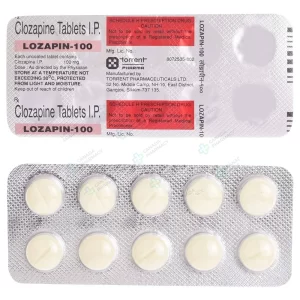
Clozapine
Price range: $ 19,00 through $ 171,00
Active substance: Clozapine
More Details
This product has multiple variants. The options may be chosen on the product page
Geodon
Price range: $ 46,00 through $ 418,00
Active substance: Ziprasidone
More Details
This product has multiple variants. The options may be chosen on the product page
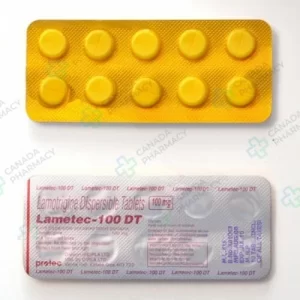
Lamictal Dispersible
Price range: $ 14,00 through $ 61,00
Active substance: Lamotrigine
More Details
This product has multiple variants. The options may be chosen on the product page
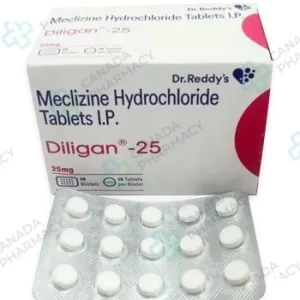
Meclizine
Price range: $ 47,00 through $ 143,00
Active substance: Meclizine
More Details
This product has multiple variants. The options may be chosen on the product page
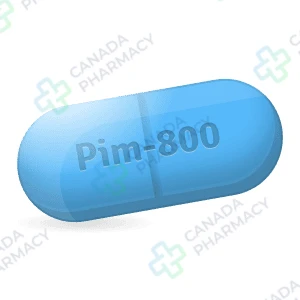
Pim-800
Price range: $ 43,00 through $ 274,00
Active substance: Paracetamol
More Details
This product has multiple variants. The options may be chosen on the product page
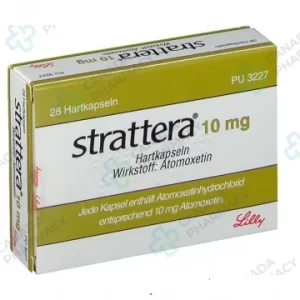
Strattera
Price range: $ 40,00 through $ 500,00
Active substance: Atomoxetine
More Details
This product has multiple variants. The options may be chosen on the product page
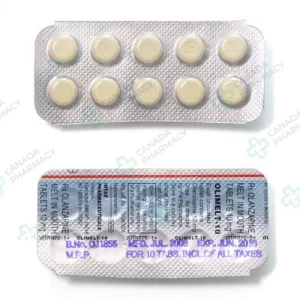
Zyprexa
Price range: $ 41,00 through $ 358,00
Active substance: Olanzapine
More Details
This product has multiple variants. The options may be chosen on the product page