

-35%
Clonidine
Price range: $ 40,00 through $ 95,00
Clozaril
Price range: $ 45,00 through $ 129,00
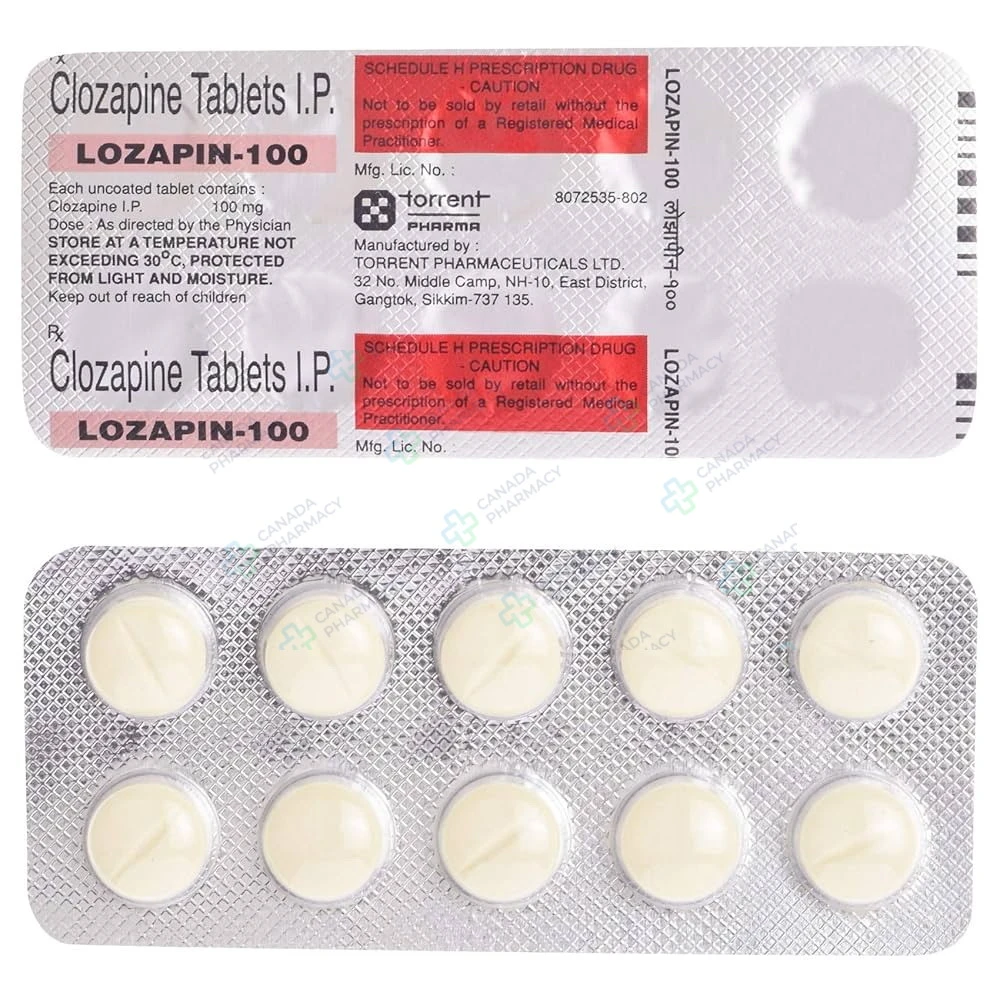
Clozapine
Price range: $ 19,00 through $ 171,00
Clozapine is an atypical antipsychotic medication primarily used to manage severe symptoms of schizophrenia. It is specifically indicated for patients who have not responded adequately to other standard antipsychotic treatments. This medication is also effective in reducing the risk of recurrent suicidal behavior in individuals diagnosed with schizophrenia or schizoaffective disorder. By modulating the activity of chemical messengers like dopamine and serotonin in the brain, it helps stabilize mood and thought processes. Clozapine plays a vital role in improving the quality of life for those dealing with complex mental health challenges.
Active substance: Clozapine
Delivery: 5–21 days (depending on the shipping method)
Extra 10% discount with coupon: IT4K6SVM
Each dosage option has its own packaging choices.
Description
Clozapine is a prescription atypical antipsychotic medication that requires strict medical supervision due to serious potential risks. It is FDA-approved specifically for severe, treatment-resistant schizophrenia and for reducing suicidal behavior in patients diagnosed with schizophrenia or schizoaffective disorder.
Because of the risk of severe blood complications, dispensing in the United States is closely regulated through the Clozapine Risk Evaluation and Mitigation Strategy (REMS) program. Patients must undergo routine blood monitoring to receive this prescription medication legally and safely from a pharmacy.
Product Summary and Safety Overview
| Parameter | Details |
|---|---|
| Active Ingredient | Clozapine |
| Therapeutic Class | Atypical Antipsychotic (Second-Generation Antipsychotic) |
| Prescription Status | Prescription Only (Rx) – Requires REMS Enrollment |
| Route of Administration | Oral (tablets, orally disintegrating tablets, oral suspension) |
| Primary Purpose | Management of treatment-resistant schizophrenia and reduction of suicidal behavior |
| Storage Conditions | Controlled room temperature 20°C to 25°C (68°F to 77°F) |
Clinical Indications and Pharmacokinetics
Main Uses: Clozapine is indicated in the United States for patients with schizophrenia who have failed to respond adequately to at least two standard antipsychotic treatments given at adequate doses and durations. It is also FDA-approved to reduce the risk of recurrent suicidal behavior in patients with schizophrenia or schizoaffective disorder. Any other application, such as severe psychosis associated with Parkinson’s disease or refractory bipolar disorder, is considered an off-label use. Off-label prescribing must be explicitly evaluated and managed by a qualified medical specialist.
How the Drug Works: Clozapine is a second-generation atypical antipsychotic with a unique pharmacological profile. Unlike conventional antipsychotics, it displays weak dopamine D2-receptor blocking activity while exhibiting strong binding affinity for serotonin 5-HT2A receptors, as well as dopamine D4, adrenergic, histamine H1, and cholinergic receptors. This complex mechanism helps manage positive and negative symptoms of psychosis with a reduced likelihood of classical extrapyramidal side effects compared to first-generation agents.
Dosing Schedule: Treatment must always begin at a low dose, typically 12.5 mg once or twice daily, to minimize the risk of severe orthostatic hypotension and syncope. Prescribers gradually titrate the dose upward in small increments (25 mg to 50 mg per day) until a target clinical dose is achieved, usually between 300 mg and 450 mg daily divided into multiple doses. The maximum recommended FDA ceiling dose is 900 mg per day. If therapy is interrupted for more than 48 hours, treatment must be restarted at 12.5 mg once or twice daily and re-titrated to prevent dangerous cardiac side effects.
How It’s Absorbed and Eliminated: Following oral administration, clozapine is rapidly absorbed, reaching peak plasma concentrations within 1 to 6 hours. It undergoes extensive hepatic metabolism, primarily mediated by the cytochrome P450 enzyme CYP1A2, with minor contributions from CYP2D6 and CYP3A4. The elimination half-life varies significantly between individuals, generally ranging from 8 to 16 hours under steady-state conditions. Excretion occurs via both urine and feces as inactive metabolites.
Critical Safety Warnings and Precautions
Important Precautions: Clozapine carries several serious, potentially fatal warnings. The FDA requires a boxed warning for severe neutropenia (agranulocytosis), a dangerous drop in white blood cells that leaves the body vulnerable to severe infections. Other severe warnings include orthostatic hypotension, bradycardia, syncope, seizures, myocarditis, cardiomyopathy, and gastrointestinal hypomotility leading to severe constipation or bowel obstruction. Furthermore, clozapine carries an increased risk of mortality in elderly patients with dementia-related psychosis and is not approved for that population.
First Days of Treatment: During the initial days of clozapine therapy, patients frequently experience marked sedation, lightheadedness, and increased heart rate. Frequent blood pressure measurements and baseline blood tests, including Absolute Neutrophil Count (ANC), are mandatory before starting the first dose. Caregivers and patients must monitor for sudden dizziness when moving from a sitting to a standing position.
Emergency Symptoms
Red Flags: Immediate medical attention is required if certain severe symptoms occur during treatment. Do not wait for a scheduled appointment if any of the following arise:
| Symptom Category | Specific Red Flag Signs |
|---|---|
| Infection / Neutropenia | High fever, severe chills, sore throat, persistent cough, or unexpected weakness |
| Cardiac Issues | Chest pain, shortness of breath, rapid or irregular heartbeat, or feeling faint |
| Gastrointestinal Obstruction | Severe constipation, abdominal severe pain, bloating, vomiting, or lack of bowel movements |
| Neurological / Seizures | Sudden muscle twitching, loss of consciousness, or seizure activity |
| Allergic Reaction | Swelling of the face, lips, tongue, or severe skin rash and itching |
When to Seek Help Immediately: If any signs of infection (such as fever or sore throat), cardiac distress (chest discomfort or unexplained fatigue), or severe abdominal symptoms occur, contact emergency medical services or go to the nearest hospital immediately. Severe neutropenia can progress rapidly without warning symptoms other than fever, making immediate action necessary.
Daily Management and Interactions
Adverse Reactions: Common adverse effects of clozapine include significant drowsiness, excessive salivation (sialorrhea, especially at night), dizziness, tachycardia, constipation, weight gain, and metabolic changes such as elevated blood sugar and altered lipid profiles. Less common but severe reactions include neuroleptic malignant syndrome (NMS), liver enzyme elevations, and severe metabolic ketoacidosis.
What Not to Combine: Clozapine has extensive drug-drug interactions. Concomitant use with other bone marrow suppressants (such as carbamazepine or cytotoxic chemotherapy) is contraindicated due to an increased risk of severe neutropenia. Inhibitors of CYP1A2 (such as fluvoxamine, ciprofloxacin, or caffeine) significantly increase clozapine plasma concentrations, raising the risk of toxicity. Inducers of CYP1A2 (such as carbamazepine, rifampin, or tobacco smoke) decrease clozapine plasma levels, potentially reducing clinical efficacy. Central nervous system depressants, including benzodiazepines, opioids, and sedative antihistamines, combined with clozapine can cause severe respiratory depression and profound hypotension.
What to Avoid While Taking It: Avoid consuming alcohol entirely, as it severely amplifies central nervous system depression and cognitive impairment. Avoid sudden changes in caffeine consumption; drastically increasing or decreasing coffee, tea, or energy drink intake can significantly change clozapine levels in your blood. Cigarette smoking induces CYP1A2; if a patient stops or starts smoking during therapy, the treating physician must be notified immediately to adjust the clozapine dose safely.
Storage and Expiration: Store clozapine tablets at controlled room temperature between 20°C and 25°C (68°F to 77°F), with permitted excursions between 15°C and 30°C (59°F to 86°F). Protect the medication from excessive moisture, heat, and direct light. Always store it in its original child-resistant container out of reach of children and pets. Properly discard any medication that has passed its stated expiration date according to local regulations.
Frequently Asked Questions
Why are routine blood tests mandatory for clozapine treatment?
Routine blood tests are strictly required by the FDA Clozapine REMS program to measure your Absolute Neutrophil Count (ANC). Clozapine can cause agranulocytosis, a severe drop in white blood cells that severely impairs the body’s ability to fight infection. Blood monitoring allows prescribers to catch dropping cell counts early before severe, life-threatening infections develop.
What happens if I miss several doses of clozapine?
If you miss clozapine for more than 48 hours (two full days), you must not simply restart taking your regular dose. Taking your normal dose after a break of 48 hours or more significantly increases the risk of severe hypotension, bradycardia, syncope, and cardiac arrest. You must contact your prescriber immediately to safely re-titrate the dose starting from 12.5 mg.
Can changes in smoking habits alter how clozapine works?
Yes, chemicals in tobacco smoke induce the liver enzyme CYP1A2, which breaks down clozapine faster. If you stop smoking while taking clozapine, clozapine levels in your blood can rise significantly, increasing the risk of toxicity and side effects. Conversely, starting to smoke can lower medication levels and cause symptoms to return. Always inform your prescriber before changing your smoking habits.
How can excessive drooling caused by clozapine be managed?
Excessive salivation (sialorrhea) is a very common side effect, especially at night. Helpful practical steps include placing a towel over your pillow during sleep and staying properly hydrated. If drooling remains severe or troublesome, talk to your doctor, who may adjust your dosing schedule or prescribe an anticholinergic agent or drop to manage the symptom safely.
Is it safe to stop taking clozapine abruptly?
No, clozapine should never be discontinued abruptly unless ordered by your physician due to a dangerous blood count drop or severe medical emergency. Abrupt withdrawal can cause severe psychotic rebound symptoms, extreme agitation, sweatiness, nausea, and cholinergic rebound. Discontinuation must always be carried out as a gradual dose reduction under direct medical supervision.
In accordance with FDA requirements.
The information presented here is not a substitute for professional medical advice. Always consult your healthcare provider before starting or changing any treatment.
Additional information
| Dosage |
25 mg ,50 mg ,100 mg |
|---|---|
| Package |
10 pills ,20 pills ,30 pills ,60 pills ,90 pills ,120 pills |
| Ενεργός Ουσία |
Related products
Axepta
Price range: $ 40,00 through $ 500,00
Active substance: Atomoxetine
More Details
This product has multiple variants. The options may be chosen on the product page

Flunil
Price range: $ 21,00 through $ 138,00
Active substance: Fluoxetine
More Details
This product has multiple variants. The options may be chosen on the product page
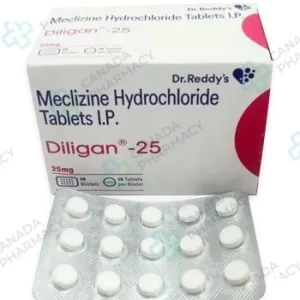
Meclizine
Price range: $ 47,00 through $ 143,00
Active substance: Meclizine
More Details
This product has multiple variants. The options may be chosen on the product page
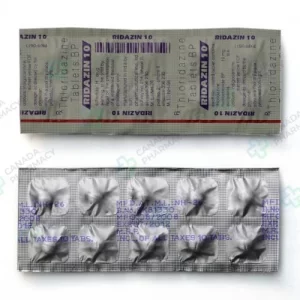
Mellaril
Price range: $ 40,00 through $ 427,00
Active substance: Thioridazine
More Details
This product has multiple variants. The options may be chosen on the product page

Pim-800
Price range: $ 43,00 through $ 274,00
Active substance: Paracetamol
More Details
This product has multiple variants. The options may be chosen on the product page
Solian
Price range: $ 89,00 through $ 745,00
Active substance: amisulpride
More Details
This product has multiple variants. The options may be chosen on the product page
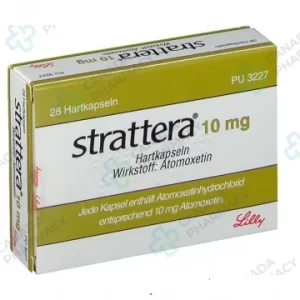
Strattera
Price range: $ 40,00 through $ 500,00
Active substance: Atomoxetine
More Details
This product has multiple variants. The options may be chosen on the product page

Valparin
Price range: $ 100,00 through $ 273,00
Active substance: Valproic Acid
More Details
This product has multiple variants. The options may be chosen on the product page