

-25%


Floxin
Price range: $ 46,00 through $ 335,00
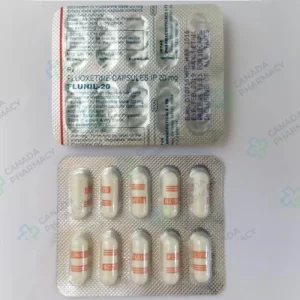
Fluoxetine
Price range: $ 40,00 through $ 179,00
Flunil
Price range: $ 21,00 through $ 138,00
Flunil is a selective serotonin reuptake inhibitor (SSRI) used to treat various mood and emotional health conditions effectively. This medication is primarily indicated for managing major depressive disorder by helping to restore emotional balance and improve overall well-being. It is also a trusted option for individuals dealing with obsessive-compulsive disorder and panic disorder symptoms. Additionally, Flunil is utilized in the management of bulimia nervosa and premenstrual dysphoric disorder. By stabilizing serotonin levels in the brain, it helps patients maintain a more positive and consistent daily outlook.
Active substance: Fluoxetine
Delivery: 5–21 days (depending on the shipping method)
Extra 10% discount with coupon: IT4K6SVM
Each dosage option has its own packaging choices.
Description
Flunil belongs to the class of medications known as selective serotonin reuptake inhibitors (SSRIs). It contains the active ingredient fluoxetine hydrochloride and is prescribed by healthcare providers for the management of major depressive disorder, obsessive-compulsive disorder, and other psychiatric conditions. In accordance with U.S. federal regulations, this medication is available by prescription only.
| Parameter | Details |
|---|---|
| Active ingredient (INN) | Fluoxetine hydrochloride |
| Therapeutic class | Selective Serotonin Reuptake Inhibitor (SSRI) |
| Prescription status | Prescription (Rx) only |
| Route of administration | Oral |
| Primary purpose | Treatment of depression, OCD, and panic disorder |
| Storage requirements | Controlled room temperature (68°F to 77°F / 20°C to 25°C) |
Clinical Overview and Mechanism
How the drug works
The active compound in Flunil, fluoxetine, inhibits the presynaptic reuptake of the neurotransmitter serotonin (5-hydroxytryptamine, or 5-HT) in the central nervous system. By blocking the serotonin transporter protein (SERT), fluoxetine increases the concentration of active serotonin within the synaptic cleft. This enhancement of serotonergic neurotransmission is believed to alleviate symptoms associated with clinical depression and anxiety disorders. Fluoxetine exhibits relatively low affinity for adrenergic, cholinergic, histamine, and dopamine receptors, which contributes to a lower incidence of anticholinergic and cardiovascular side effects compared to older tricyclic antidepressants.
Main uses
Flunil is indicated for the treatment of Major Depressive Disorder (MDD) in adult and pediatric populations (aged 8 years and older). It is also approved for the acute and maintenance treatment of Obsessive-Compulsive Disorder (OCD) in adults and pediatric patients (aged 7 years and older). Additional FDA-approved indications include Panic Disorder with or without agoraphobia in adults, as well as Bulimia Nervosa for the reduction of binge-eating and vomiting behaviors. In some clinical settings, healthcare providers may evaluate off-label indications such as post-traumatic stress disorder or binge eating disorder; however, off-label uses require explicit medical assessment and individualized oversight.
How it’s absorbed and eliminated
Following oral administration, fluoxetine is well absorbed from the gastrointestinal tract, reaching peak systemic concentrations within 6 to 8 hours. The systemic bioavailability is not significantly altered by food consumption. Fluoxetine is extensively bound to human plasma proteins (approximately 95%) and exhibits wide tissue distribution throughout the body. Metabolism occurs primarily in the liver via the cytochrome P450 enzyme system, specifically CYP2D6, converting fluoxetine into its primary active metabolite, norfluoxetine. The elimination half-life of fluoxetine ranges from 1 to 3 days after acute dosing and 4 to 6 days after chronic administration, while norfluoxetine has a significantly longer half-life of 4 to 16 days. Excretion occurs predominantly through the kidneys as inactive metabolites.
Signs of improvement
Therapeutic responses to Flunil typically develop gradually over several weeks. Early changes may include slight improvements in sleep patterns, energy levels, or appetite within the first 1 to 2 weeks of consistent daily administration. Reductions in core depressive symptoms, obsessive thoughts, or panic attack frequency generally become noticeable between 4 to 6 weeks of continuous treatment. Patients should not discontinue treatment prematurely if immediate emotional changes are not observed, as maximum therapeutic efficacy often requires several weeks of steady dosing under medical supervision.
Safety Guidelines and Precautions
Dosing and Administration
Dosing schedule
Flunil is administered orally, typically as a single daily dose in the morning, or in divided doses (morning and noon) if daily doses exceed 20 mg. Dosing schedules are determined strictly by the prescribing physician based on the patient’s medical diagnosis, age, renal and hepatic function, and treatment response. Initial adult doses for major depressive disorder typically start at 20 mg daily, with periodic evaluations to assess the necessity of dosage titration. Doses should not be altered without explicit instructions from a licensed provider.
If you skip a dose
If a dose of Flunil is missed, take it as soon as remembered on the same day. However, if it is almost time for the next scheduled dose, skip the missed dose and resume the regular dosing schedule. Patients must never double the dose or take extra medication to compensate for a missed capsule, as this increases the risk of concentration-dependent adverse effects.
Storage and expiration
Store Flunil at controlled room temperature between 68°F and 77°F (20°C to 25°C), with temporary excursions permitted between 59°F and 86°F (15°C to 30°C). Keep the bottle tightly closed, protected from light and excessive moisture. Do not store this medication in humid bathroom environments. Always keep out of reach of children and pets, and dispose of expired or unused medication in accordance with local environmental safety guidelines.
Potential Adverse Effects
Commonly reported adverse reactions associated with Flunil include gastrointestinal disturbances such as nausea, diarrhea, dry mouth, and dyspepsia. Central nervous system effects may include insomnia, fatigue, somnolence, tremors, anxiety, and abnormal dreams. Decreased appetite and weight loss can also occur during initial therapy. Sexual dysfunction–including reduced libido, erectile dysfunction, and delayed ejaculation or anorgasmia–is a recognized adverse effect of SSRI therapy that may persist throughout treatment. Patients should report persistent or severe adverse reactions to their prescribing physician for clinical evaluation.
Drug Interactions and Warnings
What not to combine
Flunil has significant potential for drug interactions due to its metabolic pathway via CYP2D6 and CYP3A4 enzymes. The simultaneous use of monoamine oxidase inhibitors (MAOIs) is strictly contraindicated due to the risk of severe, life-threatening Serotonin Syndrome. At least 14 days must elapse between discontinuing an MAOI and starting Flunil, and at least 5 weeks must elapse after stopping Flunil before initiating MAOI therapy. Combining Flunil with other serotonergic agents (such as triptans, tramadol, fentanyl, lithium, or St. John’s Wort) increases serotonin risk. Co-administration with nonsteroidal anti-inflammatory drugs (NSAIDs), aspirin, or warfarin heightens the risk of upper gastrointestinal bleeding.
Food and alcohol interactions
Flunil may be taken with or without food. However, patients are strongly advised to avoid consuming alcohol while taking fluoxetine. Alcohol co-ingestion can exacerbate central nervous system depression, impairment of motor skills, drowsiness, and cognitive dysfunction.
Important precautions
A boxed warning highlights that antidepressants increase the risk of suicidal thoughts and behaviors in children, adolescents, and young adults under age 25 during initial treatment phase (first few weeks) or following dose adjustments. Patients, families, and caregivers must monitor closely for emerging agitation, irritability, unusual behavioral changes, or suicidal ideation. Flunil should be used with caution in patients with a history of seizure disorders, bipolar disorder, angle-closure glaucoma, severe hepatic impairment, or cardiac rhythm abnormalities (such as QT prolongation). Abrupt discontinuation of fluoxetine should be avoided to minimize withdrawal-like symptoms, although its long half-life buffers against immediate rebound reactions.
Common Questions
How long does it take for Flunil to leave the body after stopping?
Due to the long elimination half-life of fluoxetine (1 to 6 days) and its active metabolite norfluoxetine (4 to 16 days), the drug remains in the systemic circulation for several weeks after the final dose. It typically takes approximately 5 weeks for fluoxetine and its active metabolites to be substantially cleared from the body.
Can Flunil cause weight changes during prolonged use?
Weight loss can occur during short-term therapy due to decreased appetite and nausea. However, over long-term treatment, some patients may experience modest weight gain. Patients should discuss significant body weight modifications with their healthcare provider to evaluate metabolic factors.
Is it safe to drive or operate machinery while taking Flunil?
Flunil may impair judgment, thinking, or motor coordination in some individuals, particularly during the first few weeks of treatment or after a dose increase. Patients should refrain from driving, operating heavy machinery, or engaging in hazardous tasks until they are reasonably certain how the drug affects their mental alertness.
What should I do if I experience symptoms of Serotonin Syndrome?
Serotonin Syndrome is a rare but potentially dangerous condition characterized by confusion, hallucinations, fast heartbeat, severe muscle stiffness, tremors, shivering, sweating, and hyperthermia. If any of these signs develop, seek immediate emergency medical evaluation or contact emergency medical services right away.
Does Flunil interact with over-the-counter pain relievers like ibuprofen?
Yes, combining Flunil with nonsteroidal anti-inflammatory drugs (NSAIDs) such as ibuprofen or naproxen can increase the risk of gastrointestinal bleeding and bruising. Patients should consult a physician or pharmacist before regularly taking OTC pain medications alongside fluoxetine.
Information on this page is for reference and does not replace an assessment by a licensed healthcare professional. In accordance with FDA requirements.
Additional information
| Dosage |
10 mg ,20 mg ,40 mg ,60 mg |
|---|---|
| Package |
30 caps ,60 caps ,90 caps ,120 caps ,180 caps ,270 caps ,360 caps |
| Ενεργός Ουσία |
Related products

Bupropion
Price range: $ 41,00 through $ 297,00
Active substance: Bupropion
More Details
This product has multiple variants. The options may be chosen on the product page
Desyrel
Price range: $ 41,00 through $ 206,00
Active substance: Trazodone
More Details
This product has multiple variants. The options may be chosen on the product page

Emsam
Price range: $ 66,00 through $ 345,00
Active substance: Selegiline
More Details
This product has multiple variants. The options may be chosen on the product page
Endep
Price range: $ 22,00 through $ 398,00
Active substance: amitriptyline
More Details
This product has multiple variants. The options may be chosen on the product page
Pamelor
Price range: $ 54,00 through $ 185,00
Active substance: Nortriptyline
More Details
This product has multiple variants. The options may be chosen on the product page
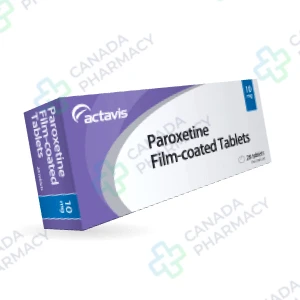
Paroxetine
Price range: $ 44,00 through $ 321,00
Active substance: paroxetine
More Details
This product has multiple variants. The options may be chosen on the product page

Paxil
Price range: $ 34,00 through $ 445,00
Active substance: paroxetine
More Details
This product has multiple variants. The options may be chosen on the product page

Pristiq
Price range: $ 73,00 through $ 561,00
Active substance: desvenlafaxine
More Details
This product has multiple variants. The options may be chosen on the product page