

-42%
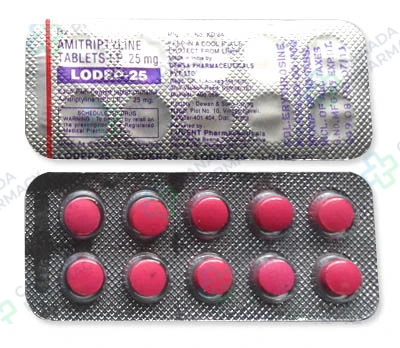

Enclomisign
Price range: $ 85,00 through $ 189,00
Entocort
Price range: $ 61,00 through $ 628,00
Endep
Price range: $ 22,00 through $ 398,00
Endep is a versatile tricyclic antidepressant designed to effectively treat various symptoms of major depressive disorder. The active ingredient, amitriptyline, works by restoring the natural balance of neurotransmitters like serotonin and norepinephrine in the brain. In addition to its use for mood regulation, this medication is widely utilized to manage chronic neuropathic pain and symptoms of fibromyalgia. It is also an established option for the prevention of recurring tension headaches and chronic migraines. By improving sleep quality and boosting overall energy levels, Endep helps patients regain a sense of emotional and physical stability.
Active substance: amitriptyline
Delivery: 5–21 days (depending on the shipping method)
Extra 10% discount with coupon: IT4K6SVM
Each dosage option has its own packaging choices.
Description
Endep belongs to a class of medications known as tricyclic antidepressants (TCAs). It contains the active ingredient amitriptyline hydrochloride and is available in the United States by prescription only under applicable federal and state regulations.
The medication is primarily indicated for the treatment of depression under professional clinical supervision. Due to its pharmacologic profile, healthcare providers may also evaluate its potential utility for other clinical conditions based on individual patient parameters.
| Parameter | Details |
|---|---|
| Active ingredient (INN) | Amitriptyline hydrochloride |
| Therapeutic class | Tricyclic antidepressant (TCA) |
| Dosage form | Oral tablet |
| Route of administration | Oral |
| Primary purpose | Treatment of major depressive disorder |
| Prescription status | Prescription only (Rx) |
Endep Overview and Clinical Application
Main uses
Endep is approved by the U.S. Food and Drug Administration (FDA) for the relief of symptoms associated with depression. Clinical management of major depressive disorder often requires sustained pharmaceutical intervention alongside structured therapeutic monitoring. Beyond its primary FDA-approved indication, licensed healthcare providers sometimes prescribe amitriptyline for non-approved applications based on clinical evidence. These off-label uses may include the management of neuropathic pain conditions (such as diabetic neuropathy or post-herpetic neuralgia), prophylactic treatment of chronic tension headaches and migraines, fibromyalgia management, or refractory insomnia associated with chronic painful disorders. Patients must recognize that off-label applications require individualized diagnostic rationale and specific monitoring protocols established by a physician.
How the drug works
The active substance in Endep, amitriptyline, acts by inhibiting the presynaptic reuptake mechanism of the neurotransmitters norepinephrine and serotonin (5-hydroxytryptamine or 5-HT) within the central nervous system. By blocking these reuptake transporters, the concentration of active neurotransmitters in the synaptic cleft is increased, which facilitates prolonged postsynaptic receptor stimulation. This enhancement of central monoaminergic transmission is believed to mediate the antidepressant activity of the drug. Additionally, amitriptyline possesses prominent affinity for histamine H1 receptors, muscarinic acetylcholine receptors, and alpha-1 adrenergic receptors. Blockade of H1 receptors contributes to its pronounced sedative properties, while muscarinic inhibition leads to classic anticholinergic systemic actions.
Dosing schedule
The administration of Endep must be directed and calibrated by a licensed prescribing physician. Standard outpatient regimens for adults treated for depressive symptoms typically start at lower initial daily dosages, such as 25 mg to 50 mg daily, often administered as a single dose at bedtime to utilize the sedative properties and minimize daytime drowsiness. Depending on patient tolerance and therapeutic response, the prescriber may gradually titrate the daily dose upward in increments over several weeks. Maximum daily dosages vary depending on whether treatment occurs in an outpatient or inpatient environment, where close electrocardiographic and laboratory monitoring is available. Patients must adhere strictly to the schedule prescribed and must not alter doses or stop therapy without medical consultation.
What happens in the body
Following oral administration, amitriptyline is rapidly absorbed from the gastrointestinal tract. It undergoes extensive first-pass hepatic metabolism, primarily mediated by cytochrome P450 enzymes including CYP2C19 and CYP2D6. During metabolism, amitriptyline is demethylated into its primary active metabolite, nortriptyline, which also exhibits significant antidepressant activity. Both amitriptyline and nortriptyline are widely distributed throughout body tissues and bind extensively to plasma proteins (exceeding 90%). The plasma elimination half-life of amitriptyline displays significant inter-individual variation, generally ranging from 10 to 50 hours. Elimination occurs primarily through renal excretion in the form of glucuronide conjugates and hydroxylated metabolites over several days.
Before you take it
Endep carries a boxed warning regarding an increased risk of suicidal thoughts and behaviors in children, adolescents, and young adults during initial therapy. The drug is strictly contraindicated in patients with a history of recent myocardial infarction or those currently taking monoamine oxidase inhibitors (MAOIs); a minimum 14-day wash-out period is required between stopping an MAOI and starting Endep. Exercise extreme caution in patients with cardiovascular disease due to risks of conduction abnormalities, arrhythmias, and orthostatic hypotension. Prescribers also evaluate baseline risks for narrow-angle glaucoma, urinary retention, prostatic hypertrophy, hepatic impairment, and seizure disorders prior to initiating treatment. Elderly patients are particularly sensitive to anticholinergic adverse effects, sedating actions, and fall risks.
Safety Guidelines and Daily Management
What not to combine
Combining Endep with monoamine oxidase inhibitors (MAOIs) is contraindicated, as it can precipitate severe, life-threatening hyperpyretic crises, severe convulsions, and serotonin syndrome. Concomitant administration with other serotonergic agents–such as SSRIs, SNRIs, triptans, or tramadol–substantially elevates the risk of serotonin toxicity. Medications that inhibit the cytochrome CYP2D6 enzyme system (e.g., fluoxetine, paroxetine, quinidine) can decrease the metabolic clearance of amitriptyline, leading to elevated plasma concentrations and increased risk of toxicity. Furthermore, Endep enhances the central nervous system depressant effects of sedatives, tranquilizers, hypnotics, and anticholinergic agents, requiring careful therapeutic monitoring when multi-drug regimens are necessary.
Adverse reactions
Adverse reactions during treatment with Endep frequently stem from its central nervous system and autonomic pharmacologic actions. Anticholinergic effects are among the most common and include dry mouth, blurred vision, constipation, and urinary hesitation. Neurological effects often include somnolence, dizziness, fatigue, headache, weakness, fine tremors, and altered coordination. Cardiovascular side effects may include orthostatic hypotension, sinus tachycardia, and alterations in cardiac conduction parameters such as QT interval prolongation. Weight gain, increased appetite, and metabolic alterations can occur during sustained treatment. Patients should report persistent or troublesome adverse reactions to their prescribing provider for clinical evaluation.
What to avoid while taking it
Patients taking Endep must avoid consuming alcoholic beverages. Alcohol potentiates the central nervous system depressant effects of amitriptyline, causing profound impairment of cognitive functions, alertness, and motor skills. Patients should exercise caution when operating heavy machinery, driving motor vehicles, or performing hazardous tasks until they fully understand how the drug affects their mental acuity. Co-administration with grapefruit juice or dietary supplements with sedative or serotonergic properties (such as St. John’s Wort) should be avoided unless explicitly evaluated and approved by a healthcare professional.
Red flags
Immediate medical attention in an emergency care setting is required if any of the following critical symptoms occur during treatment with Endep:
- Signs of serotonin syndrome, such as high fever, severe agitation, confusion, muscle rigidity, tremors, or rapid heart rate.
- Severe cardiovascular disturbances, including chest pain, heart palpitations, or fainting spells (syncope).
- Sudden development of severe eye pain, visual disturbances, or seeing halos around lights, which may indicate acute angle-closure glaucoma.
- Acute urinary retention or complete inability to pass urine.
- Signs of severe hypersensitivity, including swelling of the face, lips, tongue, or throat, or severe blistering skin rashes.
- Emergence of active suicidal thoughts, severe worsening of depression, or sudden drastic changes in behavior.
Signs of improvement
Therapeutic response to Endep does not occur immediately upon initiation of treatment. Patients typically require consistent daily administration for two to four weeks before significant clinical improvements in depressive mood symptoms are observed. Initial subtle signs of therapeutic response may include normalization of sleep patterns or minor reductions in anxiety symptoms within the first week or two. Patients should be counseled that full therapeutic benefits often take several weeks to manifest, and medication adherence should be maintained as directed by the prescriber during this initial adjustment phase.
Storage and expiration
Endep tablets should be stored at controlled room temperature between 68°F and 77°F (20°C to 25°C), with permitted excursions between 59°F and 86°F (15°C to 30°C) according to United States Pharmacopeia (USP) guidelines. Keep the medication in its original container, tightly closed, and protected from light and excessive moisture. Avoid storing the medication in humid environments such as bathrooms. Ensure that the drug is kept securely out of the reach and sight of children and pets. Do not use tablets beyond the expiration date printed on the prescription label or container.
Common questions
How long does it take for Endep to demonstrate a noticeable therapeutic benefit?
Clinical improvement in mood and depressive symptoms typically requires two to four weeks of continuous daily use. Some physiological effects, such as sedation or changes in sleep quality, may occur early in therapy, but the full antidepressant response develops gradually. It is vital to continue taking the medication as prescribed even if initial changes seem subtle.
What should a patient do if a daily dose of Endep is missed?
If a dose is missed, it should be taken as soon as remembered on that day. However, if it is almost time for the next scheduled dose, the missed dose should be skipped entirely, and the regular dosing schedule resumed. Patients must never double the dose to compensate for a missed tablet, as this increases the risk of adverse reactions and toxicity.
Is it safe to discontinue Endep suddenly after taking it for several months?
Abrupt cessation of Endep after prolonged administration is not recommended. Sudden withdrawal can induce discontinuation symptoms, including nausea, headache, malaise, sleep disturbances, and irritability. When discontinuing therapy, physicians gradually taper the daily dosage over weeks to ensure a safe and comfortable transition.
Can Endep cause orthostatic hypotension or dizziness upon standing?
Yes, orthostatic hypotension–a sudden drop in blood pressure when moving from a sitting or lying position to a standing position–is a known side effect of tricyclic antidepressants. Patients are advised to rise slowly from sitting or lying positions to reduce the risk of lightheadedness, dizziness, or falls, particularly when beginning therapy or after a dose increase.
How does advanced age affect the body’s response to Endep?
Elderly individuals are often more sensitive to the pharmacologic effects of amitriptyline due to age-related changes in drug metabolism and clearance. Older adults have a higher susceptibility to anticholinergic side effects (such as severe constipation, urinary retention, and confusion), orthostatic hypotension, and sedation, requiring lower initial doses and cautious clinical monitoring.
In accordance with FDA requirements.
This text is for informational purposes only and does not constitute individual medical advice.
Additional information
| Dosage |
10 mg ,25mg ,50mg ,75mg |
|---|---|
| Package |
30 pills ,60 pills ,90 pills ,120 pills ,180 pills ,270 pills ,360 pills |
| Ενεργός Ουσία |
Related products

Asendin
Price range: $ 41,00 through $ 369,00
Active substance: Amoxapine
More Details
This product has multiple variants. The options may be chosen on the product page
Bupron SR
Price range: $ 50,00 through $ 510,00
Active substance: Bupropion
More Details
This product has multiple variants. The options may be chosen on the product page

Celexa
Price range: $ 7,00 through $ 193,00
Active substance: Citalopram
More Details
This product has multiple variants. The options may be chosen on the product page

Clofranil
Price range: $ 47,00 through $ 318,00
Active substance: Clomipramine
More Details
This product has multiple variants. The options may be chosen on the product page

Lithium
Price range: $ 16,00 through $ 139,00
Active substance: Lithium
More Details
This product has multiple variants. The options may be chosen on the product page

Pamelor
Price range: $ 54,00 through $ 185,00
Active substance: Nortriptyline
More Details
This product has multiple variants. The options may be chosen on the product page
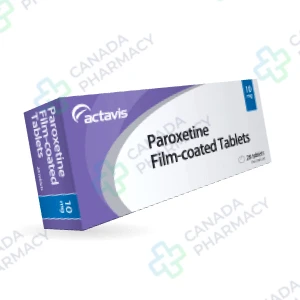
Paroxetine
Price range: $ 44,00 through $ 321,00
Active substance: paroxetine
More Details
This product has multiple variants. The options may be chosen on the product page

Pexep
Price range: $ 42,00 through $ 162,00
Active substance: paroxetine
More Details
This product has multiple variants. The options may be chosen on the product page