

-36%
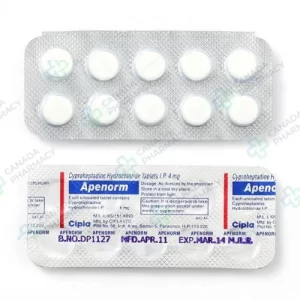
Periactin
Price range: $ 40,00 through $ 160,00
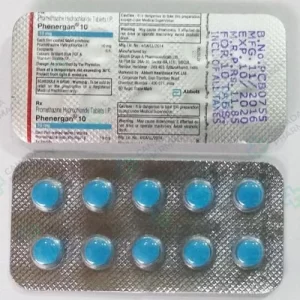
Phenergan
Price range: $ 42,00 through $ 136,00
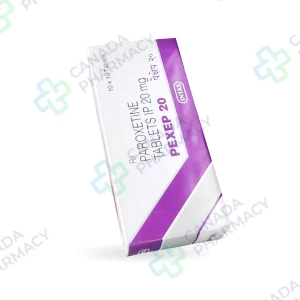
Pexep
Price range: $ 42,00 through $ 162,00
Pexep is a highly effective medication belonging to the class of selective serotonin reuptake inhibitors (SSRIs). It is primarily indicated for the treatment of major depressive disorder, helping individuals regain emotional balance and improve their daily mood. This medication is also widely utilized to manage various anxiety conditions, including social anxiety disorder and generalized anxiety disorder. Pexep provides significant relief for patients struggling with panic disorder, obsessive-compulsive disorder, and post-traumatic stress disorder. By effectively regulating serotonin levels in the brain, it supports long-term mental well-being and enhances overall quality of life.
Active substance: paroxetine
Delivery: 5–21 days (depending on the shipping method)
Extra 10% discount with coupon: IT4K6SVM
Each dosage option has its own packaging choices.
Description
Pexep belongs to a class of medications known as selective serotonin reuptake inhibitors (SSRIs). It contains the active ingredient paroxetine hydrochloride and is dispensed as a prescription-only pharmaceutical in accordance with federal and state regulations in the United States. Healthcare providers prescribe this medication primarily to manage major depressive disorder, generalized anxiety, and several related psychiatric conditions.
Because Pexep affects central neurotransmitter activity, treatment must always be initiated and monitored under professional medical oversight. Understanding its administration, potential drug interactions, and pharmacological properties helps ensure optimal therapeutic outcomes while minimizing potential risks.
Therapeutic Profile and Clinical Guidance
Main Uses
Pexep is indicated for the treatment of several mood and anxiety-related disorders in adults. FDA-approved indications for paroxetine formulations include major depressive disorder (MDD), obsessive-compulsive disorder (OCD), panic disorder with or without agoraphobia, social anxiety disorder (SAD), generalized anxiety disorder (GAD), and post-traumatic stress disorder (PTSD). In clinical practice, prescribers select this agent to help stabilize mood, reduce intrusive thoughts, and lessen excessive fear or autonomic arousal associated with anxiety states. Any use outside of these officially approved indications–such as the management of premature ejaculation or severe vasomotor symptoms–is considered off-label and requires distinct clinical rationale and supervision by a licensed practitioner.
How the Drug Works
The mechanism of action of Pexep relies on its potent and highly selective inhibition of neuronal serotonin (5-HT) reuptake in the central nervous system. By blocking the presynaptic serotonin transporter (SERT), the drug prevents the reabsorption of serotonin into the presynaptic neuron, thereby increasing synaptic concentrations of neurotransmitter available to postsynaptic receptors. Unlike older tricyclic antidepressants, paroxetine exhibits low affinity for muscarinic acetylcholine, alpha-adrenergic, and histamine H1 receptors, although it possesses slight anticholinergic activity compared to some other SSRIs. This selective alteration of serotonergic neurotransmission contributes directly to its antidepressant and anxiolytic effects over sustained administration.
How It’s Absorbed and Eliminated
Following oral administration, paroxetine is completely absorbed from the gastrointestinal tract, though it undergoes extensive first-pass hepatic metabolism. Steady-state plasma concentrations are typically achieved within 7 to 14 days after starting treatment. The drug is heavily metabolized in the liver via the cytochrome P450 enzyme system, predominantly by the CYP2D6 isoenzyme. Because paroxetine inhibits its own metabolizing enzyme (CYP2D6), its pharmacokinetics are non-linear, meaning increases in dose can lead to disproportionately higher plasma concentrations. The elimination half-life averages approximately 21 hours, though it ranges between 15 and 24 hours among individuals. Metabolites are mostly inactive and are excreted through urine (approximately 64%) and feces (approximately 36%).
Dosing Schedule
Dosing of Pexep must be individualized by a healthcare professional based on the specific condition being treated, patient response, and tolerability. The typical starting dose for major depressive disorder or generalized anxiety disorder is 20 mg taken orally once daily, usually in the morning to prevent nocturnal sleep disturbances. For conditions like panic disorder or OCD, initial doses may start lower (such as 10 mg daily) and gradually titrate upward by 10 mg increments at weekly intervals to a maximum recommended dose of 50 mg to 60 mg daily depending on the diagnosis. Tablets should be swallowed whole with water. Patients must not adjust their dosage or stop taking the medication abruptly, as sudden cessation can trigger discontinuation syndrome.
What You May Notice Early On
Patients initiating therapy with Pexep should be aware that clinical improvement does not occur immediately. While initial side effects like mild nausea or drowsiness may appear within the first few days, therapeutic benefits typically require 2 to 4 weeks of continuous use to become noticeable. Maximum therapeutic efficacy for mood and anxiety disorders often takes 6 to 8 weeks. During the first two weeks, some individuals experience a temporary increase in mild agitation or jitteriness before overall anxiety symptoms begin to subside.
Adverse Reactions
Like all serotonergic agents, Pexep can cause side effects, varying from mild and transient to severe. Common adverse reactions reported in clinical trials include nausea, somnolence, dry mouth, sweating, tremor, asthenia (weakness), constipation, decreased appetite, and dizziness. Sexual dysfunction–including delayed ejaculation, erectile dysfunction, impaired orgasm, and decreased libido–is a recognized adverse effect that may persist during therapy. Less common but serious side effects include hyponatremia (abnormally low blood sodium, primarily in elderly patients), abnormal bleeding events, activation of mania or hypomania, serotonin syndrome, and angle-closure glaucoma in patients with narrow anatomical angles.
Compatibility with Other Medicines
Pexep has significant potential for drug interactions due to its metabolic pathway and mechanism of action. Co-administration with Monoamine Oxidase Inhibitors (MAOIs) is strictly contraindicated due to the risk of severe, potentially fatal Serotonin Syndrome; a 14-day washout period is required when transitioning between these agents. Combining paroxetine with other serotonergic medications–such as triptans, tramadol, fentanyl, lithium, or St. John’s Wort–increases the risk of serotonin toxicity. Because paroxetine is a potent inhibitor of CYP2D6, it increases plasma levels of drugs metabolized by this pathway, including thioridazine, pimozide, atomoxetine, and certain antiarrhythmics and tricyclic antidepressants. Concurrent use with NSAIDs, aspirin, or anticoagulants like warfarin elevates the risk of upper gastrointestinal bleeding.
Safety Profile and Frequently Asked Questions
What to Avoid While Taking It
Pexep may be taken with or without food, though taking it alongside breakfast can lessen initial gastrointestinal discomfort such as nausea. Patients should completely avoid alcohol consumption while taking this medication. Alcohol enhances central nervous system depression, exacerbating motor impairment, sedation, and cognitive blunting caused by paroxetine. Additionally, patients should exercise caution when consuming excessive caffeine or herbal supplements containing serotonergic properties, such as St. John’s Wort.
If You Skip a Dose
If a dose of Pexep is missed, it should be taken as soon as remembered on that day, provided it is not close to the time for the next scheduled dose. If it is nearly time for the subsequent dose, the missed dose should be skipped entirely, and the normal dosing schedule resumed. Patients must never double up doses to make up for a missed tablet. Maintaining consistent daily timing minimizes the risk of emerging withdrawal-like symptoms.
Important Precautions
Pexep carries a Boxed Warning regarding an increased risk of suicidal thoughts and behaviors in children, adolescents, and young adults up to age 24 during initial treatment and dose adjustments. Prescribers and caregivers must closely monitor patients for worsening depression, agitation, unusual changes in behavior, or emergence of suicidality. The medication is not approved for pediatric populations. Use during pregnancy, particularly in the first trimester, has been associated with an increased risk of congenital cardiovascular malformations (such as ventricular and atrial septal defects) and persistent pulmonary hypertension of the newborn (PPHN); therefore, treatment during pregnancy requires a careful risk-benefit evaluation by the prescribing clinician. Elderly patients require lower starting doses due to reduced renal and hepatic clearance and heightened susceptibility to hyponatremia.
Storage and Expiration
Pexep should be stored at controlled room temperature between 20°C and 25°C (68°F to 77°F), with permitted excursions between 15°C and 30°C (59°F to 86°F). The container must be kept tightly closed, protected from excessive light and ambient moisture. Store the medication in a secure location out of the reach and sight of children and pets. Do not use tablets past the expiration date printed on the original packaging.
Key Information Overview
| Parameter | Details |
|---|---|
| Active Ingredient | Paroxetine hydrochloride |
| Therapeutic Class | Selective Serotonin Reuptake Inhibitor (SSRI) |
| Dosage Form | Oral tablet |
| Route of Administration | Oral |
| Prescription Status | Prescription only (Rx) |
| Primary Purpose | Management of depressive and anxiety disorders |
| Storage Conditions | 15°C–30°C (59°F–86°F), dry and light-protected place |
Common Questions
How long does it take for Pexep to achieve its full therapeutic effect?
While initial improvements in sleep or energy levels may appear within 1 to 2 weeks, full therapeutic response for depression and anxiety disorders typically requires 4 to 8 weeks of continuous daily use at an adequate therapeutic dose.
Can Pexep be stopped immediately if symptoms resolve?
No. Abruptly stopping Pexep can cause discontinuation syndrome, characterized by dizziness, sensory disturbances (electric shock sensations), vivid dreams, headache, anxiety, and nausea. Tapering must always be conducted slowly under the guidance of a prescribing doctor.
Does Pexep cause body weight changes during long-term therapy?
Weight changes, particularly modest weight gain, have been documented in patients taking paroxetine over extended periods. Regular monitoring of weight and adherence to a balanced diet and exercise regimen are recommended during maintenance therapy.
Is it safe to drive or operate machinery while taking Pexep?
Paroxetine can cause somnolence, dizziness, and impaired psychomotor skills. Patients should assess how the medication affects them individually before operating motor vehicles or operating dangerous machinery.
What should I do if I experience sexual side effects from Pexep?
Sexual dysfunction is a known side effect of SSRIs. If troublesome, discuss this directly with your prescribing doctor; they may adjust the dosage, suggest a temporary medication holiday, or add an adjunct treatment, but you should not alter your dose independently.
In accordance with FDA requirements.
This content is informational and does not replace a consultation with your doctor or pharmacist.
Additional information
| Dosage |
10mg ,20mg |
|---|---|
| Package |
60 pills ,90 pills ,120 pills ,180 pills ,270 pills ,360 pills |
| Ενεργός Ουσία |
Related products
Bupropion
Price range: $ 41,00 through $ 297,00
Active substance: Bupropion
More Details
This product has multiple variants. The options may be chosen on the product page
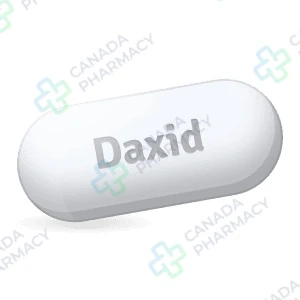
Daxid
Price range: $ 42,00 through $ 229,00
Active substance: Sertraline
More Details
This product has multiple variants. The options may be chosen on the product page
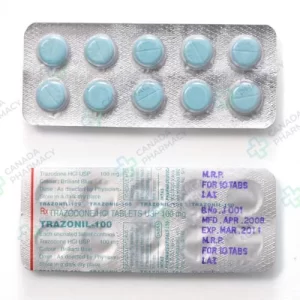
Desyrel
Price range: $ 41,00 through $ 206,00
Active substance: Trazodone
More Details
This product has multiple variants. The options may be chosen on the product page
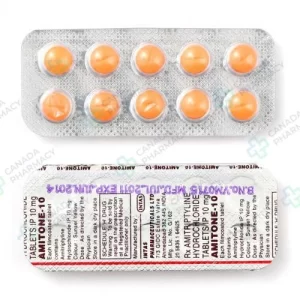
Elavil
Price range: $ 39,00 through $ 222,00
Active substance: amitriptyline
More Details
This product has multiple variants. The options may be chosen on the product page
Geodon
Price range: $ 46,00 through $ 418,00
Active substance: Ziprasidone
More Details
This product has multiple variants. The options may be chosen on the product page
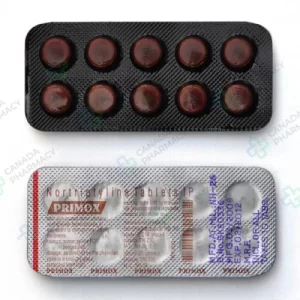
Pamelor
Price range: $ 54,00 through $ 185,00
Active substance: Nortriptyline
More Details
This product has multiple variants. The options may be chosen on the product page
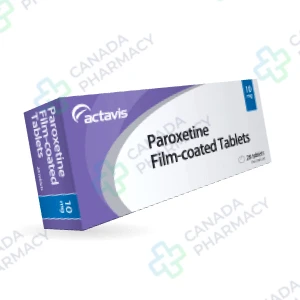
Paroxetine
Price range: $ 44,00 through $ 321,00
Active substance: paroxetine
More Details
This product has multiple variants. The options may be chosen on the product page
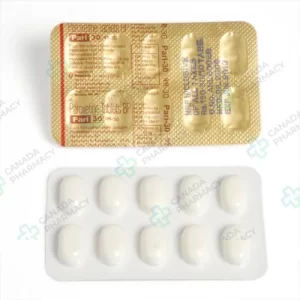
Paxil
Price range: $ 34,00 through $ 445,00
Active substance: paroxetine
More Details
This product has multiple variants. The options may be chosen on the product page