

-75%
Gasex
Price range: $ 40,00 through $ 241,00
Geriforte
Price range: $ 49,00 through $ 294,00
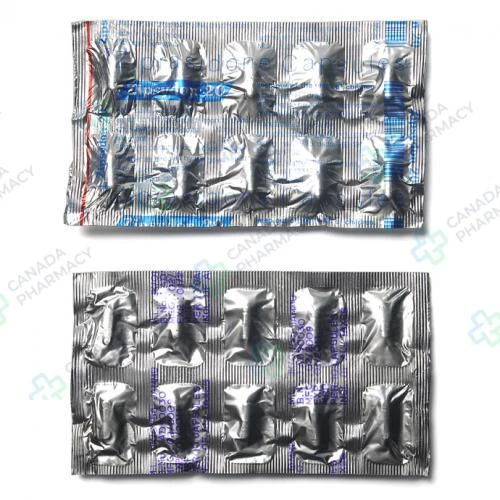
Geodon
Price range: $ 46,00 through $ 418,00
Geodon is an atypical antipsychotic medication primarily used to manage symptoms of schizophrenia in adult patients. It is also indicated for the acute treatment of manic or mixed episodes associated with bipolar I disorder. By balancing key neurotransmitters like dopamine and serotonin in the brain, this medication helps stabilize mood and thinking patterns. Patients often utilize Geodon to reduce symptoms such as hallucinations, disorganized behavior, and extreme emotional shifts. Additionally, it serves as a maintenance treatment to help prevent the recurrence of symptoms in those living with bipolar disorder.
Active substance: Ziprasidone
Delivery: 5–21 days (depending on the shipping method)
Extra 10% discount with coupon: IT4K6SVM
Each dosage option has its own packaging choices.
Description
Geodon belongs to a class of psychiatric medications known as atypical antipsychotics, which work by modulating neurotransmitter activity within the central nervous system. It is prescribed for the management of specific mood and psychotic disorders under direct healthcare provider supervision.
As an FDA-approved prescription medication in the United States, Geodon is dispensed exclusively upon presentation of a valid prescription from a licensed healthcare provider. The drug is available in oral capsule forms for routine daily administration and as an injectable solution for acute clinical settings.
| Property | Details |
|---|---|
| Active Ingredient | Ziprasidone hydrochloride |
| Therapeutic Class | Atypical antipsychotic |
| Prescription Status | Prescription only (Rx) |
| Route of Administration | Oral, Intramuscular |
| Administration Requirement | Must be taken with food (≥500 calories) |
Pharmacological Profile and Indications
How the Drug Works and What Happens in the Body
How the drug works: Ziprasidone, the active constituent of Geodon, exerts its pharmacological activity through complex interactions with multiple monoaminergic receptors in the brain. It functions primarily as an antagonist at dopamine D2 receptors and serotonin 5-HT2A and 5-HT1D receptors, while acting as a potent agonist at serotonin 5-HT1A receptors. Additionally, ziprasidone moderately inhibits the synaptic reuptake of both serotonin and norepinephrine. This receptor-binding profile helps regulate dopamine and serotonin signaling pathways, aiding in the stabilization of severe mood fluctuations and psychotic symptoms.
What happens in the body: Following oral administration, the absolute bioavailability of ziprasidone is approximately 60% when ingested alongside a meal containing at least 500 calories. Without food, systemic absorption decreases by up to 50%. Peak plasma concentrations (Tmax) are achieved within 6 to 8 hours after oral intake. Ziprasidone exhibits high plasma protein binding (>99%), primarily to albumin and alpha-1-acid glycoprotein. Metabolism occurs extensively in the liver via two main pathways: reduction mediated by aldehyde oxidase and oxidation by cytochrome P450 CYP3A4. The mean elimination half-life of oral ziprasidone is approximately 7 hours, with clearance occurring primarily through biliary and renal excretion of metabolites.
Therapeutic Indications and Dosing Schedule
Main uses: Geodon is FDA-approved in the United States for several specific psychiatric conditions. It is indicated for the acute treatment and maintenance therapy of schizophrenia in adult patients. It is also FDA-approved for the acute treatment of manic or mixed episodes associated with bipolar I disorder, both as monotherapy and as an adjunct to lithium or valproate. Furthermore, it is indicated for the maintenance treatment of bipolar I disorder as an adjunctive therapy to lithium or valproate. Any use outside of these official FDA-labeled indications represents off-label prescribing and must be determined by a qualified prescriber based on individual clinical evaluation.
Dosing schedule: Individualized dosing is determined by the treating physician. For schizophrenia, the recommended starting oral dose is 20 mg twice daily taken with food, with titration up to 80 mg twice daily based on clinical assessment. For acute bipolar mania, treatment typically begins at 40 mg twice daily taken with food, which may be increased to 80 mg twice daily by the second day of therapy. Consistently taking each capsule with a meal of at least 500 calories is essential to achieve therapeutic blood concentrations.
If you skip a dose: If a scheduled dose of Geodon is missed, it should be taken as soon as remembered, provided it is taken with food. However, if it is nearly time for the next scheduled dose, the missed capsule should be omitted, and the standard dosing schedule resumed. Patients should not double the dose to compensate for a missed administration.
Safety Profile, Interactions, and FAQ
Important Precautions and Adverse Reactions
Important precautions: Geodon carries an FDA boxed warning regarding increased mortality in elderly patients with dementia-related psychosis; Geodon is not approved for the treatment of patients with dementia-related psychosis. A significant clinical consideration is the drug’s capacity to prolong the QT interval on an electrocardiogram (ECG). Geodon should be avoided in patients with a known history of QT prolongation, recent acute myocardial infarction, uncompensated heart failure, or concurrent use of other QT-prolonging medications. Use during pregnancy and lactation requires careful consideration of risks and benefits under medical supervision.
What side effects may occur: Common adverse effects reported in clinical trials include somnolence, dizziness, headache, nausea, constipation, dyspepsia, dry mouth, and extrapyramidal symptoms such as akathisia (motor restlessness) or tremor. Serious adverse events, though less frequent, include tardive dyskinesia (involuntary repetitive body movements), Neuroleptic Malignant Syndrome (a potentially fatal neurological complex characterized by hyperpyrexia and muscle rigidity), metabolic changes (including hyperglycemia), and Drug Reaction with Eosinophilia and Systemic Symptoms (DRESS).
What to avoid while taking it: Patients should refrain from consuming alcohol while taking Geodon, as ethanol can intensify central nervous system depression, exacerbating sedation, dizziness, and impairment of motor coordination. Additionally, patients should avoid taking the medication on an empty stomach due to the resulting reduction in absorption.
Red flags: Immediate medical evaluation is required if patients experience signs of severe adverse events. Key emergency indicators include high fever accompanied by severe muscle stiffness, confusion, and sweating (possible signs of Neuroleptic Malignant Syndrome); sudden dizziness, lightheadedness, or fainting (indicative of cardiac arrhythmias); severe skin rash, facial swelling, or peeling skin with fever (suggestive of DRESS syndrome); or sudden involuntary movements of the tongue, lips, or limbs.
Storage and expiration: Geodon capsules should be stored at controlled room temperature between 59°F and 86°F (15°C to 30°C). Keep the bottle tightly closed to protect from light and moisture. Store out of the reach of children and pets, and dispose of expired or unused medication in accordance with local drug take-back regulations.
Common Questions
Why must Geodon be taken with a meal of at least 500 calories?
Ingesting Geodon with food significantly increases gastrointestinal absorption. A meal containing at least 500 calories approximately doubles the drug’s bioavailability compared to administration under fasting conditions, ensuring that adequate therapeutic plasma levels are achieved.
Can Geodon cause heart rhythm alterations?
Yes, ziprasidone produces a concentration-dependent prolongation of the QT interval on an electrocardiogram. Healthcare providers monitor cardiac risk factors and may perform baseline and periodic ECG assessments, particularly when co-administering other drugs that alter cardiac conduction.
Is Geodon classified as a controlled substance under federal law?
No, Geodon is not a controlled substance under the United States Controlled Substances Act. However, it remains a prescription-only medication that requires formal authorization and ongoing oversight by a licensed prescriber.
What should be done if involuntary muscle movements develop?
If involuntary movements of the face, jaw, tongue, or extremities occur, or if severe internal restlessness develops, the prescribing healthcare provider should be contacted immediately. These symptoms may represent extrapyramidal side effects or tardive dyskinesia, requiring clinical re-evaluation.
Is it safe to discontinue Geodon suddenly?
Abrupt cessation of Geodon can lead to a relapse of psychotic or manic symptoms, as well as withdrawal-related discomfort. Discontinuation or dose adjustments should only be performed under the direct guidance and supervision of the prescribing clinician.
This text is for informational purposes only and does not constitute individual medical advice. In accordance with FDA requirements.
Additional information
| Dosage |
20mg ,40mg |
|---|---|
| Package |
10 pills ,20 pills ,30 pills ,60 pills ,90 pills ,120 pills ,180 pills ,270 pills ,360 pills |
| Ενεργός Ουσία |
Related products
Bupron SR
Price range: $ 50,00 through $ 510,00
Active substance: Bupropion
More Details
This product has multiple variants. The options may be chosen on the product page
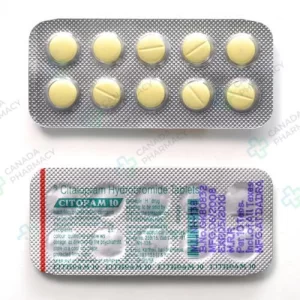
Celexa
Price range: $ 7,00 through $ 193,00
Active substance: Citalopram
More Details
This product has multiple variants. The options may be chosen on the product page
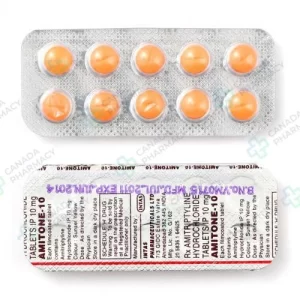
Elavil
Price range: $ 39,00 through $ 222,00
Active substance: amitriptyline
More Details
This product has multiple variants. The options may be chosen on the product page
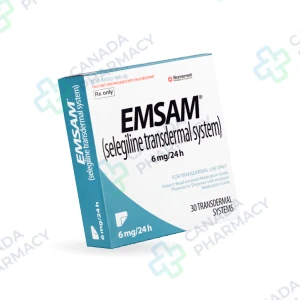
Emsam
Price range: $ 66,00 through $ 345,00
Active substance: Selegiline
More Details
This product has multiple variants. The options may be chosen on the product page
Flunil
Price range: $ 21,00 through $ 138,00
Active substance: Fluoxetine
More Details
This product has multiple variants. The options may be chosen on the product page
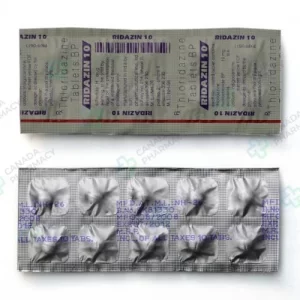
Mellaril
Price range: $ 40,00 through $ 427,00
Active substance: Thioridazine
More Details
This product has multiple variants. The options may be chosen on the product page
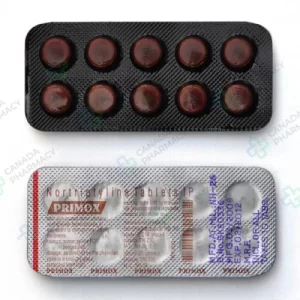
Pamelor
Price range: $ 54,00 through $ 185,00
Active substance: Nortriptyline
More Details
This product has multiple variants. The options may be chosen on the product page
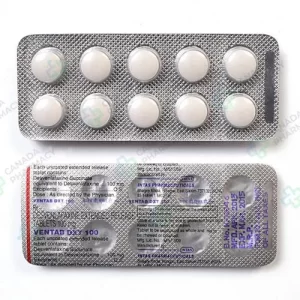
Pristiq
Price range: $ 73,00 through $ 561,00
Active substance: desvenlafaxine
More Details
This product has multiple variants. The options may be chosen on the product page