

-35%
Endep
Price range: $ 22,00 through $ 398,00
Epivir
Price range: $ 71,00 through $ 298,00
Entocort
Price range: $ 61,00 through $ 628,00
Entocort is an effective corticosteroid medication specifically designed to target inflammation within the digestive tract. It is primarily used for the treatment of mild to moderate active Crohn’s disease affecting the ileum and the ascending colon. The active ingredient, budesonide, works locally in the intestines to reduce swelling and alleviate symptoms like abdominal pain and diarrhea. This medication is also indicated for maintaining clinical remission, helping patients prolong the period between symptomatic flare-ups. By delivering targeted relief where it is needed most, Entocort helps improve the daily quality of life for those managing chronic inflammatory bowel conditions.
Active substance: Budesonide
Delivery: 5–21 days (depending on the shipping method)
Extra 10% discount with coupon: IT4K6SVM
Each dosage option has its own packaging choices.
Description
Entocort belongs to a class of synthetic glucocorticoid medications specifically formulated to target localized inflammation in the gastrointestinal tract. Prescribed under federal regulations as a prescription-only (Rx) therapy in the United States, its primary active agent, budesonide, delivers targeted corticosteroid action with reduced systemic exposure compared to conventional oral steroids. Healthcare providers typically utilize this agent for managing specific inflammatory bowel disorders involving the distal small intestine and proximal colon.
Due to its specialized formulation, improper administration or abrupt discontinuation can alter clinical outcomes and endocrine function. Understanding its pharmacokinetic properties, dosing requirements, and potential drug interactions is essential for safe and effective therapy.
Clinical Overview and Pharmacologic Profile
| Property | Specification |
|---|---|
| Active Ingredient | Budesonide |
| Pharmacologic Class | Adrenal Corticosteroid / Glucocorticoid |
| Dosage Form | Oral delayed-release capsule (3 mg) |
| Route of Administration | Oral |
| Primary Purpose | Induction and maintenance of remission in mild-to-moderate Crohn’s disease |
| Prescription Status | Prescription only (Rx) |
| Storage Requirements | Room temperature (20°C to 25°C / 68°F to 77°F) |
How the Drug Works
The active substance in Entocort, budesonide, is a non-halogenated synthetic corticosteroid exhibiting potent local anti-inflammatory activity. The compound binds with high affinity to intracellular glucocorticoid receptors in the gut wall, inhibiting the transcription of pro-inflammatory cytokines, chemokines, and inflammatory enzymes such as phospholipase A2. The capsule formulation contains ethylcellulose-coated granules designed to resist gastric acid breakdown, releasing the active drug in a pH-dependent manner when local gastrointestinal pH reaches 5.5 or higher. This targeted delivery maximizes drug concentration at the primary site of inflammation–the ileum and ascending colon–while limiting systemic absorption.
What It’s Used For
Entocort is indicated for the treatment of mild to moderate Crohn’s disease involving the ileum, the ascending colon, or both, in adult patients and pediatric patients aged 8 to 17 years weighing over 25 kg. It is prescribed for the induction of clinical remission during acute inflammatory disease flare-ups for treatment courses lasting up to 8 weeks. Additionally, it is indicated for the maintenance of clinical remission in adults for up to 3 months. Any application outside these specific anatomic locations or clinical conditions, such as off-label use for microscopic colitis (including lymphocytic or collagenous colitis), must be explicitly determined and monitored by a licensed prescribing physician.
Dosing Schedule
Dosing for Entocort is individualized based on patient age, body weight, and treatment phase. For the induction of clinical remission in adult Crohn’s disease, the standard recommended dosage is 9 mg administered orally once daily in the morning for up to 8 weeks. For maintenance of remission in adults, the dose is typically reduced to 6 mg once daily for a period not exceeding 3 months. In pediatric patients (8 to 17 years old weighing more than 25 kg), the induction dose is 9 mg once daily for up to 8 weeks, followed by a dose reduction to 6 mg once daily for 4 weeks before treatment discontinuation. Capsules must be swallowed whole with water; they should not be chewed, crushed, or split, as breaking the capsule compromises the delayed-release granule matrix.
How It’s Absorbed and Eliminated
Following oral administration, Entocort granules pass through the stomach intact and release budesonide gradually within the distal small intestine. The systemic bioavailability of oral budesonide ranges between 9% and 21% in healthy subjects and patients with Crohn’s disease, reflecting significant local uptake combined with extensive hepatic metabolism. Peak plasma concentrations (Cmax) are typically achieved within 3 to 5 hours post-dose. Budesonide undergoes extensive first-pass hepatic metabolism primarily catalyzed by the cytochrome P450 3A4 (CYP3A4) enzyme system. The two primary metabolites formed–6beta-hydroxybudesonide and 16alpha-hydroxyprednisolone–possess less than 1% of the anti-inflammatory activity of the parent compound. The plasma elimination half-life averages 2 to 3 hours, with metabolites primarily excreted through renal (approx. 60%) and fecal routes.
Compatibility with Other Medicines
Budesonide is extensively metabolized by CYP3A4 enzymes; therefore, concurrent administration of strong CYP3A4 inhibitors can significantly increase systemic budesonide plasma levels. Co-administration with potent CYP3A4 inhibitors–such as ketoconazole, itraconazole, clarithromycin, ritonavir, or cobicistat–should be avoided or managed with extreme caution. Conversely, CYP3A4 inducers like rifampin, carbamazepine, or St. John’s wort may decrease systemic budesonide concentrations, potentially reducing therapeutic efficacy. Furthermore, agents that raise stomach pH, including antacids, H2-receptor antagonists, or proton pump inhibitors, should not be ingested simultaneously, as altered gastric acidity could precipitate premature breakdown of the enteric capsule coating.
Safety, Precautions, and Practical Management
Adverse Reactions
While Entocort exhibits a favorable systemic side-effect profile compared to conventional systemic steroids, adverse reactions related to systemic glucocorticoid exposure can still occur. Commonly reported side effects include headache, upper respiratory tract infections, nausea, dyspepsia, abdominal pain, flatulence, and back pain. Signs of systemic hypercorticism (Cushingoid features) may manifest, including moon face, acne, easy bruising, muscle weakness, elevated blood pressure, and cutaneous striae. Endocrinologic adverse effects, such as suppression of the hypothalamic-pituitary-adrenal (HPA) axis, hypokalemia, and hyperglycemia, may also develop, particularly during extended usage or higher dosage regimens.
Important Precautions
Patients receiving Entocort face heightened risks of systemic complications inherent to corticosteroid therapy. Care must be taken when transferring patients from systemic glucocorticoids (such as prednisone) to Entocort, as HPA axis suppression and acute adrenal insufficiency may emerge during the transition. Glucocorticoids impair immune responses, increasing susceptibility to severe or fatal viral infections such as varicella (chickenpox) and measles in non-immune individuals. Caution is warranted in patients with underlying hepatic impairment (e.g., liver cirrhosis), as reduced metabolic clearance markedly increases systemic budesonide bioavailability. Long-term use requires monitoring for diminished bone mineral density, elevated intraocular pressure, cataracts, and visual disturbances.
| Emergency Warning Sign | Clinical Context |
|---|---|
| Signs of systemic infection | High fever, persistent sore throat, or chills requiring immediate clinical evaluation. |
| Acute adrenal failure symptoms | Severe dizziness, fainting, extreme fatigue, persistent nausea, and vomiting. |
| Visual alterations | Blurred vision, eye pain, or narrowed visual fields indicating ocular hypertension. |
| Gastrointestinal hemorrhage | Black tarry stools, bloody vomitus, or severe localized abdominal pain. |
| Severe hypersensitivity | Swelling of the face, lips, tongue, or difficulty breathing (anaphylaxis). |
Special Populations
Data regarding the use of Entocort in pregnant women are limited. Animal reproductive studies indicate that glucocorticoids possess teratogenic potential; therefore, budesonide should be used during pregnancy only if the potential benefit justifies the potential risk to the fetus. Budesonide is excreted in human milk in small quantities; decision-making regarding nursing vs. drug administration should consider clinical necessity for the mother. In pediatric populations (ages 8 to 17), monitoring of growth velocity is recommended during therapy due to potential glucocorticoid-mediated growth suppression. Elderly patients generally require cautious dose selection to account for decreased hepatic, renal, or cardiovascular function.
What to Avoid While Taking It
Ingestion of grapefruit or grapefruit juice must be strictly avoided throughout treatment with Entocort. Grapefruit components irreversibly inhibit intestinal wall CYP3A4 enzymes, resulting in a marked increase in systemic budesonide exposure and an elevated risk of glucocorticoid-related side effects. Alcohol consumption does not directly alter budesonide pharmacokinetics, but alcohol can irritate the gastrointestinal mucosa, potentially worsening underlying inflammatory bowel symptoms. Patients should discuss alcohol intake habits directly with their attending healthcare provider.
If You Skip a Dose
If a daily dose of Entocort is missed, it should be taken as soon as remembered on the same day. However, if it is nearly time for the next scheduled dose, the missed dose should be skipped entirely, and the regular dosing schedule should be resumed the following morning. Double doses must never be ingested to compensate for a missed capsule. Maintaining consistent morning dosing supports physiological diurnal cortisol patterns and optimizes overall treatment stability.
Practical Tips
Entocort capsules should be ingested every morning with a full glass of water. For patients who experience difficulty swallowing intact capsules, the capsule may be opened carefully and its intact contents mixed with one tablespoon of applesauce; the mixture must be swallowed immediately without chewing or crushing the internal granules. Entocort must be stored in its original tightly sealed container at controlled room temperature between 20°C and 25°C (68°F to 77°F), protected from excessive moisture and direct light exposure. Keep out of reach of children.
Common Questions
How long does it take for Entocort to show clinical results in Crohn’s disease?
Clinical response to Entocort varies among individuals depending on baseline disease severity. Many patients observe symptomatic improvement in bowel frequency and abdominal pain within 2 to 4 weeks of continuous morning administration. If no clinical improvement is observed after 8 weeks of therapy, the attending prescriber will typically re-evaluate the diagnosis and therapeutic strategy.
Why must Entocort capsules be swallowed whole without crushing?
The active ingredient, budesonide, is formulated within micro-granules coated with an enteric layer of ethylcellulose. This special coating resists stomach acid and dissolves only when reaching an intestinal pH of 5.5 or greater. Crushing or chewing the capsules breaks this membrane, causing premature drug release in the upper stomach, reducing localized targeted efficacy, and increasing systemic absorption risks.
Can Entocort treatment be stopped abruptly after several weeks?
Abrupt discontinuation of Entocort after prolonged administration is not recommended. Prolonged glucocorticoid exposure can suppress natural adrenal gland hormone production. Healthcare providers generally recommend a gradual dosage tapering schedule over several weeks to allow normal hypothalamic-pituitary-adrenal axis function to recover safely.
Is it safe to receive live vaccines while taking Entocort?
Live or live-attenuated vaccines (such as MMR, varicella, or live zoster vaccines) are generally contraindicated in patients receiving systemic or localized immunosuppressive doses of corticosteroids like Entocort. Because budesonide can attenuate the immune response, live vaccines may result in enhanced viral replication or decreased vaccine effectiveness. Patients should consult their physician regarding vaccination status prior to initiating therapy.
How does Entocort differ from traditional oral prednisone?
While both Entocort (budesonide) and prednisone are corticosteroids, Entocort is engineered for targeted delivery directly to the terminal ileum and ascending colon. Because budesonide undergoes ~90% first-pass hepatic metabolism, systemic circulating levels remain significantly lower than those produced by equivalent doses of oral prednisone, reducing typical systemic steroid side effects.
This content is informational and does not replace a consultation with your doctor or pharmacist.
In accordance with FDA requirements.
Additional information
| Dosage |
100mcg ,200mcg |
|---|---|
| Package |
1 inhaler ,2 inhaler ,3 inhaler ,4 inhaler ,5 inhaler ,6 inhaler ,7 inhaler ,8 inhaler ,9 inhaler ,10 inhaler |
| Ενεργός Ουσία |
Related products
Alavert
Price range: $ 47,00 through $ 118,00
Active substance: Loratadine
More Details
This product has multiple variants. The options may be chosen on the product page
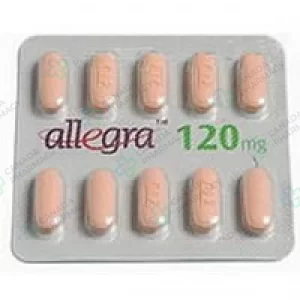
Allegra
Price range: $ 47,00 through $ 118,00
Active substance: Fexofenadine
More Details
This product has multiple variants. The options may be chosen on the product page
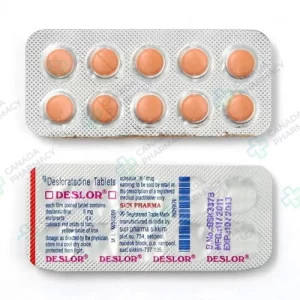
Clarinex
Price range: $ 51,00 through $ 196,00
Active substance: desloratadine
More Details
This product has multiple variants. The options may be chosen on the product page
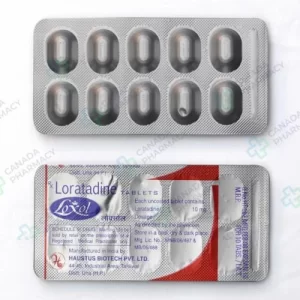
Claritin
Price range: $ 43,00 through $ 143,00
Active substance: Loratadine
More Details
This product has multiple variants. The options may be chosen on the product page
Deltasone
Price range: $ 47,00 through $ 296,00
Active substance: Prednisone
More Details
This product has multiple variants. The options may be chosen on the product page
Flixotide Nasal Spray 100 doses
Price range: $ 54,00 through $ 220,00
Active substance: fluticasone
More Details
This product has multiple variants. The options may be chosen on the product page
Ketotifen
Price range: $ 67,00 through $ 309,00
Active substance: Ketotifen
More Details
This product has multiple variants. The options may be chosen on the product page
Omnacortil
Price range: $ 51,00 through $ 210,00
Active substance: prednisolone
More Details
This product has multiple variants. The options may be chosen on the product page