

-48%
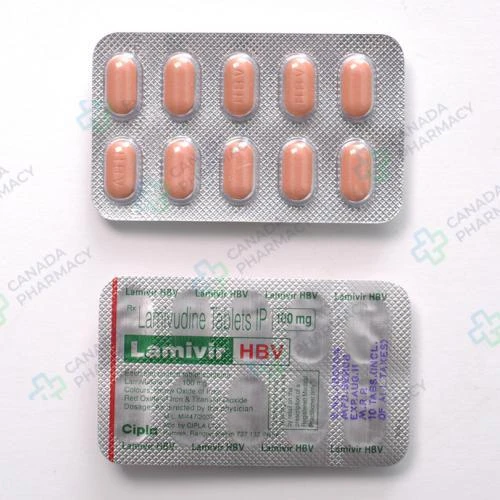
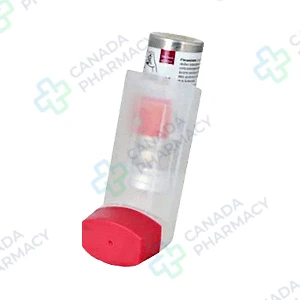
Entocort
Price range: $ 61,00 through $ 628,00
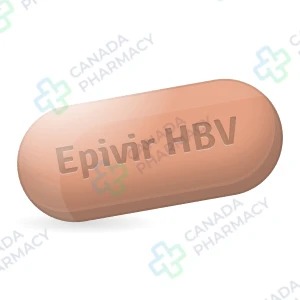
Epivir HBV
Price range: $ 53,00 through $ 360,00
Epivir
Price range: $ 71,00 through $ 298,00
Epivir is a highly effective antiviral medication containing the active ingredient lamivudine. It is primarily indicated for the treatment of HIV-1 infection when used in combination with other antiretroviral agents. The medication works by inhibiting the reverse transcriptase enzyme, which significantly reduces the viral load and prevents the virus from multiplying. Epivir is also widely used for the management of chronic hepatitis B virus (HBV) infection to help decrease liver inflammation and damage. Consistent use of this therapy helps strengthen the immune system and improves the overall quality of life for individuals managing these chronic conditions.
Active substance: lamivudine
Delivery: 5–21 days (depending on the shipping method)
Extra 10% discount with coupon: IT4K6SVM
Each dosage option has its own packaging choices.
Description
Epivir – Information for Patients and Caregivers
Epivir belongs to a class of antiviral medications known as nucleoside reverse transcriptase inhibitors (NRTIs). It is prescribed in combination with other antiretroviral agents for the management of Human Immunodeficiency Virus Type 1 (HIV-1) infection. As a prescription drug regulated by the U.S. Food and Drug Administration (FDA), Epivir requires professional medical oversight and individualized dosing assessment.
The active ingredient in Epivir is lamivudine, a synthetic nucleoside analogue with selective activity against retroviruses. Formulated as oral tablets and an oral solution, Epivir forms a component of combination antiretroviral therapy designed to suppress viral replication and maintain immunological function.
| Property | Details |
|---|---|
| Drug name | Epivir |
| Active ingredient (INN) | Lamivudine |
| Therapeutic class | Nucleoside Reverse Transcriptase Inhibitor (NRTI) |
| Dosage form | Oral tablets (150 mg, 300 mg); Oral solution (10 mg/mL) |
| Route of administration | Oral |
| Primary purpose | Treatment of HIV-1 infection in combination with other antiretrovirals |
| Prescription status | Prescription (Rx) only |
How the drug works
Epivir contains lamivudine, which is intracellularly metabolized to its active metabolite, lamivudine 5′-triphosphate (L-TP). The principal mechanism of action involves the inhibition of HIV-1 reverse transcriptase via DNA chain termination. After L-TP is incorporated into the viral DNA chain by HIV reverse transcriptase, the lack of a 3′-OH group prevents further elongation of the proviral DNA sequence. Additionally, L-TP acts as a weak competitive inhibitor of cellular DNA polymerases alpha, beta, and gamma. By blocking the synthesis of viral DNA, Epivir suppresses viral load accumulation when co-administered with other antiretroviral medications.
What it’s used for
Epivir is indicated in combination with other antiretroviral agents for the treatment of HIV-1 infection in adult and pediatric patients weighing at least 14 kg (for tablet formulation) or aged 3 months and older (for oral solution formulation). Epivir is not indicated as monotherapy for HIV-1 due to the rapid emergence of viral resistance.
It is clinically important to distinguish Epivir from Epivir-HBV. Although both products contain lamivudine, Epivir tablets (150 mg and 300 mg) and Epivir oral solution (10 mg/mL) contain higher dosages than Epivir-HBV (100 mg tablets), which is specifically indicated for chronic hepatitis B virus (HBV) infection. The higher dose formulations of Epivir are not recommended for isolated chronic HBV treatment, as suboptimal dosing in unrecognized HIV-1 co-infection can accelerate the development of resistant HIV-1 strains.
Dosing schedule
The recommended dosage of Epivir for adults and pediatric patients weighing at least 25 kg with HIV-1 infection is 300 mg daily. This total daily dose may be administered either as 150 mg twice daily or 300 mg once daily. For pediatric patients weighing between 14 kg and less than 25 kg, dosing is based on body weight, typically utilizing either the 150 mg scored tablet or the oral solution.
Epivir may be administered with or without food. Because lamivudine is primarily excreted by the kidneys, dosage adjustment is required for adult patients with impaired renal function whose creatinine clearance is less than 50 mL/min. The dosing interval or dose amount must be modified according to specific creatinine clearance thresholds as evaluated by a prescribing clinician.
What happens in the body
Following oral administration, lamivudine is rapidly absorbed from the gastrointestinal tract. In adults, the absolute oral bioavailability of lamivudine is approximately 86%. Maximum serum concentrations (Cmax) are achieved between 0.5 and 2 hours following oral dosing. Administration of lamivudine with food results in a delay in Tmax and a lower Cmax, but the overall extent of absorption (AUC) remains unaffected, permitting administration regardless of meals.
Lamivudine exhibits low plasma protein binding (less than 36%). The elimination half-life of lamivudine in plasma is approximately 5 to 7 hours in adults with normal renal function. However, the intracellular half-life of the active phosphorylated metabolite, lamivudine triphosphate, is significantly prolonged, ranging from 10.5 to 15.5 hours, supporting once-daily or twice-daily clinical dosing. The majority of lamivudine is excreted unchanged in the urine via active tubular secretion and glomerular filtration, with minimal hepatic metabolism.
Compatibility with other medicines
Co-administration of Epivir with other medicinal products may alter plasma concentrations or therapeutic efficacy. Significant interactions include:
- Trimethoprim / Sulfamethoxazole: Co-administration increases lamivudine exposure (AUC) by approximately 40% due to inhibition of renal tubular transport mechanisms. Dose adjustments for Epivir are generally unnecessary unless the patient also exhibits concurrent renal impairment.
- Emtricitabine: Epivir should not be co-administered with emtricitabine. Both agents share similar intracellular phosphorylation pathways and resistance profiles, resulting in potential competitive inhibition and lack of additive therapeutic benefit.
- Sorbitol-containing oral liquids: Co-administration of single or multiple doses of sorbitol solutions with lamivudine leads to a dose-dependent decrease in lamivudine Cmax and AUC. Avoid frequent co-administration of sorbitol-containing medicines with Epivir oral solution when possible.
Adverse reactions
Clinical trials and post-marketing surveillance have documented several potential adverse reactions associated with Epivir administration. Systemic side effects reported during treatment include:
- Central Nervous System: Headache, insomnia, dizziness, fatigue, and general malaise.
- Gastrointestinal: Nausea, vomiting, diarrhea, abdominal pain, and decreased appetite.
- Respiratory: Nasal signs and symptoms, cough, and musculoskeletal pain.
- Laboratory Abnormalities: Elevated liver enzymes (ALT, AST), elevated serum lipase, and neutropenia.
Severe adverse events associated with the NRTI class include lactic acidosis and severe hepatomegaly with steatosis, which may present as marked fatigue, progressive dyspnea, abdominal distension, or sudden digestive disturbances requiring immediate clinical intervention.
Important precautions
Epivir carries boxed warnings regarding specific health risks. Patients co-infected with HIV-1 and HBV must be evaluated carefully. Discontinuation of Epivir in patients co-infected with HBV has been associated with severe acute exacerbations of hepatitis B. Hepatic function should be monitored closely with both clinical and laboratory follow-up for at least several months after stopping Epivir treatment.
Lactic acidosis and severe hepatomegaly with steatosis, including fatal cases, have been reported with the use of nucleoside analogues alone or in combination. Treatment with Epivir should be suspended if clinical or laboratory findings suggestive of lactic acidosis or pronounced hepatotoxicity occur.
If you skip a dose
Adherence to the prescribed dosing schedule is critical for maintaining viral suppression and preventing the development of drug-resistant viral strains. If a dose of Epivir is missed, it should be taken as soon as remembered on the same day. However, if it is nearly time for the next scheduled dose, the missed dose should be omitted, and the regular schedule resumed. Patients should not double the dose to make up for a skipped administration.
Pregnancy, breastfeeding, and other groups
Pregnancy: Data from international pregnancy registries have not established a clear drug-associated risk of major birth defects with lamivudine use during pregnancy compared to background rates. Epivir should be used during pregnancy only if the potential benefit justifies the potential risk to the fetus.
Breastfeeding: The Centers for Disease Control and Prevention (CDC) and FDA guidelines recommend that HIV-1-infected mothers in the United States refrain from breastfeeding their infants to avoid the risk of postnatal transmission of HIV-1. Lamivudine is excreted into human breast milk.
Geriatric Use: Clinical studies of Epivir did not include sufficient numbers of subjects aged 65 and over to determine whether they respond differently from younger subjects. Dose selection for elderly patients should reflect the greater frequency of decreased hepatic, renal, or cardiac function.
Practical tips
Epivir oral solution should be measured accurately using a calibrated dosing syringe or cup provided by the pharmacy. Standard household spoons are not suitable for precise volume measurement. Patients undergoing combination therapy should maintain regular laboratory visits to monitor viral load, CD4 cell counts, renal clearance parameters, and liver enzyme profiles throughout the duration of treatment.
Storage and expiration
Epivir tablets should be stored at controlled room temperature between 20°C and 25°C (68°F to 77°F), with excursions permitted between 15°C and 30°C (59°F to 86°F). Keep the container tightly closed to protect from moisture. Epivir oral solution should be stored at 20°C to 25°C (68°F to 77°F) in tightly closed bottles. Expiration dates stamped on the commercial packaging indicate the period during which the product maintains its chemical stability and potency under prescribed conditions.
Common questions
Can Epivir cure HIV-1 infection?
No. Epivir does not cure HIV-1 infection or AIDS. It acts by suppressing the replication of the virus, which helps reduce the viral load in the body and supports immune system recovery. Patients must remain on combination antiretroviral therapy as prescribed by their healthcare provider.
Why is renal function evaluation necessary prior to initiating Epivir?
Lamivudine is primarily excreted unchanged by the kidneys. If renal function is compromised, clearance of the drug is reduced, leading to higher systemic drug exposure and an increased risk of toxicity. Evaluating creatinine clearance allows prescribers to adjust the dosage appropriately.
Is Epivir interchangeable with Epivir-HBV?
No. Epivir tablets (150 mg, 300 mg) and oral solution (10 mg/mL) contain higher doses of lamivudine than Epivir-HBV (100 mg). Substituting Epivir for Epivir-HBV or vice versa can result in improper dosing, potential toxicity, or the emergence of viral resistance in co-infected individuals.
Can Epivir be taken alongside meals?
Yes. Clinical pharmacokinetic studies demonstrate that food does not significantly alter the overall bioavailability (extent of absorption) of lamivudine. Epivir may be taken with food or on an empty stomach.
What lab tests are routinely performed during Epivir treatment?
Patients taking Epivir typically undergo routine monitoring of plasma HIV-1 RNA (viral load), CD4+ T-cell counts, complete blood counts, renal function parameters (serum creatinine, blood urea nitrogen), and liver function tests. Patients co-infected with hepatitis B also require specific monitoring of HBV DNA levels.
This text is for informational purposes only and does not constitute individual medical advice. In accordance with FDA requirements.
Additional information
| Dosage |
150 mg |
|---|---|
| Package |
30 pills ,60 pills ,90 pills ,120 pills ,180 pills ,240 pills |
| Ενεργός Ουσία |
Related products
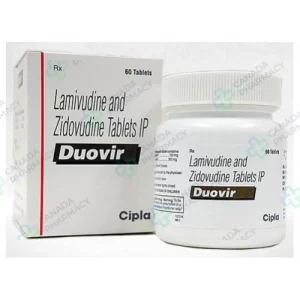
Combivir
Price range: $ 86,00 through $ 513,00
Active substance: lamivudine, Zidovudine
More Details
This product has multiple variants. The options may be chosen on the product page
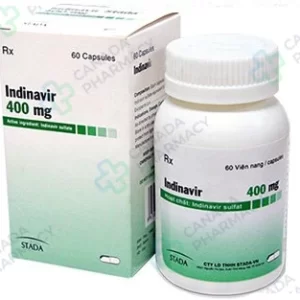
Indinavir
Price range: $ 123,00 through $ 187,00
Active substance: Indinavir Sulphate
More Details
This product has multiple variants. The options may be chosen on the product page
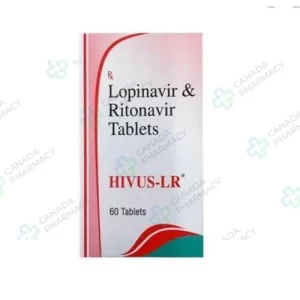
Kaletra
More Details
This product has multiple variants. The options may be chosen on the product page
Retrovir
Price range: $ 62,00 through $ 1 386,00
Active substance: Zidovudine
More Details
This product has multiple variants. The options may be chosen on the product page
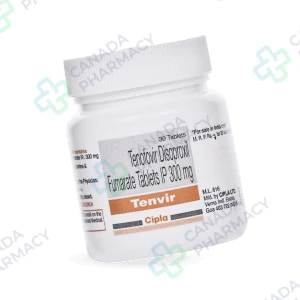
Tenvir
Price range: $ 52,00 through $ 140,00
Active substance: Tenofovir Disoproxil Fumarate
More Details
This product has multiple variants. The options may be chosen on the product page
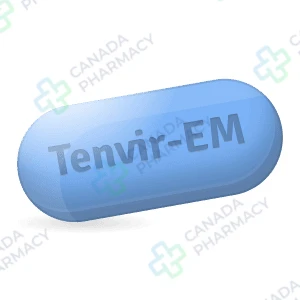
Tenvir-EM
Price range: $ 82,00 through $ 219,00
Active substance: Emtricitabine, Tenofovir Disoproxil Fumarate
More Details
This product has multiple variants. The options may be chosen on the product page
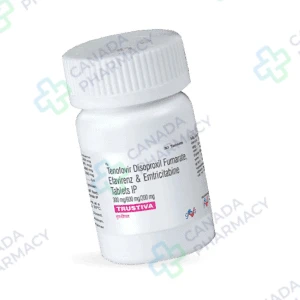
Trustiva
Price range: $ 296,00 through $ 703,00
More Details
This product has multiple variants. The options may be chosen on the product page
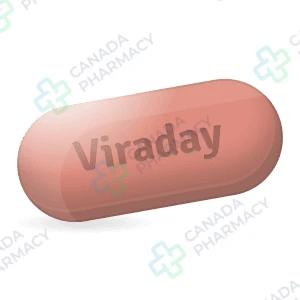
Viraday
Price range: $ 109,00 through $ 320,00
More Details
This product has multiple variants. The options may be chosen on the product page