

-12%
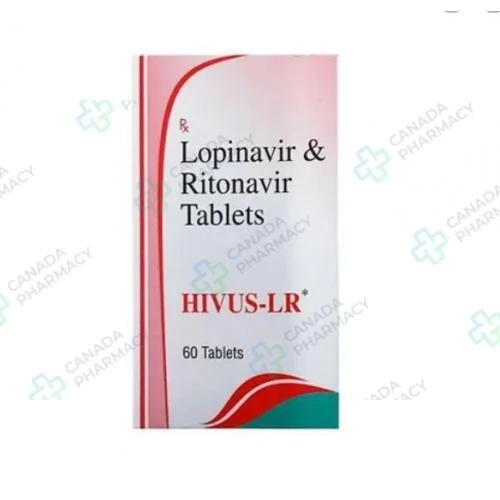

Iversun
Price range: $ 250,00 through $ 500,00

Kamagra
Price range: $ 40,00 through $ 360,00
Kaletra
Price range: $ 270,00 through $ 1 423,00
Kaletra is a specialized antiviral medication that combines two active ingredients, lopinavir and ritonavir, to treat HIV-1 infection. It belongs to a class of drugs known as protease inhibitors, which work by blocking the enzymes the virus needs to replicate within the body. This medication is officially indicated for use in both adult and pediatric patients to help manage viral load levels effectively. When used as part of a comprehensive antiretroviral regimen, it assists in supporting the immune system and improving overall health outcomes. The convenient oral formulation is designed to provide consistent therapeutic support for individuals managing chronic viral conditions.
Delivery: 5–21 days (depending on the shipping method)
Extra 10% discount with coupon: IT4K6SVM
Each dosage option has its own packaging choices.
Description
Kaletra belongs to a class of antiretroviral medications combining two active antiviral agents: lopinavir and ritonavir. It is indicated in combination with other antiretroviral agents for the treatment of Human Immunodeficiency Virus type 1 (HIV-1) infection in adult and pediatric patients aged 14 days and older.
As a prescription medication regulated by the U.S. Food and Drug Administration (FDA), Kaletra requires clinical monitoring and individualized dosing determination by a licensed healthcare provider. Proper adherence to the established dosing regimen is necessary to maintain viral suppression and reduce the risk of treatment resistance.
| Attribute | Details |
|---|---|
| Active ingredient | Lopinavir and Ritonavir |
| Therapeutic class | Antiretroviral agent / HIV Protease Inhibitor |
| Dosage form | Film-coated tablets, Oral solution |
| Route of administration | Oral |
| Prescription status | Prescription (Rx) only |
| Storage | Tablets: 68°F to 77°F (20°C to 25°C); Solution: Refrigerated at 36°F to 46°F (2°C to 8°C) |
Pharmacological Overview and Dosing Guidelines
How the drug works
Kaletra operates through a dual-mechanism protease inhibition strategy. Lopinavir serves as the primary inhibitor of the HIV-1 protease enzyme. By preventing the cleavage of viral Gag-Pol polyprotein precursors, lopinavir halts the maturation of infectious viral particles. Ritonavir, also an HIV protease inhibitor, acts primarily as a pharmacokinetic enhancer in this co-formulation. Ritonavir potently inhibits the cytochrome P450 3A (CYP3A) hepatic enzyme system responsible for metabolizing lopinavir. This inhibition significantly increases systemic concentrations and plasma exposure of lopinavir, enabling therapeutic antiviral efficacy with reduced dosage requirements.
What it’s used for
Kaletra is indicated for the treatment of HIV-1 infection in adults and pediatric patients at least 14 days of age, always administered as part of a broader combination antiretroviral therapy (cART) regimen. The co-formulation is utilized in both treatment-naive individuals and patients who have previously received antiretroviral therapy. It is not indicated for monotherapy, nor is it approved for post-exposure prophylaxis without explicit combination protocols. Any off-label use for non-approved viral indications lacks FDA-approved labelling and requires specialist clinical assessment.
What happens in the body
Following oral administration, lopinavir is absorbed with peak plasma concentrations achieved within approximately 4 hours. Systemic bioavailability is enhanced when oral liquid formulations are consumed alongside meals. Lopinavir exhibits high binding to human plasma proteins, predominantly alpha-1-acid glycoprotein and albumin, estimated at approximately 98% to 99%. Elimination occurs primarily via hepatic metabolism through the CYP3A enzyme complex, restricted by ritonavir co-administration. The mean elimination half-life of lopinavir ranges between 5 and 6 hours under steady-state conditions. Excretion takes place predominantly through the biliary and fecal routes (approximately 83%), with a minor proportion eliminated through renal clearance (approximately 10%).
Dosing schedule
Dosing regimens for Kaletra are individualized based on patient age, body weight, treatment history, and concomitant medications. For adult treatment-naive patients, standard oral dosing is 400/100 mg (administered as two 200/50 mg tablets) twice daily, or 800/200 mg (four 200/50 mg tablets) once daily. In treatment-experienced adult patients, once-daily dosing is not recommended; a twice-daily regimen must be maintained. Film-coated tablets should be swallowed whole with or without food and must not be chewed, broken, or crushed. Dosing adjustments are required when co-administered with enzyme-inducing agents such as efavirenz or nevirapine.
If you skip a dose
If a dose of Kaletra is missed, it should be taken as soon as remembered, provided the next scheduled dose is not imminent. If it is almost time for the next dose, the missed dose should be skipped and the regular schedule resumed. Patients must not double the dose to compensate for a missed administration. Maintaining consistent plasma drug concentrations is vital to avoid subtherapeutic levels that can promote HIV viral resistance.
Storage and expiration
Kaletra film-coated tablets should be stored at controlled room temperature between 68°F and 77°F (20°C and 25°C), with excursions permitted between 59°F and 86°F (15°C and 30°C). Tablets must be kept in their original container with the desiccant to protect against atmospheric moisture. Kaletra oral solution must be stored under refrigeration between 36°F and 46°F (2°C and 8°C) until dispensed. If stored at controlled room temperature up to 77°F (25°C), the oral solution must be used within 2 months or discarded.
Safety Profile and Clinical Management
Compatibility with other medicines
Due to strong CYP3A inhibition by ritonavir, Kaletra exhibits extensive drug-drug interaction potential. Concomitant administration is contraindicated with agents dependent on CYP3A for clearance where elevated plasma levels lead to serious or life-threatening adverse events. Contraindicated drugs include:
- Alpha-1 adrenoreceptor antagonists (e.g., alfuzosin)
- Antiarrhythmics (e.g., dronedarone, ranolazine)
- Ergot derivatives (e.g., dihydroergotamine, ergotamine)
- HMG-CoA reductase inhibitors (e.g., lovastatin, simvastatin)
- Neuroleptics (e.g., pimozide)
- Sedatives/hypnotics (e.g., oral midazolam, triazolam)
- PDE5 inhibitors specified for pulmonary arterial hypertension (e.g., sildenafil)
Strong CYP3A inducers such as rifampin and St. John’s wort significantly decrease lopinavir concentrations, leading to potential loss of virologic response.
Adverse reactions
The most commonly observed adverse reactions associated with Kaletra therapy involve the gastrointestinal system. Common and documented adverse effects include:
- Diarrhea, nausea, and vomiting
- Hypertriglyceridemia and hypercholesterolemia
- Abdominal pain and dyspepsia
- Headache and asthenia
- Elevated liver enzymes (ALT/AST)
Prolonged exposure to antiretroviral therapy containing protease inhibitors is associated with body fat redistribution (lipodystrophy), presenting as central obesity, facial wasting, and accumulation of visceral fat. Blood glucose abnormalities, including new-onset diabetes mellitus and worsening of pre-existing hyperglycemia, have also been documented.
Important precautions
Severe complications reported with Kaletra treatment include clinical pancreatitis, hepatic dysfunction, and cardiac conduction abnormalities. Fatal cases of pancreatitis have occurred during therapy. Hepatic transaminase elevations require routine laboratory monitoring, particularly in patients with pre-existing hepatitis B or C virus co-infections. Kaletra causes concentration-dependent prolongation of the PR and QT intervals, increasing the risk of heart block or cardiac arrhythmias. Caution is warranted in patients with underlying structural heart disease or pre-existing conduction system disorders. The oral solution contains 42.4% alcohol (v/v) and propylene glycol, making it contraindicated in neonates under 14 days of age due to systemic toxicity risks.
Food and alcohol interactions
Kaletra film-coated tablets may be administered with or without food without altering systemic absorption. Conversely, Kaletra oral solution must be taken with meals to ensure optimal bioavailability. Patients prescribed the oral solution should avoid concurrent consumption of disulfiram or metronidazole because the liquid vehicle contains substantial quantities of ethanol and propylene glycol, which can precipitate a disulfiram-like reaction.
Red flags
Immediate emergency medical attention is required if any of the following clinical events occur:
- Severe, persistent abdominal pain radiating to the back accompanied by nausea (signs of acute pancreatitis)
- Jaundice, dark urine, or right upper quadrant abdominal tenderness (signs of hepatic dysfunction)
- Unexplained dizziness, lightheadedness, syncope, or irregular heartbeat (signs of cardiac conduction alterations)
- Severe cutaneous reactions, including widespread skin rash, mucosal lesions, or peeling skin
Common questions
What should be done if a dose of Kaletra is missed?
If a dose is missed, take it as soon as remembered unless it is nearly time for the next scheduled dose. Never take two doses simultaneously to compensate for a missed dose, as this increases toxicity risks without clinical benefit.
Can Kaletra tablets be crushed or chewed before administration?
No, Kaletra film-coated tablets must be swallowed whole. Crushing, chewing, or breaking the tablets alters their release characteristics and bioavailability, which can reduce drug efficacy or lead to inconsistent plasma drug levels.
Why is ritonavir combined with lopinavir in this formulation?
Ritonavir serves as a pharmacokinetic enhancer (booster) in this co-formulation. It inhibits the CYP3A metabolic enzyme pathway, preventing the rapid breakdown of lopinavir and enabling therapeutic drug levels in the bloodstream.
Is Kaletra safe to take alongside oral hormonal contraceptives?
Kaletra significantly reduces the plasma concentrations of ethinyl estradiol, diminishing the efficacy of combined oral contraceptives. Patients using hormonal birth control must utilize alternative or back-up non-hormonal methods of contraception during treatment.
In accordance with FDA requirements.
This text is for informational purposes only and does not constitute individual medical advice.
Related products

Acivir Pills
Price range: $ 51,00 through $ 200,00
Active substance: Acyclovir
More Details
This product has multiple variants. The options may be chosen on the product page
Capoten
Price range: $ 42,00 through $ 323,00
Active substance: Captopril
More Details
This product has multiple variants. The options may be chosen on the product page
Chloroquine
Price range: $ 41,00 through $ 402,00
Active substance: Chloroquine
More Details
This product has multiple variants. The options may be chosen on the product page

Famvir
Price range: $ 136,00 through $ 285,00
Active substance: Famciclovir
More Details
This product has multiple variants. The options may be chosen on the product page

Lasuna
Price range: $ 58,00 through $ 244,00
Active substance: extracts of garlic
More Details
This product has multiple variants. The options may be chosen on the product page
Procardia
Price range: $ 28,00 through $ 269,00
Active substance: Nifedipine
More Details
This product has multiple variants. The options may be chosen on the product page

Sustiva
Price range: $ 47,00 through $ 2 412,00
Active substance: Efavirenz
More Details
This product has multiple variants. The options may be chosen on the product page
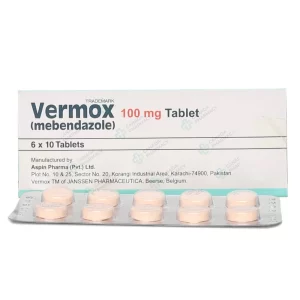
Vermox
Price range: $ 45,00 through $ 136,00
Active substance: Mebendazole
More Details
This product has multiple variants. The options may be chosen on the product page