

-38%

Retino A Cream 0,05
Price range: $ 55,00 through $ 139,00
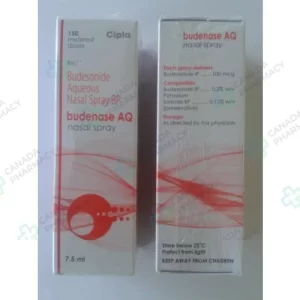
Rhinocort
Price range: $ 42,00 through $ 381,00
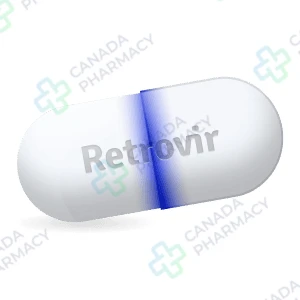
Retrovir
Price range: $ 62,00 through $ 1 386,00
Retrovir is an effective antiviral medication containing the active ingredient zidovudine, which belongs to the class of nucleoside reverse transcriptase inhibitors. This treatment is primarily indicated for the management of HIV-1 infection when used as part of a comprehensive antiretroviral regimen. By inhibiting the replication of the virus, the medication helps to support immune system function and improve long-term health outcomes. It is also officially approved for use during pregnancy to help prevent the transmission of HIV from a mother to her unborn child. This trusted therapeutic option remains a cornerstone in the global effort to manage and control viral progression.
Active substance: Zidovudine
Delivery: 5–21 days (depending on the shipping method)
Extra 10% discount with coupon: IT4K6SVM
Each dosage option has its own packaging choices.
Description
Retrovir (zidovudine) should only be used under direct medical supervision by a healthcare professional experienced in managing HIV-1 infection. It is an FDA-approved prescription antiretroviral medication prescribed in combination with other antiretroviral agents to treat human immunodeficiency virus type 1 (HIV-1) infection and to prevent transmission of the virus from mother to child.
Because treatment with Retrovir carries significant safety considerations, strict adherence to prescribed regimens and regular clinical evaluations are vital. Understanding how this medication functions, its risk profile, and required monitoring helps ensure therapeutic management while minimizing potential complications.
Clinical Profile and Treatment Guidelines
What it’s used for
Retrovir is indicated in combination with other antiretroviral agents for the treatment of HIV-1 infection in adult and pediatric patients. It is also indicated for intrapartum administration to HIV-1 infected pregnant women (greater than 14 weeks of gestation) and for pediatric administration to newborns to reduce the rate of maternal-fetal transmission of HIV-1. Retrovir does not cure HIV-1 infection, and patients may continue to acquire opportunistic infections or other complications associated with advanced retroviral disease.
How the drug works
Retrovir contains zidovudine, a synthetic nucleoside analogue of thymidine. Inside host cells, zidovudine is converted by cellular enzymes into its active metabolite, zidovudine 5′-triphosphate. This active metabolite inhibits the activity of the HIV-1 reverse transcriptase enzyme by competing with the natural substrate, deoxythymidine 5′-triphosphate, and by incorporation into viral DNA. Once incorporated, it causes premature termination of the viral DNA chain because it lacks the 3′-hydroxyl group required for further elongation.
Dosing schedule
Retrovir is available in oral dosage forms (capsules, tablets, and oral solution) and as an intravenous formulation. The appropriate dose is determined individually by the prescribing provider based on body weight, age, clinical condition, renal function, and therapeutic indication. For adult oral therapy, regimens typically require twice-daily dosing in combination with other antiretrovirals. Pediatric dosing is precisely calculated according to body weight or body surface area. Intravenous formulations are reserved for intravenous administration in clinical settings, such as during labor for pregnant women or when oral intake is temporarily impossible. Never adjust the dose or stop taking Retrovir without explicit instructions from your provider.
What happens in the body
Following oral administration, zidovudine is rapidly absorbed from the gastrointestinal tract, achieving peak plasma concentrations within 0.5 to 1.5 hours. The average oral bioavailability is approximately 60% to 70% due to first-pass hepatic metabolism. Zidovudine crosses the blood-brain barrier and penetrates the cerebrospinal fluid. The primary route of elimination involves hepatic glucuronidation to an inactive metabolite (3′-azido-3′-deoxy-5′-O-beta-D-glucopyranuronosylthymidine), which is subsequently excreted by the kidneys. The parent compound and its metabolite are eliminated via renal excretion, with an elimination half-life ranging from 0.5 to 3 hours in individuals with normal renal function.
| Attribute | Details |
|---|---|
| Drug Name | Retrovir |
| Active Ingredient | Zidovudine |
| Therapeutic Class | Nucleoside Reverse Transcriptase Inhibitor (NRTI) |
| Route of Administration | Oral, Intravenous |
| Prescription Status | Prescription (Rx) only |
| Storage Conditions | Store at 15°C to 25°C (59°F to 77°F); protect from light |
Safety Warnings, Risk Factors, and Monitoring
Important precautions
Warning: Retrovir carries major safety warnings that require strict oversight. Serious hematologic toxicity, including severe anemia (low red blood cell count) and neutropenia (low white blood cell count), can occur, especially in patients with advanced HIV disease. Frequent blood counts are necessary during therapy. Prolonged use of Retrovir has also been associated with symptomatic myopathy (muscle weakness and degeneration). Furthermore, lactic acidosis and severe hepatomegaly with steatosis (fatty liver), including fatal cases, have been reported with nucleoside analogues. Seek immediate evaluation if severe abdominal pain, nausea, liver dysfunction, or progressive fatigue occurs. Patients coinfected with Hepatitis B virus (HBV) must be closely monitored, as exacerbations of hepatitis can occur if antiretroviral therapy is altered.
Adverse reactions
Adverse events associated with Retrovir vary in severity. Common side effects reported during clinical trials include headache, nausea, malaise, anorexia, vomiting, abdominal pain, insomnia, and musculoskeletal pain. Less common but severe adverse reactions involve severe bone marrow suppression leading to aplastic anemia or pure red cell aplasia, hepatotoxicity, pancreatitis, hyperlactatemia, and skin or nail hyperpigmentation. Never ignore worsening physical symptoms. Promptly report any unexpected physical changes or persistent discomfort to your treating clinician for clinical evaluation and laboratory monitoring.
Compatibility with other medicines
Co-administration of Retrovir with other pharmaceutical agents can alter drug clearance or enhance toxicities. Concomitant use with ribavirin or stavudine is not recommended due to pharmacological antagonism. Hematotoxic agents such as ganciclovir, interferon-alpha, pyrimethamine, or cancer chemotherapeutic drugs significantly increase the risk of severe bone marrow toxicity. Probenecid and valproic acid can inhibit the glucuronidation of zidovudine, increasing systemic exposure and potential drug toxicity. Rifampin may decrease zidovudine plasma concentrations. Always provide your healthcare team with a complete list of prescription drugs, over-the-counter products, and dietary supplements you are taking.
| Warning Sign | Clinical Action Required |
|---|---|
| Extreme tiredness, pale skin, shortness of breath | Seek immediate evaluation for severe anemia |
| Unexplained fever, chills, sore throat | Contact healthcare provider immediately for neutropenia assessment |
| Severe muscle weakness or pain | Report immediately to assess for drug-induced myopathy |
| Nausea, severe stomach pain, jaundice | Urgent evaluation for hepatic toxicity or lactic acidosis |
| Swelling of face, lips, tongue, or severe rash | Get emergency medical assistance for hypersensitivity |
Red flags
Warning: Certain symptoms require immediate medical intervention. Seek emergency medical attention right away if you experience signs of severe lactic acidosis or liver injury, such as persistent nausea, vomiting, unusual muscle pain, fast or deep breathing, severe stomach discomfort, or yellowing of the eyes and skin. Immediate care is also required if you develop signs of severe anemia (unusual lethargy, dizziness, shortness of breath, pale skin) or serious infection (high fever, severe chills, persistent sore throat). Never delay emergency assistance if hypersensitivity reactions or severe allergic symptoms occur.
If you skip a dose
Adherence to the prescribed dosing schedule is critical for maintaining viral suppression and preventing the emergence of drug-resistant HIV-1 strains. If you miss a dose of Retrovir, take it as soon as you remember, unless it is almost time for your next scheduled dose. Never double the dose to compensate for a missed tablet or capsule. If you frequently forget doses, discuss compliance strategies with your pharmacist or medical provider.
Pregnancy, breastfeeding, and other groups
Retrovir is specifically indicated for use in pregnant women infected with HIV-1 to help prevent transmission to the fetus. Clinical trials demonstrate that zidovudine treatment during pregnancy and labor, followed by administration to the infant, significantly reduces transmission rates. However, women living with HIV-1 in the United States should be advised not to breastfeed their infants to avoid potential post-natal transmission of HIV-1 and adverse reactions in the infant. Older adults and patients with impaired renal or hepatic function require careful dosage adjustments and close safety monitoring.
Storage and expiration
Store Retrovir capsules, tablets, and oral solution at room temperature between 15°C and 25°C (59°F to 77°F). Keep the container tightly closed and protect the medication from exposure to excess light, moisture, and extreme heat. Do not store in bathroom medicine cabinets. Keep all medicines out of the reach of children and pets. Properly discard any medication that has passed its expiration date according to local pharmaceutical disposal guidelines.
Common questions
Can Retrovir eliminate HIV-1 completely from the body?
No. Retrovir does not cure HIV-1 infection. It works by suppressing viral replication, which reduces the amount of virus in the bloodstream. Patients taking Retrovir must remain on prescribed antiretroviral therapy and receive continuous medical supervision.
Why are frequent blood tests required during treatment with Retrovir?
Retrovir can cause serious hematologic adverse reactions, including severe anemia and neutropenia. Regular blood monitoring (complete blood counts) allows healthcare providers to detect early drops in red or white blood cells and adjust treatment safely.
Can Retrovir be taken with food?
Retrovir may be taken with or without food. Taking it with a light meal or snack can sometimes help minimize gastrointestinal side effects like nausea or stomach upset.
What should I do if I notice progressive muscle weakness?
Warning: Symptomatic myopathy has been reported with long-term Retrovir use. If you experience persistent muscle weakness, aching, or tenderness, contact your doctor immediately for clinical evaluation.
Is it safe to stop taking Retrovir if I feel completely healthy?
Never stop taking Retrovir or modify your dosage without consulting your prescribing physician. Interrupting treatment can lead to viral rebound and the development of drug resistance.
In accordance with FDA requirements.
This text is for informational purposes only and does not constitute individual medical advice.
Additional information
| Dosage |
100mg ,300mg |
|---|---|
| Package |
10 pills ,20 pills ,30 pills ,60 pills ,90 pills ,120 pills ,180 pills ,270 pills ,360 pills |
| Ενεργός Ουσία |
Related products
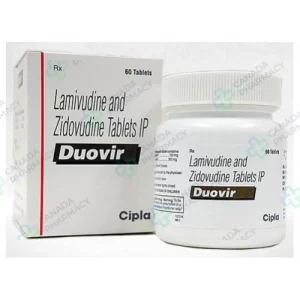
Combivir
Price range: $ 86,00 through $ 513,00
Active substance: lamivudine, Zidovudine
More Details
This product has multiple variants. The options may be chosen on the product page
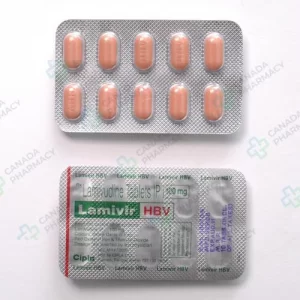
Epivir
Price range: $ 71,00 through $ 298,00
Active substance: lamivudine
More Details
This product has multiple variants. The options may be chosen on the product page
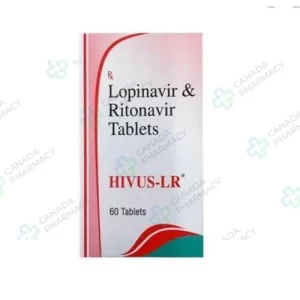
Kaletra
More Details
This product has multiple variants. The options may be chosen on the product page
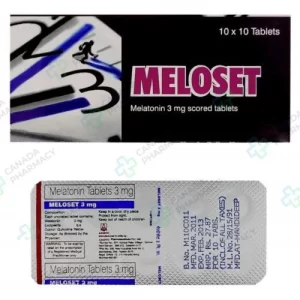
Melatonin
Anti-Inflammatories, AntiConvulsants, AntiParasitics, Cancer, Dementias, HIV, Migraine, Osteoporosis, Respiratory Tract
Price range: $ 46,00 through $ 201,00
Active substance: Melatonin
More Details
This product has multiple variants. The options may be chosen on the product page
Tenvir-EM
Price range: $ 82,00 through $ 219,00
Active substance: Emtricitabine, Tenofovir Disoproxil Fumarate
More Details
This product has multiple variants. The options may be chosen on the product page
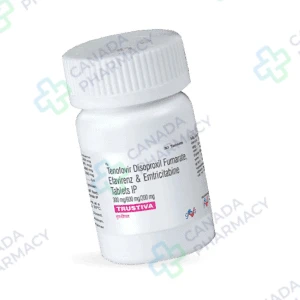
Trustiva
Price range: $ 296,00 through $ 703,00
More Details
This product has multiple variants. The options may be chosen on the product page
Viraday
Price range: $ 109,00 through $ 320,00
More Details
This product has multiple variants. The options may be chosen on the product page
Zerit
Price range: $ 21,00 through $ 101,00
Active substance: Stavudine
More Details
This product has multiple variants. The options may be chosen on the product page