

-27%
Melalite Forte Cream
Price range: $ 10,00 through $ 34,00
Meldonium
Price range: $ 40,00 through $ 324,00
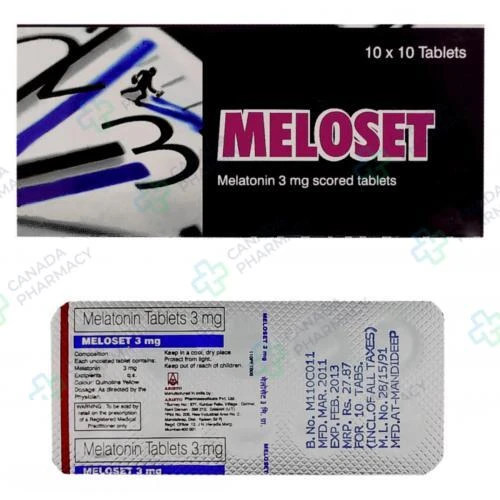
Melatonin
Price range: $ 46,00 through $ 201,00
Melatonin is a naturally occurring hormone that helps regulate your body’s internal clock and sleep-wake cycle. This supplement is an effective solution for individuals who have difficulty falling asleep or staying asleep throughout the night. By supporting a deeper and more restful slumber, it helps you wake up feeling refreshed and energized for the day ahead. It is particularly beneficial for managing jet lag or supporting those with irregular schedules and shift work requirements. High-quality melatonin provides a gentle way to restore your natural rhythm and improve overall sleep health.
Active substance: Melatonin
Delivery: 5–21 days (depending on the shipping method)
Extra 10% discount with coupon: IT4K6SVM
Each dosage option has its own packaging choices.
Description
Melatonin works by binding to specific MT1 and MT2 receptors in the brain to regulate the body’s internal circadian rhythm. This physiological signal informs central neural pathways that it is time to prepare for sleep.
In the United States, melatonin is available as an over-the-counter dietary supplement regulated under federal guidelines. It is primarily used to assist with sleep timing adjustments and occasional sleep disruptions.
Product Overview
| Parameter | Details |
|---|---|
| Active Ingredient | Melatonin (N-acetyl-5-methoxytryptamine) |
| Therapeutic Class | Circadian rhythm regulator / Endogenous hormone analog |
| Dosage Form | Oral tablets, extended-release tablets, capsules, liquid drops |
| Route of Administration | Oral |
| Primary Purpose | Sleep onset latency reduction and circadian phase shift adjustment |
| Storage Conditions | Store at 68°F to 77°F (20°C to 25°C) away from moisture and light |
How the Drug Works
Melatonin is a synthetic representation of the neurohormone naturally secreted by the pineal gland in response to darkness. Its primary mechanism of action involves high-affinity binding to two G-protein-coupled transmembrane receptors located in the suprachiasmatic nucleus of the hypothalamus: MT1 (MEL1A) and MT2 (MEL1B).
Activation of MT1 receptors inhibits neuronal firing in the suprachiasmatic nucleus, which decreases central nervous system arousal and induces somnolence. Concurrently, MT2 receptor binding modulates the phase timing of the central circadian clock. By activating these receptor targets, exogenous melatonin reinforces nocturnal biological signals, facilitating the transition into physiological sleep without acting as a central nervous system depressant in the manner of classic sedatives.
Main Uses
Melatonin is indicated for the management of transient circadian rhythm disturbances and difficulty initiating sleep. Common applications include the management of sleep-onset delay associated with jet lag following travel across multiple time zones and circadian phase shifts resulting from irregular work schedules.
In non-labeled clinical applications evaluated under professional guidance, melatonin is sometimes used for delayed sleep-wake phase disorder (DSWPD) and age-related decline in endogenous melatonin secretion. Unlike conventional hypnotic drugs, melatonin is specifically targeted at correcting sleep timing rather than suppressing overall brain activity, making it a dedicated option for circadian misalignments.
What Happens in the Body
Following oral administration, melatonin is rapidly absorbed through the gastrointestinal tract. Peak plasma concentrations (Cmax) are typically reached within 30 to 60 minutes after ingestion of immediate-release formulations. However, absolute oral bioavailability ranges between 3% and 33% due to extensive first-pass hepatic metabolism.
Melatonin undergoes primary biotransformation in the liver via the cytochrome P450 enzyme CYP1A2, with minor contributions from CYP2C19. The major metabolite is 6-hydroxymelatonin, which is subsequently conjugated with sulfate to form 6-sulfatoxymelatonin. The elimination half-life of immediate-release melatonin is relatively short, averaging 30 to 50 minutes in adults. Excretion occurs predominantly via the kidneys, with over 80% of the ingested dose eliminated in urine as sulfate conjugates.
Dosing Schedule
Dosing of melatonin varies depending on the targeted sleep disruption and individual biological response. Standard oral doses for adults range from 0.5 mg to 5 mg once daily. For circadian phase adjustment, such as jet lag, lower doses ranging from 0.5 mg to 3 mg are often administered 30 to 60 minutes prior to the desired bedtime at the destination.
When using extended-release formulations, doses are typically taken whole to preserve the controlled-release delivery mechanism. Clinical recommendations consistently emphasize initiating use at the lowest effective dose to minimize residual daytime drowsiness. Always adhere to package instructions or specific recommendations provided by a qualified healthcare professional.
Food and Alcohol Interactions
Co-administration of melatonin with food can alter its absorption profile. High-fat meals may delay peak plasma concentrations, resulting in a delayed sleep-inducing effect. For optimal timing, melatonin is best taken on an empty stomach or after a light snack.
Alcohol consumption interacts negatively with melatonin therapy. Ethanol alters normal sleep architecture, reduces endogenous melatonin production, and can impair hepatic clearance of exogenous supplements. Combining melatonin with alcoholic beverages may increase the likelihood of daytime sedation, dizziness, and disrupted nocturnal sleep quality.
What Not to Combine
Melatonin exhibits significant pharmacodynamic and pharmacokinetic interactions with several drug classes:
- CYP1A2 Inhibitors: Potent inhibitors of the CYP1A2 hepatic enzyme, such as fluvoxamine, can substantially increase circulating melatonin concentrations, leading to pronounced hypothermia and prolonged sedation.
- Central Nervous System Depressants: Concomitant use with sedatives, hypnotics, tranquilizers, or sedating antihistamines can cause additive central nervous system depression and severe somnolence.
- Anticoagulants and Antiplatelets: Melatonin may exhibit mild antiplatelet properties. Combining it with blood-thinning medications like warfarin or aspirin requires careful medical monitoring.
- Antihypertensives: Melatonin may alter the effectiveness of certain blood pressure medications, including calcium channel blockers like nifedipine.
- Immunosuppressants: Because melatonin may stimulate immune function, it can potentially interfere with immunosuppressive therapies.
Adverse Reactions
Melatonin is generally well tolerated when used as directed, but side effects can occur. Most reported adverse events are mild and transient.
- Common Reactions: Daytime drowsiness, morning grogginess, headache, lightheadedness, and mild transient nausea.
- Neurological and Psychiatric Reactions: Vivid dreams, nightmares, transient irritability, and short-term feelings of low mood.
- Systemic Effects: Mild hypothermia (feeling cold) due to core body temperature regulation, abdominal cramps, and slight reductions in blood pressure.
If severe dizziness, confusion, or signs of an allergic reaction occur, discontinue use immediately and seek professional medical guidance.
Important Precautions
Certain populations must exercise heightened caution before using melatonin. Individuals with diagnosed autoimmune disorders, clinical depression, seizure disorders, or severe hepatic impairment should consult a physician prior to initiation.
Pregnancy and Breastfeeding: Adequate safety data regarding melatonin supplementation during pregnancy and lactation are lacking. Endogenous melatonin plays a role in reproductive physiology; therefore, use during pregnancy or while nursing is generally not recommended unless explicitly advised by a healthcare provider.
Pediatric Use: Melatonin should only be administered to children and adolescents under direct medical supervision, as long-term effects on endocrine and reproductive development are not fully established.
Geriatric Use: Older adults may metabolize melatonin more slowly, leading to higher plasma levels and prolonged morning somnolence. Lower initial doses are recommended for this population.
Day-to-Day Use
To maximize the utility of melatonin, integrate administration into a consistent sleep hygiene routine. Take the recommended dose approximately 30 to 60 minutes before bedtime in an environment with dimmed lights. Exposure to bright light, especially blue light emitted by smartphones, tablets, and televisions, suppresses endogenous melatonin release and can counteract the physiological signaling of the supplement.
Do not drive, operate heavy machinery, or engage in hazardous activities for at least 4 to 5 hours after taking melatonin, as psychomotor performance and alertness may be significantly impaired.
If You Skip a Dose
Melatonin is typically taken on an as-needed basis shortly before sleep. If a planned dose is forgotten at bedtime, skip the missed dose entirely if you awaken later during the night. Taking melatonin in the middle of the night or close to your morning waking time can disrupt your biological clock and cause marked daytime fatigue and grogginess. Resume your regular dosing schedule the following evening.
Storage and Expiration
Store melatonin formulations in their original container at controlled room temperature, ideally between 68°F and 77°F (20°C to 25°C). Excursions are permitted between 59°F and 86°F (15°C to 30°C). Protect the product from excessive heat, high humidity, and direct sunlight. Avoid storing melatonin in bathroom medicine cabinets where moisture levels fluctuate. Ensure the cap is tightly closed and keep the bottle out of reach of children and domestic pets. Do not use the product after the expiration date printed on the packaging.
Common Questions
How far in advance of bedtime should melatonin be taken?
For general sleep onset support, melatonin is best taken 30 to 60 minutes before your intended sleep time. When used to adjust for jet lag or specific circadian phase shifts, timing varies depending on the direction of travel and target schedule, sometimes requiring administration several hours before bedtime under structured guidance.
Can melatonin cause daytime drowsiness or morning grogginess?
Yes, daytime drowsiness is one of the most frequently reported side effects. This effect is more likely if the dose taken is too high, if an extended-release formulation is taken late at night, or if individual metabolic clearance of the supplement is slow. Reducing the dose often resolves morning sluggishness.
Is it safe to combine melatonin with prescription sleep aids?
Combining melatonin with prescription hypnotics or sedatives is not recommended unless explicitly directed by a physician. Concurrent use can cause excessive central nervous system depression, impaired motor coordination, severe dizziness, and extreme sedation.
Does melatonin stop working if used every night?
Continuous daily use over extended periods may lead to reduced perceived effectiveness in some individuals. Melatonin is intended primarily for short-term management of sleep timing issues. If sleep difficulties persist beyond a few weeks, consult a healthcare provider to evaluate underlying sleep mechanisms.
Can melatonin alter blood pressure or interact with heart medications?
Melatonin can exert mild cardiovascular effects, including modest reductions in nocturnal blood pressure. However, it may also interfere with certain antihypertensive medications like nifedipine. Individuals taking blood pressure medications should consult their provider prior to starting melatonin.
Source and Disclaimer
In accordance with FDA requirements for dietary supplements.
This text is for informational purposes only and does not constitute individual medical advice.
Additional information
| Dosage |
3mg |
|---|---|
| Package |
60 pills ,90 pills ,120 pills ,180 pills ,270 pills ,360 pills |
| Ενεργός Ουσία |
Related products

Arcalion
Price range: $ 25,00 through $ 50,00
Active substance: Sulbutiamine
More Details
This product has multiple variants. The options may be chosen on the product page

Cerecetam
Price range: $ 58,00 through $ 255,00
Active substance: Piracetam
More Details
This product has multiple variants. The options may be chosen on the product page
Cytoxan
Price range: $ 51,00 through $ 420,00
Active substance: Cyclophosphamide
More Details
This product has multiple variants. The options may be chosen on the product page

LDN
Price range: $ 81,00 through $ 266,00
Active substance: Naltrexone
More Details
This product has multiple variants. The options may be chosen on the product page
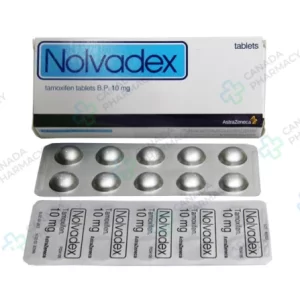
Nolvadex
Price range: $ 51,00 through $ 199,00
Active substance: Tamoxifen
More Details
This product has multiple variants. The options may be chosen on the product page
Premarin
Price range: $ 379,00 through $ 705,00
Active substance: Conjugated Estrogens
More Details
This product has multiple variants. The options may be chosen on the product page

Purinethol
Price range: $ 107,00 through $ 349,00
Active substance: Mercaptopurine
More Details
This product has multiple variants. The options may be chosen on the product page
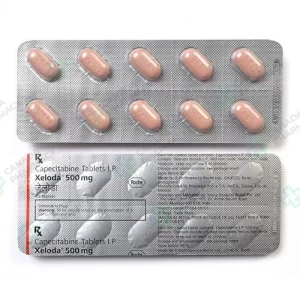
Xeloda
Price range: $ 494,00 through $ 788,00
Active substance: Capecitabine
More Details
This product has multiple variants. The options may be chosen on the product page