

-31%
Cytotec
Price range: $ 45,00 through $ 504,00
Daliresp
Price range: $ 68,00 through $ 220,00
Cytoxan
Price range: $ 51,00 through $ 420,00
Cytoxan is a potent antineoplastic medication classified as an alkylating agent, designed to interfere with the growth and spread of cancer cells in the body. It is widely utilized in the treatment of various malignancies, including malignant lymphomas, multiple myeloma, and several types of leukemia. This medication is also effective in managing advanced cases of mycosis fungoides, neuroblastoma, adenocarcinoma of the ovary, and breast cancer. Beyond oncology, Cytoxan is indicated for pediatric patients with minimal change nephrotic syndrome who have not responded adequately to conventional steroid therapy. By slowing or stopping the progression of abnormal cell growth, this treatment helps manage complex conditions and improve patient outcomes across diverse therapeutic areas.
Active substance: Cyclophosphamide
Delivery: 5–21 days (depending on the shipping method)
Extra 10% discount with coupon: IT4K6SVM
Each dosage option has its own packaging choices.
Description
Cytoxan belongs to a class of antineoplastic medications known as alkylating agents, containing the active substance cyclophosphamide. It is a prescription-only drug approved by the U.S. Food and Drug Administration (FDA) for treating specific types of cancer and nephrotic syndrome under close clinical oversight.
Administered either orally or intravenously, Cytoxan acts by inhibiting cellular replication in rapidly dividing tissues. Due to its systemic pharmacological profile, therapy requires routine monitoring of blood counts, renal function, and urinary parameters by a qualified healthcare professional.
Basic Information
| Parameter | Details |
|---|---|
| Active ingredient (INN) | Cyclophosphamide |
| Therapeutic class | Antineoplastic agent, Alkylating nitrogen mustard derivative |
| Dosage forms | Oral tablets, Powder for injection / intravenous infusion |
| Route of administration | Oral, Intravenous |
| Prescription status | Prescription only (Rx) |
| Primary indication | Malignant lymphomas, leukemias, multiple myeloma, solid tumors, pediatric minimal change nephrotic syndrome |
How the drug works
Cytoxan functions as a prodrug that undergoes bioactivation in the liver through the cytochrome P450 enzyme system, primarily via CYP2B6 and CYP3A4 isoenzymes. The parent compound is converted into 4-hydroxycyclophosphamide, which exists in equilibrium with its tautomer, aldophosphamide. Subsequent non-enzymatic breakdown of aldophosphamide yields the biologically active alkylating metabolite, phosphoramide mustard, along with acrolein as a byproduct.
Phosphoramide mustard forms covalent cross-links between complementary strands of deoxyribonucleic acid (DNA) at the guanine N-7 position. This irreversible DNA alkylation disrupts double-helix unwinding, prevents nucleic acid transcription, and halts cell division during the S-phase of the cell cycle, ultimately triggering programmed cell death (apoptosis) in rapidly proliferating neoplastic and immunocompetent cells.
What it’s used for
The FDA-approved indications for Cytoxan encompass both oncologic and non-oncologic disease states:
- Malignant Lymphomas: Hodgkin’s lymphoma, non-Hodgkin’s lymphoma (including lymphocytic, histiocytic, and mixed cellularity types), and Burkitt’s lymphoma.
- Hematologic Malignancy: Multiple myeloma, chronic lymphocytic leukemia (CLL), acute lymphocytic leukemia (ALL), and acute granulocytic leukemia.
- Solid Tumors: Advanced neuroblastoma, adenocarcinoma of the ovary, retinoblastoma, and carcinoma of the breast.
- Pediatric Nephrology: Biopsy-proven minimal change nephrotic syndrome in pediatric patients who have failed adequate corticosteroid therapy or who exhibit severe corticosteroid toxicity.
Off-label indications (not FDA-approved): Cytoxan is also utilized off-label in specialized protocols for refractory lupus nephritis, severe systemic sclerosis (scleroderma), systemic vasculitis (such as granulomatosis with polyangiitis), and severe refractory rheumatoid arthritis under expert rheumatologic supervision.
Dosing schedule
Dosage regimens for Cytoxan are highly individualized and depend on the clinical indication, therapeutic protocol, patient body surface area (BSA), baseline bone marrow reserve, and concurrent administration of other antineoplastic agents.
For adult oral dosing in oncology protocols, initial induction therapy commonly ranges from 1 mg/kg to 5 mg/kg per day, adjusted based on hematopoietic tolerance. Intravenous administration protocols may employ higher intermittent pulse doses, such as 40 mg/kg to 50 mg/kg given in divided doses over a 2 to 5-day period, or intermittent single-dose regimens, followed by recovery intervals.
To reduce the risk of bladder toxicity caused by the acrolein metabolite, oral doses should ideally be administered in the morning. Patients must maintain high fluid intake throughout therapy and void frequently, particularly during the first 24 hours following a dose.
What happens in the body
Following oral administration, cyclophosphamide is rapidly absorbed from the gastrointestinal tract, demonstrating a systemic bioavailability exceeding 75%. Peak plasma concentrations of the parent compound occur within 1 hour after oral dosing.
The parent drug exhibits low plasma protein binding (approximately 20%), whereas its active metabolites bind to plasma proteins to a greater degree (over 60%). Cyclophosphamide distributes widely throughout body tissues, crossing the blood-brain barrier in limited concentrations and entering breast milk.
Elimination occurs primarily via hepatic metabolism, followed by renal excretion of active and inactive metabolites. The elimination half-life of unchanged cyclophosphamide ranges from 3 to 12 hours in adults. Approximately 10% to 20% of the drug is excreted unchanged in the urine. Dosage reduction is mandatory in patients with moderate to severe renal impairment to prevent excessive drug accumulation and toxicity.
Compatibility with other medicines
Cytoxan exhibits significant pharmacokinetic and pharmacodynamic interactions when co-administered with other pharmaceutical agents:
- CYP Inducers (e.g., phenobarbital, rifampin, St. John’s wort): May increase the rate of hepatic conversion into active and cytotoxic metabolites, potentially elevating toxicity.
- CYP Inhibitors (e.g., ketoconazole, fluconazole, clarithromycin): May reduce the metabolic conversion to active metabolites, reducing therapeutic efficacy.
- Allopurinol: Co-administration increases the incidence and severity of bone marrow suppression (leukopenia).
- Thiazide Diuretics: May prolong neutropenia and bone marrow depression.
- Doxorubicin and Anthracyclines: Potentiates the risk of severe cardiotoxicity and heart failure.
- Succinylcholine: Cytoxan inhibits plasma cholinesterase, which may prolong neuromuscular blockade and apnea induced by succinylcholine.
- Live Vaccines: Administering live attenuated vaccines during Cytoxan therapy is contraindicated due to severe immunosuppression, which increases the risk of vaccine-derived infection.
Adverse reactions
The adverse effect profile of Cytoxan reflects its systemic cytotoxic activity on rapidly dividing cell populations:
- Hematologic: Severe myelosuppression, manifest as leukopenia, neutropenia, anemia, and thrombocytopenia. The leukopenic nadir typically occurs 7 to 14 days after dose initiation, with recovery usually occurring within 21 days.
- Urologic: Hemorrhagic cystitis, marked by dysuria, hematuria, urinary frequency, and bladder wall fibrosis. This toxicity results from direct mucosal irritation caused by urine-excreted acrolein.
- Gastrointestinal: Nausea, vomiting, mucosal ulceration, stomatitis, abdominal discomfort, diarrhea, and anorexia.
- Dermatologic: Reversible alopecia occurs in a high percentage of patients. Hyperpigmentation of the skin and nails may also develop.
- Reproductive: Suppression of gonadal function, resulting in amenorrhea, oligospermia, azoospermia, and permanent infertility in both male and female patients.
Important precautions
Therapy with Cytoxan requires vigilant clinical oversight due to major safety warnings established by the FDA. Black Box warnings highlight the risks of severe myelosuppression, hemorrhagic cystitis, secondary malignancies (such as bladder carcinoma and acute leukemias), pulmonary toxicity (interstitial pneumonitis and pulmonary fibrosis), and dose-dependent cardiotoxicity.
Pregnancy and Lactation: Cytoxan is classified as a teratogenic agent (Pregnancy Category D). It causes fetal harm, structural malformations, and fetal death when administered during pregnancy. Effective barrier contraception must be utilized by female patients of childbearing potential and male patients during therapy and for extended periods post-treatment. Breastfeeding is strictly contraindicated because cyclophosphamide is excreted into human breast milk and poses severe toxicity risks to the infant.
Special Populations: Elderly patients require cautious dose selection due to higher frequencies of decreased renal, hepatic, or cardiac function. Pediatric protocols for minimal change nephrotic syndrome must strictly limit treatment duration (typically to 8–12 weeks) to reduce long-term risks of permanent gonadal damage and secondary malignancies.
What to avoid while taking it
Patients receiving Cytoxan therapy must avoid alcohol consumption, as ethanol can exacerbate hepatic stress and aggravate gastrointestinal mucosa irritation. Grapefruit products should be restricted because they alter CYP3A4 enzyme activity, potentially destabilizing plasma concentration levels of active metabolites.
Adequate oral fluid intake (primarily plain water) must be maintained daily. Dehydrating beverages, including highly caffeinated drinks, should be minimized to ensure urine dilution remains sufficient to clear metabolites safely through the urinary system.
First days of treatment
During the initial days of Cytoxan administration, acute onset of nausea, loss of appetite, and physical fatigue are commonly observed. Anti-emetic medications are routinely prescribed prior to infusion or oral administration to mitigate gastrointestinal distress.
Patients will be instructed to consume substantial amounts of fluid each morning and void frequently. Clinical staff at oncology centers, such as those operating in Chicago or Houston, routinely conduct baseline blood panels and urine assays within the first week of treatment to establish physiological baselines and screen for early microscopic hematuria.
If you skip a dose
If an oral dose of Cytoxan is omitted, the missed dose should be taken as soon as remembered on the same day, provided the timing does not overlap closely with the subsequent scheduled dose. If it is near the time for the next scheduled dose, skip the missed dose and adhere to the regular schedule.
Patients must never take a double dose or supplemental medication to make up for a missed dose. If multiple doses are missed due to severe nausea, vomiting, or illness, the prescribing oncology provider must be notified immediately to adjust the therapeutic schedule safely.
Red flags
| Symptom / Sign | Potential Clinical Severity | Immediate Action Required |
|---|---|---|
| Pink, red, or dark brown urine; severe pain during urination | Acute Hemorrhagic Cystitis | Stop medication and seek emergency medical evaluation immediately. |
| Fever over 100.4°F (38°C), chills, or severe sore throat | Febrile Neutropenia / Severe Infection | Contact oncology emergency line or visit an emergency department right away. |
| Sudden shortness of breath, persistent dry cough, or chest pain | Pulmonary Toxicity / Cardiotoxicity | Obtain immediate emergency medical evaluation. |
| Unusual bruising, nosebleeds, or black/tarry stools | Severe Thrombocytopenia / GI Bleeding | Seek urgent medical assessment and complete blood count evaluation. |
| Yellowing of eyes/skin, severe abdominal pain | Hepatotoxicity / Liver Dysfunction | Contact prescribing physician immediately for hepatic panel testing. |
Immediate clinical evaluation is critical if any red flag symptoms manifest during or shortly after Cytoxan therapy. Hemorrhagic cystitis and neutropenic fever represent medical emergencies that necessitate rapid intervention to prevent severe clinical deterioration.
Common questions
Why is drinking extra fluid so important while taking Cytoxan?
Fluid intake is vital because the active breakdown of cyclophosphamide generates acrolein, a metabolic byproduct that accumulates in the urinary bladder. Acrolein directly irritates the bladder lining, which can lead to ulceration, inflammation, and severe hemorrhagic cystitis. High fluid intake diluted with frequent urination ensures acrolein is flushed out rapidly before damaging mucosal tissues.
Will hair loss occur, and is it permanent?
Alopecia (hair loss) is a well-documented side effect of Cytoxan therapy, affecting hair on the scalp, body, eyebrows, and eyelashes. Thinning or total loss typically begins 2 to 4 weeks after initiating treatment. In the majority of cases, hair loss is temporary, and regrowth begins several weeks to months after the completion of chemotherapy, though hair texture or color may temporarily alter.
How does Cytoxan impact long-term fertility?
Cytoxan causes significant gonadal suppression in both male and female patients. In women, it can cause ovarian failure, irregular menses, or permanent menopause. In men, it may significantly decrease sperm count or cause permanent azoospermia. Patients desiring future pregnancy should discuss fertility preservation options, such as oocyte or sperm cryopreservation, with their physician prior to starting treatment.
Is it safe to drive or operate machinery while taking Cytoxan?
Cytoxan itself does not directly impair cognitive reaction times in all patients, but common secondary effects such as fatigue, severe nausea, or dizziness can affect motor control. Patients should evaluate how they react to the medication before attempting to drive, operate heavy machinery, or perform hazardous tasks during treatment cycles.
What routine medical tests are required during Cytoxan treatment?
Patients undergoing Cytoxan therapy require mandatory periodic complete blood counts (CBC) to monitor white blood cell, red blood cell, and platelet levels. Urinalysis is regularly performed to check for microscopic hematuria. Routine renal function tests (serum creatinine, blood urea nitrogen) and liver function panels are also mandatory to monitor drug clearance and metabolic safety.
In accordance with FDA requirements.
Information on this page is for reference and does not replace an assessment by a licensed healthcare professional.
Additional information
| Dosage |
50mg |
|---|---|
| Package |
30 pills ,60 pills ,90 pills ,120 pills ,180 pills ,270 pills ,360 pills |
| Ενεργός Ουσία |
Related products
Evista
Price range: $ 50,00 through $ 361,00
Active substance: Raloxifene
More Details
This product has multiple variants. The options may be chosen on the product page

Fenbendazole
Price range: $ 38,00 through $ 231,00
Active substance: Fenbendazole
More Details
This product has multiple variants. The options may be chosen on the product page
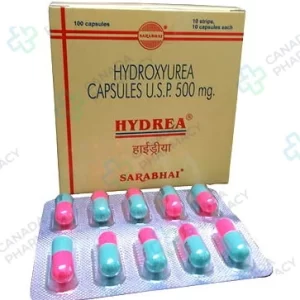
Hydrea
Price range: $ 64,00 through $ 541,00
Active substance: Hydroxyurea
More Details
This product has multiple variants. The options may be chosen on the product page
Kytril
Price range: $ 76,00 through $ 491,00
Active substance: Granisetron
More Details
This product has multiple variants. The options may be chosen on the product page
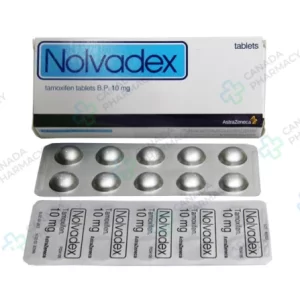
Nolvadex
Price range: $ 51,00 through $ 199,00
Active substance: Tamoxifen
More Details
This product has multiple variants. The options may be chosen on the product page
Synthroid
Price range: $ 43,00 through $ 170,00
Active substance: Levothyroxine
More Details
This product has multiple variants. The options may be chosen on the product page
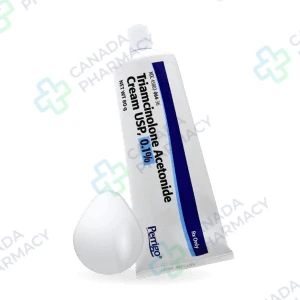
Triamcinolone
Price range: $ 45,00 through $ 289,00
Active substance: Triamcinolone
More Details
This product has multiple variants. The options may be chosen on the product page
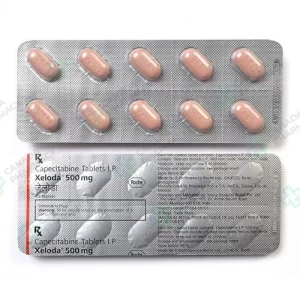
Xeloda
Price range: $ 494,00 through $ 788,00
Active substance: Capecitabine
More Details
This product has multiple variants. The options may be chosen on the product page