

-31%
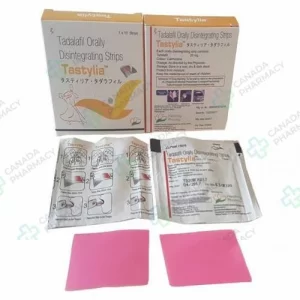
Cialis Strips
Price range: $ 50,00 through $ 140,00
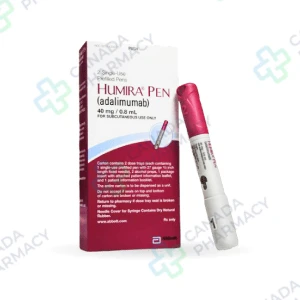
Humira
Price range: $ 755,00 through $ 3 737,00
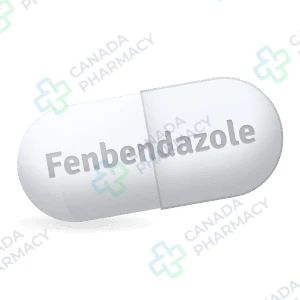
Fenbendazole
Price range: $ 38,00 through $ 231,00
Fenbendazole is a high-quality anthelmintic agent designed to treat a wide variety of internal parasite infections. This broad-spectrum medication effectively targets common gastrointestinal pests, including roundworms, hookworms, and whipworms. By disrupting the energy metabolism of these organisms, it ensures a thorough and reliable elimination process. The formula is well-regarded for its consistent performance and high safety profile in managing intestinal health. It serves as a dependable solution for maintaining a parasite-free system and supporting overall physical well-being.
Active substance: Fenbendazole
Delivery: 5–21 days (depending on the shipping method)
Extra 10% discount with coupon: IT4K6SVM
Each dosage option has its own packaging choices.
Description
Fenbendazole belongs to the benzimidazole class of anthelmintic compounds primarily recognized for broad-spectrum anti-parasitic activity. In the United States, formulations containing this active ingredient are approved by the FDA strictly for veterinary applications to treat various helminth infections in animals. Any application of fenbendazole in human medicine remains non-FDA-approved and is classified as off-label or investigational.
Understanding the pharmacological profile, regulatory standing, and safety considerations of fenbendazole is essential for evaluating published data and avoiding inappropriate self-administration. It is dispensed in accordance with applicable federal and state regulations.
Basic Information
What It’s Used For
Fenbendazole is designated as a broad-spectrum anthelmintic agent. Under FDA oversight in veterinary medicine, it is indicated for the removal and control of gastrointestinal parasites, including roundworms (Toxocara, Toxascaris), hookworms (Ancylostoma), whipworms (Trichuris), and certain tapeworms (Taenia species). It is also utilized in specific veterinary protocols to control protozoal infections such as Giardia.
Currently, there are no FDA-approved indications for human use of fenbendazole. Any medical interest regarding its potential anti-neoplastic (cancer) properties originates from early-stage laboratory research and pre-clinical cell-culture models. These applications in human oncology remain strictly off-label, unapproved, and unvalidated by randomized clinical trials.
How the Drug Works
The principal mechanism of action of fenbendazole involves its selective binding to beta-tubulin, a structural protein essential for microtubule polymerization in eukaryotic cells. By interfering with microtubule assembly, the drug disrupts cellular structure, intracellular transport, and glucose uptake within susceptible parasites. Deprived of energy reserves, the parasite experiences cellular breakdown and autolysis, leading to its eventual expulsion from the gastrointestinal tract.
Fenbendazole exhibits a higher binding affinity for helminthic tubulin compared to mammalian tubulin, providing a degree of selective toxicity. However, elevated systemic exposures can potentially affect host cellular processes, which necessitates careful clinical monitoring in authorized veterinary settings.
How It’s Absorbed and Eliminated
Following oral administration, fenbendazole exhibits low systemic absorption across the mammalian gastrointestinal tract. This limited oral bioavailability ensures that a substantial concentration of the active compound remains within the intestinal lumen, enhancing localized activity against gut-dwelling helminths.
The portion of fenbendazole that is absorbed undergoes hepatic metabolism, primarily through oxidation to its primary active metabolite, oxfendazole (fenbendazole sulfoxide), and further conversion to fenbendazole sulfone. Elimination occurs predominantly via feces, which accounts for both the unabsorbed drug and biliary metabolites. A minor fraction is excreted through renal filtration. The rate of elimination and systemic accumulation varies across biological species and depends significantly on diet and formulation.
Dosing Schedule
Dosing protocols for fenbendazole are established exclusively for approved animal species and vary according to body weight, species physiology, and the targeted parasite. Veterinary administration utilizes oral pastes, granules, or liquid suspensions administered over single- or multi-day treatment courses.
Because fenbendazole is not approved by the FDA for human administration, no standardized, safe, or clinically verified human dosage regimen exists. Healthcare authorities emphasize that dosing protocols derived from veterinary practice cannot be directly scaled or safely applied to human beings due to species differences in hepatic metabolism, clearance rates, and tissue sensitivity.
Adverse Reactions
In approved veterinary populations, fenbendazole is generally well-tolerated, though adverse reactions do occur. Common gastrointestinal side effects observed in animals include transient vomiting, diarrhea, loose stools, and abdominal discomfort.
In humans who consume unapproved fenbendazole preparations, potential adverse reactions include gastrointestinal irritation, elevated liver enzymes (indicative of hepatic strain), cutaneous rash, and dizziness. Severe hypersensitivity reactions, bone marrow suppression (such as leukopenia), or drug-induced liver injury represent significant risks associated with unmonitored exposure to benzimidazole compounds. Any individual experiencing persistent nausea, abdominal pain, dark urine, or yellowing of the skin should seek medical attention immediately.
Compatibility With Other Medicines
Drug interactions involving fenbendazole primarily relate to its processing by liver enzymes. Co-administration with medications that inhibit or induce hepatic cytochrome P450 enzymes may alter systemic clearance and metabolism, unpredictable altering plasma concentrations of fenbendazole and its metabolites.
Combining fenbendazole with other benzimidazoles or hepatotoxic medications increases the potential risk of liver injury. Additionally, co-ingestion with lipophilic compounds or fatty foods can significantly enhance oral absorption, turning a low-bioavailability drug into a systemically available agent with higher toxicity risks. A detailed medical evaluation is required before introducing any off-label substance alongside prescribed pharmacological regimens.
Food and Alcohol Interactions
Co-administration of fenbendazole with high-fat meals increases its systemic absorption due to its lipophilic chemical structure. Increased absorption shifts the pharmacokinetic profile from local intestinal action to systemic exposure, elevating the risk of systemic side effects.
Alcohol consumption should be strictly avoided during exposure to benzimidazole agents. Both alcohol and fenbendazole undergo hepatic processing; concurrent exposure can compound liver stress, elevate baseline liver enzymes, and impair normal metabolic function.
Special Populations
Safety profiles for fenbendazole in human special populations–including pregnant women, nursing mothers, pediatric populations, and elderly individuals–have not been established by clinical studies. Certain benzimidazole derivatives have demonstrated embryotoxic or teratogenic effects in mammalian laboratory models at high doses. Consequently, use during pregnancy or lactation carries substantial uncalculated risks.
Individuals with pre-existing hepatic impairment or renal dysfunction face elevated risks of drug accumulation, impaired elimination, and compound toxicity.
Important Precautions
Precautions must be highlighted concerning non-FDA-approved substances. Veterinary formulations of fenbendazole are manufactured for animal administration and may contain excipients, binding agents, or impurities that are not tested or intended for human ingestion.
Prolonged or unmonitored intake poses risks of hepatotoxicity, requiring baseline and periodic liver function monitoring if unintended exposure occurs. Substituting non-approved off-label substances for validated, FDA-approved medical interventions–particularly for serious diagnoses like malignancy–presents severe health risks, including disease progression and missed therapeutic windows.
What’s Said vs. What’s True
Myth: Fenbendazole is an FDA-approved cure for human cancers.
Fact: Fenbendazole is not approved by the FDA for human use or cancer treatment. While preliminary cellular research has examined how benzimidazoles interact with micro-tubular structures in lab settings, comprehensive human clinical trials establishing efficacy and safety do not exist.
Myth: Veterinary formulations are identical to human-grade pharmaceuticals.
Fact: Veterinary products are manufactured under different regulatory quality control standards and may contain inactive ingredients unrated for human safety.
What to Ask Your Provider
When reviewing treatment options or questions regarding alternative compounds, consider discussing the following points with a healthcare professional:
- What are the FDA-approved medical treatments currently available for my diagnosis?
- What are the documented safety risks associated with taking non-approved veterinary compounds?
- How might an unapproved substance interact with my current prescription medications?
- What diagnostic tests (such as liver function panels) should be performed to monitor organ health?
Common Questions
Is fenbendazole approved by the FDA for human administration?
No. Fenbendazole is approved by the US Food and Drug Administration (FDA) solely for veterinary applications. It has not received approval for human use for any medical indication.
What should be done if signs of liver distress occur after exposure to fenbendazole?
If symptoms such as persistent nausea, dark urine, severe fatigue, or jaundice (yellowing of eyes or skin) develop, discontinue use immediately and seek professional emergency medical evaluation. These signs may indicate elevated liver enzymes or drug-induced hepatic toxicity.
How does fenbendazole differ from mebendazole or albendazole?
While fenbendazole, mebendazole, and albendazole belong to the same benzimidazole chemical class, mebendazole and albendazole have specific formulations approved by the FDA for human helminthic infections. Fenbendazole remains strictly categorized for animal use under US regulations.
Is it safe to substitute fenbendazole for prescribed anti-parasitic treatments?
No. Substituting an unapproved veterinary drug for prescribed human medications introduces risks of inaccurate dosing, ineffective treatment, toxicity, and exposure to unregulated excipients. Always follow the therapeutic regimen established by a licensed healthcare provider.
Can fenbendazole be safely taken with alcohol?
Combining fenbendazole with alcohol is not recommended. Both substances are processed in the liver, and concurrent exposure increases the risk of hepatic toxicity and gastrointestinal distress.
In accordance with FDA requirements.
This text is for informational purposes only and does not constitute individual medical advice.
Additional information
| Dosage |
222 mg ,444 mg |
|---|---|
| Package |
30 caps ,60 caps ,90 caps ,180 caps |
| Ενεργός Ουσία |
Related products
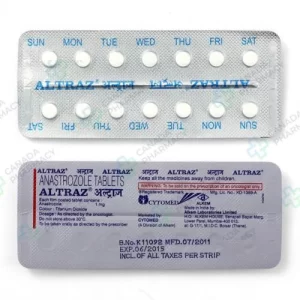
Arimidex
Price range: $ 194,00 through $ 441,00
Active substance: Anastrozole
More Details
This product has multiple variants. The options may be chosen on the product page
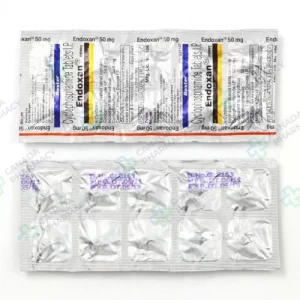
Cytoxan
Price range: $ 51,00 through $ 420,00
Active substance: Cyclophosphamide
More Details
This product has multiple variants. The options may be chosen on the product page
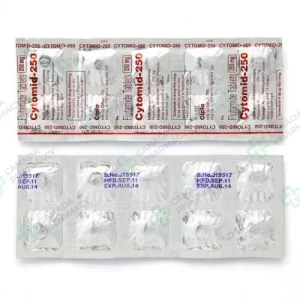
Eulexin
Price range: $ 51,00 through $ 475,00
Active substance: Flutamide
More Details
This product has multiple variants. The options may be chosen on the product page
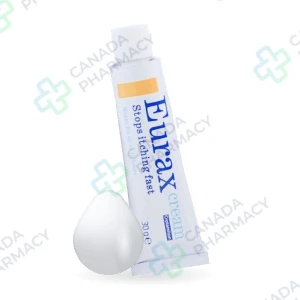
Eurax
Price range: $ 49,00 through $ 187,00
Active substance: Crotamiton
More Details
This product has multiple variants. The options may be chosen on the product page
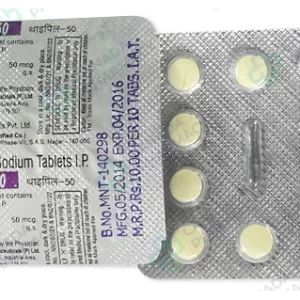
Levothroid
Price range: $ 42,00 through $ 144,00
Active substance: Levothyroxine sodium
More Details
This product has multiple variants. The options may be chosen on the product page
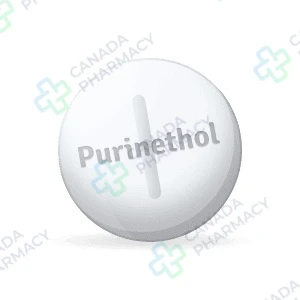
Purinethol
Price range: $ 107,00 through $ 349,00
Active substance: Mercaptopurine
More Details
This product has multiple variants. The options may be chosen on the product page
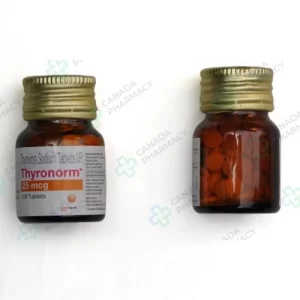
Synthroid
Price range: $ 43,00 through $ 170,00
Active substance: Levothyroxine
More Details
This product has multiple variants. The options may be chosen on the product page
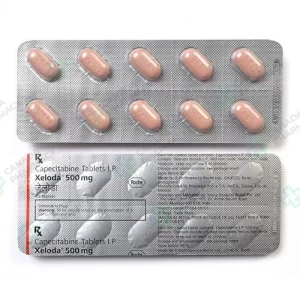
Xeloda
Price range: $ 494,00 through $ 788,00
Active substance: Capecitabine
More Details
This product has multiple variants. The options may be chosen on the product page