

-5%
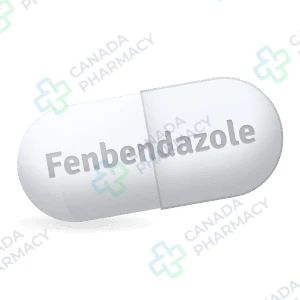
Fenbendazole
Price range: $ 38,00 through $ 231,00
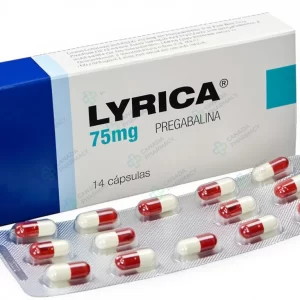
Lyrica
Price range: $ 50,00 through $ 540,00
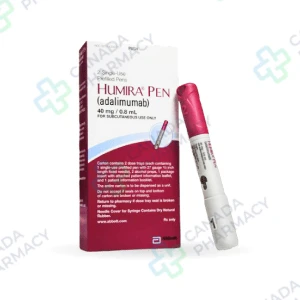
Humira
Price range: $ 755,00 through $ 3 737,00
Humira is a widely used injectable medication designed to treat a variety of chronic inflammatory conditions by targeting specific proteins in the immune system. It works by blocking tumor necrosis factor (TNF), which helps to reduce the swelling and pain associated with overactive immune responses. This therapy is officially indicated for managing symptoms of moderate to severe rheumatoid arthritis, psoriatic arthritis, and ankylosing spondylitis. Patients also utilize Humira to achieve and maintain remission in gastrointestinal conditions such as Crohn’s disease and ulcerative colitis. Furthermore, it is an effective treatment option for chronic plaque psoriasis, hidradenitis suppurativa, and certain types of non-infectious uveitis.
Active substance: Adalimumab
Delivery: 5–21 days (depending on the shipping method)
Extra 10% discount with coupon: IT4K6SVM
Each dosage option has its own packaging choices.
Description
Humira should only be used under medical supervision as a prescription-only biological therapy. It is prescribed for severe chronic inflammatory and autoimmune conditions, including rheumatoid arthritis, psoriatic arthritis, ankylosing spondylitis, Crohn’s disease, ulcerative colitis, plaque psoriasis, hidradenitis suppurativa, and non-infectious uveitis. Because this medication alters immune system activity, patients must be carefully evaluated for latent infections before initiating therapy.
This treatment requires strict adherence to dosing guidelines and regular monitoring by a qualified healthcare provider. Understanding proper administration, potential safety risks, and critical warning signs is essential for maintaining patient safety throughout the therapeutic process.
Product Summary and Emergency Safety Guidance
| Active ingredient (INN) | Adalimumab |
| Therapeutic class | Tumor Necrosis Factor (TNF) Inhibitor / Monoclonal Antibody |
| Dosage form | Subcutaneous injection (prefilled syringe / prefilled pen) |
| Prescription status | Prescription only (Rx) |
| Primary purpose | Reduction of inflammation and structural damage in autoimmune disorders |
| Storage conditions | Refrigerated at 36°F to 46°F (2°C to 8°C); protect from light |
Main uses
Humira (adalimumab) is an FDA-approved biological medication indicated for reducing signs and symptoms, inducing clinical remission, and inhibiting structural progression in multiple moderate-to-severe autoimmune diseases. Approved indications in adults and pediatric patients include rheumatoid arthritis, juvenile idiopathic arthritis, psoriatic arthritis, ankylosing spondylitis, adult Crohn’s disease, pediatric Crohn’s disease, ulcerative colitis, plaque psoriasis, hidradenitis suppurativa, and non-infectious uveitis. It is typically reserved for patients who have had an inadequate response to one or more conventional systemic disease-modifying therapies. Any off-label use must be explicitly evaluated and managed by a licensed physician, as unapproved indications lack established safety and efficacy protocols.
How the drug works
Adalimumab is a recombinant human IgG1 monoclonal antibody that binds specifically to tumor necrosis factor-alpha (TNF-alpha). TNF-alpha is a naturally occurring cytokine involved in normal inflammatory and immune responses. In chronic autoimmune disorders, elevated concentrations of TNF-alpha trigger localized cellular recruitment and tissue destruction. By binding directly to TNF-alpha molecules, adalimumab blocks their interaction with p55 and p75 cell-surface TNF receptors. This targeted mechanism neutralizes the biological activity of TNF-alpha, resulting in reduced cellular inflammation, decreased acute-phase inflammatory markers, and prevention of progressive structural joint and tissue damage.
Important precautions
Warning: Humira carries boxed warnings regarding the risk of serious infections and malignancy. Because TNF blockers suppress immune function, patients receiving this medication are at an elevated risk of developing severe, potentially fatal infections caused by bacterial, mycobacterial, invasive fungal, viral, or opportunistic pathogens. Patients must be screened for active or latent tuberculosis (TB) prior to initiating therapy and monitored regularly during treatment. Never start therapy in the presence of an active, localized, or systemic infection. Reactivation of hepatitis B virus may occur in chronic carriers. Additionally, malignancies–including lymphoma and cutaneous cancers–have been reported in children, adolescents, and adults treated with TNF-inhibiting agents. Patients with pre-existing heart failure, demyelinating disorders (such as multiple sclerosis), or advanced liver dysfunction require rigorous safety screening before considering this treatment option.
When to get emergency care
Seek medical attention immediately if you experience signs of a severe allergic reaction or life-threatening systemic infection. Immediate medical intervention is required if you develop high fever, severe chills, persistent cough, shortness of breath, or confusion, which may signal invasive fungal infection, tuberculosis, or bacterial sepsis. Emergency evaluation is also mandatory if you observe swelling of the face, lips, tongue, or throat, widespread hives, or severe difficulty breathing or swallowing. Never delay seeking urgent care if red flag symptoms manifest during treatment.
| Red Flag Symptom | Potential Medical Concern |
| Swelling of face, lips, tongue, or throat | Severe systemic allergic reaction (anaphylaxis) |
| High fever, severe chills, persistent cough | Serious systemic or opportunistic infection / sepsis |
| Difficulty breathing or shortness of breath | Severe respiratory infection or acute hypersensitivity |
| Unusual bruising, bleeding, or pale skin | Severe hematologic abnormalities (cytopenia, aplastic anemia) |
| New or worsening leg swelling, chest tightness | New or worsening congestive heart failure |
| Jaundice (yellowing of skin or eyes) | Severe hepatic dysfunction or hepatitis B reactivation |
Therapeutic Details and Daily Management
Dosing schedule
Humira is administered by subcutaneous injection using a single-dose prefilled syringe or a single-dose prefilled pen. Dosing regimens vary based on the specific condition being treated, patient weight (particularly in pediatric cases), and individual therapeutic response. For adult rheumatoid arthritis, psoriatic arthritis, and ankylosing spondylitis, the standard dose is typically 40 mg administered every other week. In certain patients with rheumatoid arthritis not receiving concomitant methotrexate, the dose may be increased to 40 mg once weekly. Higher initial loading doses–such as 160 mg initially, followed by 80 mg two weeks later–are standard protocols for inflammatory bowel diseases (Crohn’s disease and ulcerative colitis) and hidradenitis suppurativa. Injection sites (thigh or abdomen) must be rotated with each application, and injections should never be given into skin that is tender, bruised, red, or hard.
What happens in the body
Following a single 40 mg subcutaneous injection in adult subjects, maximum serum concentrations of adalimumab are achieved in approximately 5 days (range: 131 to 156 hours). The average absolute bioavailability of subcutaneous adalimumab is estimated at approximately 64%. Systemic clearance and volume of distribution are influenced by body weight and the presence of circulating anti-adalimumab antibodies, which can accelerate drug elimination. The average terminal elimination half-life of adalimumab is approximately 2 weeks (ranging from 10 to 20 days across clinical studies). Steady-state serum concentrations are typically achieved after several weeks of continuous regular biweekly dosing.
What side effects may occur
Adverse reactions to Humira range from local injection-site responses to complex systemic events. Injection site reactions–characterized by localized redness, itching, pain, swelling, or bruising–are among the most common adverse events, though they typically diminish over time. Other frequently reported side effects include upper respiratory tract infections, sinusitis, headache, rash, and nausea. Serious side effects include systemic bacterial or fungal sepsis, reactivation of latent tuberculosis or hepatitis B, central or peripheral demyelinating disease, blood dyscrasias (leukopenia, thrombocytopenia), new onset or worsening heart failure, and autoimmune reactions such as lupus-like syndrome. Any unexplained skin changes, persistent fever, or neurological symptoms must be reported to your healthcare provider promptly.
First days of treatment
During the initial phase of therapy, patients should not expect instantaneous symptom relief. Biological medications work progressively to suppress underlying inflammatory pathways, and noticeable clinical improvement may require several weeks, sometimes taking up to 8 to 12 weeks to demonstrate full therapeutic response. Mild localized skin reactions at the injection site are common early on and usually resolve within a few days. Patients should carefully monitor their body temperature, report early signs of malaise or infection immediately, and complete all required baseline diagnostic blood tests as ordered by their physician.
What not to combine
Combining Humira with other biological disease-modifying antirheumatic drugs (such as anakinra, abatacept, or other TNF blockers) is strictly avoided due to a significantly elevated risk of severe infections without additional clinical benefit. Concurrent administration of live vaccines (such as MMR, varicella, or live zoster vaccines) is contraindicated because TNF inhibition reduces host defense mechanisms against live viral or bacterial strains. Caution and careful clinical monitoring are required when combining adalimumab with other systemic immunosuppressants like azathioprine or 6-mercaptopurine, as combination therapy in inflammatory bowel disease has been linked to an increased risk of rare malignancies such as hepatosplenic T-cell lymphoma.
If you skip a dose
If a scheduled injection of Humira is missed, it should be administered as soon as remembered, provided the next scheduled dose is not due immediately. Following the administration of the missed dose, resume the standard dosing interval according to your original treatment schedule set by your doctor. Never inject a double dose or administer extra medication to compensate for a missed application. If you are uncertain about how to adjust your schedule after a missed dose, contact your prescribing physician or specialty pharmacist for precise directions.
Storage and expiration
Humira must be stored under refrigeration between 36°F and 46°F (2°C to 8°C) in its original carton to protect the product from light exposure. Do not freeze the medication; any pen or syringe that has been frozen must be discarded immediately, even if thawed. If refrigeration is unavailable during travel, a single pen or syringe may be stored at room temperature up to a maximum of 77°F (25°C) for up to 14 days, provided it is kept away from direct heat and light. Once an item reaches room temperature, it must be used within the 14-day window or safely discarded. Never use the product beyond the expiration date printed on the device and packaging.
Common questions
Can live vaccines be received while undergoing treatment with Humira?
No. Live vaccines should not be administered during therapy with adalimumab. Because the medication suppresses immune system responses, live attenuated pathogens in vaccines could replicate and lead to clinical infection. Patients should complete all required vaccinations prior to starting treatment.
Is it safe to consume alcohol while taking this medication?
There is no direct pharmacokinetic interaction between alcohol and adalimumab. However, excessive alcohol consumption can strain liver function and complicate the management of underlying inflammatory conditions, particularly if co-prescribed with hepatotoxic medications like methotrexate. Consult your provider regarding safe consumption levels.
What steps should be taken if an infection develops during treatment?
If you develop any sign of infection–such as a fever, sore throat, cough, skin sore, or burning during urination–contact your doctor immediately. Treatment with Humira must typically be paused during active serious infections until the pathogen is identified and appropriately treated with antimicrobial therapy.
Can this medication be used during pregnancy or breastfeeding?
Adalimumab crosses the placenta, particularly during the third trimester, and low levels have been detected in human breast milk. Decisions regarding use during pregnancy or lactation require a careful risk-benefit analysis conducted by a specialist, considering maternal disease severity and potential infant exposure.
How long does it take for the drug to clear from the body after stopping therapy?
Because adalimumab has an average elimination half-life of approximately 2 weeks, it can take anywhere from 10 to 20 weeks (around 70 to 140 days) for the medication to be substantially cleared from the systemic circulation after the final dose.
In accordance with FDA requirements.
Information on this page is for reference and does not replace an assessment by a licensed healthcare professional.
Additional information
| Dosage |
20 mg / 0.4 ml ,40 mg / 0.8 ml |
|---|---|
| Package |
2 injector ,4 injector ,8 injector |
| Ενεργός Ουσία |
Related products
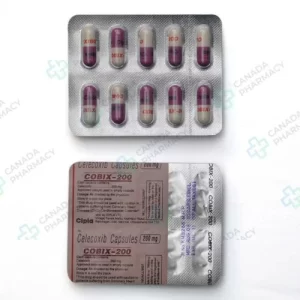
Celebrex
Price range: $ 42,00 through $ 232,00
Active substance: Celecoxib
More Details
This product has multiple variants. The options may be chosen on the product page
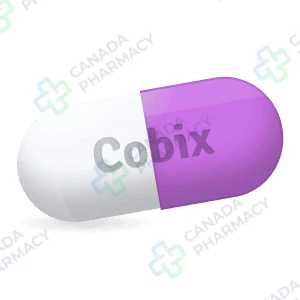
Cobix
Price range: $ 11,00 through $ 28,00
Active substance: Celecoxib
More Details
This product has multiple variants. The options may be chosen on the product page
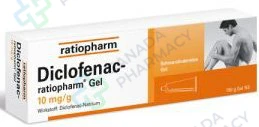
Diclofenac Gel
Price range: $ 39,00 through $ 73,00
Active substance: diclofenac
More Details
This product has multiple variants. The options may be chosen on the product page
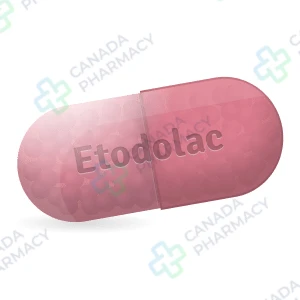
Etodolac
Price range: $ 46,00 through $ 390,00
Active substance: Etodolac
More Details
This product has multiple variants. The options may be chosen on the product page
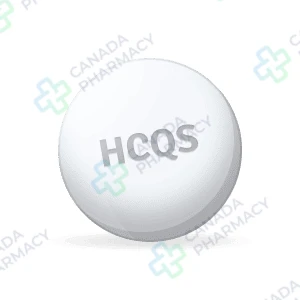
Hydroxychloroquine
Price range: $ 50,00 through $ 1 450,00
Active substance: Hydroxychloroquine
More Details
This product has multiple variants. The options may be chosen on the product page
Imusporin
Price range: $ 117,00 through $ 535,00
Active substance: Cyclosporine
More Details
This product has multiple variants. The options may be chosen on the product page
Medrol
Price range: $ 49,00 through $ 497,00
Active substance: Medrol
More Details
This product has multiple variants. The options may be chosen on the product page
Omnacortil
Price range: $ 51,00 through $ 210,00
Active substance: prednisolone
More Details
This product has multiple variants. The options may be chosen on the product page