

-49%
Imuran
Price range: $ 29,00 through $ 302,00
Inderal
Price range: $ 21,00 through $ 164,00
Imusporin
Price range: $ 117,00 through $ 535,00
Imusporin is a specialized immunosuppressant medication designed to help manage the body’s natural immune response. It is primarily utilized to prevent organ rejection in patients undergoing kidney, liver, or heart transplantation. The active component works by moderating immune system activity to ensure the successful integration of a donor organ. In addition to transplant care, Imusporin provides effective relief for adults dealing with the symptoms of severe rheumatoid arthritis. This medication is also indicated for the treatment of chronic plaque psoriasis when other conventional therapies have proven insufficient.
Active substance: Cyclosporine
Delivery: 5–21 days (depending on the shipping method)
Extra 10% discount with coupon: IT4K6SVM
Each dosage option has its own packaging choices.
Description
Imusporin belongs to a group of medicines called calcineurin inhibitor immunosuppressants. This primary action helps modulate the body’s immune response to prevent the rejection of transplanted organs or to treat severe autoimmune conditions. In the United States, Imusporin is available strictly by prescription (Rx) and requires regular medical monitoring to ensure therapeutic effectiveness while minimizing potential toxicity.
While the medication offers life-saving immunosuppressive benefits for organ transplant recipients and relief for debilitating autoimmune conditions, its narrow therapeutic index requires precise dosing and cautious oversight. On one hand, maintaining adequate blood levels prevents graft rejection or disease flare-ups; on the other hand, excessively high concentrations significantly increase the risk of renal toxicity and systemic side effects.
| Attribute | Details |
|---|---|
| Active ingredient (INN) | Cyclosporine |
| Therapeutic class | Calcineurin inhibitor immunosuppressant |
| Dosage form | Oral capsules, oral solution |
| Route of administration | Oral |
| Primary purpose | Prevention of organ rejection; treatment of severe autoimmune disorders |
| Prescription status | Prescription-only (Rx) |
Clinical Overview and Pharmacokinetics
Main Uses and Mechanism of Action
Main Uses
Imusporin is indicated for the prophylaxis of organ rejection in kidney, liver, and heart allogeneic transplants. In transplant medicine, it is often administered alongside other immunosuppressive agents such as corticosteroids to optimize graft survival. Additionally, Imusporin is approved for managing severe, active rheumatoid arthritis in patients who have failed to respond adequately to methotrexate. It is also prescribed for the treatment of severe, recalcitrant plaque psoriasis in non-immunocompromised adults who have not achieved satisfactory relief from conventional systemic therapies.
Any use outside these established indications, such as for specific off-label dermatological or nephrological conditions, must be evaluated strictly on an individual basis by a qualified specialist. Balancing efficacy against potential cumulative organ toxicity remains a central consideration when initiating therapy for non-transplant indications.
How the Drug Works
Imusporin exerts its therapeutic effect by selectively inhibiting the activation of T-lymphocytes, which are central mediators of cellular immunity. At the molecular level, cyclosporine forms a complex with immunophilin (cyclophilin). This drug-protein complex inhibits calcineurin, a calcium-dependent phosphatase responsible for activating nuclear factor of activated T-cells (NFAT).
By blocking NFAT translocation into the cell nucleus, Imusporin prevents the transcription of critical cytokines, most notably interleukin-2 (IL-2). Because IL-2 is essential for the proliferation and differentiation of T-helper and T-cytotoxic cells, suppressing its production significantly dampens the immune cascade. Unlike cytotoxic agents, Imusporin does not depress bone marrow function to the same extent, though it requires precise therapeutic drug monitoring due to its focused, high-potency pathway.
Absorption, Dosing, and Skipped Doses
How It’s Absorbed and Eliminated
The absorption of cyclosporine from the gastrointestinal tract is variable and depends significantly on the specific formulation (modified microemulsion versus non-modified oral formulations). Peak plasma concentrations are generally achieved within 1.5 to 4 hours after oral administration. Bioavailability ranges between 20% and 50%, with microemulsion preparations providing a more consistent absorption profile unaffected by bile secretion compared to older non-modified formulations.
Cyclosporine is extensively distributed throughout body tissues and is bound heavily to plasma proteins (primarily lipoproteins) and erythrocytes. Metabolism occurs extensively in the liver via the cytochrome P450 CYP3A4 enzyme system. Elimination is primarily biliary, with less than 6% excreted unchanged or as metabolites in the urine. The terminal elimination half-life generally ranges from 8 to 24 hours, depending on individual patient metabolism, hepatic function, and formulation type.
Dosing Schedule
Dosing of Imusporin must be strictly individualized based on blood concentration monitoring, body weight, target clinical response, and the specific therapeutic indication. In organ transplantation, therapy typically begins prior to or immediately following surgery with a higher loading dose, followed by gradual reduction to maintenance levels. For rheumatoid arthritis and psoriasis, therapy starts at lower daily doses divided into two equal administration times.
It is essential to maintain consistent administration relative to meals and daily timing. Patients receiving oral solutions should measure doses accurately using the provided calibrated syringe and mix the solution in a glass container with orange or apple juice at room temperature. Modified and non-modified formulations are not bioequivalent and cannot be interchanged without direct physician supervision and therapeutic drug monitoring.
If You Skip a Dose
If a dose of Imusporin is missed, it should be taken as soon as remembered on the same day. However, if it is nearly time for the next scheduled dose, skip the missed dose and resume the regular twice-daily schedule. Patients must never double the dose to compensate for a missed administration, as taking excessive quantities can precipitate acute renal toxicity or severe blood pressure elevations.
Safety Profile and Interactions
Interactions and Dietary Restrictions
Compatibility with Other Medicines
Imusporin interacts with numerous medications due to its reliance on CYP3A4 metabolism and P-glycoprotein transport mechanisms. Co-administration with potent CYP3A4 inhibitors–such as ketoconazole, erythromycin, diltiazem, or clarithromycin–can dramatically increase cyclosporine blood levels, raising the risk of severe nephrotoxicity. Conversely, CYP3A4 inducers like rifampin, carbamazepine, phenytoin, and St. John’s wort significantly lower drug levels, potentially precipitating organ rejection or loss of therapeutic effect.
Concomitant use of other nephrotoxic agents (such as aminoglycosides, NSAIDs, amphotericin B, or vancomycin) markedly increases the likelihood of renal dysfunction. Furthermore, combining Imusporin with potassium-sparing diuretics or potassium supplements can induce hyperkalemia. Patients must disclose all prescription drugs, OTC products, and herbal remedies to their healthcare provider before making any changes.
What to Avoid While Taking It
Grapefruit and grapefruit juice directly inhibit gut CYP3A4 enzymes and must be strictly avoided during treatment with Imusporin. Consumption of grapefruit products can cause unpredictable spikes in blood concentrations, resulting in unexpected organ toxicity. Additionally, high-potassium foods should be consumed with awareness if hyperkalemia is detected during routine lab work.
Alcohol consumption should be discussed with your physician, as excessive alcohol intake may exacerbate hepatic stress or alter drug absorption. Consistency in diet–specifically taking the medication either consistently with food or consistently on an empty stomach–helps maintain stable blood concentrations.
Side Effects, Warnings, and FAQ
Adverse Reactions
Adverse reactions associated with Imusporin are primarily dose-dependent and often reversible upon dosage reduction. The most common renal effect is nephrotoxicity, which may present as elevated serum creatinine and blood urea nitrogen (BUN) levels. Systemic hypertension is also frequently observed and typically requires concurrent antihypertensive management or dose adjustment.
Other frequent side effects include tremor, hirsutism (excessive hair growth), gingival hyperplasia (gum swelling), hyperlipidemia, and minor gastrointestinal disturbances such as nausea or abdominal discomfort. Long-term immunosuppression inherently increases the overall risk of opportunistic infections and secondary malignancies, particularly skin cancers and lymphoproliferative disorders. Regular lab testing and clinical monitoring help manage these risks effectively.
Red Flags
Patients taking Imusporin must seek immediate emergency medical care if they experience signs of severe toxicity or acute complications. Red flag symptoms requiring urgent medical evaluation include:
- Sudden swelling of the face, lips, tongue, or throat causing difficulty breathing or swallowing.
- Significant decrease in urine output, unexplained lower extremity edema, or sudden weight gain.
- Persistent high fever, chills, severe sore throat, or signs of acute systemic infection.
- Unusual bleeding, persistent bruising, or unexplained weakness and pallor.
- Severe persistent headache, vision changes, confusion, or seizures.
Important Precautions
Treatment with Imusporin demands regular monitoring of renal function, serum electrolytes, liver enzymes, blood pressure, and trough blood concentrations. Patients with pre-existing renal impairment, uncontrolled hypertension, or active severe infections require careful clinical evaluation prior to initiating therapy. Live attenuated vaccines must be avoided during treatment due to the heightened risk of infection and diminished immune response.
In special populations, clinical considerations include:
- Pregnancy: Cyclosporine crosses the placenta. It should be used during pregnancy only if the potential benefit justifies the potential risk to the fetus, such as in solid organ transplant recipients.
- Breastfeeding: Cyclosporine passes into human milk. Breastfeeding is generally not recommended while taking this medication due to potential adverse effects in the infant.
- Pediatric Use: Safety and efficacy in pediatric organ transplant patients are established, though higher doses per body weight may be required due to faster elimination rates.
- Geriatric Use: Elderly patients should be dosed cautiously, starting at the lower end of the dosing range, reflecting higher frequencies of decreased renal, hepatic, or cardiac function.
Storage and Expiration
Imusporin capsules and oral solution should be stored at controlled room temperature between 68°F and 77°F (20°C to 25°C), with excursions permitted between 59°F and 86°F (15°C to 30°C). Keep the medication in its original container, protected from light and moisture. Do not refrigerate oral solutions, as gel formation can occur at lower temperatures. Liquid formulations should be used within the timeframe specified on the product packaging once opened. Keep out of reach of children and pets.
Common Questions
How often will I need blood tests while taking Imusporin?
Blood monitoring is typically frequent when initiating therapy or adjusting doses–often once or twice weekly–and may transition to monthly tests once stable maintenance levels, kidney function, and blood pressure are established.
Can I switch between different generic versions of Imusporin?
You should not switch between modified (microemulsion) and non-modified formulations or different generic brands without consulting your prescribing physician, as variations in bioavailability can affect therapeutic blood levels.
Is it normal to experience gum swelling during treatment?
Gingival hyperplasia (swollen or bleeding gums) is a known side effect of cyclosporine. Maintaining strict oral hygiene and visiting your dentist regularly can help manage and reduce this symptom.
What happens if I drink alcohol while taking this medication?
Occasional light alcohol intake may be permissible, but routine or heavy alcohol use can strain liver function and interfere with drug metabolism. Consult your doctor for individualized advice based on your medical history.
Does Imusporin increase my sensitivity to sunlight?
Yes, long-term immunosuppressive therapy increases the risk of skin malignancies and sun sensitivity. Patients should wear protective clothing, apply broad-spectrum sunscreen daily, and avoid artificial UV radiation like tanning beds.
In accordance with FDA requirements.
Information on this page is for reference and does not replace an assessment by a licensed healthcare professional.
Additional information
| Dosage |
100 mg |
|---|---|
| Package |
10 caps ,20 caps ,30 caps ,60 caps ,90 caps |
| Ενεργός Ουσία |
Related products
Benemid
Price range: $ 48,00 through $ 62,00
Active substance: Probenecidum
More Details
This product has multiple variants. The options may be chosen on the product page
Cobix
Price range: $ 11,00 through $ 28,00
Active substance: Celecoxib
More Details
This product has multiple variants. The options may be chosen on the product page
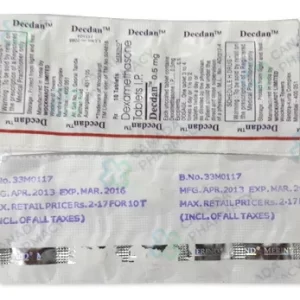
Decadron
Price range: $ 12,00 through $ 182,00
Active substance: Dexamethasone
More Details
This product has multiple variants. The options may be chosen on the product page
Deltasone
Price range: $ 47,00 through $ 296,00
Active substance: Prednisone
More Details
This product has multiple variants. The options may be chosen on the product page
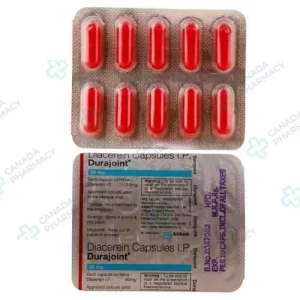
Diacerein
Price range: $ 50,00 through $ 165,00
Active substance: Diacerein
More Details
This product has multiple variants. The options may be chosen on the product page
Hsquin
Price range: $ 43,00 through $ 75,00
Active substance: Hydroxychloroquine
More Details
This product has multiple variants. The options may be chosen on the product page
Neoral
Price range: $ 45,00 through $ 1 800,00
Active substance: Cyclosporine
More Details
This product has multiple variants. The options may be chosen on the product page
Omnacortil
Price range: $ 51,00 through $ 210,00
Active substance: prednisolone
More Details
This product has multiple variants. The options may be chosen on the product page