

-14%
Beclamethasone
Price range: $ 60,00 through $ 205,00
Benicar
Price range: $ 42,00 through $ 478,00
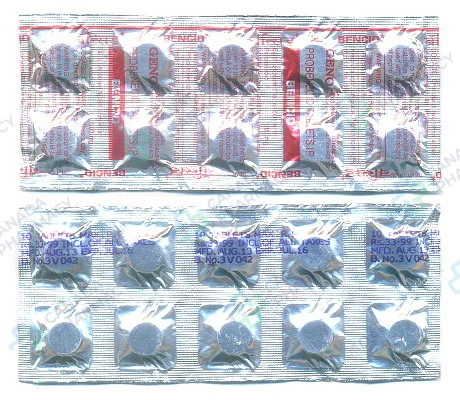
Benemid
Price range: $ 48,00 through $ 62,00
Benemid is an effective medication primarily used to manage chronic gout and gouty arthritis by helping the body eliminate excess uric acid. It works by acting on the kidneys to increase the excretion of uric acid through the urine, which helps prevent the formation of painful crystals in the joints. Regular use of this treatment can significantly reduce the frequency of gout attacks and minimize joint damage over time. Additionally, Benemid is frequently utilized as an adjuvant therapy to enhance the effectiveness of certain antibiotics by maintaining higher levels of the medication in the bloodstream. This dual-action capability makes it a versatile option for both metabolic management and supporting intensive antibacterial treatments.
Active substance: Probenecidum
Delivery: 5–21 days (depending on the shipping method)
Extra 10% discount with coupon: IT4K6SVM
Each dosage option has its own packaging choices.
Description
Benemid – Information for Patients and Caregivers
Benemid belongs to a class of medications known as uricosuric agents and renal tubular blocking agents. It is prescribed in the United States primarily for the management of hyperuricemia associated with chronic gouty arthritis and as an adjunctive therapy to increase plasma levels of certain penicillin-based antibiotics. Full compliance with prescription instructions from a healthcare provider is required during treatment.
As a prescription-only (Rx) pharmaceutical product, Benemid requires professional diagnosis, dosage calculation, and periodic laboratory monitoring. Its therapeutic role focuses on regulating uric acid transport within the renal tubules or modifying the renal elimination of concurrent antimicrobial medications.
| Property | Specification |
|---|---|
| Active ingredient | Probenecid |
| Therapeutic class | Uricosuric Agent / Renal Tubular Blocking Agent |
| Dosage form | Oral tablet |
| Route of administration | Oral |
| Primary purpose | Reduction of hyperuricemia in chronic gout; antibiotic adjuvant |
| Prescription status | Prescription only (Rx) |
Main uses
Benemid is indicated for the treatment of hyperuricemia associated with chronic gouty arthritis in patients requiring uricosuric therapy. It helps lower serum uric acid levels to prevent the formation of urate deposits (tophi) and reduce the frequency of gout flares over long-term management. However, Benemid is not indicated for treating acute attacks of gouty arthritis; initiating therapy during an acute flare may prolong or worsen the inflammatory reaction. Additionally, Benemid is approved as an adjuvant to antimicrobial therapy with penicillin G, ampicillin, or related beta-lactam antibiotics. When administered concurrently, it elevates and prolongs therapeutic plasma concentration levels of these antibiotics, enhancing their clinical efficacy in specific severe infections.
How the drug works
The pharmacological activity of Benemid centers on its action within the proximal renal tubules of the kidneys. As a competitive inhibitor, it blocks the tubular reabsorption of filtered urate. By preventing urate reabsorption back into the bloodstream, Benemid enhances the urinary excretion of uric acid, thereby reducing elevated serum uric acid concentration. In the context of antibiotic therapy, Benemid competitively inhibits the renal tubular secretion of organic acids, including penicillin derivatives. This competitive blockade impairs the clearance of penicillins, resulting in elevated serum concentrations and a prolonged elimination half-life of the antibiotic agent.
What happens in the body
Benemid is rapidly and completely absorbed from the gastrointestinal tract following oral administration. Peak plasma concentrations of probenecid are typically achieved within 2 to 4 hours post-dose. Probenecid undergoes extensive plasma protein binding, primarily to serum albumin, with approximately 85% to 90% bound under physiological conditions. The elimination half-life of probenecid is dose-dependent, varying between approximately 3 to 8 hours; higher doses exhibit a longer half-life due to saturation of renal transport mechanisms. Benemid is extensively metabolized in the liver to active and inactive metabolites, which are subsequently excreted via the kidneys into urine.
Dosing schedule
The standard dosage of Benemid must be individualized by a licensed healthcare provider based on serum uric acid levels and clinical response. For the management of hyperuricemia in chronic gout, therapy generally begins with a lower dose, such as 250 mg administered orally twice daily for one week. Following this initial period, the dosage is typically increased to 500 mg twice daily. If serum uric acid control remains inadequate, the dose may be titrated upward by 500 mg increments every few weeks, not exceeding 2,000 mg daily. For adjunctive therapy with penicillin antibiotics, the standard adult regimen is 500 mg administered orally four times daily (every 6 hours).
Compatibility with other medicines
Benemid exhibits significant pharmacokinetic interactions with various pharmacological agents. The simultaneous administration of salicylates, such as aspirin, antagonizes the uricosuric action of probenecid; therefore, salicylates should be avoided during Benemid therapy. Benemid decreases the renal excretion of several medications, leading to increased plasma levels and potential toxicity. These include methotrexate, naproxen, indomethacin, ketoprofen, lorazepam, and rifampin. Co-administration with methotrexate requires extreme caution or avoidance, as elevated methotrexate concentrations can result in severe systemic toxicity. Patients must inform their physician of all prescription and non-prescription medications currently taken.
Adverse reactions
Clinical administration of Benemid may produce adverse reactions ranging from mild gastrointestinal disturbance to severe systemic hypersensitivity. Common side effects include nausea, vomiting, anorexia, headache, urinary frequency, dizziness, and cutaneous flushing. During early stages of uricosuric therapy, patients may experience an increased frequency of acute gout attacks as mobilization of tissue urate stores occurs. Less frequent but severe adverse events include hypersensitivity reactions (such as skin rash, urticaria, fever, and anaphylaxis), hepatic necrosis, aplastic anemia, hemolytic anemia (particularly in patients with G6PD deficiency), and nephrotic syndrome. Formation of uric acid renal stones is also a known risk during initial therapy.
Important precautions
Benemid is contraindicated in patients with known hypersensitivity to probenecid, patients with a history of uric acid renal calculi (kidney stones), and patients with severe renal impairment (eGFR less than 30 mL/min). Treatment should not be initiated until an acute gouty attack has completely subsided. Because uricosuric action increases uric acid concentration in the urinary tract, adequate fluid intake (at least 2 to 3 liters per day) is essential to maintain high urine output and prevent kidney stone formation. Alkalinization of the urine using sodium bicarbonate or potassium citrate may be recommended by a physician if initial urate excretion is high.
What to avoid while taking it
Patients receiving Benemid therapy should maintain strict dietary and lifestyle precautions. High intake of alcohol, particularly beer, can increase serum uric acid production and decrease renal excretion, thereby diminishing the therapeutic efficacy of Benemid. Patients should avoid aspirin and aspirin-containing over-the-counter pain relievers, as salicylates directly inhibit the therapeutic effect of probenecid. Maintaining adequate hydration is crucial; dehydration increases the concentration of uric acid in urine, raising the risk of renal stone precipitation.
If you skip a dose
If a scheduled dose of Benemid is missed, it should be taken as soon as remembered, provided it is not close to the time for the next scheduled dose. If the next dose is due shortly, the missed dose should be skipped and the regular dosing schedule resumed. Patients must not double the dose to compensate for a missed tablet, as abrupt changes in plasma drug levels can alter uric acid excretion patterns or induce adverse gastrointestinal symptoms.
Special populations
The safety and effectiveness of Benemid in pediatric patients under 2 years of age have not been established. In geriatric populations, dosage selection should be conservative, reflecting the greater frequency of decreased renal function and concomitant disease states. Benemid falls into standard prescribing considerations during pregnancy; it should be used during pregnancy only if clearly needed and prescribed by a healthcare provider. Nursing mothers should exercise caution, as it is unknown whether probenecid is excreted in human milk.
Day-to-day use
Routine monitoring during Benemid therapy includes periodic measurement of serum uric acid levels, complete blood counts, and renal function tests. To minimize gastrointestinal upset, Benemid tablets are recommended to be taken with food or immediately after meals. Patients should consume sufficient fluids throughout the day–aiming for 8 to 10 full glasses of water daily–to facilitate urinary clearance of uric acid. Colchicine or another non-salicylate anti-inflammatory agent may be co-prescribed during the first few months of treatment to prevent gout flares caused by initial urate mobilization.
Common questions
How long does it take for Benemid to lower serum uric acid levels?
Serum uric acid reduction usually begins within a few days of initiating therapy, but peak therapeutic stabilization may require several weeks of consistent daily dosing. Dosage adjustments are made based on laboratory blood tests performed during follow-up medical visits.
Can Benemid be taken during an acute gout attack?
No, Benemid should not be started during an acute gout attack. Uricosuric therapy initiated during an active flare can exacerbate inflammation. Treatment is typically started only after acute joint pain and swelling have fully resolved.
Why is high fluid intake required while taking Benemid?
Benemid works by forcing the kidneys to excrete higher amounts of uric acid into the urine. High fluid intake prevents uric acid from concentrating in the urinary tract, reducing the risk of developing uric acid kidney stones.
Can aspirin be taken for pain relief while taking Benemid?
Salicylates, including aspirin, interfere with the mechanism of Benemid and block its uricosuric effect. Patients should consult their doctor for alternative non-salicylate pain relievers that do not interact with Benemid.
Is Benemid effective in patients with reduced kidney function?
Benemid loses its clinical efficacy in patients with severe renal impairment because adequate functional nephrons are required for its uricosuric mechanism. It is contraindicated in patients with severe renal failure or eGFR under 30 mL/min.
This text is for informational purposes only and does not constitute individual medical advice.
In accordance with FDA requirements, prescription medications should be taken strictly as directed by a licensed healthcare provider.
Additional information
| Dosage |
500mg |
|---|---|
| Package |
60 pills ,90 pills |
| Ενεργός Ουσία |
Related products
Arcoxia
Price range: $ 42,00 through $ 271,00
Active substance: etoricoxib
More Details
This product has multiple variants. The options may be chosen on the product page
Cartidin
Price range: $ 65,00 through $ 278,00
Active substance: Diacerein
More Details
This product has multiple variants. The options may be chosen on the product page
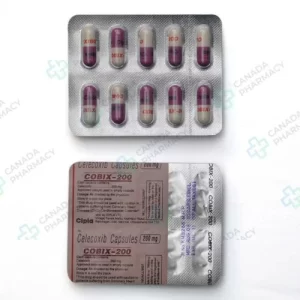
Celebrex
Price range: $ 42,00 through $ 232,00
Active substance: Celecoxib
More Details
This product has multiple variants. The options may be chosen on the product page
Cobix
Price range: $ 11,00 through $ 28,00
Active substance: Celecoxib
More Details
This product has multiple variants. The options may be chosen on the product page
Etodolac
Price range: $ 46,00 through $ 390,00
Active substance: Etodolac
More Details
This product has multiple variants. The options may be chosen on the product page
Hydroxychloroquine
Price range: $ 50,00 through $ 1 450,00
Active substance: Hydroxychloroquine
More Details
This product has multiple variants. The options may be chosen on the product page
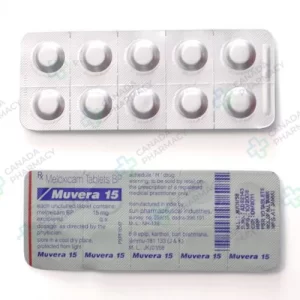
Mobic
Price range: $ 18,00 through $ 140,00
Active substance: meloxicam
More Details
This product has multiple variants. The options may be chosen on the product page
Nurofen
Price range: $ 41,00 through $ 76,00
Active substance: ibuprofen
More Details
This product has multiple variants. The options may be chosen on the product page