

-15%
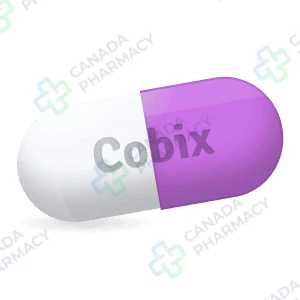
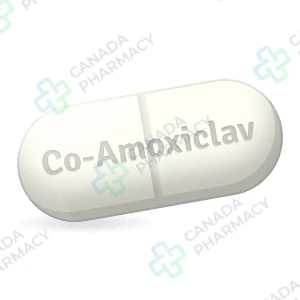
Co-Amoxiclav
Price range: $ 52,00 through $ 396,00
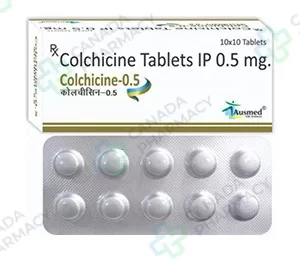
Colchicine
Price range: $ 57,00 through $ 193,00
Cobix
Price range: $ 11,00 through $ 28,00
Cobix is a potent nonsteroidal anti-inflammatory drug (NSAID) specifically designed to alleviate chronic pain and reduce inflammation. As a selective COX-2 inhibitor, this medication targets the enzymes responsible for pain signals while minimizing common gastrointestinal discomfort. It is highly effective in managing symptoms of osteoarthritis, rheumatoid arthritis, and ankylosing spondylitis, helping patients regain their daily mobility. Beyond joint conditions, Cobix is also utilized for the relief of acute pain and the treatment of primary dysmenorrhea. By providing long-lasting relief, this medication supports a more active and comfortable lifestyle for those dealing with persistent inflammatory conditions.
Active substance: Celecoxib
Delivery: 5–21 days (depending on the shipping method)
Extra 10% discount with coupon: IT4K6SVM
Each dosage option has its own packaging choices.
Description
Cobix belongs to a group of medications known as nonsteroidal anti-inflammatory drugs (NSAIDs), specifically acting as a selective cyclooxygenase-2 (COX-2) inhibitor. In the United States, this prescription medicine is evaluated by the FDA and is prescribed primarily for the management of pain, inflammation, and stiffness associated with various forms of arthritis and acute musculoskeletal pain conditions.
As a prescription-only pharmaceutical agent, Cobix must be dispensed in compliance with applicable federal and state regulations following a formal clinical evaluation by a licensed healthcare provider. This reference guide presents an objective overview of the active substance, pharmacological mechanisms, dosage principles, potential side effects, and essential precautions required for patient safety.
| Property | Specification |
|---|---|
| Drug Name | Cobix |
| Active Ingredient | Celecoxib |
| Therapeutic Class | Nonsteroidal Anti-inflammatory Drug (NSAID), Selective COX-2 Inhibitor |
| Dosage Form | Oral Capsule |
| Route of Administration | Oral |
| Prescription Status | Prescription (Rx) only |
| Primary Purpose | Relief of signs and symptoms of arthritis and acute pain management |
Clinical Profile and Usage Guidelines
Key Pharmacologic Characteristics
How the drug works: The therapeutic action of Cobix is mediated primarily through the inhibition of prostaglandin synthesis. Prostaglandins are inflammatory mediators produced by the cyclooxygenase enzymes (COX-1 and COX-2). Unlike traditional non-selective NSAIDs–which inhibit both COX-1 and COX-2 isoenzymes–the active component in Cobix selectively inhibits COX-2 at therapeutic plasma concentrations. COX-2 is the enzyme predominantly induced during inflammatory processes, responsible for synthesizing inflammatory prostanoids that trigger pain, edema, and tissue fever. By selectively targeting COX-2, the drug reduces inflammatory mediator production while exhibiting minimal inhibition of COX-1, an enzyme responsible for maintaining gastric mucosal integrity and platelet function under baseline physiological conditions.
Main uses: FDA-approved label indications for celecoxib formulations include the symptomatic relief of osteoarthritis and rheumatoid arthritis in adults, the management of juvenile rheumatoid arthritis in pediatric patients aged two years and older, the relief of signs and symptoms of ankylosing spondylitis, the management of acute pain in adults, and the treatment of primary dysmenorrhea. In specific clinical scenarios, off-label uses may be determined by a treating physician; however, any use outside of officially approved indications constitutes an off-label application that requires individualized clinical judgment and informed consent.
Dosing and Administration Overview
Dosing schedule: Cobix capsules are administered orally. To minimize cardiovascular and gastrointestinal risks, clinical guidelines dictate that the lowest effective dose should be utilized for the shortest duration consistent with individual patient treatment goals. For osteoarthritis, standard adult dosing typically ranges from 150 mg to 200 mg daily, administered either as a single dose or divided into two daily doses. Rheumatoid arthritis management usually requires 100 mg to 200 mg administered twice daily. For acute pain and primary dysmenorrhea, treatment is generally initiated at 400 mg initially, followed by an optional additional 200 mg dose on the first day if needed, and subsequently 200 mg twice daily as needed. Capsules should be swallowed whole with water; for patients with swallowing difficulties, capsule contents may be sprinkled onto a level teaspoon of cool or room-temperature applesauce and consumed immediately with water.
What happens in the body: Following oral administration under fasting conditions, peak plasma concentrations of the active ingredient occur approximately 3 hours post-dose. Administration with a high-fat meal delays peak concentration by approximately 1 to 2 hours and increases total absorption (AUC) by roughly 10% to 20%. The drug is extensively bound to plasma proteins (approximately 97%), primarily to albumin. Hepatic metabolism is the primary route of elimination, driven predominantly by the cytochrome P450 isoenzyme CYP2C9. Less than 3% of the dose is excreted unchanged in urine and feces. The mean elimination half-life is approximately 11 hours under steady-state conditions, though clearance may be altered in patients with hepatic or renal functional impairment.
What to avoid while taking it: Cobix may be taken without regard to food, although co-administration with food may improve gastrointestinal tolerance. Concomitant intake of ethanol (alcohol) should be strictly minimized or avoided, as alcohol consumption markedly increases the risk of gastrointestinal mucosal erosion, ulceration, and severe internal bleeding. Additionally, patients should avoid combining this medication with over-the-counter NSAIDs or aspirin products unless explicitly instructed by a prescribing clinician.
Safety Information and Patient Considerations
Precautionary Measures
What not to combine: Significant drug interactions can alter the safety and therapeutic efficacy of Cobix. Co-administration with CYP2C9 inhibitors (such as fluconazole) increases systemic drug exposure; dosing should be reduced by 50% when fluconazole is co-administered. CYP2C9 inducers (such as rifampin) may lower plasma concentration and decrease effectiveness. Concomitant use with oral anticoagulants (e.g., warfarin), antiplatelet agents (e.g., aspirin), selective serotonin reuptake inhibitors (SSRIs), or serotonin-norepinephrine reuptake inhibitors (SNRIs) substantially escalates the risk of severe gastrointestinal bleeding. NSAIDs may also diminish the antihypertensive effects of ACE inhibitors, angiotensin receptor blockers (ARBs), and beta-blockers, while increasing the risk of nephrotoxicity when combined with diuretics, cyclosporine, or tacrolimus. Serum lithium levels may be elevated during concurrent NSAID therapy, necessitating monitoring.
Adverse reactions: Clinical trials and post-marketing surveillance have characterized the adverse reaction profile of selective COX-2 inhibitors. Gastrointestinal side effects include dyspepsia, abdominal pain, diarrhea, flatulence, and nausea. Central nervous system effects may involve headache, dizziness, and insomnia. Respiratory events such as upper respiratory tract infections, rhinitis, and sinusitis are occasionally reported. Dermatologic reactions include mild skin rashes and pruritus. Peripheral edema and mild elevation of arterial blood pressure may occur due to renal fluid retention mechanisms.
Red flags: Certain adverse manifestations require immediate medical evaluation. Emergency medical assistance should be sought if signs of severe hypersensitivity occur, such as swelling of the face, lips, tongue, or throat, or difficulty breathing. Immediate attention is necessary if symptoms indicative of serious cardiovascular events appear, including chest pain, shortness of breath, sudden weakness or numbness on one side of the body, or slurred speech. Signs of serious gastrointestinal ulceration or bleeding–such as severe abdominal pain, vomiting blood, black or tarry stools, or hematochezia–warrant prompt emergency intervention. Furthermore, jaundice, persistent dark urine, unexplained fatigue, or severe blistering skin eruptions require immediate cessation of the drug and medical review.
Important precautions: Selective COX-2 inhibitors carry boxed warnings mandated by the FDA regarding cardiovascular and gastrointestinal risks. NSAIDs cause an increased risk of serious cardiovascular thrombotic events, including myocardial infarction and stroke, which can be fatal; this risk may occur early in treatment and increases with duration of use. Cobix is contraindicated in the setting of coronary artery bypass graft (CABG) surgery. NSAIDs also cause an increased risk of serious gastrointestinal adverse events including bleeding, ulceration, and perforation of the stomach or intestines. Use in patients with severe hepatic impairment or severe renal insufficiency is generally not recommended. During pregnancy, starting at 20 weeks gestation, NSAIDs may cause fetal renal dysfunction leading to oligohydramnios; use should be avoided after 30 weeks of gestation due to the risk of premature closure of the fetal ductus arteriosus.
If you skip a dose: If a scheduled dose is missed, it should be taken as soon as remembered. However, if it is almost time for the next scheduled dose, the missed dose should be skipped and the regular dosing schedule resumed. Patients must never double the dose to compensate for a missed administration.
Day-to-day use: Patients maintained on chronic therapy should adhere strictly to prescribed schedules and attend regular monitoring appointments. Periodic clinical lab tests–including complete blood counts, hepatic enzyme panels, renal function tests, and baseline blood pressure assessments–are recommended during long-term administration. Taking the medication with a full glass of water and remaining in an upright position for at least 15 to 30 minutes post-dose helps ensure smooth gastrointestinal transit.
Common Questions
How does Cobix differ from traditional non-selective NSAIDs like ibuprofen or naproxen?
Traditional NSAIDs inhibit both COX-1 and COX-2 enzymes. COX-1 inhibition reduces protective stomach prostaglandins, which can increase the frequency of gastrointestinal mucosal damage. Cobix selectively targets COX-2, providing anti-inflammatory and analgesic effects while causing fewer endoscopic upper gastrointestinal ulcers compared to non-selective NSAIDs at equivalent therapeutic doses. However, cardiovascular risks remain comparable or relevant across the NSAID class.
Can Cobix be taken concurrently with low-dose aspirin for heart disease prevention?
Cobix can be co-administered with low-dose aspirin; however, selective COX-2 inhibitors do not substitute for aspirin in cardiovascular prophylaxis because they do not inhibit platelet aggregation. Furthermore, combining Cobix with low-dose aspirin results in an increased rate of gastrointestinal ulceration and related complications compared to using Cobix alone.
What precautions are necessary for elderly individuals prescribed Cobix?
Elderly patients (aged 65 and older) exhibit higher baseline risk for severe NSAID-associated gastrointestinal, renal, and cardiovascular adverse effects. Clinical monitoring should be intensified, and therapy should be initiated at the lower end of the recommended dosing range, with careful renal function assessment.
Is Cobix safe for use during pregnancy or breastfeeding?
Use of NSAIDs during pregnancy requires strict medical oversight. Use is contraindicated at 30 weeks gestation and later due to the risk of premature ductus arteriosus closure in the fetus. Between 20 and 30 weeks, use should be limited to the lowest effective dose for the shortest duration. Celecoxib passes into human breast milk in small quantities; consultation with a healthcare professional is mandatory before nursing.
How does hepatic impairment alter the administration of Cobix?
Because the drug is metabolized primarily by the liver via CYP2C9, systemic exposure is elevated in patients with compromised liver function. In patients with moderate hepatic impairment (Child-Pugh Class B), the recommended daily dose should be reduced by approximately 50%. Use in patients with severe hepatic impairment is not recommended.
This text is for informational purposes only and does not constitute individual medical advice. In accordance with FDA requirements.
Additional information
| Dosage |
200 mg |
|---|---|
| Package |
30 caps ,60 caps ,90 caps |
| Ενεργός Ουσία |
Related products

Arcoxia
Price range: $ 42,00 through $ 271,00
Active substance: etoricoxib
More Details
This product has multiple variants. The options may be chosen on the product page
Benemid
Price range: $ 48,00 through $ 62,00
Active substance: Probenecidum
More Details
This product has multiple variants. The options may be chosen on the product page
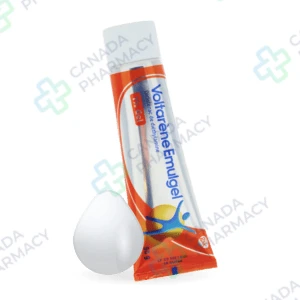
Emulgel
Price range: $ 51,00 through $ 323,00
Active substance: diclofenac
More Details
This product has multiple variants. The options may be chosen on the product page

Imusporin
Price range: $ 117,00 through $ 535,00
Active substance: Cyclosporine
More Details
This product has multiple variants. The options may be chosen on the product page
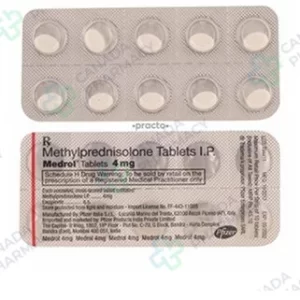
Medrol
Price range: $ 49,00 through $ 497,00
Active substance: Medrol
More Details
This product has multiple variants. The options may be chosen on the product page
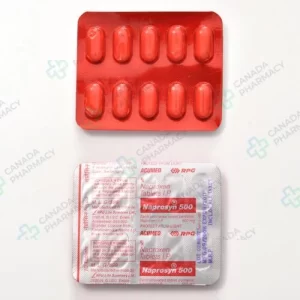
Naprosyn
Price range: $ 56,00 through $ 260,00
Active substance: naproxen
More Details
This product has multiple variants. The options may be chosen on the product page

Nurofen
Price range: $ 41,00 through $ 76,00
Active substance: ibuprofen
More Details
This product has multiple variants. The options may be chosen on the product page
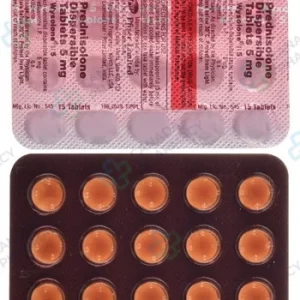
Prednisolone
Price range: $ 40,00 through $ 210,00
Active substance: prednisolone
More Details
This product has multiple variants. The options may be chosen on the product page