

-58%Sold out
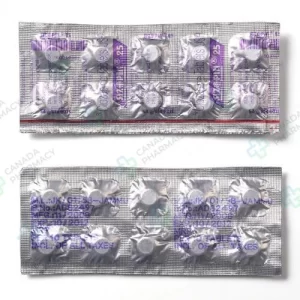
Clozaril
Price range: $ 45,00 through $ 129,00
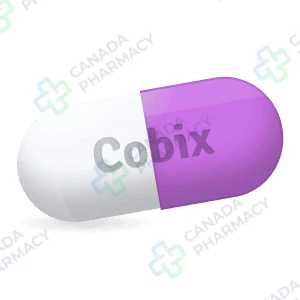
Cobix
Price range: $ 11,00 through $ 28,00
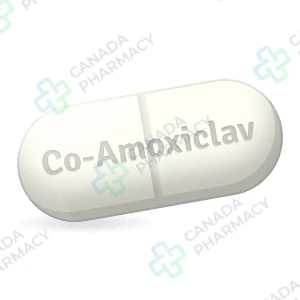
Co-Amoxiclav
Price range: $ 52,00 through $ 396,00
Co-Amoxiclav is a potent combination antibiotic designed to treat a wide range of bacterial infections effectively. By combining amoxicillin with clavulanate potassium, this medication overcomes bacterial resistance to ensure thorough treatment. It is frequently used to address common conditions such as sinusitis, pneumonia, and middle ear infections. Additionally, it provides reliable relief for infections affecting the skin, urinary tract, and soft tissues. This broad-spectrum antibiotic works quickly to eliminate harmful bacteria and support a fast recovery.
Active substance: amoxicillin, Clavulanic acid
Delivery: 5–21 days (depending on the shipping method)
Extra 10% discount with coupon: IT4K6SVM
Each dosage option has its own packaging choices.
Description
Co-Amoxiclav belongs to the class of combination antibacterial agents comprising amoxicillin, a penicillin derivative, and clavulanate potassium, a beta-lactamase inhibitor. In the United States, this prescription medication is regulated by the Food and Drug Administration (FDA) for treating specific bacterial infections in adult and pediatric patients.
The inclusion of clavulanic acid prevents bacterial inactivation of amoxicillin, thereby extending its antibacterial spectrum against beta-lactamase-producing organisms. Proper medical evaluation and a valid prescription from a licensed healthcare provider are required prior to treatment initiation to ensure susceptibility of the underlying pathogen.
| Parameter | Specification |
|---|---|
| Active ingredient (INN) | Amoxicillin / Clavulanic acid (as clavulanate potassium) |
| Therapeutic class | Aminopenicillin and beta-lactamase inhibitor combination |
| Dosage forms | Oral tablet, chewable tablet, oral suspension |
| Route of administration | Oral |
| Prescription status | Prescription (Rx only) |
| Primary purpose | Treatment of susceptible bacterial infections |
How the drug works
Amoxicillin is an aminopenicillin that exerts bactericidal activity by binding to penicillin-binding proteins (PBPs) located on the inner membrane of the bacterial cell wall. This binding inhibits the final transpeptidation step of peptidoglycan synthesis, leading to cell wall destabilization and subsequent osmotic lysis of the bacterium. However, many pathogen strains produce beta-lactamase enzymes capable of hydrolyzing the beta-lactam ring of amoxicillin, rendering the monotherapy ineffective.
Clavulanate potassium functions as a irreversible “suicide” inhibitor of these beta-lactamase enzymes. By binding to the active site of TEM, SHV, and plasmid-mediated beta-lactamases, clavulanic acid prevents the degradation of amoxicillin. This synergistic interaction restores amoxicillin’s activity against beta-lactamase-producing bacterial species, including Haemophilus influenzae, Moraxella catarrhalis, and specific strains of Staphylococcus aureus.
Main uses
Co-Amoxiclav is indicated for the treatment of lower respiratory tract infections, including community-acquired pneumonia and acute bacterial exacerbations of chronic bronchitis caused by susceptible beta-lactamase-producing isolates. It is also FDA-approved for acute bacterial rhinosinusitis and acute otitis media when resistance to standard amoxicillin is suspected or demonstrated.
Additionally, the combination is prescribed for skin and skin structure infections, such as human or animal bite wounds and severe cellulitis, as well as complicated urinary tract infections, including pyelonephritis. Prescribing decisions should be guided by local microbiological susceptibility patterns and clinical guidelines. Off-label administration for unapproved indications must be explicitly designated by a physician and evaluated based on evidence-based infectious disease standards.
What happens in the body
Both amoxicillin and clavulanate potassium are rapidly absorbed from the gastrointestinal tract following oral administration. Peak plasma concentrations of both active components are generally achieved within 1 to 2 hours after ingestion. Co-administration with food enhances the gastrointestinal absorption of clavulanate potassium while reducing the incidence of gastrointestinal side effects.
Amoxicillin and clavulanic acid diffuse readily into most body tissues and fluids, including lungs, middle ear secretions, sinus mucosa, and peritoneal fluid. Penetration into the cerebrospinal fluid is low unless meninges are inflamed. The elimination half-life for both components is approximately 1 hour in individuals with normal renal clearance. Primary elimination occurs via the kidneys through glomerular filtration and tubular secretion, which necessitates dosage adjustment in patients with moderate-to-severe renal impairment.
Dosing schedule
Dosage regimens of Co-Amoxiclav depend on the severity of the infection, site of involvement, patient age, body weight, and renal function. For adult patients, typical oral formulations include 500 mg/125 mg or 875 mg/125 mg tablets administered every 8 to 12 hours as directed by the prescriber.
In pediatric populations, dosing is calculated based on body weight (mg/kg/day) using oral liquid suspensions. Tablets containing different ratios of amoxicillin to clavulanate are not interchangeable; for example, two 250 mg/125 mg tablets do not equal one 500 mg/125 mg tablet due to the fixed dose of clavulanic acid. Patients must complete the full prescribed course of therapy even if clinical improvement occurs early, as premature discontinuation can select for resistant bacterial strains.
Adverse reactions
The most frequently reported adverse reactions associated with Co-Amoxiclav affect the gastrointestinal tract, including diarrhea, nausea, vomiting, abdominal pain, and dyspepsia. Clavulanate potassium increases gastrointestinal motility, contributing to a higher incidence of loose stools compared to amoxicillin monotherapy.
Hypersensitivity reactions may manifest as maculopapular rash, pruritus, or urticaria, particularly in patients with a history of penicillin allergy. Hepatic adverse events, such as transient elevations in serum transaminases and cholestatic jaundice, have been observed; these reactions occur more frequently in elderly patients or during prolonged courses of treatment. Superinfections with fungal pathogens, such as oral or vulvovaginal candidiasis, may also develop due to alteration of natural microbial flora.
Compatibility with other medicines
Co-Amoxiclav exhibits several clinically significant drug interactions. Concomitant administration with oral anticoagulants, such as warfarin, may prolong prothrombin time and elevate the International Normalized Ratio (INR), increasing the risk of bleeding. Clinical monitoring of coagulation parameters is recommended when these agents are used concurrently.
Co-administration of allopurinol significantly increases the incidence of skin rashes in patients receiving amoxicillin. Probenecid decreases the renal tubular secretion of amoxicillin, resulting in increased and prolonged blood levels of amoxicillin, whereas clavulanic acid pharmacokinetics remain largely unchanged. Furthermore, broad-spectrum oral antibiotics may transiently reduce the efficacy of oral estrogen-containing contraceptives by altering intestinal flora responsible for steroid reabsorption.
Before you take it
Prior to prescribing Co-Amoxiclav, healthcare providers should conduct a thorough inquiry regarding previous hypersensitivity reactions to penicillins, cephalosporins, or other beta-lactam agents. Serious and occasionally fatal anaphylactic reactions have occurred in patients undergoing beta-lactam therapy. This medication is contraindicated in individuals with a documented history of amoxicillin/clavulanate-associated cholestatic jaundice or hepatic dysfunction.
Caution should be exercised when administering the drug to patients with infectious mononucleosis, as a high percentage of these individuals develop a generalized erythematous rash when exposed to amoxicillin. Clostridioides difficile-associated diarrhea (CDAD) has been reported with almost all antibacterial agents and can range in severity from mild diarrhea to fatal colitis; evaluation is necessary if severe diarrhea occurs during or after treatment.
Red flags
Patients must seek emergency medical intervention immediately if signs of a severe allergic reaction develop, such as facial swelling, swelling of the tongue or throat, hives, or difficulty breathing. Rapidly spreading skin rash accompanied by blistering or skin peeling requires urgent clinical evaluation.
Immediate medical attention is also required if a patient experiences persistent watery or bloody diarrhea, severe abdominal cramping, dark urine, pale stools, or yellowing of the skin and eyes (jaundice). These manifestations may indicate severe intestinal inflammation or drug-induced liver injury requiring prompt discontinuation of therapy and supportive management.
What to avoid while taking it
Co-Amoxiclav should ideally be administered at the start of a meal to enhance absorption of the clavulanate component and minimize gastrointestinal distress. While ethanol does not directly interact with amoxicillin or clavulanic acid to produce acute toxicity, alcohol consumption can aggravate gastrointestinal side effects such as nausea, abdominal discomfort, and dizziness.
Additionally, alcohol intake can lead to dehydration and interfere with the immune system’s response to infection. Patients are generally advised to avoid or strictly limit alcohol consumption until the infection has resolved and the course of antibiotic therapy is complete.
Special populations
In pregnant women, Co-Amoxiclav is categorized under FDA Pregnancy Category B; available human data have not shown a clear link to major birth defects, but administration should occur only when clearly indicated. Amoxicillin and clavulanic acid are excreted in human milk in small quantities, which may lead to infant sensitization or alterations in infant bowel flora.
Pediatric dosing requires accurate weight-based calculations and the use of age-appropriate oral suspensions. In geriatric patients, renal clearance may be diminished; monitoring of renal function and dosage adjustments are recommended to account for age-related declines in kidney function.
If you skip a dose
If a dose of Co-Amoxiclav is missed, it should be taken as soon as the patient remembers, unless it is nearly time for the next scheduled dose. In that scenario, the missed dose should be omitted, and the regular dosing schedule resumed.
Patients must never take two doses simultaneously or increase the dose size to make up for a missed administration. Maintaining stable drug concentrations in the body is important for therapeutic efficacy, so doses should be spread evenly throughout the day as originally prescribed.
Common questions
Why is it recommended to take Co-Amoxiclav at the start of a meal?
Taking Co-Amoxiclav at the beginning of a meal optimizes the pharmacokinetic profile of clavulanate potassium, ensuring maximal absorption into the bloodstream. In addition, food buffers the gastric mucosa, which significantly decreases gastrointestinal adverse effects such as nausea, vomiting, and abdominal pain. Taking the dose on an empty stomach increases the likelihood of stomach upset.
What should be done if diarrhea occurs during treatment?
Mild diarrhea can occur as a common gastrointestinal side effect due to alterations in intestinal microflora. However, if diarrhea becomes severe, watery, or bloody, or is accompanied by fever and severe abdominal cramps, the patient should contact their prescriber immediately. Antidiarrheal medications containing diphenoxylate or loperamide should not be used without medical consultation, as they may delay the clearance of toxins produced by Clostridioides difficile.
Can Co-Amoxiclav therapy be stopped early if symptoms disappear?
Therapy should not be discontinued early simply because symptoms have resolved. Stopping an antibiotic prematurely can allow partially resistant bacteria to survive, leading to a relapse of the infection that may be harder to treat. The complete course prescribed by the healthcare provider must be finished to ensure eradication of the pathogen.
How does underlying renal impairment affect Co-Amoxiclav dosing?
Because amoxicillin and clavulanic acid are primarily eliminated by renal excretion, reduced kidney function leads to drug accumulation and an increased risk of toxicity. In patients with significant renal impairment, prescribers adjust the dosage or increase the dosing interval based on calculated creatinine clearance values. High-dose formulations (such as 875 mg tablets) are not recommended in patients with severe renal impairment.
Is it safe to substitute two 250 mg tablets for one 500 mg tablet?
No, substituting two 250 mg Co-Amoxiclav tablets for one 500 mg tablet is not appropriate. Formulations contain different ratios of amoxicillin to clavulanate potassium; two 250 mg/125 mg tablets contain twice the amount of clavulanic acid (250 mg total) compared to one 500 mg/125 mg tablet (125 mg total). Excess clavulanate potassium significantly increases the risk and severity of gastrointestinal side effects such as severe diarrhea.
In accordance with FDA requirements.
This material is educational. Only a licensed prescriber can determine whether a medication is appropriate for you.
Additional information
| Dosage |
500mg+125mg |
|---|---|
| Package |
20 pills ,30 pills ,60 pills ,90 pills ,120 pills ,180 pills ,270 pills ,360 pills |
| Ενεργός Ουσία | , |
Related products
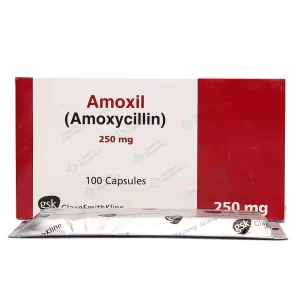
Amoxil
Price range: $ 40,00 through $ 170,00
Active substance: amoxicillin
More Details
This product has multiple variants. The options may be chosen on the product page
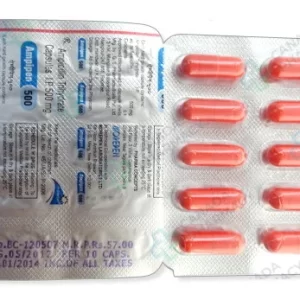
Ampicillin
Price range: $ 40,00 through $ 140,00
Active substance: acillin
More Details
This product has multiple variants. The options may be chosen on the product page
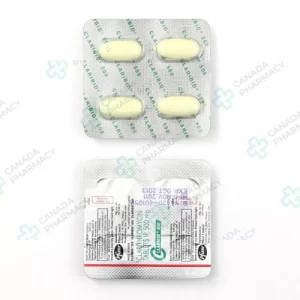
Biaxin
Price range: $ 107,00 through $ 427,00
Active substance: Clarithromycin
More Details
This product has multiple variants. The options may be chosen on the product page
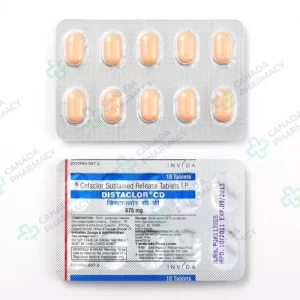
Ceclor CD
Price range: $ 53,00 through $ 154,00
Active substance: Cefaclor
More Details
This product has multiple variants. The options may be chosen on the product page
Cefixime
Price range: $ 101,00 through $ 509,00
Active substance: cefixime
More Details
This product has multiple variants. The options may be chosen on the product page

Cenmox
$ 51,00
Active substance: amoxicillin
More Details
This product has multiple variants. The options may be chosen on the product page
Cephalexin
Price range: $ 39,00 through $ 349,00
Active substance: cephalexin
More Details
This product has multiple variants. The options may be chosen on the product page
Cepmox
Price range: $ 41,00 through $ 115,00
Active substance: amoxicillin
More Details
This product has multiple variants. The options may be chosen on the product page