

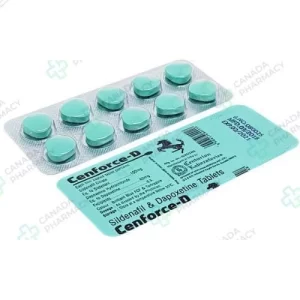
Cenforce-D
Price range: $ 41,00 through $ 792,00

Cephadex
Price range: $ 16,00 through $ 48,00
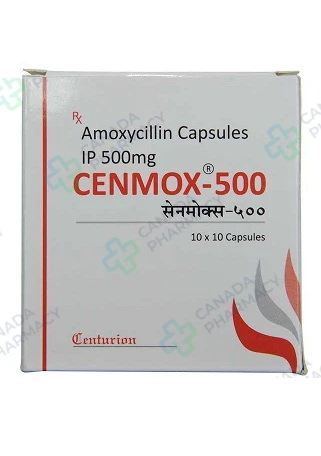
Cenmox
$ 51,00
Cenmox is a highly effective broad-spectrum antibiotic belonging to the penicillin group, designed to combat a wide range of bacterial infections. It works by inhibiting the growth of bacteria, helping the body’s immune system clear the infection more efficiently. This medication is commonly used to treat conditions such as tonsillitis, bronchitis, pneumonia, and infections of the ear, nose, or throat. It is also effective in managing urinary tract infections and various bacterial skin conditions to promote a fast recovery. Cenmox provides a reliable solution for restoring health by targeting the underlying cause of bacterial illness.
Active substance: amoxicillin
Delivery: 5–21 days (depending on the shipping method)
Extra 10% discount with coupon: IT4K6SVM
Each dosage option has its own packaging choices.
Description
Cenmox belongs to a group of antibacterial medicines known as aminopenicillins, which are widely prescribed to treat a variety of bacterial infections. This medication contains amoxicillin as its active ingredient, formulated to inhibit the growth of susceptible microorganisms. In the United States, Cenmox is available by prescription only and must be dispensed in accordance with federal and state regulations.
Proper use of this antibacterial agent requires accurate diagnosis by a qualified practitioner, as it is ineffective against viral conditions such as the common cold or influenza. Patients should follow prescribed administration protocols to ensure therapeutic efficacy and minimize the risk of antimicrobial resistance.
| Parameter | Details |
|---|---|
| Active ingredient (INN) | Amoxicillin |
| Therapeutic class | Aminopenicillin antibiotic |
| Dosage form | Oral capsule / Oral suspension / Oral tablet |
| Route of administration | Oral |
| Primary purpose | Treatment of susceptible bacterial infections |
| Prescription status | Prescription (Rx) only |
Clinical Overview and Pharmacologic Profile
How the drug works
Amoxicillin is a bactericidal beta-lactam antibiotic. It works by binding to specific penicillin-binding proteins (PBPs) located inside the bacterial cell wall. This binding inhibits the final transpeptidation step of peptidoglycan synthesis, which is essential for maintaining cell wall structural integrity. Consequently, the bacterial cell wall weakens, leading to cell lysis and bacterial death. Cenmox exhibits activity against a broad range of Gram-positive and select Gram-negative bacteria. However, it is susceptible to degradation by beta-lactamase enzymes produced by resistant bacterial strains.
Main uses
Cenmox is indicated for the treatment of mild to moderate bacterial infections caused by susceptible pathogens. Approved FDA indications include upper respiratory tract infections such as acute otitis media, acute bacterial sinusitis, and pharyngitis or tonsillitis caused by Streptococcus pyogenes. It is also indicated for lower respiratory tract infections, including acute exacerbations of chronic bronchitis and community-acquired pneumonia. Additional indications include uncomplicated genitourinary tract infections, skin and skin structure infections, and combination therapy regimens for Helicobacter pylori eradication in peptic ulcer disease. Any off-label application, such as endocarditis prophylaxis prior to dental procedures, must be explicitly determined by a licensed practitioner.
What happens in the body
Following oral administration, amoxicillin is rapidly absorbed from the gastrointestinal tract and demonstrates stability in gastric acid. Peak serum concentrations are generally achieved within 1 to 2 hours post-ingestion. The active substance diffuses readily into most body tissues and fluids, including middle ear fluid, bronchial secretions, and pleural fluid, though penetration into cerebrospinal fluid remains minimal unless meninges are inflamed. The elimination half-life of amoxicillin in adult patients with normal renal function ranges from 1 to 1.5 hours. Excretion occurs predominantly via the kidneys through tubular secretion and glomerular filtration, yielding high urinary concentrations of unchanged drug.
Dosing schedule
The exact dosage, frequency, and duration of therapy with Cenmox are established by the treating provider, taking into account infection site, severity, age, body weight, and renal status. In adults and pediatric patients weighing 40 kg or more, standard dosing regimens range from 250 mg to 500 mg every 8 hours, or 500 mg to 875 mg every 12 hours. Pediatric dosing is calculated individually based on body weight in milligrams per kilogram. Completing the entire course of therapy as prescribed is mandatory, even if clinical symptoms resolve prematurely, to prevent treatment failure and bacterial resistance.
Patient Guidance and Safety
Compatibility with other medicines
Concurrent administration of Cenmox with probenecid decreases the renal tubular secretion of amoxicillin, resulting in elevated and prolonged antibiotic plasma levels. Co-administration with allopurinol increases the frequency of cutaneous rashes compared to amoxicillin monotherapy. Like other broad-spectrum oral antibiotics, Cenmox may disrupt gut flora, potentially reducing the reabsorption of ethinyl estradiol and lowering the reliability of combined oral contraceptives. Concurrent use of oral anticoagulants such as warfarin may prolong prothrombin time, necessitating regular INR monitoring. Methotrexate clearance may also be reduced, requiring clinical vigilance.
Adverse reactions
Cenmox is generally well tolerated, but adverse effects may occur in some individuals. The most frequently observed reactions affect the gastrointestinal system, including diarrhea, nausea, vomiting, and abdominal distress. Hypersensitivity reactions may manifest as erythematous maculopapular rash, pruritus, or urticaria. Severe allergic responses, including anaphylaxis, angioedema, and severe cutaneous adverse reactions, are rare but constitute medical emergencies. Treatment with broad-spectrum antibiotics can alter normal colon flora, leading to Clostridioides difficile-associated diarrhea or secondary fungal superinfections such as oral or vaginal candidiasis.
Important precautions
Prior to initiating Cenmox therapy, a thorough medical history regarding prior hypersensitivity reactions to penicillins, cephalosporins, or other beta-lactam agents must be conducted. Patients with infectious mononucleosis are at an elevated risk of developing a non-allergic erythematous skin rash when taking amoxicillin and should avoid its use. Dose adjustment is required for patients with severe renal impairment (creatinine clearance below 30 mL/min). Periodic assessment of renal, hepatic, and hematopoietic functions is advisable during prolonged therapeutic courses.
Food and alcohol interactions
The oral absorption of amoxicillin is not significantly altered by food intake; therefore, Cenmox may be taken without regard to meals. Taking the dose with meals or snacks may assist in minimizing potential gastrointestinal discomfort, such as mild nausea. Although ethanol does not directly interact with amoxicillin pharmacokinetics, alcohol consumption during active infection can cause systemic dehydration, gastrointestinal irritation, and immune suppression. Patients are advised to refrain from or limit alcohol intake until full recovery.
If you skip a dose
If a dose of Cenmox is missed, it should be taken as soon as it is remembered. However, if it is nearly time for the next scheduled dose, the missed dose should be omitted, and the standard administration schedule resumed. Patients should not double the dose to compensate for a missed capsule or tablet. Maintaining consistent dosing intervals helps maintain adequate bactericidal drug levels in blood and infected tissues.
Pregnancy, breastfeeding, and other groups
Amoxicillin is classified under Pregnancy Category B according to historical FDA safety ratings. Animal reproduction studies and clinical observation data have shown no evidence of teratogenicity or fetal harm. It should be used during pregnancy only if clearly indicated by a healthcare provider. Amoxicillin is excreted in small amounts in human milk; while considered compatible with breastfeeding, breastfed infants should be observed for signs of altered intestinal flora, such as diarrhea or diaper dermatitis. Elderly patients should be dosed cautiously due to the increased frequency of decreased renal function.
Storage and expiration
Cenmox solid oral dosage forms (capsules and tablets) should be stored at controlled room temperature between 20°C and 25°C (68°F to 77°F), protected from excessive heat, moisture, and direct light exposure. Reconstituted oral suspensions should ideally be kept under refrigeration between 2°C and 8°C (36°F to 46°F) and must be discarded after 14 days, according to product specifications. Store all medications safely out of reach of children. Do not use after the expiration date printed on the packaging.
Common Questions
How long does it take for Cenmox to show therapeutic effect?
Clinical improvement in symptoms typically begins within 48 to 72 hours after starting treatment. However, it is essential to complete the full course as directed by the prescriber to ensure complete eradication of the infection.
Can Cenmox cause a secondary yeast infection?
Yes. Broad-spectrum antibiotics like amoxicillin alter normal bacterial populations in the body, which can allow opportunistic fungi to grow. This may lead to conditions such as oral thrush or vaginal candidiasis.
What should be done if severe diarrhea occurs during treatment?
If severe, watery, or bloody diarrhea develops during or weeks after stopping Cenmox, contact a physician promptly. This may indicate Clostridioides difficile colitis, which requires specific evaluation and alternative management.
Is it safe to drive while taking Cenmox?
Cenmox generally does not affect mental alertness or motor skills. However, if an individual experiences uncommon side effects such as dizziness or hypersensitivity signs, they should refrain from driving until symptoms resolve.
What happens if the medication is stopped early once symptoms resolve?
Discontinuing antibiotic therapy prematurely can allow surviving bacteria to multiply, causing a relapse of the infection. It also increases the probability of developing antibiotic-resistant bacterial strains.
In accordance with FDA requirements.
This text is for informational purposes only and does not constitute individual medical advice.
Additional information
| Dosage |
500 mg |
|---|---|
| Package |
30 caps |
| Ενεργός Ουσία |
Related products

Azee DT
Price range: $ 20,00 through $ 42,00
Active substance: Azithromycin
More Details
This product has multiple variants. The options may be chosen on the product page

Azipro
Price range: $ 90,00 through $ 680,00
Active substance: Azithromycin
More Details
This product has multiple variants. The options may be chosen on the product page

Bactrim
Price range: $ 41,00 through $ 196,00
Active substance: sulfamethoxazole, trimethoprim
More Details
This product has multiple variants. The options may be chosen on the product page

Baycip
Price range: $ 42,00 through $ 113,00
Active substance: Ciprofloxacin
More Details
This product has multiple variants. The options may be chosen on the product page

Ceclor CD
Price range: $ 53,00 through $ 154,00
Active substance: Cefaclor
More Details
This product has multiple variants. The options may be chosen on the product page
Cefixime
Price range: $ 101,00 through $ 509,00
Active substance: cefixime
More Details
This product has multiple variants. The options may be chosen on the product page
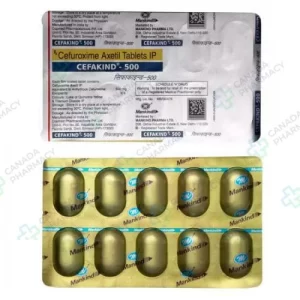
Ceftin
Price range: $ 38,00 through $ 386,00
Active substance: Cefuroxime
More Details
This product has multiple variants. The options may be chosen on the product page

Chloramphenicol
Price range: $ 56,00 through $ 260,00
Active substance: chloramphenicol
More Details
This product has multiple variants. The options may be chosen on the product page