

-25%

Naltrexone
Price range: $ 214,00 through $ 595,00
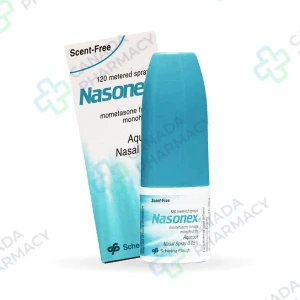
Nasonex nasal spray
Price range: $ 62,00 through $ 276,00
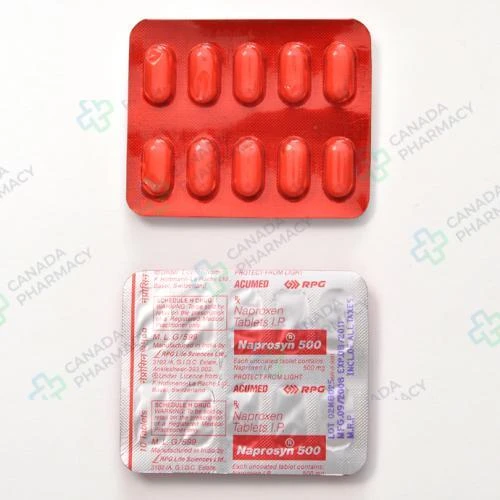
Naprosyn
Price range: $ 56,00 through $ 260,00
Naprosyn is a powerful nonsteroidal anti-inflammatory drug designed to provide effective relief from pain and inflammation. It is commonly used to manage symptoms associated with various types of arthritis, including osteoarthritis and rheumatoid arthritis. This medication helps reduce swelling and joint stiffness, allowing for improved physical mobility and daily comfort. In addition to musculoskeletal issues, Naprosyn effectively treats acute pain from conditions such as tendonitis and bursitis. Its long-lasting formula offers reliable support for those suffering from menstrual cramps and general body aches.
Active substance: naproxen
Delivery: 5–21 days (depending on the shipping method)
Extra 10% discount with coupon: IT4K6SVM
Each dosage option has its own packaging choices.
Description
Naprosyn belongs to a class of medications known as nonsteroidal anti-inflammatory drugs (NSAIDs). It is prescribed by healthcare providers to manage pain, inflammation, swelling, and stiffness associated with various acute and chronic musculoskeletal and inflammatory disorders. In the United States, Naprosyn is classified as a prescription medication (Rx) and must be dispensed in accordance with applicable federal and state regulations.
The active pharmacological ingredient in Naprosyn is naproxen, which acts centrally and peripherally to inhibit pathways responsible for inflammatory mediators. Proper utilization of this therapeutic agent requires strict adherence to individualized dosing regimens established by a licensed prescriber to achieve therapeutic efficacy while minimizing potential adverse drug reactions.
Overview and Pharmacological Profile
| Attribute | Specification |
|---|---|
| Active ingredient (INN) | Naproxen |
| Therapeutic class | Nonsteroidal Anti-inflammatory Drug (NSAID) |
| Dosage form | Oral tablets, delayed-release tablets, oral suspension |
| Route of administration | Oral |
| Prescription status | Prescription only (Rx) |
| Primary purpose | Relief of pain, inflammation, and joint stiffness |
Core Clinical Profile
How the drug works
The mechanism of action of Naprosyn is primarily attributed to the inhibition of cyclooxygenase (COX) enzymes, specifically COX-1 and COX-2. These enzymes catalyze the conversion of arachidonic acid to prostaglandins, which are key chemical mediators of tissue inflammation, pain signaling, and pyrexia. By decreasing prostaglandin synthesis throughout systemic tissues, naproxen effectively reduces localized tissue swelling, joint tenderness, and nociceptive pain transmission. In addition to its anti-inflammatory properties, the inhibition of COX-1 impairs platelet aggregation, though this effect is reversible upon elimination of the drug from systemic circulation.
What it’s used for
Naprosyn is indicated for the symptomatic treatment of several chronic rheumatic conditions, including osteoarthritis, rheumatoid arthritis, ankylosing spondylitis, and polyarticular juvenile idiopathic arthritis. It is also prescribed for the management of acute inflammatory conditions such as bursitis, tendinitis, and acute gouty arthritis. Furthermore, Naprosyn is utilized for the control of mild to moderate generalized pain and the treatment of primary dysmenorrhea. Any usage outside of these explicit FDA-approved indications is categorized as an off-label use and must be evaluated on an individual basis by a qualified healthcare professional.
How it’s absorbed and eliminated
Following oral administration, Naprosyn is rapidly and completely absorbed from the gastrointestinal tract. Peak plasma concentration levels are typically attained within 2 to 4 hours post-ingestion for immediate-release formulations. Naproxen exhibits extensive binding to human serum albumin (>99%) at therapeutic plasma levels. The steady-state plasma concentration is achieved after 4 to 5 doses within a 48-hour period. The elimination half-life of naproxen ranges from 12 to 17 hours, allowing for twice-daily dosing schedules in most clinical scenarios. Metabolism occurs predominantly in the liver via CYP2C9 and CYP1A2 pathways into inactive metabolites. Approximately 95% of the administered dose is excreted in the urine as unchanged naproxen, 6-O-desmethylnaproxen, or their conjugate forms.
Administration, Safety, and Precautions
Dosing and Daily Guidelines
Dosing schedule
Prescription dosing regimens for Naprosyn are customized based on the patient’s underlying condition, clinical response, and baseline renal and hepatic function. Clinical guidelines recommend initiating therapy at the lowest effective dosage for the shortest duration consistent with individual treatment goals. Oral tablets should be taken with a full glass of water. Delayed-release formulations (such as EC-Naprosyn) must be swallowed whole and should not be crushed, chewed, or split, as altering the coating affects the drug’s enteric release profile. Patients prescribed the oral suspension should use an accurate volumetric measuring device rather than a standard household spoon.
Food and alcohol interactions
Administration of Naprosyn alongside food or milk may help reduce the incidence of gastrointestinal stomach upset or dyspepsia, although food may slightly delay the rate of gastrointestinal absorption without altering the total extent of absorption. Concomitant consumption of alcoholic beverages must be avoided during therapy. Ethanol co-ingestion significantly increases the risk of upper gastrointestinal mucosal irritation, erosion, ulceration, and gastrointestinal bleeding.
If you skip a dose
If a scheduled dose of Naprosyn is omitted, it should be administered as soon as it is remembered. However, if the time of memory coincides closely with the scheduled time for the subsequent dose, the missed dose should be skipped entirely. Patients must resume their regular dosing schedule without doubling the dose to make up for a missed tablet, as increasing peak plasma concentrations heightens the probability of adverse toxicity.
Storage and expiration
Naprosyn preparations should be stored at controlled room temperature, ideally between 20°C and 25°C (68°F to 77°F), with temporary excursions permitted between 15°C and 30°C (59°F and 86°F). The medication must be kept in a tightly closed container protected from light and excessive moisture. Unused or expired medications should not be disposed of via household wastewater; patients should utilize community drug take-back programs or consult local pharmacy guidelines for safe disposal methods.
Safety and Risks
Adverse reactions
The administration of Naprosyn can lead to adverse effects across multiple organ systems. Common side effects include gastrointestinal distress, heartburn, abdominal discomfort, nausea, constipation, headache, dizziness, and somnolence. Severe adverse reactions include gastrointestinal ulceration, intestinal perforation, overt bleeding, hepatic enzyme elevations, renal papillary necrosis, interstitial nephritis, hyperkalemia, fluid retention, severe dermatologic reactions (such as Stevens-Johnson syndrome), and hematologic alterations including anemia and leukopenia.
Compatibility with other medicines
Naprosyn demonstrates clinically significant pharmacodynamic and pharmacokinetic interactions with several drug classes. Co-administration with anticoagulants (such as warfarin) or antiplatelet agents (including low-dose aspirin) increases the risk of severe gastrointestinal and systemic hemorrhage. Concomitant use with angiotensin-converting enzyme (ACE) inhibitors, angiotensin receptor blockers (ARBs), or beta-blockers may diminish the antihypertensive efficacy of these cardiovascular agents. Combining Naprosyn with loop or thiazide diuretics can impair diuretic and natriuretic actions while elevating the risk of acute renal dysfunction. Furthermore, Naprosyn can increase serum lithium levels and reduce the renal clearance of methotrexate, potentially precipitating toxicities of these agents.
Important precautions
Naprosyn carries federal boxed warnings highlighting serious cardiovascular and gastrointestinal risks. Nonsteroidal anti-inflammatory drugs increase the incidence of serious cardiovascular thrombotic events, myocardial infarction, and stroke, which can be fatal. This risk may occur early in treatment and increases with duration of use. Naprosyn is contraindicated for peri-operative pain management in the setting of coronary artery bypass graft (CABG) surgery. Additionally, NSAIDs cause an elevated risk of serious gastrointestinal adverse events including bleeding, ulceration, and perforation of the stomach or intestines. Use in pregnancy starting at 20 weeks gestation or later should be avoided due to the risk of fetal renal dysfunction causing oligohydramnios and premature closure of the fetal ductus arteriosus. Patients with severe heart failure, advanced renal disease, or pre-existing hepatic impairment require strict monitoring or alternative therapeutic strategies.
Red flags
Patients should discontinue Naprosyn immediately and obtain emergency medical assistance upon noticing any of the following critical manifestations:
- Swelling of the face, lips, tongue, or throat, or difficulty breathing (signs of severe anaphylaxis)
- Black, tarry, or bloody stools, or vomiting material resembling coffee grounds
- Chest pain, shortness of breath, sudden weakness on one side of the body, or slurred speech
- Severe cutaneous reactions, including skin rash, blistering, or skin peeling with fever
- Yellowing of the skin or eyes (jaundice) accompanied by severe upper right abdominal pain
- Significant reduction in urinary volume, dark urine, or pronounced leg swelling
Common Questions
How does prescription Naprosyn differ from over-the-counter naproxen products?
Prescription Naprosyn contains higher single-dose strengths (such as 375 mg or 500 mg) and specialized delayed-release formulations compared to low-dose over-the-counter naproxen products (220 mg). Prescription formulations are intended for specific diagnosed medical conditions and require ongoing medical monitoring, whereas lower-strength over-the-counter naproxen is intended for short-term self-management of minor aches and pain.
Is it normal to experience stomach discomfort while taking Naprosyn?
Mild stomach upset can occur as a result of COX-1 inhibition in the gastric mucosa, which reduces protective stomach mucus production. Taking the medication with food, milk, or an antacid may help alleviate minor symptoms. However, persistent, severe, or worsening stomach pain should be evaluated by a healthcare professional immediately to rule out mucosal ulceration.
Can Naprosyn influence blood pressure readings?
Yes, Naprosyn can cause fluid retention and alter renal hemodynamics, which may lead to the onset of new hypertension or the aggravation of pre-existing high blood pressure. Patients undergoing long-term therapy should have their blood pressure monitored regularly, particularly those taking concurrent antihypertensive medications.
What considerations apply to older adults taking Naprosyn?
Elderly individuals are at a heightened risk for severe gastrointestinal, cardiovascular, and renal adverse reactions associated with NSAID therapy. Spontaneous fatal gastrointestinal events and acute kidney injury occur more frequently in elderly populations. Consequently, prescribers generally initiate therapy at the lower end of the dosing range and monitor renal function and blood counts continuously.
How long does it take for Naprosyn to demonstrate full therapeutic efficacy for arthritis?
While pain relief may begin within hours of the initial dose, full anti-inflammatory benefits for chronic conditions like rheumatoid arthritis or osteoarthritis may require up to two weeks of consistent daily administration as prescribed. Patients should not alter their dosage independently if immediate anti-inflammatory benefits are not observed after the first few doses.
In accordance with FDA standards and federal regulations, this material is provided for reference only.
Disclaimer: This text is for informational purposes only and does not constitute individual medical advice.
Additional information
| Dosage |
250mg ,500mg |
|---|---|
| Package |
60 pills ,90 pills ,120 pills ,180 pills ,270 pills ,360 pills |
| Ενεργός Ουσία |
Related products
Cartidin
Price range: $ 65,00 through $ 278,00
Active substance: Diacerein
More Details
This product has multiple variants. The options may be chosen on the product page
Cobix
Price range: $ 11,00 through $ 28,00
Active substance: Celecoxib
More Details
This product has multiple variants. The options may be chosen on the product page
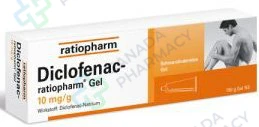
Diclofenac Gel
Price range: $ 39,00 through $ 73,00
Active substance: diclofenac
More Details
This product has multiple variants. The options may be chosen on the product page
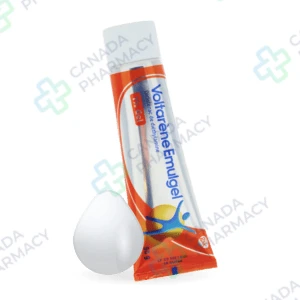
Emulgel
Price range: $ 51,00 through $ 323,00
Active substance: diclofenac
More Details
This product has multiple variants. The options may be chosen on the product page
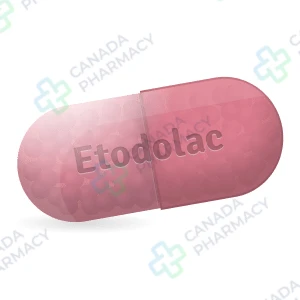
Etodolac
Price range: $ 46,00 through $ 390,00
Active substance: Etodolac
More Details
This product has multiple variants. The options may be chosen on the product page
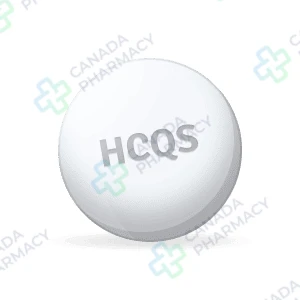
Hydroxychloroquine
Price range: $ 50,00 through $ 1 450,00
Active substance: Hydroxychloroquine
More Details
This product has multiple variants. The options may be chosen on the product page

Motrin
Price range: $ 9,00 through $ 278,00
Active substance: ibuprofen
More Details
This product has multiple variants. The options may be chosen on the product page
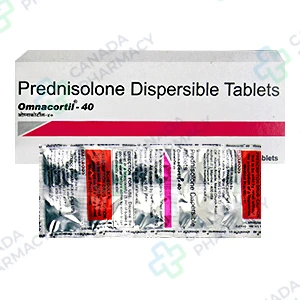
Omnacortil
Price range: $ 51,00 through $ 210,00
Active substance: prednisolone
More Details
This product has multiple variants. The options may be chosen on the product page