

-54%
Ceftin
Price range: $ 38,00 through $ 386,00
Celexa
Price range: $ 7,00 through $ 193,00
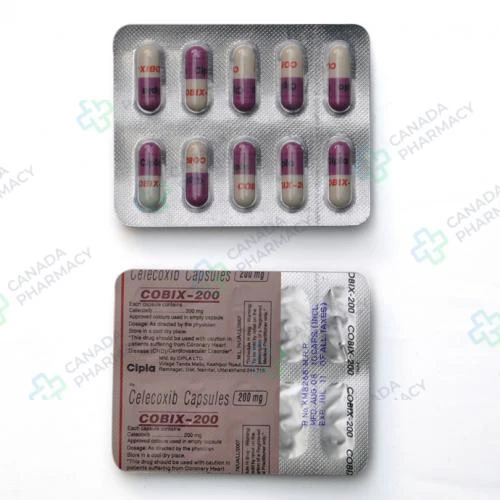
Celebrex
Price range: $ 42,00 through $ 232,00
Celebrex is a potent nonsteroidal anti-inflammatory drug (NSAID) specifically designed to treat pain and inflammation. It is widely used to manage the symptoms of osteoarthritis, rheumatoid arthritis, and ankylosing spondylitis. By targeting the COX-2 enzyme, this medication helps reduce joint swelling and stiffness while improving overall physical function. It is also an effective solution for managing acute pain in adults and providing relief from various inflammatory conditions. This treatment allows individuals to maintain their daily routines and enjoy a more comfortable, active lifestyle.
Active substance: Celecoxib
Delivery: 5–21 days (depending on the shipping method)
Extra 10% discount with coupon: IT4K6SVM
Each dosage option has its own packaging choices.
Description
Celebrex belongs to a group of medicines called nonsteroidal anti-inflammatory drugs (NSAIDs), specifically functioning as a selective cyclooxygenase-2 (COX-2) inhibitor. It is an FDA-approved prescription medication indicated for managing pain, stiffness, and inflammation associated with various arthritic conditions and acute pain episodes.
As a prescription drug, Celebrex must be dispensed in accordance with applicable federal and state regulations upon receiving a valid prescription from a licensed healthcare provider. Understanding its pharmacological properties, proper dosing, and safety considerations ensures optimal therapeutic outcomes while minimizing risk.
| Property | Details |
|---|---|
| Drug Name | Celebrex |
| Active Ingredient | Celecoxib |
| Therapeutic Class | Selective COX-2 Inhibitor (NSAID) |
| Dosage Form | Oral capsule (50 mg, 100 mg, 200 mg, 400 mg) |
| Route of Administration | Oral |
| Prescription Status | Prescription (Rx) only |
Clinical and Pharmacological Overview
How the drug works
Celebrex exerts its therapeutic effect primarily through the selective inhibition of the cyclooxygenase-2 (COX-2) enzyme. Unlike non-selective nonsteroidal anti-inflammatory drugs that inhibit both COX-1 and COX-2 enzymes, celecoxib exhibits selective inhibition for COX-2 at therapeutic concentrations. The COX-2 enzyme is inducible and primarily responsible for synthesizing inflammatory prostaglandins that mediate pain, fever, and tissue inflammation. By selectively inhibiting COX-2, Celebrex reduces prostaglandin production at sites of inflammation without significantly suppressing COX-1 activity at standard therapeutic doses. COX-1 is involved in maintaining gastric mucosal integrity and platelet aggregation, though high therapeutic doses of selective inhibitors may still interact with physiological systemic pathways.
Main uses
Celebrex is FDA-approved for the relief of signs and symptoms of osteoarthritis, rheumatoid arthritis, and ankylosing spondylitis in adult patients. It is also indicated for the management of acute pain in adults and the treatment of primary dysmenorrhea. In pediatric care, Celebrex is approved for systemic symptom relief in juvenile rheumatoid arthritis (JRA) for patients aged 2 years and older. Off-label prescribing, such as off-label administration for specific chronic pain syndromes or post-operative analgesia protocols outside standard labeling, must only occur under the direct supervision of a licensed prescriber. Patients must use the lowest effective dose for the shortest duration consistent with individual treatment goals.
What happens in the body
Following oral administration, celecoxib is well absorbed from the gastrointestinal tract, reaching peak plasma concentrations (Cmax) approximately 3 hours post-dose under fasting conditions. Co-administration with a high-fat meal delays peak concentration by approximately 1 to 2 hours and increases total systemic absorption slightly. Celecoxib is extensively bound to human plasma proteins (approximately 97%), primarily to albumin. Metabolism occurs predominantly in the liver via the cytochrome P450 enzyme system, specifically the CYP2C9 isoenzyme, forming inactive metabolites. The terminal elimination half-life of celecoxib is approximately 11 hours under steady-state conditions. Excretion occurs mainly as metabolites through feces and urine, with less than 3% of the dose recovered as unchanged drug.
Compatibility with other medicines
Celebrex can interact with several classes of medications, altering their therapeutic efficacy or increasing adverse event risks. Concomitant use with oral anticoagulants, such as warfarin, or antiplatelet agents increases the risk of serious gastrointestinal bleeding and requires ongoing monitoring of prothrombin time (INR). Co-administration with angiotensin-converting enzyme (ACE) inhibitors, angiotensin receptor blockers (ARBs), or beta-blockers may reduce their antihypertensive effects and increase the risk of renal function deterioration. Moderate or potent CYP2C9 inhibitors, such as fluconazole, can significantly increase plasma celecoxib concentrations, requiring dose reductions. Additionally, Celebrex may increase serum lithium levels by reducing renal lithium clearance, necessitating monitoring of lithium concentrations.
Safety, Dosing, and Patient Guidance
Dosing schedule
Celebrex capsules are administered orally, with or without food. The dosage regimen depends on the specific medical condition being treated, patient response, and baseline cardiovascular and gastrointestinal risk profiles. For osteoarthritis, the standard recommended dose is 200 mg once daily or 100 mg twice daily. For rheumatoid arthritis, dosing ranges from 100 mg to 200 mg twice daily. For acute pain and primary dysmenorrhea, treatment generally initiates with a dose of 400 mg, followed by an optional 200 mg on the first day if needed, and subsequently 200 mg twice daily as necessary. For patients who experience difficulty swallowing capsules whole, capsule contents may be carefully sprinkled on a teaspoon of cool or room-temperature applesauce and consumed immediately with water.
Adverse reactions
The side effect profile of Celebrex includes both common mild reactions and serious systemic risks. Frequently reported side effects include abdominal pain, dyspepsia, diarrhea, flatulence, peripheral edema, dizziness, and upper respiratory tract symptoms. Severe adverse events include serious cardiovascular thrombotic events, myocardial infarction, and stroke, as well as severe gastrointestinal ulceration, perforation, and gastrointestinal bleeding. Renal side effects such as acute renal failure, interstitial nephritis, and fluid retention may occur, particularly in patients with baseline renal impairment or volume depletion. Rare hepatic events, severe dermatologic reactions such as Stevens-Johnson syndrome, and hypersensitivity reactions have also been documented.
Important precautions
Celebrex carries boxed warnings for serious cardiovascular and gastrointestinal risks. Nonsteroidal anti-inflammatory drugs cause an increased risk of serious cardiovascular thrombotic events, including myocardial infarction and stroke, which can be fatal. This risk may occur early in treatment and may increase with duration of use. Celebrex is strictly contraindicated in the setting of coronary artery bypass graft (CABG) surgery. Additionally, NSAIDs cause an increased risk of serious gastrointestinal adverse events, including bleeding, ulceration, and perforation of the stomach or intestines. Celebrex is contraindicated in patients with known hypersensitivity to celecoxib, sulfonamides, or those who have experienced asthma, urticaria, or allergic-type reactions after taking aspirin or other NSAIDs.
What to avoid while taking it
Celebrex may be taken with or without food; taking it with meals can help lessen gastrointestinal distress. Consuming alcohol while taking Celebrex should be minimized or avoided, as routine alcohol consumption increases the risk of gastric mucosal irritation and upper gastrointestinal bleeding. Patients should also avoid combining Celebrex with over-the-counter or prescription non-selective NSAIDs (such as ibuprofen or naproxen) without explicit medical advice, as this increases the likelihood of systemic toxicity without offering additional therapeutic benefits.
Special populations
Use of Celebrex during pregnancy is not recommended starting at 20 weeks of gestation, as NSAIDs can cause fetal renal dysfunction leading to oligohydramnios and premature closure of the ductus arteriosus. Caution is advised during breastfeeding because celecoxib is excreted in human milk. In elderly patients, initiation at the lowest recommended dose is advised due to a higher frequency of decreased hepatic, renal, or cardiac function. For patients with established moderate hepatic impairment (Child-Pugh Class B), the daily recommended dose should be reduced by approximately 50%.
Missed dose
If a dose of Celebrex is missed, it should be taken as soon as it is remembered. However, if it is almost time for the next scheduled dose, the missed dose should be skipped, and the regular schedule resumed. Patients should not double the dose or take extra medication to make up for a missed capsule.
Storage and expiration
Celebrex capsules should be stored at controlled room temperature, between 20°C to 25°C (68°F to 77°F), with excursions permitted between 15°C to 30°C (59°F to 86°F). Keep the container tightly closed and protected from excess moisture and heat. Keep out of reach of children and pets. Do not use after the expiration date printed on the original package.
Common questions
Can Celebrex be taken concurrently with low-dose aspirin?
Celebrex can be taken with low-dose aspirin prescribed for cardiovascular prophylaxis, but this combination increases the risk of gastrointestinal ulceration and bleeding compared to taking Celebrex alone. Celebrex is not a substitute for aspirin for cardiovascular disease prevention because it does not possess antiplatelet effects equivalent to aspirin. Patients taking both medications require careful monitoring by their healthcare provider.
How does Celebrex differ from traditional non-selective NSAIDs?
Traditional non-selective NSAIDs inhibit both COX-1 and COX-2 enzymes, whereas Celebrex selectively targets the COX-2 enzyme at therapeutic doses. COX-1 plays a protective role in the stomach lining and blood clotting, while COX-2 is primarily involved in inflammation and pain signaling. By selectively inhibiting COX-2, Celebrex is designed to target inflammation while causing fewer upper gastrointestinal ulcers than traditional non-selective NSAIDs, though serious gastrointestinal risks remain present.
What steps should be taken if gastrointestinal discomfort develops?
If mild stomach upset occurs, taking Celebrex with meals or milk may help alleviate symptoms. However, if severe abdominal pain, persistent indigestion, black or tarry stools, or vomiting of blood occurs, patients must stop taking the medication immediately and seek emergency medical evaluation. These symptoms may indicate gastrointestinal mucosal erosion, ulceration, or bleeding.
Why is Celebrex contraindicated during late pregnancy?
Celebrex should be avoided starting at 20 weeks of pregnancy because NSAIDs can cause fetal renal dysfunction, which may lead to low amniotic fluid levels (oligohydramnios). Additionally, exposure to NSAIDs later in pregnancy can cause premature closure of the fetal ductus arteriosus, leading to potential fetal pulmonary hypertension and cardiac complications.
Can Celebrex affect blood pressure?
Yes, like other NSAIDs, Celebrex can lead to the onset of new hypertension or the worsening of pre-existing high blood pressure. Patients taking antihypertensive medications such as ACE inhibitors, ARBs, or diuretics may experience reduced effectiveness of these blood pressure drugs. Regular blood pressure monitoring is recommended during the initiation of and throughout Celebrex therapy.
In accordance with FDA requirements.
This text is for informational purposes only and does not constitute individual medical advice.
Additional information
| Dosage |
100mg ,200mg |
|---|---|
| Package |
30 pills ,60 pills ,90 pills ,120 pills ,180 pills ,270 pills ,360 pills |
| Ενεργός Ουσία |
Related products
Cartidin
Price range: $ 65,00 through $ 278,00
Active substance: Diacerein
More Details
This product has multiple variants. The options may be chosen on the product page
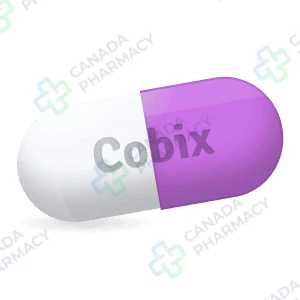
Cobix
Price range: $ 11,00 through $ 28,00
Active substance: Celecoxib
More Details
This product has multiple variants. The options may be chosen on the product page
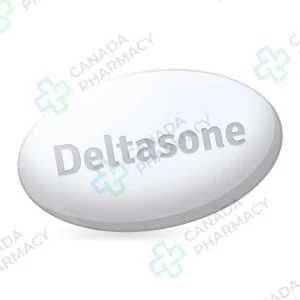
Deltasone
Price range: $ 47,00 through $ 296,00
Active substance: Prednisone
More Details
This product has multiple variants. The options may be chosen on the product page

Emulgel
Price range: $ 51,00 through $ 323,00
Active substance: diclofenac
More Details
This product has multiple variants. The options may be chosen on the product page
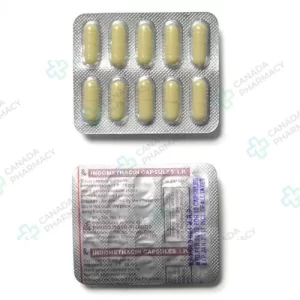
Indocin
Price range: $ 45,00 through $ 264,00
Active substance: Indomethacin
More Details
This product has multiple variants. The options may be chosen on the product page
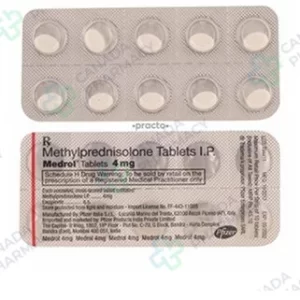
Medrol
Price range: $ 49,00 through $ 497,00
Active substance: Medrol
More Details
This product has multiple variants. The options may be chosen on the product page

Motrin
Price range: $ 9,00 through $ 278,00
Active substance: ibuprofen
More Details
This product has multiple variants. The options may be chosen on the product page
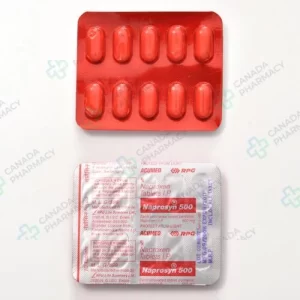
Naprosyn
Price range: $ 56,00 through $ 260,00
Active substance: naproxen
More Details
This product has multiple variants. The options may be chosen on the product page