

-45%
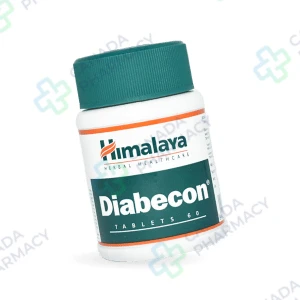
Diabecon
Price range: $ 57,00 through $ 345,00
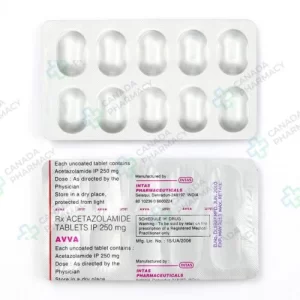
Diamox
Price range: $ 60,00 through $ 144,00
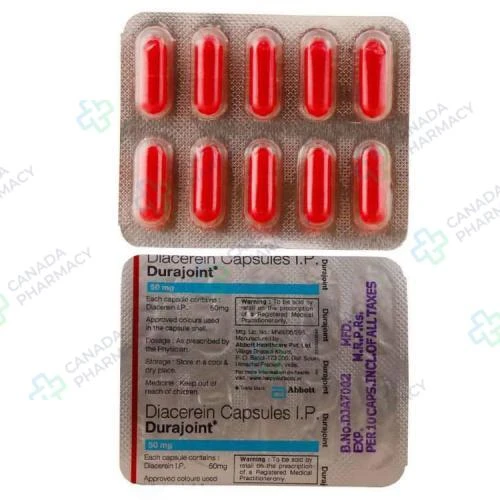
Diacerein
Price range: $ 50,00 through $ 165,00
Diacerein is a specialized medication designed to manage the symptoms of chronic joint conditions like osteoarthritis. It works by inhibiting interleukin-1, a primary protein responsible for inflammation and the breakdown of cartilage. Unlike rapid-acting pain relievers, this treatment offers a prolonged effect that helps maintain joint mobility over time. Regular use supports the preservation of joint structures, specifically targeting the wear and tear associated with the hips and knees. This medication provides a reliable solution for individuals seeking long-term comfort and improved functional capacity in their daily activities.
Active substance: Diacerein
Delivery: 5–21 days (depending on the shipping method)
Extra 10% discount with coupon: IT4K6SVM
Each dosage option has its own packaging choices.
Description
Diacerein belongs to a class of symptomatic slow-acting drugs in osteoarthritis (SYSADOA) derived from anthraquinones. While it offers a targeted pathway for managing joint discomfort by inhibiting interleukin-1 beta (IL-1β), its therapeutic onset is delayed compared to traditional nonsteroidal anti-inflammatory drugs (NSAIDs). The medication is dispensed in accordance with applicable federal and state regulations.
On one hand, diacerein provides disease-modifying potential without causing the gastrointestinal mucosal lesions typical of classic NSAIDs. On the other hand, its clinical utility must be balanced against a distinct side-effect profile that includes frequent soft stools, diarrhea, and potential hepatotoxicity.
| Property | Details |
|---|---|
| Active Ingredient | Diacerein |
| Therapeutic Class | Anthraquinone derivative / Anti-osteoarthritis agent |
| Route of Administration | Oral |
| Primary Purpose | Symptomatic management of joint cartilage degeneration |
| Dosing (General) | 50 mg twice daily with main meals (often started at 50 mg once daily) |
| Storage | Store at controlled room temperature (68°F to 77°F / 20°C to 25°C) |
Drug Profile and Clinical Usage
How the Drug Works
Diacerein functions via a specialized cellular mechanism distinct from conventional analgesics and cyclooxygenase (COX) inhibitors. Following oral ingestion, diacerein is completely deacetylated into its active metabolite, rhein. Rhein selectively inhibits the synthesis and biological activity of interleukin-1 beta (IL-1β), a pro-inflammatory and pro-catabolic cytokine heavily implicated in articular cartilage breakdown. By blocking IL-1β signaling, rhein downregulates the expression of matrix metalloproteinases, such as collagenase and stromelysin, thereby slowing matrix degradation. Simultaneously, rhein stimulates the production of transforming growth factor-beta (TGF-β) and extracellular matrix components, including proteoglycans and hyaluronan. Unlike classic NSAIDs, diacerein does not inhibit renal or gastric prostaglandin synthesis.
Main Uses
Diacerein is indicated primarily for the chronic management of degenerative joint disorders, specifically osteoarthritis affecting the knee and hip. Because diacerein exhibits a delayed therapeutic onset, it is designed for ongoing maintenance rather than instant relief of acute joint pain. Clinical evaluations indicate that while the compound reduces joint discomfort and improves physical function, maximum therapeutic efficacy typically requires two to four weeks of continuous daily administration. In clinical settings, it provides an alternative for individuals who require long-term cartilage support or who cannot tolerate nonsteroidal anti-inflammatory agents due to high gastrointestinal risk profiles.
Dosing Schedule
The standard adult dosage of diacerein is 50 mg administered orally twice daily with main meals. To minimize initial gastrointestinal adverse events–specifically loose stools and bowel hypermotility–prescribers routinely recommend starting treatment at 50 mg once daily with the evening meal for the first two to four weeks. Following this initiation phase, the dosage is escalated to 50 mg twice daily (morning and evening). Capsules must be swallowed whole with water and should not be opened, crushed, or chewed. For individuals with severe renal impairment (creatinine clearance below 30 mL/min), the total daily dose should be reduced by 50% to 50 mg once daily.
What Happens in the Body
Upon oral administration, diacerein undergoes rapid and complete pre-systemic metabolic conversion to its active form, rhein. Absolute oral bioavailability ranges between 35% and 56%, which increases by approximately 25% when taken concurrently with food due to delayed gastric emptying. Peak plasma concentrations of rhein are achieved approximately 2.4 hours post-administration. Rhein is extensively bound to circulating plasma proteins, primarily albumin, with binding exceeding 99%. The terminal elimination half-life of rhein is approximately 4.2 to 5 hours. Elimination occurs primarily through the renal pathway, with roughly 20% excreted as unchanged rhein and the remainder excreted as glucuronide and sulfate metabolites.
What You May Notice Early On
When starting diacerein therapy, patients should anticipate a delayed therapeutic response. Unlike fast-acting analgesics, diacerein usually requires two to four weeks of regular daily use before noticeable reductions in joint pain and stiffness occur. During the initial two weeks, changes in bowel habits–such as softer stool consistency or increased frequency of bowel movements–are common. Furthermore, patients will routinely observe a distinct yellowish-brown to pinkish discoloration of their urine. This color change is entirely harmless and is caused by the renal elimination of rhein metabolites.
Available Alternatives
When comparing interventions for osteoarthritis, diacerein occupies a middle ground between immediate analgesics and physical therapies. Compared to oral NSAIDs such as ibuprofen or celecoxib, diacerein demonstrates a slower onset of symptom control but avoids gastric ulceration risks. Compared to acetaminophen, diacerein offers direct anti-inflammatory cytokine modulation. On the other hand, non-pharmacological options such as physical therapy or localized intra-articular hyaluronic acid injections provide target-site management without the systemic digestive side effects associated with oral rhein compounds.
Safety, Interactions, and Practical Considerations
Adverse Reactions
The predominant adverse effect associated with diacerein is altered intestinal transit, resulting in diarrhea, loose stools, and abdominal pain in up to 30% of patients during the first few weeks of therapy. In severe cases, persistent diarrhea can lead to fluid loss and electrolyte imbalances. Mild to moderate chromaturia (reddish-brown urine discoloration) occurs universally and is clinically benign. Elevated liver enzymes and rare instances of acute liver injury have been reported; consequently, baseline and periodic liver function assessments are recommended. Dermatological reactions, including pruritus, skin rashes, and eczema, occur infrequently and necessitate prompt drug discontinuation.
Compatibility with Other Medicines
Diacerein interactions primarily involve drugs that affect intestinal transit time or GI absorption. Co-administration of diacerein with antacids containing aluminum hydroxide or magnesium hydroxide significantly impairs the gastrointestinal absorption of rhein; antacids should be taken at least two hours after diacerein intake. Concomitant administration with laxatives or drugs that accelerate gut motility markedly increases the risk of severe diarrhea and dehydration. Furthermore, caution is warranted when combining diacerein with cardiac glycosides (such as digoxin) or diuretics, as potential diacerein-induced diarrhea and hypokalemia can increase the risk of digitalis toxicity.
What to Avoid While Taking It
Taking diacerein on an empty stomach should be avoided, as administration with food improves both oral absorption and gastrointestinal tolerance. High-fiber diets or supplemental laxatives should be managed carefully to avoid worsening intestinal transit acceleration. Alcohol consumption should be limited during therapy to minimize cumulative stress on liver tissue. Additionally, patients should avoid taking magnesium- or aluminum-based antacids simultaneously with their scheduled diacerein dose.
Important Precautions
Diacerein is contraindicated in individuals with active liver disease, a history of hypersensitivity to anthraquinone derivatives, or pre-existing severe inflammatory bowel conditions (such as ulcerative colitis or Crohn’s disease). Patients aged 65 and older face a higher risk of dehydration secondary to severe diarrhea; therefore, therapy in older adults requires careful risk-benefit analysis and close monitoring. Safety during pregnancy and lactation has not been established; diacerein should be avoided during pregnancy and by nursing mothers. Routine laboratory monitoring of liver enzymes is recommended during ongoing treatment.
Storage and Expiration
Diacerein capsules should be kept in their original blister packaging until administration to protect the active ingredient from light and moisture. Store at controlled room temperature between 68°F and 77°F (20°C to 25°C), allowing for temporary excursions between 59°F and 86°F (15°C to 30°C). Keep out of reach of children and domestic animals. Do not use capsules past the expiration date stamped on the outer packaging. Unused medication should be disposed of via authorized community take-back programs.
Common Questions
Why does urine change color while taking diacerein?
Urine discoloration (ranging from intense yellow to reddish-brown) is a harmless, expected outcome caused by the renal elimination of rhein metabolites. It does not indicate kidney damage or internal bleeding.
How long does it take for diacerein to show a pain-relieving effect?
Diacerein acts slowly. Most patients begin to feel symptomatic relief after two to four weeks of continuous daily use, with maximum benefits generally occurring after two to three months.
What should I do if I experience severe diarrhea?
If severe or persistent diarrhea develops, diacerein treatment should be suspended immediately, and a healthcare provider should be consulted to prevent dehydration and electrolyte loss.
What should happen if a scheduled dose is missed?
If a dose is missed, take it with the next regular meal. If it is almost time for the next scheduled dose, skip the missed capsule entirely. Never double the dose to make up for a missed one.
Can diacerein be taken alongside regular pain relievers?
During the initial two to four weeks of diacerein therapy, prescribers may allow temporary co-administration of fast-acting analgesics while diacerein accumulates to therapeutic levels. Any combination therapy must be approved by a physician.
In accordance with federal regulations.
Information on this page is for reference and does not replace an assessment by a licensed healthcare professional.
Additional information
| Dosage |
50 mg |
|---|---|
| Package |
30 caps ,60 caps ,90 caps ,120 caps ,180 caps |
| Ενεργός Ουσία |
Related products
Cobix
Price range: $ 11,00 through $ 28,00
Active substance: Celecoxib
More Details
This product has multiple variants. The options may be chosen on the product page
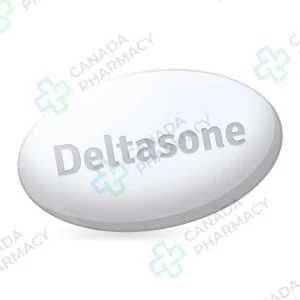
Deltasone
Price range: $ 47,00 through $ 296,00
Active substance: Prednisone
More Details
This product has multiple variants. The options may be chosen on the product page
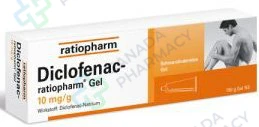
Diclofenac Gel
Price range: $ 39,00 through $ 73,00
Active substance: diclofenac
More Details
This product has multiple variants. The options may be chosen on the product page
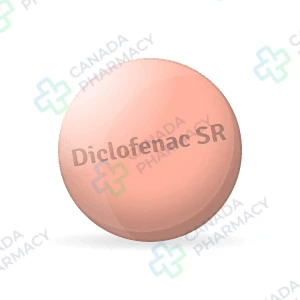
Diclofenac SR
Price range: $ 33,00 through $ 206,00
Active substance: diclofenac
More Details
This product has multiple variants. The options may be chosen on the product page
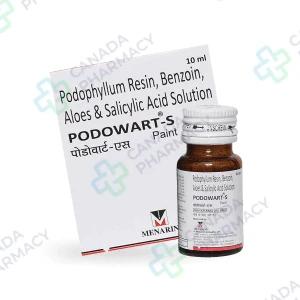
Imusporin
Price range: $ 117,00 through $ 535,00
Active substance: Cyclosporine
More Details
This product has multiple variants. The options may be chosen on the product page
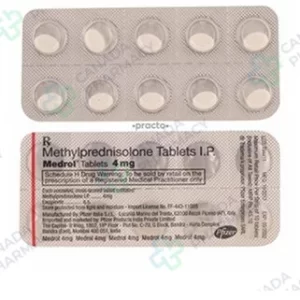
Medrol
Price range: $ 49,00 through $ 497,00
Active substance: Medrol
More Details
This product has multiple variants. The options may be chosen on the product page
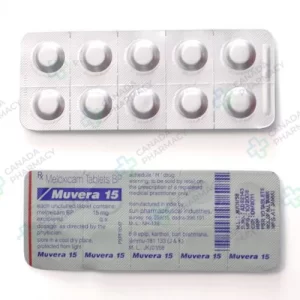
Mobic
Price range: $ 18,00 through $ 140,00
Active substance: meloxicam
More Details
This product has multiple variants. The options may be chosen on the product page
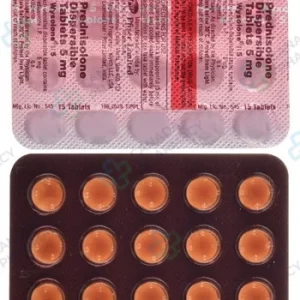
Prednisolone
Price range: $ 40,00 through $ 210,00
Active substance: prednisolone
More Details
This product has multiple variants. The options may be chosen on the product page