

-60%

Diacerein
Price range: $ 50,00 through $ 165,00

Diane 35
Price range: $ 16,00 through $ 46,00
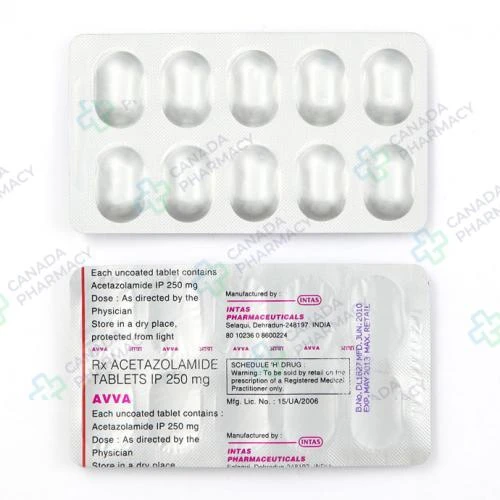
Diamox
Price range: $ 60,00 through $ 144,00
Diamox is a specialized carbonic anhydrase inhibitor designed to regulate fluid balance and reduce pressure within the body. It is primarily used to treat various forms of glaucoma by lowering intraocular pressure and helping to preserve long-term vision. This medication is also highly effective for preventing and reducing the symptoms of acute mountain sickness in individuals traveling to high altitudes. Additionally, Diamox serves as an adjunctive therapy for managing edema associated with congestive heart failure. It can also be utilized to help control certain types of seizures in patients with epilepsy.
Active substance: Acetazolamide
Delivery: 5–21 days (depending on the shipping method)
Extra 10% discount with coupon: IT4K6SVM
Each dosage option has its own packaging choices.
Description
Diamox belongs to a group of medications known as carbonic anhydrase inhibitors, which act by reducing the enzymatic activity responsible for fluid secretion and electrolyte transport in specific organs. In clinical practice, this prescription drug is prescribed by licensed providers to lower intraocular pressure in glaucoma, control fluid retention in congestive heart failure, prevent acute mountain sickness symptoms, and manage certain seizure disorders.
As a prescription-only pharmaceutical in the United States, Diamox must be taken under direct medical supervision and strictly in accordance with federal and state prescription regulations. Pharmacological response and appropriate dosage depend entirely on the specific underlying condition being treated and individual clinical parameters.
| Attribute | Details |
|---|---|
| Active ingredient | Acetazolamide |
| Therapeutic class | Carbonic anhydrase inhibitor |
| Dosage form | Oral tablets, extended-release capsules |
| Route of administration | Oral |
| Primary purpose | Intraocular pressure reduction, diuresis, acute mountain sickness prevention |
| Prescription status | Prescription drug (Rx only) |
Clinical Overview and Pharmacology
How the drug works
Diamox exerts its primary therapeutic effect through the non-competitive inhibition of the enzyme carbonic anhydrase. Carbonic anhydrase plays a crucial role in catalyzing the reversible hydration of carbon dioxide and dehydration of carbonic acid throughout the human body. By blocking this enzyme, the drug reduces the availability of hydrogen and bicarbonate ions required for specific secretory processes.
In the eye, this enzymatic inhibition decreases the rate of aqueous humor production, resulting in a reduction of intraocular pressure. In the kidneys, reduced carbonic anhydrase activity decreases bicarbonate reabsorption in the proximal renal tubules, inducing increased urinary excretion of sodium, potassium, bicarbonate, and water. Central nervous system inhibition reduces cerebrospinal fluid secretion and elevates seizure threshold, assisting in epilepsy management.
What it’s used for
The U.S. Food and Drug Administration (FDA) has approved Diamox for several specific therapeutic indications. It is indicated for the adjunctive treatment of chronic simple open-angle glaucoma, secondary glaucoma, and preoperatively in acute angle-closure glaucoma where delaying surgery is necessary to lower intraocular pressure. Additionally, it is approved for the prevention and alleviation of symptoms associated with acute mountain sickness in individuals ascending to high altitudes.
Diamox is also FDA-approved as an adjunctive therapy for edema caused by congestive heart failure or drug-induced fluid retention, as well as for centrencephalic epilepsies, including petit mal, grand mal, and unlocalized seizures. Clinicians may also prescribe Diamox off-label for idiopathic intracranial hypertension (pseudotumor cerebri) to decrease intracranial pressure; however, off-label uses require cautious evaluation by a healthcare provider, as they fall outside official FDA-approved labeling.
Dosing schedule
Dosing for Diamox is individualized based on the therapeutic indication, patient age, renal function, and clinical response. For glaucoma, oral dosages typically range from 250 mg to 1,000 mg per day in divided doses, depending on whether immediate-release tablets or extended-release formulations are utilized. When prescribed for acute mountain sickness, therapy often begins 24 to 48 hours prior to ascent at doses of 250 mg to 500 mg daily in divided doses and continues during the stay at high altitude.
For edema secondary to heart failure, dosing generally involves 250 mg to 375 mg administered once daily in the morning to allow continuous diuresis. In epilepsy treatment, standard adult daily regimens range between 375 mg and 1,000 mg. Patients should follow their prescribing clinician’s explicit instructions without altering doses independently.
How it’s absorbed and eliminated
Following oral administration, immediate-release formulations of Diamox are rapidly absorbed from the gastrointestinal tract, achieving peak plasma concentration within 1 to 4 hours. Extended-release dosage forms provide a prolonged systemic release profile, reaching peak blood levels between 3 and 12 hours after ingestion.
Acetazolamide binds significantly to plasma proteins and concentrates notably in tissues containing carbonic anhydrase, such as red blood cells and renal cortex tissue. The active drug is not extensively metabolized by the liver. It is eliminated primarily intact by the kidneys via glomerular filtration and tubular secretion, with approximately 70% to 100% of an immediate-release dose excreted unchanged in urine within 24 hours.
Safety Profile and Daily Use
Compatibility with other medicines
Diamox exhibits significant interactions with several therapeutic classes. Concomitant administration with high-dose aspirin or other salicylates can result in metabolic acidosis and severe central nervous system toxicity, including lethargy or confusion, due to altered renal clearance and plasma binding of salicylates.
Concurrent use with lithium may increase renal clearance of lithium, potentially reducing its therapeutic effectiveness. Co-administration with cardiac glycosides like digoxin increases the risk of digitalis toxicity if hypokalemia develops due to enhanced potassium excretion. Furthermore, Diamox can alkalinize urine, which slows the excretion of basic drugs such as amphetamines or quinidine, while accelerating the renal elimination of acidic drugs like methotrexate.
Adverse reactions
Adverse effects associated with Diamox stem primarily from carbonic anhydrase inhibition and subsequent metabolic shifts. Frequently reported mild reactions include paresthesia (tingling sensations in the fingers, toes, or lips), altered sense of taste (especially with carbonated beverages), polyuria, loss of appetite, nausea, vomiting, diarrhea, and fatigue.
Long-term or high-dose therapy may induce metabolic acidosis and electrolyte disturbances, including hypokalemia and hyponatremia. Less common central nervous system effects include tinnitus, drowsiness, or transient confusion. Patients experiencing persistent or distressing side effects should consult their prescribing physician for dosage evaluation.
Red flags
Immediate emergency medical care is required if a patient experiences signs of severe hypersensitivity, such as swelling of the face, lips, tongue, or throat, or difficulty breathing. Severe cutaneous adverse reactions, including progressive skin rash, blistering, or skin peeling (potentially indicating Stevens-Johnson syndrome or toxic epidermal necrolysis), warrant immediate drug discontinuation and emergency evaluation.
Patients must also seek prompt medical attention if they develop signs of bone marrow suppression (unusual bleeding, easy bruising, high fever, severe sore throat), severe hepatic dysfunction (yellowing of the skin or eyes, dark urine), or sudden, severe flank pain associated with hematuria, which may indicate kidney stone formation.
Important precautions
Diamox is strictly contraindicated in patients with marked hyponatremia, hypokalemia, hyperchloremic acidosis, severe renal impairment, or severe liver disease/hepatic insufficiency. Because acetazolamide is a sulfonamide derivative, cross-reactivity may occur in patients with known severe hypersensitivity to sulfonamides or sulfa-based medications.
In elderly populations, reduced renal function mandates careful dose selection and baseline renal testing. Use during pregnancy should be limited to situations where the potential benefit justifies potential risk to the fetus, as adequate clinical studies in pregnant women are limited. Lactating mothers should discuss risks with their provider, as acetazolamide excretes into breast milk in small amounts.
What to avoid while taking it
Alcohol consumption should be limited while taking Diamox, as alcohol can amplify central nervous system side effects such as dizziness, lightheadedness, and drowsiness, while increasing the risk of dehydration. Patients consuming carbonated beverages may notice an altered, unpleasant carbonation taste due to carbonic anhydrase inhibition in taste buds.
Missed dose
If a dose of Diamox is missed, it should be taken as soon as remembered, unless it is almost time for the next scheduled dose. Patients should never double up doses or take extra medicine to compensate for a missed dose, as this increases the risk of electrolyte imbalances and systemic side effects.
Practical tips
To minimize stomach upset, oral doses of Diamox may be taken with meals or food. Patients taking daily morning doses for diuresis should schedule administration early in the day to avoid nocturnal urination. Adequate fluid intake is recommended to help prevent the formation of renal calculi during prolonged therapy.
Common Questions
Why do carbonated drinks taste flat or unusual while taking Diamox?
Diamox inhibits the enzyme carbonic anhydrase present in the mouth and taste buds. This enzyme normally breaks down carbon dioxide in carbonated beverages into carbonic acid, which creates the refreshing fizz sensation. Inhibiting this enzyme alters taste perception, making carbonated sodas or sparkling waters taste flat, metallic, or bitter.
How does Diamox help prevent acute mountain sickness at high altitudes?
At high altitudes, lower atmospheric pressure reduces blood oxygen levels, triggering hyperventilation that causes respiratory alkalosis. Diamox promotes bicarbonate excretion in the urine, creating a mild metabolic acidosis. This compensatory acidosis stimulates breathing, improving blood oxygenation and helping the body adapt faster to high elevations.
Can Diamox cause kidney stones?
Yes, long-term use of Diamox increases the excretion of calcium and bicarbonate in the urine while decreasing urinary citrate. This combination raises urinary pH and increases the risk of forming calcium phosphate kidney stones. Maintaining adequate hydration can help lower this risk.
Is it normal to feel a tingling sensation in the fingers and toes?
Paresthesia, or a tingling “pins-and-needles” sensation in the extremities, face, or lips, is a common and usually harmless side effect of carbonic anhydrase inhibition. However, if the sensation becomes severe, painful, or persistent, you should discuss it with your healthcare provider.
What monitoring is required while taking Diamox long-term?
Patients undergoing prolonged treatment with Diamox typically require periodic laboratory monitoring. Healthcare providers usually check baseline and periodic blood electrolyte levels (sodium, potassium, bicarbonate), complete blood counts, and renal function tests to monitor for metabolic acidosis or blood dyscrasias.
Information regarding this medication is compiled from official U.S. Food and Drug Administration (FDA) prescribing documentation.
This text is for informational purposes only and does not constitute individual medical advice.
Additional information
| Dosage |
250mg |
|---|---|
| Package |
60 pills ,90 pills ,120 pills ,180 pills ,270 pills ,360 pills |
| Ενεργός Ουσία |
Related products

Careprost
Price range: $ 42,00 through $ 367,00
Active substance: Bimatoprost
More Details
This product has multiple variants. The options may be chosen on the product page
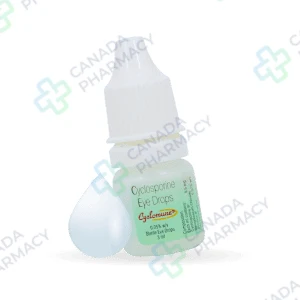
Cyclomune Eye Drops
Price range: $ 13,00 through $ 69,00
Active substance: Cyclosporine
More Details
This product has multiple variants. The options may be chosen on the product page
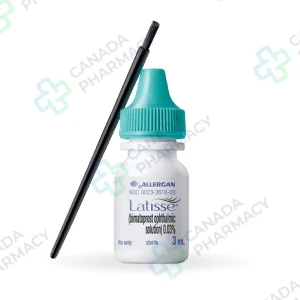
Latisse Ophthalmic Solution
Price range: $ 35,00 through $ 165,00
Active substance: Bimatoprost Ophthalmic Solution
More Details
This product has multiple variants. The options may be chosen on the product page
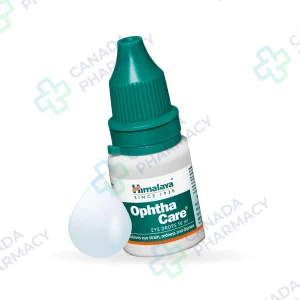
Ophthacare
$ 49,00
Active substance: Damask Rose, Honey
More Details
This product has multiple variants. The options may be chosen on the product page
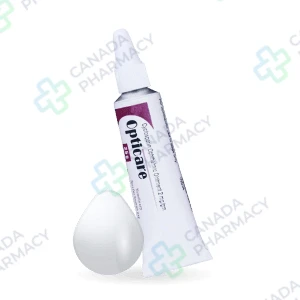
Opticare Ointment
Price range: $ 26,00 through $ 98,00
Active substance: Cyclosporine
More Details
This product has multiple variants. The options may be chosen on the product page
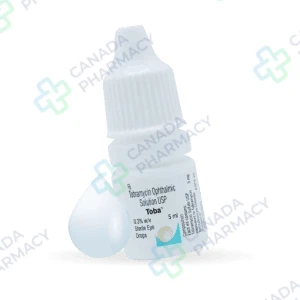
Toba Eye Drops
Price range: $ 11,00 through $ 31,00
Active substance: Tobramycin
More Details
This product has multiple variants. The options may be chosen on the product page
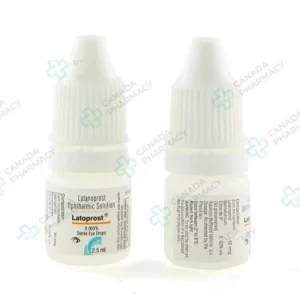
Xalatan
Price range: $ 74,00 through $ 405,00
Active substance: xalatan
More Details
This product has multiple variants. The options may be chosen on the product page