-13%
Apresoline
Price range: $ 48,00 through $ 81,00
Ataxin
Price range: $ 250,00 through $ 387,00
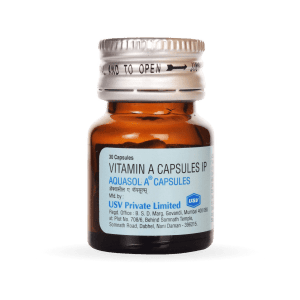
Aquasol A
Price range: $ 15,00 through $ 39,00
Aquasol A is a high-potency Vitamin A supplement designed to address nutritional deficiencies effectively. This water-miscible formulation ensures optimal absorption of retinol, even in individuals with fat malabsorption issues. It is primarily indicated for the treatment of night blindness and other ocular conditions caused by a lack of Vitamin A. Beyond vision support, this supplement plays a vital role in maintaining healthy skin and mucous membranes throughout the body. Regular use helps bolster the immune system by supporting the integrity of epithelial tissues and cellular growth.
Delivery: 5–21 days (depending on the shipping method)
Extra 10% discount with coupon: IT4K6SVM
Each dosage option has its own packaging choices.
Description
Aquasol A belongs to a class of fat-soluble nutritional agents designated for the correction of severe vitamin deficiency states. It provides concentrated retinyl palmitate or water-miscible vitamin A, primarily utilized when dietary intake or standard oral supplementation fails to correct depleted tissue reserves. In clinical practice, this formulation is dispensed in accordance with applicable federal and state regulations upon authorization by a licensed healthcare provider.
Proper management of vitamin A therapy requires precise administration to prevent both therapeutic inadequacy and fat-soluble vitamin toxicity. This reference overview details the clinical profile, pharmacokinetic behavior, administration guidelines, and essential safety considerations associated with Aquasol A.
| Active Ingredient | Water-miscible Vitamin A (Retinyl Palmitate) |
| Therapeutic Class | Fat-Soluble Vitamin / Retinoid Supplement |
| Primary Purpose | Treatment of severe Vitamin A deficiency and malabsorption states |
| Route of Administration | Intramuscular injection / Oral (dependent on dosage form) |
| Prescription Status | Dispensed in accordance with applicable federal and state regulations |
| Mechanism Summary | Replaces systemic vitamin A stores required for vision, epithelial tissue repair, and cellular differentiation |
Clinical Overview and Safety Profile
Main uses
Aquasol A is indicated for the treatment of severe vitamin A deficiency resulting from clinical malnutrition, restrictive diets, or compromised gastrointestinal absorption. It is specifically utilized in patients diagnosed with malabsorption syndromes, such as biliary obstruction, chronic pancreatic insufficiency, celiac disease, regional enteritis, or cystic fibrosis, where fat-soluble vitamin uptake is significantly impaired. Severe vitamin A deficiency can lead to ocular manifestations, including xerophthalmia, nyctalopia (night blindness), and corneal ulceration, as well as systemic complications such as hyperkeratosis of the skin and heightened susceptibility to mucosal infections. Clinical authorization is required to establish therapeutic need based on laboratory plasma vitamin A concentrations.
How the drug works
The active component of Aquasol A functions as an essential cofactor for multiple physiological processes throughout the human body. Vitamin A is crucial for the synthesis of rhodopsin, a light-sensitive visual pigment situated in the rods of the retina, which mediates visual adaptation to low-light environments. Beyond ocular physiology, retinal metabolites regulate gene expression by binding to nuclear retinoid receptors. This transcriptional signaling maintains the differentiation, growth, and structural integrity of epithelial tissues in the respiratory, gastrointestinal, and integumentary systems. Furthermore, vitamin A plays an integral role in humoral and cell-mediated immune responses, supporting humoral antibody production and white blood cell proliferation.
What happens in the body
Following administration, water-miscible vitamin A is absorbed efficiently and transported through systemic pathways. In the circulation, vitamin A is transported bound to retinol-binding protein and transthyretin complexes to reach target tissues. Excess vitamin A is sequestered primarily within the stellate cells of the liver as retinyl esters, establishing a storage reserve that can be mobilized when circulating plasma levels drop. Hepatic enzyme systems oxidize retinol into retinal and retinoic acid. Excretion occurs via metabolic clearance: retinoic acid metabolites undergo biliary excretion into the feces, while water-soluble glucuronide conjugates are cleared by the kidneys and excreted in urine.
Dosing schedule
Dosing schedules for Aquasol A must be individualized based on the severity of the deficiency state, patient age, clinical response, and serum retinol concentrations. Parenteral forms are reserved for patients with severe malabsorption or those unable to tolerate oral intake. High-dose acute repletion protocols require close medical supervision to prevent hypervitaminosis A. The dosage is determined individually by the treating physician after evaluating baseline laboratory data. Intramuscular injection must be performed deep into a large muscle mass to minimize localized tissue irritation. Once serum levels normalize and gastrointestinal function stabilizes, patients are typically transitioned to maintenance nutritional strategies.
Adverse reactions
Adverse reactions associated with Aquasol A predominantly stem from hypervitaminosis A, which can present as acute or chronic toxicity depending on the dose and duration of therapy. Early signs of elevated systemic vitamin A levels include severe headache, nausea, vomiting, irritability, fatigue, and blurred vision. Chronic overdosage may induce dermatologic changes such as alopecia, dry or scaling skin, cheilitis, and hyperpigmentation. Skeletal and metabolic manifestations include bone pain, hyperostosis, hepatomegaly, elevated liver transaminases, and hypercalcemia. Patients experiencing persistent headache, visual disturbances, or abdominal pain should report these signs to a medical provider immediately.
Compatibility with other medicines
Aquasol A displays notable pharmacodynamic and pharmacokinetic interactions with several drug classes. Concurrent administration with synthetic retinoid derivatives, such as isotretinoin, acitretin, or tretinoin, significantly increases the risk of additive systemic retinoid toxicity and should be avoided. Co-administration with tetracycline-class antibiotics elevates the risk of benign intracranial hypertension (pseudotumor cerebri). Long-term use of mineral oil, cholestyramine, or colestipol can impair the gastrointestinal absorption of oral fat-soluble vitamins. Additionally, oral contraceptives may elevate plasma vitamin A concentrations by increasing retinol-binding protein synthesis, requiring dosage evaluation during concurrent therapy.
Patient Guidelines and Frequently Asked Questions
Special populations
The use of Aquasol A in special patient populations demands careful clinical oversight. In pregnant women, excessive intake of preformed vitamin A (exceeding recommended daily allowances) is known to cause severe teratogenic malformations, including craniofacial, cardiac, and central nervous system defects. High-dose therapy is contraindicated during pregnancy unless treating life-threatening deficiency. Vitamin A passes into human breast milk, requiring dose adjustment during lactation. Pediatric patients are particularly sensitive to vitamin A overdosage, exhibiting increased susceptibility to intracranial hypertension and skeletal changes; precise weight-based dosing is mandatory in children.
What to avoid while taking it
Patients receiving Aquasol A should exercise caution regarding dietary intake and concurrent substance consumption. Avoid unmonitored dietary supplements containing high levels of vitamin A or beta-carotene, as supplemental accumulation increases the risk of hypervitaminosis A. Chronic alcohol consumption can alter hepatic vitamin A storage mechanisms and exacerbate potential liver toxicity associated with high-dose retinoid administration. While food intake generally aids the absorption of oral fat-soluble vitamins, high-potency medical formulations should be managed in accordance with specific medical instructions to ensure stable circulating plasma levels.
If you skip a dose
If a scheduled dose of Aquasol A is missed, it should be administered as soon as remembered, provided it is not close to the time for the next scheduled dose. If the next dose is due shortly, skip the missed dose and resume the established administration schedule. Patients must never double the dose or take extra medication to compensate for a skipped dose, as high single doses of vitamin A can trigger acute toxicity. Patients managed on parenteral regimens should contact their clinical healthcare team to reschedule missed clinical appointments safely.
Storage and expiration
Aquasol A preparations must be stored under controlled conditions to maintain chemical stability and potency. Keep the medication stored at room temperature, ideally between 20°C and 25°C (68°F to 77°F), shielded from excessive heat and direct light exposure. Do not freeze injectable solutions. Parenteral vials should be inspected visually for particulate matter or discoloration prior to administration; discolored or compromised solutions must be discarded. Keep all medicinal products out of the reach of children and dispose of unused or expired preparations according to federal, state, and local pharmacy guidance.
Important precautions
Therapy with Aquasol A requires routine medical monitoring to avoid tissue accumulation and toxicity. Clinical evaluation should include periodic serum retinol level measurements, liver function tests, and symptom assessments for signs of intracranial pressure elevation, such as severe headache or papilledema. Caution is required in patients with pre-existing hepatic impairment, renal dysfunction, or viral hepatitis, as altered metabolic clearance can increase systemic retinoid exposure. Healthcare providers should establish baseline liver function prior to initiating prolonged or high-dose therapy. Any sign of unexplained bone pain, visual distortion, or pronounced cutaneous dryness warrants immediate diagnostic evaluation.
Common questions
Can Aquasol A cause pressure build-up inside the skull?
Yes. High doses of vitamin A can lead to benign intracranial hypertension, also known as pseudotumor cerebri. Symptoms include severe headaches, visual disturbances (such as double vision or blurred vision), nausea, and vomiting. If these symptoms develop during treatment, immediate medical evaluation is required, and the medication may need to be discontinued.
How do healthcare providers monitor for vitamin A toxicity during therapy?
Monitoring typically involves baseline and periodic measurement of serum retinol (vitamin A) concentrations alongside routine liver enzyme testing. Clinical assessment also includes screening for early physical signs of hypervitaminosis A, such as cutaneous desquamation, cheilitis, hepatomegaly, or persistent headache.
Is it safe to take a daily multivitamin while receiving Aquasol A?
Combining Aquasol A with non-prescription multivitamins or dietary supplements containing vitamin A or beta-carotene can cause cumulative intake that exceeds safe upper limits. Patients should consult their prescribing physician or pharmacist before taking any additional over-the-counter vitamin preparations during therapy.
How does pre-existing liver disease affect the use of Aquasol A?
Because the liver serves as the primary storage site and metabolic clearing organ for retinyl esters, impaired hepatic function can decrease storage capacity and alter clearance pathways. This increases the risk of systemic retinoid accumulation and toxicity, requiring reduced dosages and more frequent monitoring in patients with hepatic impairment.
What are the early cutaneous signs of elevated vitamin A levels?
Early dermatologic indicators of excessive vitamin A intake include abnormally dry skin, scaling or peeling (desquamation), cracking at the corners of the lips (cheilitis), brittle nails, and hair thinning or alopecia. The onset of these symptoms warrants clinical consultation to re-evaluate the dosing regimen.
In accordance with FDA requirements.
This text is for informational purposes only and does not constitute individual medical advice.
Additional information
| Dosage |
25000 IU 30 caps |
|---|---|
| Package |
1 bottles ,2 bottles ,3 bottles |
| Active Ingredient |
Vitamin A Palmitate |
Related products
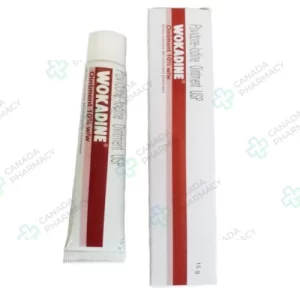
Betadine
Price range: $ 7,00 through $ 12,00
Active substance: Povidone Iodine
More Details
This product has multiple variants. The options may be chosen on the product page
Carbocisteine
Price range: $ 45,00 through $ 65,00
Active substance: Carbocisteine
More Details
This product has multiple variants. The options may be chosen on the product page
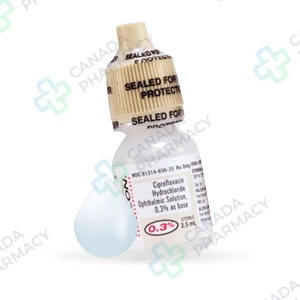
Ciprodex Ophthalmic Solution
Price range: $ 63,00 through $ 95,00
Active substance: Ciprofloxacin, Dexamethasone
More Details
This product has multiple variants. The options may be chosen on the product page
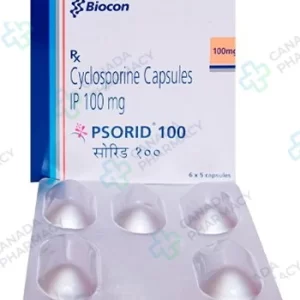
Cyclosporine
Price range: $ 43,00 through $ 216,00
Active substance: Cyclosporine
More Details
This product has multiple variants. The options may be chosen on the product page
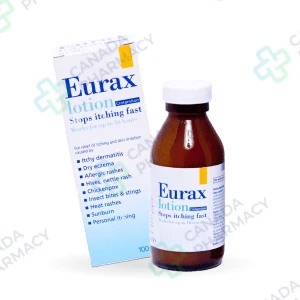
Eurax Lotion
Price range: $ 3,00 through $ 15,00
Active substance: Crotamiton
More Details
This product has multiple variants. The options may be chosen on the product page
Folic Acid
Price range: $ 6,00 through $ 18,00
Active substance: Folic Acid
More Details
This product has multiple variants. The options may be chosen on the product page
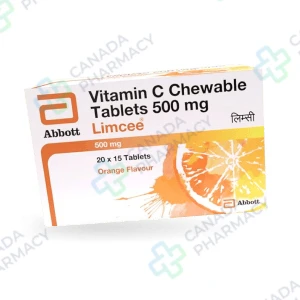
Limcee
Price range: $ 21,00 through $ 39,00
Active substance: Ascorbic Acid
More Details
This product has multiple variants. The options may be chosen on the product page