

-43%
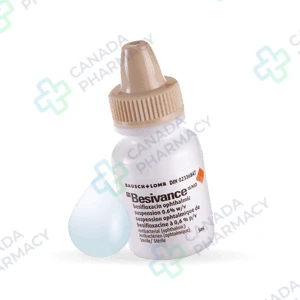
Besivance Ophthalmic Solution
Price range: $ 45,00 through $ 88,00
Betahistine
Price range: $ 41,00 through $ 311,00
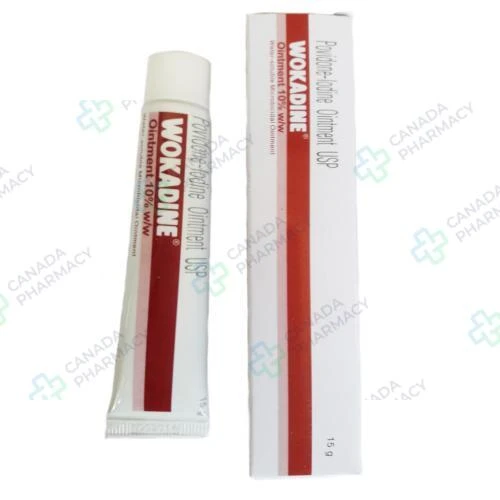
Betadine
Price range: $ 7,00 through $ 12,00
Betadine is a powerful antiseptic solution containing povidone-iodine, widely used for its broad-spectrum antimicrobial properties. It effectively kills a wide range of bacteria, viruses, and fungi to prevent infection in minor cuts, scrapes, and burns. This trusted formula is frequently utilized in clinical settings for pre-operative skin preparation and general wound care. The solution provides a protective layer over the affected area, supporting a clean environment for natural healing. As a staple in first-aid kits, Betadine remains a reliable choice for maintaining hygiene and skin integrity during recovery.
Active substance: Povidone Iodine
Delivery: 5–21 days (depending on the shipping method)
Extra 10% discount with coupon: IT4K6SVM
Each dosage option has its own packaging choices.
Description
Betadine belongs to a class of topical antimicrobial agents known as iodophors. It contains povidone-iodine as its active ingredient, which releases elemental iodine to exert broad-spectrum microbicidal activity against bacteria, fungi, and viruses. Available as an over-the-counter formulation in the United States, it is primarily used for skin disinfection prior to minor procedures and for emergency first-aid care in minor cuts, scrapes, and burns.
Proper topical application helps reduce the microbial load on the skin surface to minimize localized contamination. While generally effective and well-tolerated for short-term use, its safety profile requires specific considerations regarding iodine sensitivity, renal function, and potential systemic absorption when applied over large surface areas.
| Property | Specification |
|---|---|
| Drug name | Betadine |
| Active ingredient (INN) | Povidone-iodine |
| Primary purpose | Topical antiseptic for minor wound care and skin preparation |
| Dosage form | Topical solution, ointment, liquid soap, skin cleanser |
| Route of administration | Topical (external use only) |
| Prescription status | Over-the-counter (OTC) |
| Storage | Store at 68°F to 77°F (20°C to 25°C); do not freeze |
Detailed Product Overview and Clinical Profile
How the drug works
Povidone-iodine is a complex of polyvinylpyrrolidone (povidone) and elemental iodine. Upon contact with skin or mucous membranes, the polymer complex gradually liberates free iodine into the surrounding environment. Free iodine rapidly penetrates microbial cell walls and oxidizes critical cellular structures, including amino acids, nucleic acids, and membrane enzymes. This non-specific chemical oxidation disrupts vital metabolic pathways and structural integrity, leading to prompt microbial cell death. On one hand, this non-specific mechanism grants povidone-iodine an extraordinarily broad antimicrobial spectrum, encompassing Gram-positive and Gram-negative bacteria, bacterial spores, fungi, protozoa, and enveloped viruses. On the other hand, unlike targeted systemic antibiotics, its oxidative activity is unselective, meaning high concentrations can also cause mild local tissue irritation if applied improperly.
What it’s used for
Betadine is approved as an over-the-counter topical antiseptic. Its primary indications include pre-operative skin preparation to lower microbial counts prior to minor surgical procedures, injections, or blood draws. It is also routinely used for first-aid antiseptic care to prevent microbial infection in minor skin cuts, abrasions, and superficial burns. Compared with simple alcohol-based antiseptics, povidone-iodine maintains persistent antimicrobial activity as long as the film remains on the skin. However, it is not approved for deep puncture wounds, animal bites, or severe third-degree burns without formal medical oversight. Any off-label application, such as off-label use for chronic non-healing stasis ulcers or extensive cavity irrigation during major operations, carries heightened risks of systemic iodine toxicity and should only occur under direct clinical direction.
How to apply it
For first-aid treatment of minor injuries, clean the affected wound area thoroughly prior to application. Apply a small amount of Betadine solution or ointment to the affected area 1 to 3 times daily as needed. Once dry, the treated area may be covered with a sterile bandage. When used for pre-procedure skin preparation, the solution should be applied to the skin and allowed to dry completely for at least 2 minutes, as antimicrobial efficacy peaks during the drying process. Do not apply excessive amounts over widespread areas of skin. Treatment should generally not exceed 7 days unless explicitly instructed by a physician.
What happens in the body
When applied topically to intact adult skin, systemic absorption of iodine from povidone-iodine is minimal and clinically negligible. Conversely, when applied to broken skin, extensive burn wounds, or mucous membranes, measurable quantities of iodine pass through the dermal barrier into systemic circulation. Absorbed iodine binds to serum proteins and concentrates primarily in the thyroid gland. Elimination of absorbed systemic iodine occurs predominantly through renal filtration in the urine. The degree of bioavailability depends on factors such as the integrity of the epidermal layer, total surface area treated, contact time, and frequency of application.
Compatibility with other medicines
Betadine should not be used concurrently with topical preparations containing mercury, silver, hydrogen peroxide, or octenidine. Combining povidone-iodine with silver-containing dressings or mercury derivatives can form corrosive chemical compounds that irritate skin tissue and diminish antiseptic efficacy. Concomitant application with alkaline agents or enzymatic wound debriding formulations may denature the active iodine complex or deactivate the therapeutic enzymes. Furthermore, extensive systemic absorption of iodine during large-surface application can interfere with thyroid function diagnostic tests, including protein-bound iodine measurements and radioiodine scan results. Patients undergoing lithium therapy should use caution, as systemic iodine absorption combined with lithium can produce synergistic hypothyroid effects.
What side effects may occur
Topical povidone-iodine is generally well-tolerated when used according to directions. Common localized adverse effects include transient skin redness, mild stinging, itching, or local contact dermatitis. Staining of the skin and hair is a normal physical property of the brown iodine complex rather than a toxic reaction. On the other hand, severe localized or systemic hypersensitivity reactions, such as severe contact urticaria or anaphylaxis, occur rarely and require immediate treatment cessation. Prolonged or extensive application on extensive open wounds can lead to systemic iodine accumulation, potentially causing metabolic acidosis, hypernatremia, and acute renal impairment.
Important precautions
Precaution is required in individuals with pre-existing thyroid disorders, including nodular goiter, Hashimoto’s thyroiditis, or Graves’ disease, because systemic iodine absorption can alter thyroid hormone regulation and trigger hyperthyroidism or hypothyroidism. Betadine is contraindicated in individuals with known severe hypersensitivity to iodine or povidone. Avoid getting the product into the eyes, external auditory canal, or internal organ cavities unless specifically formulated for such uses. If localized irritation, swelling, or redness worsens, or if the skin condition fails to improve after 7 days of routine application, discontinue use and seek evaluation from a qualified medical provider.
Special populations
Pregnant and breastfeeding individuals should avoid prolonged or widespread application of Betadine. Absorbed systemic iodine readily crosses the placental barrier and is excreted into breast milk, presenting a potential risk of transient hypothyroidism and goiter in the developing fetus or nursing infant. Use in neonates and low-birth-weight infants under 1500 grams is generally restricted because their immature dermal barrier permits substantial absorption, leading to transient thyroid dysfunction. Elderly individuals with intact skin and normal renal and thyroid parameters do not require special dose adjustments for routine minor wound care.
What you may notice early on
Upon applying Betadine solution, a characteristic dark golden-brown film forms over the skin surface. A mild, momentary stinging sensation may occur if applied directly to broken skin or open minor scratches. As the solvent evaporates and the liquid dries, the film stabilizes, continuously releasing free iodine to maintain a local protective barrier. The temporary brown discoloration left on intact skin generally washes off easily with water or fades naturally over several days.
Practical tips
Allow the solution to dry completely on the skin surface before applying any adhesive bandage or dressing to maximize microbicidal activity and minimize localized skin irritation. While povidone-iodine stains on skin are temporary, accidental spills on clothing or fabrics can usually be washed out with warm soap and water. For persistent fabric stains, a diluted sodium thiosulfate solution or diluted household ammonia can help neutralize the iodine color. Always close the container tightly after each use to prevent liquid evaporation and concentration shifts.
Storage and expiration
Store Betadine products at controlled room temperature, ideally between 68°F and 77°F (20°C to 25°C). Keep the product away from direct sunlight, excessive heat, and high humidity. Do not freeze topical liquids or ointments. Keep all formulations out of the reach of children and pets to avoid accidental ingestion. Inspect the product prior to use; discard any solution that appears excessively concentrated, dried out, or past the expiration date printed on the bottle.
| Aspect | Balanced Assessment |
|---|---|
| Main advantages | Broad antimicrobial spectrum; low risk of bacterial resistance compared to antibiotics. |
| Limitations | Temporary skin staining; restricted use on large open wounds or deep punctures. |
| Safety profile | Safe for short-term minor topical application; risk of absorption in large wounds. |
| Convenience of use | Available OTC in multiple dosage forms (solutions, ointments, cleansers). |
Common Questions
Can Betadine stain clothing or skin permanently?
No, Betadine does not cause permanent staining on skin or fabrics. Skin discoloration is temporary and naturally fades within a few days or washes off with ordinary soap and water. Stains on most machine-washable fabrics can be cleaned with soap and water, or neutralized using a mild sodium thiosulfate solution if washed promptly.
What happens if Betadine is accidentally swallowed?
Accidental oral ingestion of topical Betadine can cause irritation of the mouth, throat, and digestive tract, leading to stomach pain, nausea, vomiting, or diarrhea. Large ingestions can result in iodine toxicity. In case of accidental ingestion, seek emergency medical attention or contact a local Poison Control Center immediately.
How long can Betadine be safely applied to a minor wound?
Betadine is intended for short-term first-aid use on minor skin injuries. Standard application should not exceed 7 consecutive days. If the wound shows no signs of healing, or if redness, pain, and swelling increase after a few days, discontinue application and consult a doctor for clinical assessment.
Is Betadine safe for individuals with iodine allergies?
Individuals with a known hypersensitivity or true allergic reaction to iodine or povidone must avoid using Betadine. While true immune-mediated iodine allergies are rare, contact dermatitis or systemic hypersensitivity reactions can occur. People with prior allergic reactions to povidone-iodine products should consult their doctor for alternative topical antiseptics.
In accordance with FDA requirements.
This text is for informational purposes only and does not constitute individual medical advice.
Additional information
| Dosage |
10% |
|---|---|
| Package |
1 tubes ,2 tubes ,3 tubes |
| Ενεργός Ουσία |
Related products
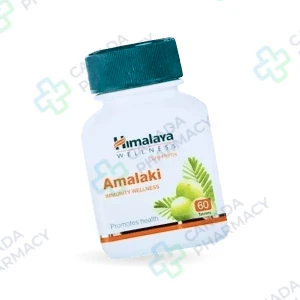
Amalaki
Price range: $ 42,00 through $ 72,00
Active substance: Amalaki (Emblica officinalis) Extract
More Details
This product has multiple variants. The options may be chosen on the product page
Arcalion
Price range: $ 25,00 through $ 50,00
Active substance: Sulbutiamine
More Details
This product has multiple variants. The options may be chosen on the product page
Artvigil
Price range: $ 65,00 through $ 398,00
Active substance: Armodafinil
More Details
This product has multiple variants. The options may be chosen on the product page
Daliresp
Price range: $ 68,00 through $ 220,00
Active substance: Roflumilast
More Details
This product has multiple variants. The options may be chosen on the product page
LDN
Price range: $ 81,00 through $ 266,00
Active substance: Naltrexone
More Details
This product has multiple variants. The options may be chosen on the product page
Neurobion Forte Injection
Price range: $ 24,00 through $ 43,00
More Details
This product has multiple variants. The options may be chosen on the product page