

-22%
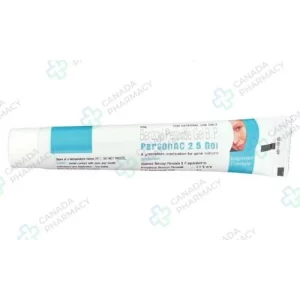
Benzoyl
Price range: $ 66,00 through $ 152,00
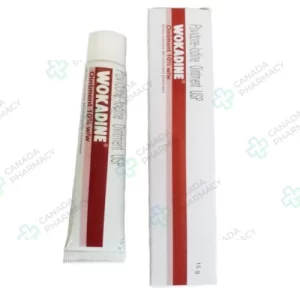
Betadine
Price range: $ 7,00 through $ 12,00
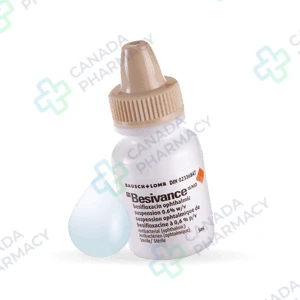
Besivance Ophthalmic Solution
Price range: $ 45,00 through $ 88,00
Besivance Ophthalmic Solution is a potent fluoroquinolone antibacterial agent specifically formulated for topical ophthalmic use. It is primarily indicated for the treatment of bacterial conjunctivitis, commonly known as pink eye, caused by susceptible strains of bacteria. The active ingredient, besifloxacin, works by inhibiting essential bacterial enzymes to effectively clear the infection. This advanced suspension technology ensures prolonged contact time with the ocular surface for optimal therapeutic results. By targeting the underlying cause of the infection, Besivance helps relieve symptoms like redness, itching, and discharge associated with bacterial eye conditions.
Active substance: Besifloxacin
Delivery: 5–21 days (depending on the shipping method)
Extra 10% discount with coupon: IT4K6SVM
Each dosage option has its own packaging choices.
Description
Besivance belongs to a group of ophthalmic antibacterial medications known as fluoroquinolones. It is formulated specifically for topical administration to treat bacterial infections of the ocular surface. The active ingredient, besifloxacin, works by targeting bacterial enzymes essential for DNA replication.
This prescription ophthalmic suspension is dispensed in accordance with federal and state regulations. Proper use requires strict adherence to professional medical guidance and the full prescribed dosing schedule.
Key Clinical Overview
| Parameter | Details |
|---|---|
| Drug name | Besivance Ophthalmic Solution |
| Active ingredient (INN) | Besifloxacin hydrochloride |
| Dosage form | Ophthalmic suspension (0.6%) |
| Route of administration | Ophthalmic (topical eye drop) |
| Primary purpose | Treatment of bacterial conjunctivitis |
| Prescription status | Prescription (Rx) |
How the drug works
Besifloxacin is an 8-chloro fluoroquinolone with inhibitory activity against bacterial DNA gyrase and topoisomerase IV. These enzymes are required for bacterial DNA replication, transcription, repair, and recombination. By blocking both DNA gyrase and topoisomerase IV, besifloxacin exhibits bactericidal action against a wide spectrum of Gram-positive and Gram-negative ocular pathogens. The dual-mechanism inhibition reduces the likelihood of rapid single-step bacterial resistance development during treatment. Besifloxacin maintains potent in vitro activity against common ocular isolates, including Staphylococcus aureus, Staphylococcus epidermidis, Streptococcus pneumoniae, and Haemophilus influenzae.
Main uses
Besivance ophthalmic suspension 0.6% is indicated for the treatment of bacterial conjunctivitis caused by susceptible isolates of specific microorganisms. Clinical trials submitted to the FDA demonstrated efficacy against organisms such as Corynebacterium pseudodiphtheriticum, Moraxella catarrhalis, Pseudomonas aeruginosa, and various Streptococcus and Staphylococcus species. It is strictly indicated for bacterial ocular infections and is ineffective against viral, fungal, or allergic conjunctivitis. Prescribers evaluate ocular signs, such as purulent discharge and conjunctival redness, before confirming a bacterial etiology. Using an antibacterial agent for non-bacterial eye conditions provides no therapeutic benefit and increases the risk of antimicrobial resistance.
Dosing schedule
The standard dosage for Besivance ophthalmic suspension is 1 drop in the affected eye or eyes 3 times a day, spaced 4 to 12 hours apart, for 7 days. Patients should invert the closed bottle and shake well once before each use. To prevent contamination of the drop tip and solution, care must be taken not to touch the eyelids, surrounding areas, or any other surfaces with the dropper tip. The bottle should remain tightly closed when not in use. Patients should complete the full 7-day course of therapy even if clinical symptoms improve earlier, unless directed otherwise by a healthcare provider.
How it’s absorbed and eliminated
Following topical ocular administration of Besivance 0.6% 3 times daily in healthy adults, systemic plasma concentrations of besifloxacin were measured. In clinical pharmacokinetic evaluations, maximum plasma concentration (Cmax) values were uniformly low, generally below 0.5 ng/mL. The average elimination half-life of besifloxacin in plasma following systemic exposure is estimated at approximately 7 hours. Minimal systemic absorption ensures that the pharmacological action remains localized primarily to the tear film and ocular surface tissues, thereby minimizing systemic adverse effects.
What you may notice early on
Upon initial application of the suspension, patients may experience brief, mild ocular discomfort or a transient stinging sensation. Visual clarity may be temporarily affected due to the viscous nature of the suspension vehicle. These localized sensations typically subside within a few minutes following administration. Patients should expect a gradual decrease in eye discharge and redness over the first few days of treatment. If initial irritation is severe or persistent, contact the prescribing provider.
Signs of improvement
Therapeutic progress is marked by a reduction in purulent discharge, diminished conjunctival redness, and reduced ocular discomfort or gritty feelings. Typically, noticeable improvement occurs within 48 to 72 hours of starting regular administration. Resolution of bacterial infection is evidenced by clear tears, lack of eyelid crusting upon waking, and normal ocular comfort. Patients should continue administering drops for the full 7 days, even after symptoms resolve, to ensure complete eradication of the pathogen.
Compatibility with other medicines
Formal drug interaction studies have not been conducted with Besivance ophthalmic suspension. Because systemic absorption following topical ocular administration is extremely low, systemic drug-drug interactions are unlikely. However, if using multiple topical ophthalmic medications, each product should be administered at least 5 minutes apart to avoid flushing out the previously applied drop. Patients should inform their healthcare provider of all prescription medications, over-the-counter products, and herbal supplements currently in use.
Adverse reactions
Clinical trial data indicate that Besivance is generally well tolerated by most patients. The most frequently reported adverse reaction is conjunctival redness (hyperemia), occurring in approximately 1% to 2% of patients. Other reported ocular adverse events include eye pain, eye pruritus (itching), blurred vision, eye irritation, and headache. Systemic adverse reactions are exceptionally rare due to negligible systemic absorption. Patients experiencing worsening ocular redness, severe eye pain, or changes in vision should seek medical evaluation immediately.
Important precautions
Besivance is intended strictly for topical ophthalmic use and must never be injected subconjunctively or introduced directly into the anterior chamber of the eye. Prolonged use of antibacterial agents may result in overgrowth of non-susceptible organisms, including fungi. Patients should not wear contact lenses if they exhibit signs or symptoms of bacterial conjunctivitis. Safety and effectiveness in pediatric patients under 1 year of age have not been established. For pregnant or nursing mothers, Besivance should be used only if the potential benefit justifies the potential risk to the fetus or infant.
If you skip a dose
If a dose of Besivance is missed, administer the prescribed drop as soon as remembered. However, if it is nearly time for the next scheduled dose, skip the missed dose and resume the normal administration schedule. Patients should not double the dose or apply extra drops to make up for a missed application. Maintaining a regular dosing schedule helps ensure optimal bacterial suppression throughout the 7-day course of therapy.
Practical tips
Always wash hands thoroughly with soap and water before handling the eye drop bottle. Invert the closed bottle and shake once prior to administration. Tilt the head backward, pull down the lower eyelid to form a small pocket, and gently squeeze 1 drop into the eye without allowing the bottle tip to touch the eye surface. Close the eye gently for 1 to 2 minutes while pressing lightly on the inner corner of the eye (lacrimal sac) to minimize systemic absorption. Store the bottle upright at controlled room temperature between 15°C and 25°C (59°F to 77°F) and keep it tightly closed.
Common questions
Can contact lenses be worn while using Besivance?
Patients should not wear contact lenses if they have active signs or symptoms of bacterial conjunctivitis. Furthermore, contact lenses should not be worn during the entire course of treatment with Besivance, as the infection can spread and lenses may trap bacteria against the cornea.
What should I do if I experience blurred vision after applying the drops?
Temporary blurred vision immediately following administration can occur due to the suspension formula. Patients should refrain from driving or operating machinery until visual clarity returns, which usually occurs within a few minutes.
Is Besivance effective against viral eye infections like epidemic keratoconjunctivitis?
No. Besivance is an antibacterial medication and has no activity against viral pathogens, including adenoviruses or herpes simplex virus. Using antibacterial drops for viral infections is ineffective and inappropriate.
What happens if the bottle tip accidentally touches my eyelid?
Touching the bottle tip to any surface, including eyelids or fingers, can contaminate the suspension with bacteria, which may cause secondary eye infections. If contamination occurs, consult a pharmacist or healthcare provider for guidance.
Can Besivance be used in infants or young children?
Besivance is approved for use in pediatric patients 1 year of age and older. Safety and efficacy in infants under 1 year of age have not been established by clinical studies.
This material is educational. Only a licensed prescriber can determine whether a medication is appropriate for you.
In accordance with FDA requirements.
Additional information
| Dosage |
5 ml |
|---|---|
| Package |
2 flacons ,3 flacons ,4 flacons ,5 flacons |
| Ενεργός Ουσία |
Related products
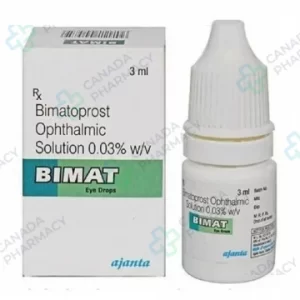
Bimat
Price range: $ 60,00 through $ 330,00
Active substance: Bimatoprost
More Details
This product has multiple variants. The options may be chosen on the product page
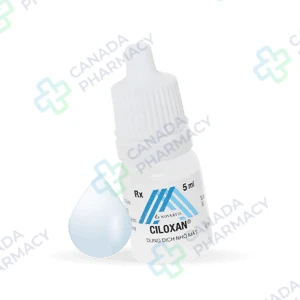
Ciloxan Ophthalmic Solution
Price range: $ 50,00 through $ 63,00
Active substance: Ciprofloxacin hydrochloride
More Details
This product has multiple variants. The options may be chosen on the product page
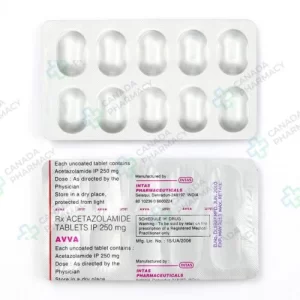
Diamox
Price range: $ 60,00 through $ 144,00
Active substance: Acetazolamide
More Details
This product has multiple variants. The options may be chosen on the product page
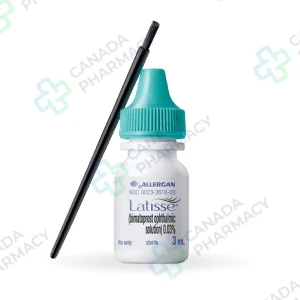
Latisse Ophthalmic Solution
Price range: $ 35,00 through $ 165,00
Active substance: Bimatoprost Ophthalmic Solution
More Details
This product has multiple variants. The options may be chosen on the product page
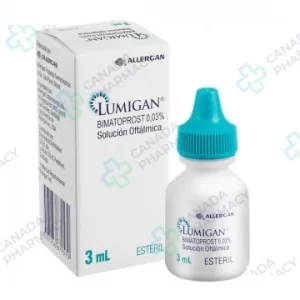
Lumigan
Price range: $ 53,00 through $ 490,00
Active substance: Bimatoprost
More Details
This product has multiple variants. The options may be chosen on the product page
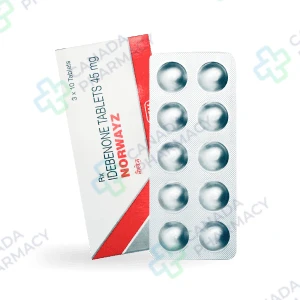
Norwayz
Price range: $ 49,00 through $ 69,00
Active substance: Idebenone
More Details
This product has multiple variants. The options may be chosen on the product page
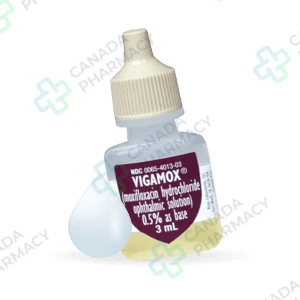
Vigamox Ophthalmic Solution
Price range: $ 24,00 through $ 69,00
Active substance: Moxifloxacin
More Details
This product has multiple variants. The options may be chosen on the product page
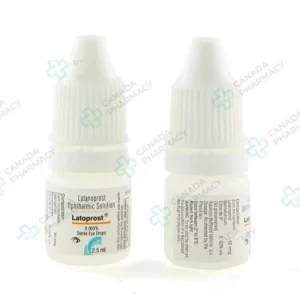
Xalatan
Price range: $ 74,00 through $ 405,00
Active substance: xalatan
More Details
This product has multiple variants. The options may be chosen on the product page